
Vintage Horology Watch
These vintage horology watch items span centuries of precision engineering, offering collectors mechanical timepieces built with enduring craft.
Vintage Horology Watch
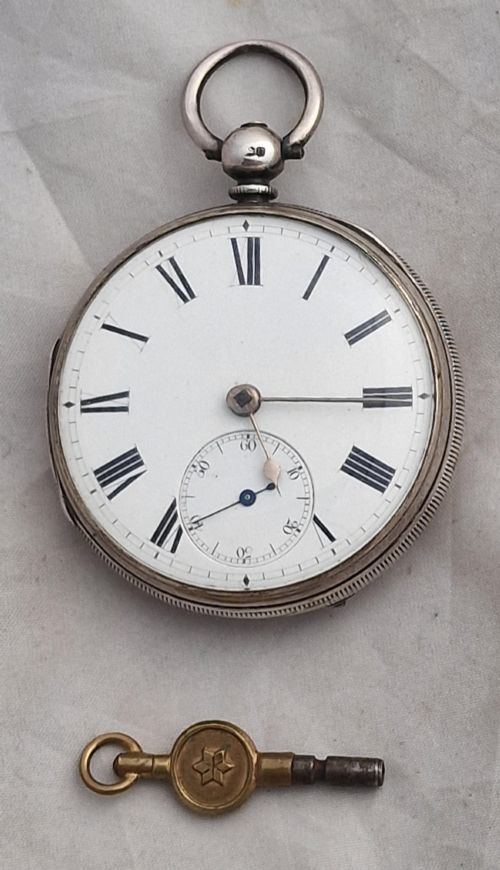
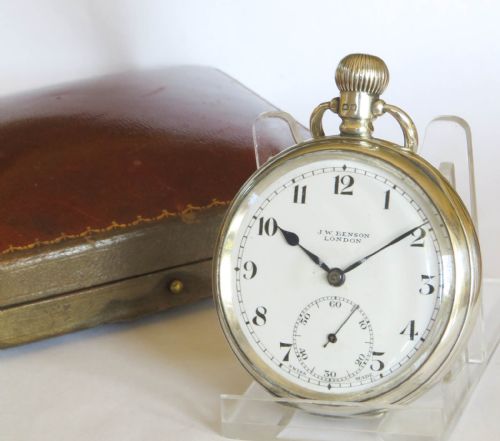
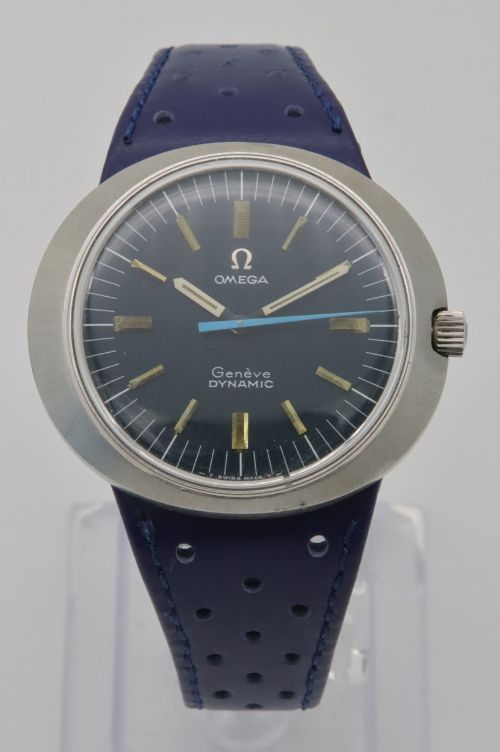
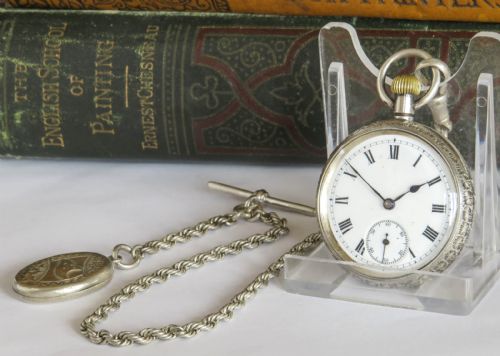
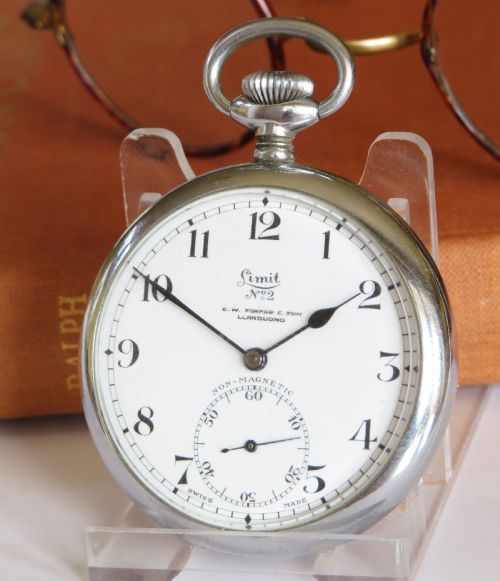
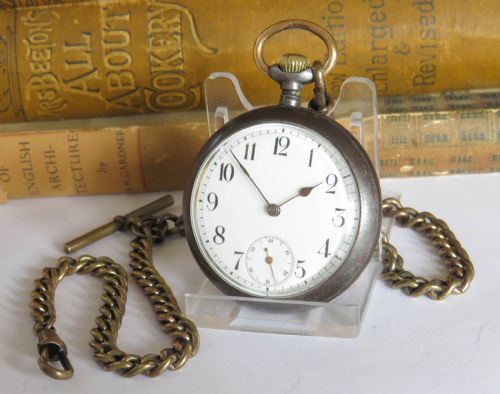
A vintage horology watch encompasses portable mechanical timekeepers ranging from pocket watches to wristwatches, produced across various decades and centuries. Buyers explore this category to acquire functional historical objects representing distinct eras of design and manufacturing.
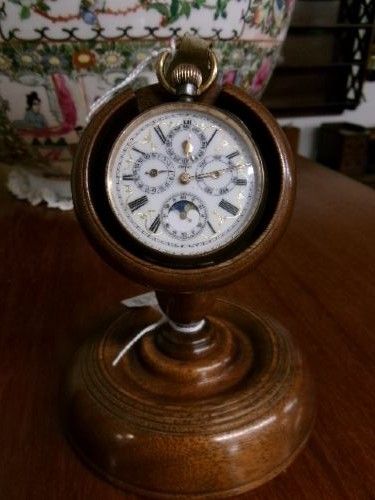
Pieces span multiple decades from the late nineteenth century through the mid-twentieth century, with varied regional origins including British, Swiss, and French workshops. Collectors encounter standard time-only dials alongside specialised complications like chronographs and calendar moonface displays.
Materials and construction
Movements rely on intricate mechanical components driven by mainsprings, utilising historical mechanisms like fusee movements and lever escapements. Skilled artisans assembled these components by hand within metal housings designed for pocket or wrist carriage.
Vintage Horology Watch Retail Price Guide 2026
Typical asking prices for vintage horology watch among the pieces listed under this phrase on Sellingantiques today, from the lower quarter to the upper quarter. They describe what is for sale here now, not the wider market.
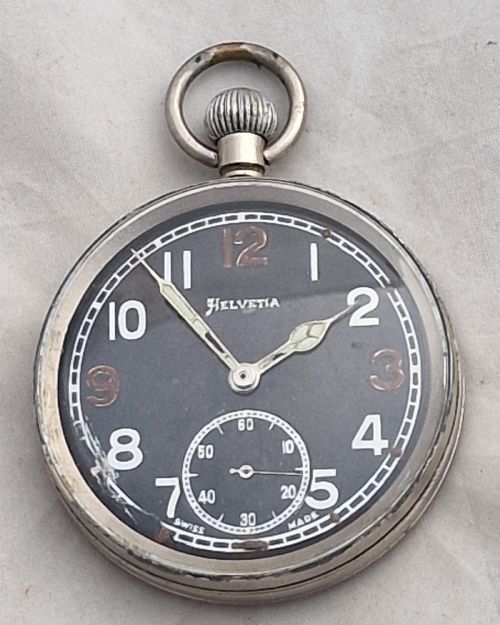
Certain military pocket watches carry heavy-duty steel cases designed to survive muddy trenches while keeping time to the second.
Factors of quality
Quality separates pieces through the complexity and refinement of the internal movement, from standard production calibres to specialised repeating mechanisms and high-grade chronographs. Signatures from established makers and retailers indicate superior workshop standards.
The condition and originality of the dial, case materials, and mechanical parts determine the standing of an individual piece within its period. Hallmarks on precious metals and accompanying boxes or papers further distinguish higher-tier examples.
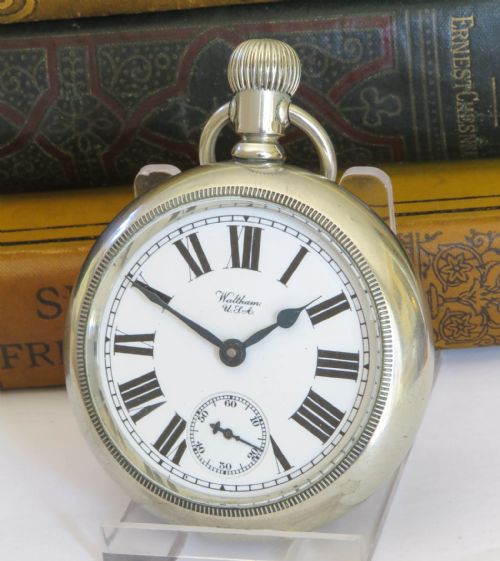
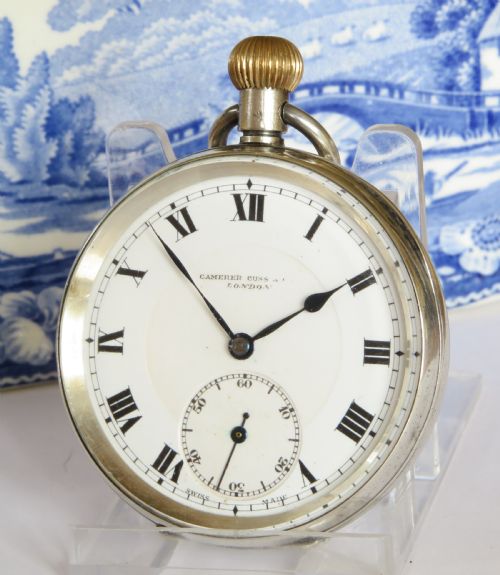
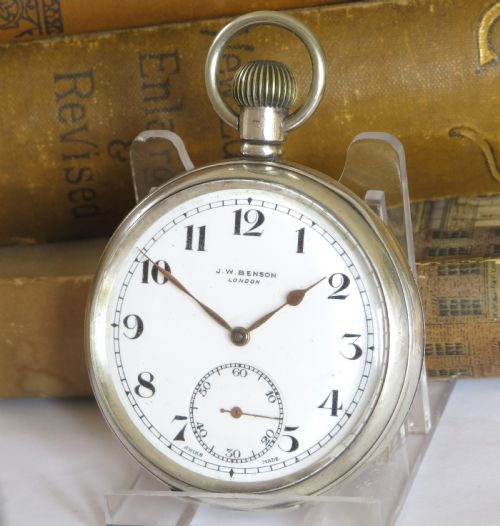
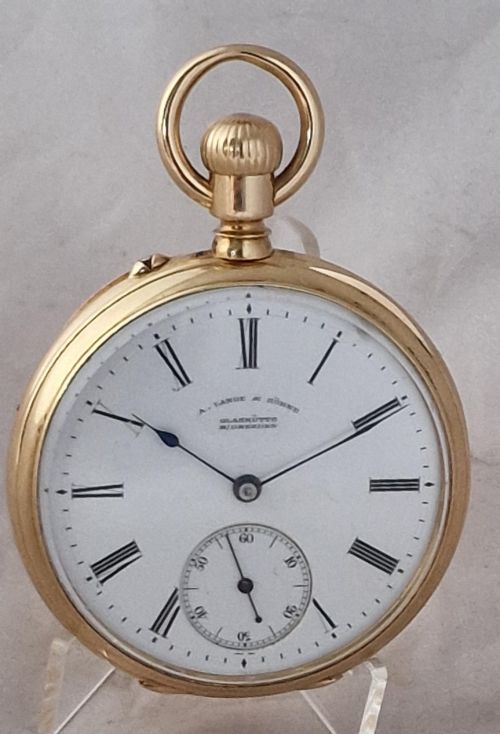
J W Benson·Camerer Cuss·Lange and Sohne·Richardson·Stauffer·Zenith·Omega·Hamilton·Dennison·Smiths·Vertex·Enicar·Wittnauer·Longines·Charles Le Roy·Elgin·Waltham·Cyma·Limit
The Vintage Horology Watch Glossary
- Fusee
- A conical pulley used in older pocket watches to equalize the torque of the mainspring as it unwinds. This mechanism helps maintain consistent timekeeping accuracy throughout the power reserve.
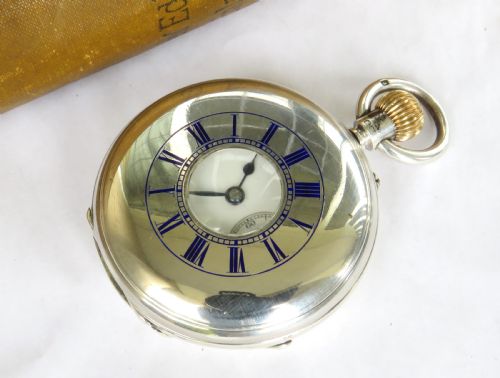
- Half hunter
- A pocket watch case featuring a small glass or open centre in the front cover allowing time reading without opening the case. Protective metal surrounds the aperture with engraved hours.
- Calibre
- A specific design or model of watch movement produced by a manufacturer. Collectors reference calibres to identify the exact internal engineering of a timepiece.
- Chronograph
- A watch equipped with a stopwatch function alongside standard timekeeping display. Independent hands measure elapsed seconds and minutes.
- Verge
- An early type of escapement utilising a crown wheel and a vertical rod with pallets. This mechanical arrangement regulates the release of power in antique pocket watches.
Vintage Horology Watch: Frequently Asked Questions
How do I wind a mechanical pocket watch?
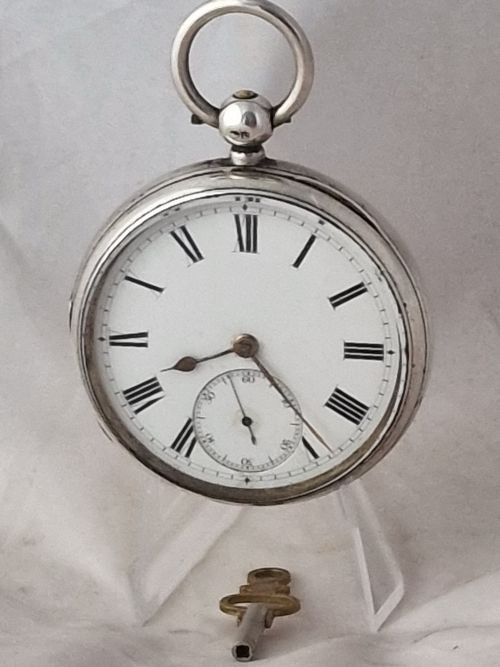
Mechanical pocket watches require gentle turning of the crown or key until resistance indicates a full mainspring. Avoid over-winding to protect the internal components from undue stress.
Regular daily winding keeps the movement functioning steadily and maintains lubricant distribution across the gears.
What is a military trench watch?
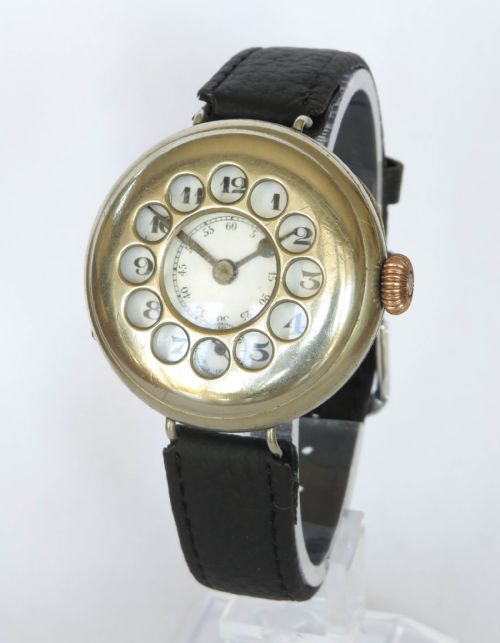
Trench watches emerged during the early twentieth century as soldiers adapted pocket watch movements for wrist wear during combat. They often feature protective metal shrapnel guards over the glass.
These pieces represent an important transitional phase in horological history toward widespread wristwatch adoption.
How do railway pocket watches differ?
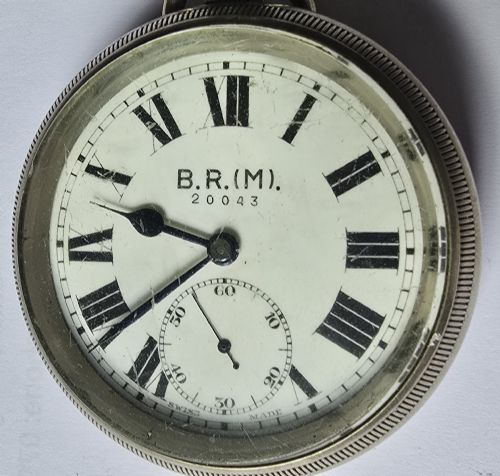
Railway pocket watches were manufactured to strict official accuracy standards required by transport networks for safe scheduling. They typically feature clear, high-contrast enamel dials with bold Arabic numerals.
Railroad employees relied on these robust timepieces for precise timing during daily operations.
Can I wear a vintage wristwatch daily?
Vintage wristwatches require careful handling regarding moisture, shock, and magnetic fields due to their historical construction. Many older pieces lack modern water resistance seals and shock-absorbing balance systems.
Frequent wear benefits from periodic professional servicing to ensure longevity and mechanical reliability.
What does silver hallmarking indicate?
Silver hallmarks provide official stamps denoting metal purity, assay office location, and the year of manufacture. These marks help historians and collectors verify the age and origin of the watch case.
British silver pieces often display distinct leopard heads, anchors, or lions indicating their testing location.