
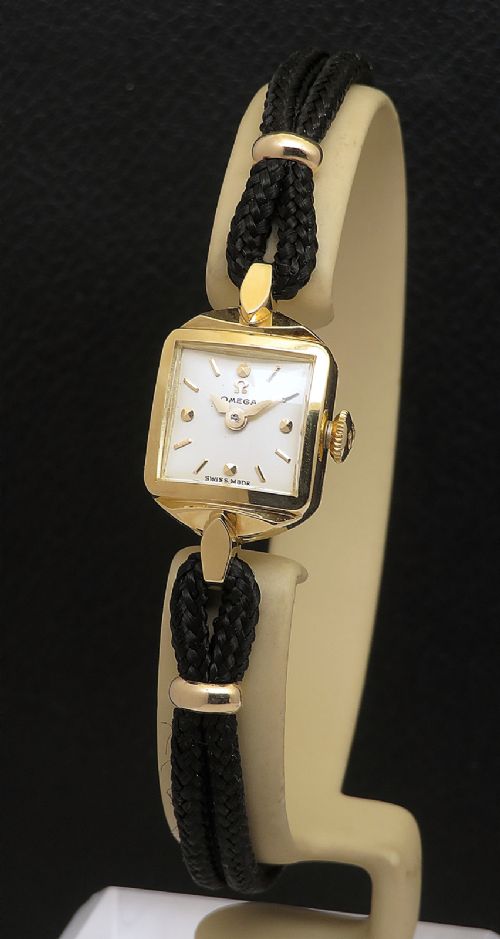
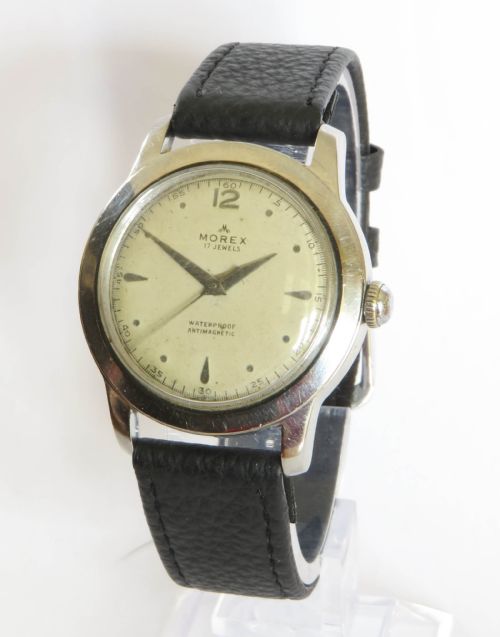
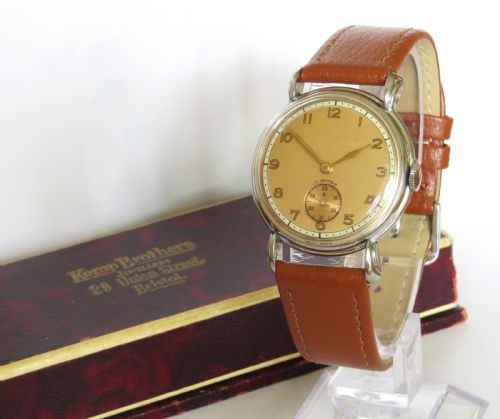
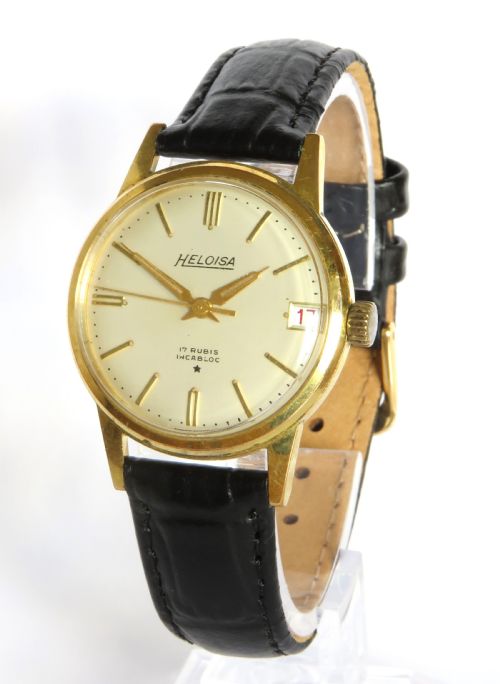
1950s Swiss Watch
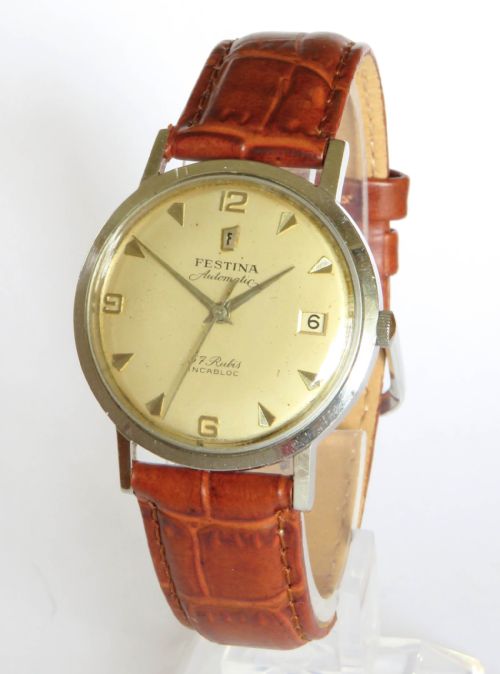
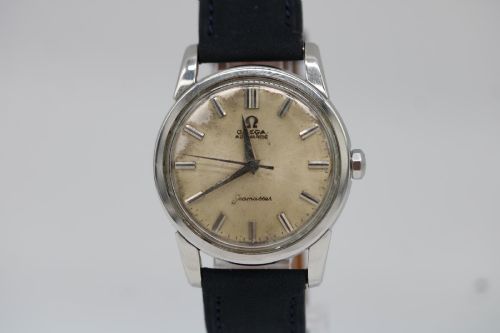
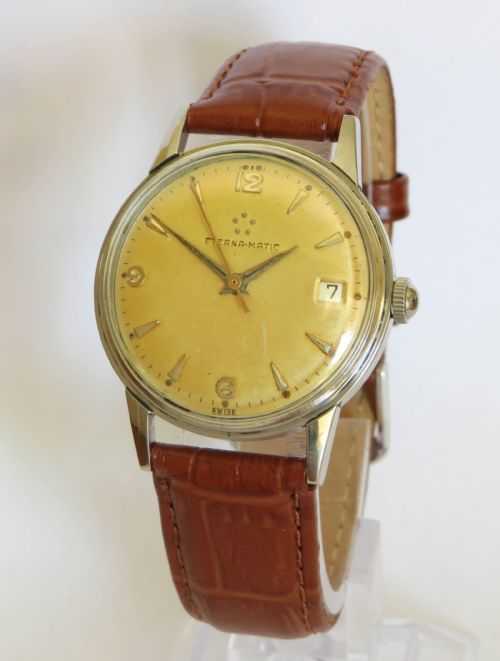
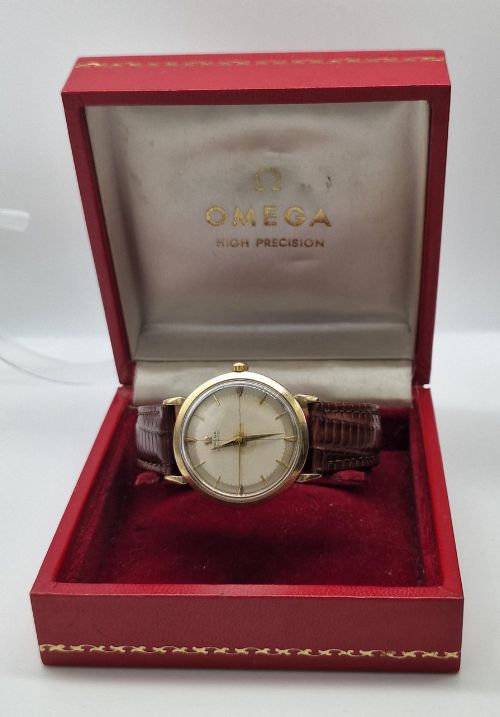
These 1950s Swiss watch examples combine mid-century design with mechanical movements, offering buyers an authentic piece of horological history.
What 1950s Swiss watch pieces are
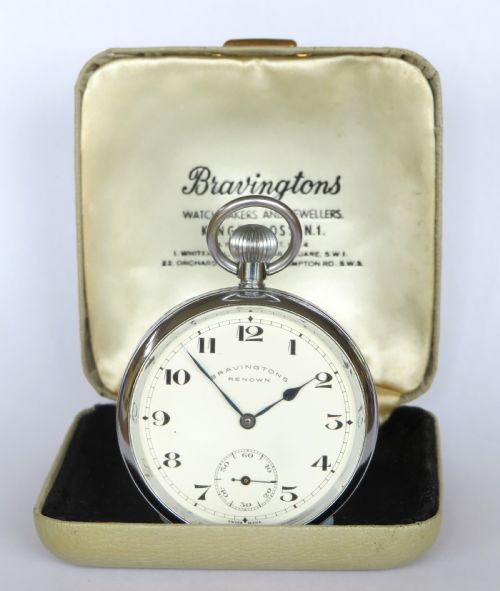
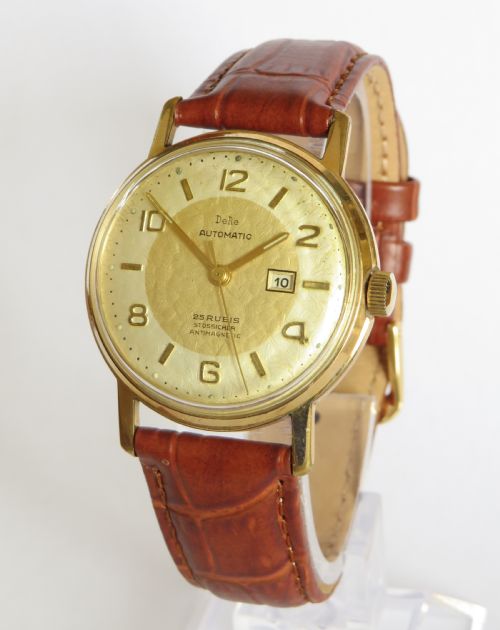
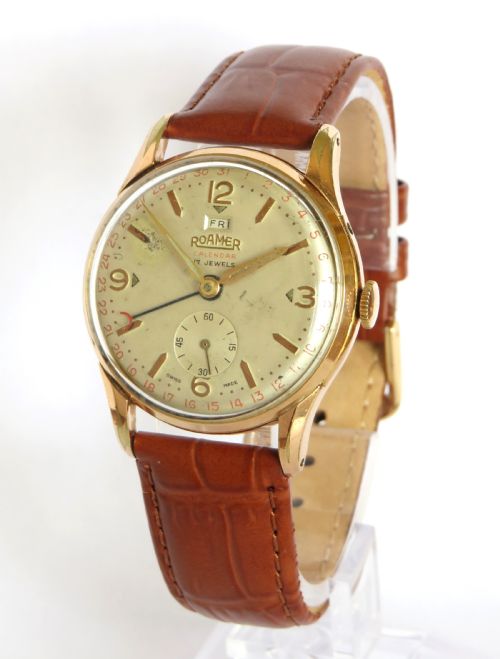
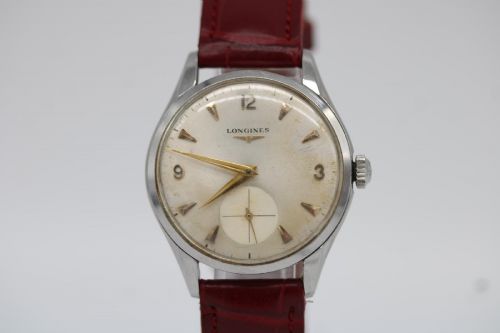
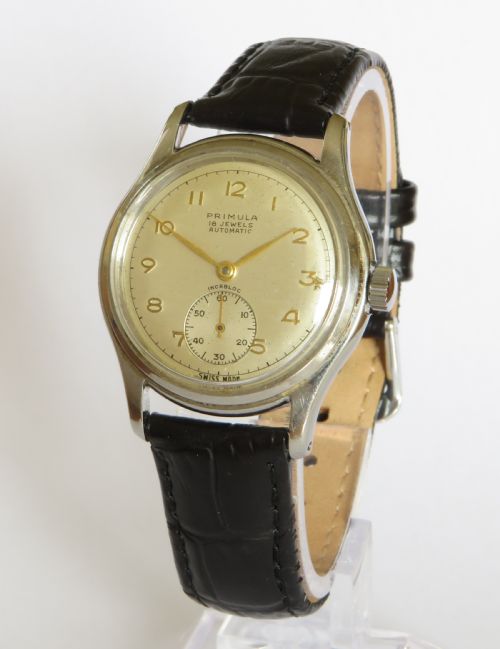
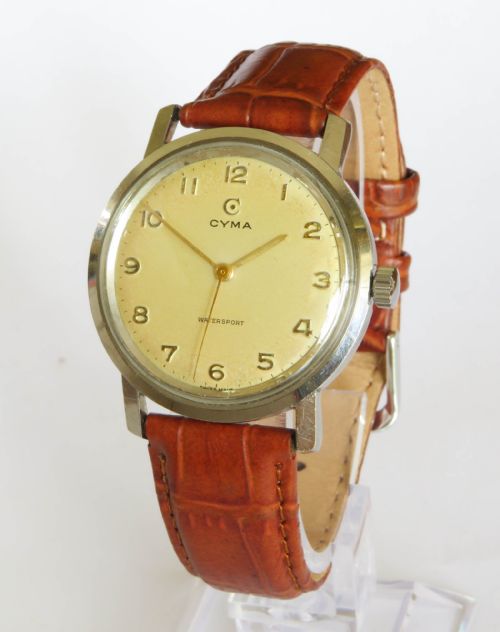
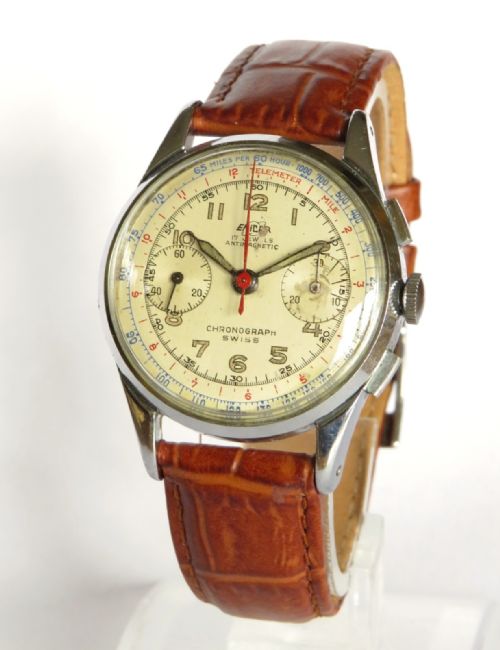
When you search for a 1950s Swiss watch, you encounter gents wristwatches and pocket watches originating from mid-century Switzerland. The selection spans standard automatic and manual wind models alongside more complex chronograph and triple calendar variants.
Makers represented in this category include Primula, Dogma Prima, and Fludo, often housing Swiss movements such as the Landeron 80 calibre. These timepieces reflect the everyday dress and utility styles popular during the 1950 period.
How they were made
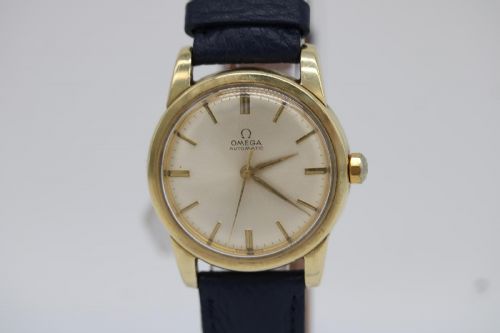
These watches utilise durable metals and alloys, incorporating stainless steel and gold plate for the outer cases. Crystals are formed from glass or acrylic glass to protect the dial faces beneath.
Straps and bands are constructed from leather to secure the watch to the wrist. The internal mechanics rely on traditional Swiss movement engineering, including chronograph and triple calendar complications.
What varies in quality
The sophistication of the internal movement dictates the tier of the piece, moving from standard time-only displays to complex chronograph and triple calendar mechanisms. The choice of exterior case material, such as stainless steel versus gold plate, also distinguishes the grade.
Complexity in dial layout and casing size alters the desirability of the watch. Examples featuring named Swiss movements command attention for their mechanical pedigree.
Primula·Dogma Prima·Fludo
The 1950s Swiss Watch Glossary
- Automatic
- A self-winding mechanical movement that uses the natural motion of the wearer's wrist to power the watch.
- Chronograph
- A watch equipped with a display function for measuring elapsed time, acting as a stopwatch alongside standard timekeeping.
- Triple calendar
- A watch complication that displays the day of the week, the month, and the date alongside the time.
- Gold plate
- A method where a thin layer of gold is bonded to a base metal core to give the appearance of solid gold.
- Acrylic glass
- A transparent plastic material utilised for watch crystals during the mid-century period before synthetic sapphire became common.
Frequently Asked Questions
What is a 1950s Swiss watch?
It is a timepiece manufactured in Switzerland during the 1950 period, typically featuring a mechanical movement housed in a stainless steel or gold plated case.
These pieces range from simple gents wristwatches to complex chronograph and triple calendar designs.
How do I wear a 1950s watch?
Most pieces are designed for the wrist, paired with a leather strap that suits the mid-century aesthetic of the case.
Pocket watches from this era offer an alternative format suited to waistcoat pockets or chain attachment.
Are these watches mechanical?
Yes, these items rely on traditional mechanical calibres, including automatic self-winding systems and manual wind Swiss movements.
Complications such as the Landeron 80 chronograph require intricate gear assemblies rather than electronic batteries.
What materials were used?
Cases are constructed from stainless steel or gold plate, whilst the dials are protected by glass or acrylic glass crystals.
Straps are predominantly made from leather to complete the mid-century gents watch design.