
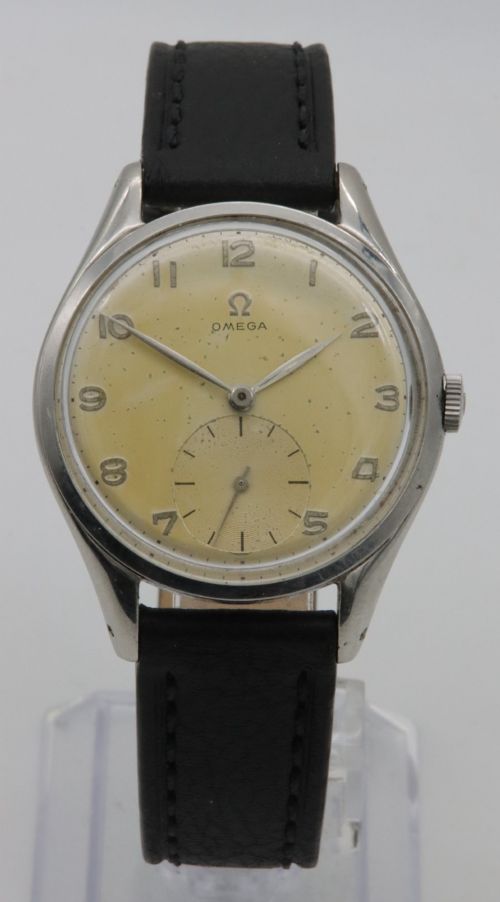
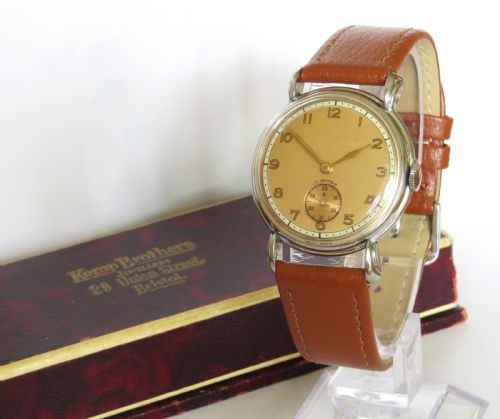
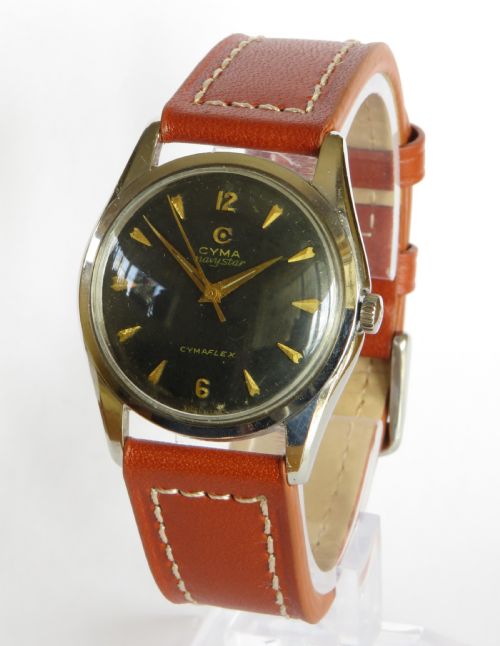
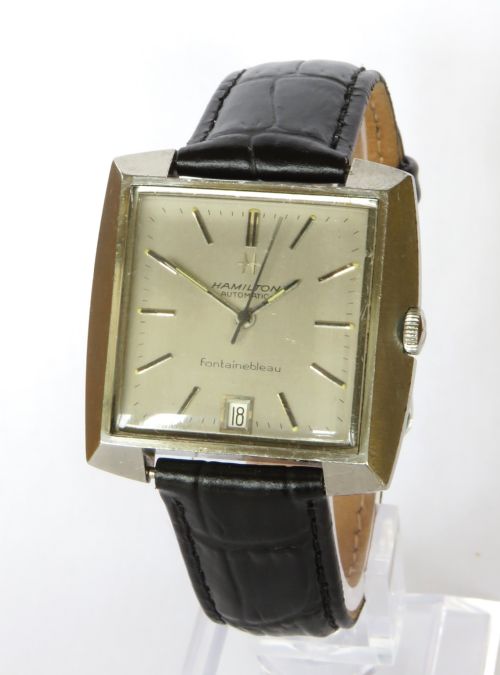
Antique Mens Wristwatch
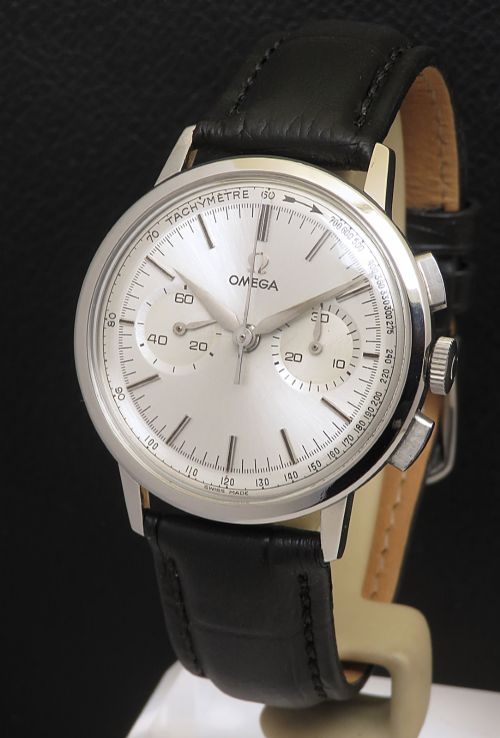
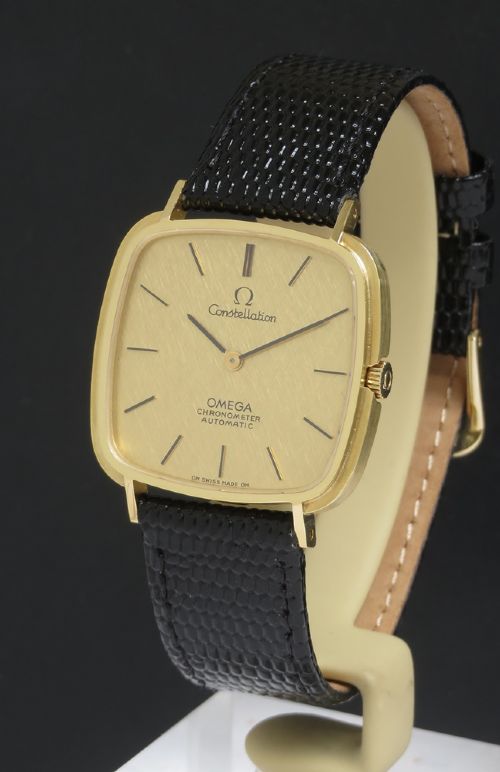
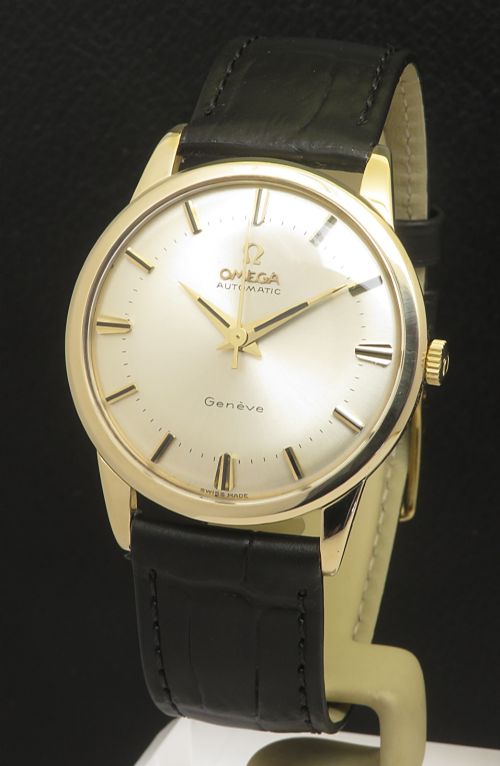
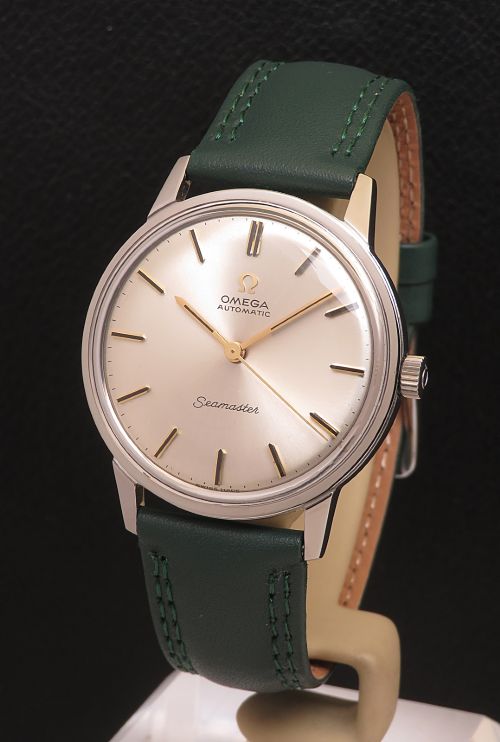
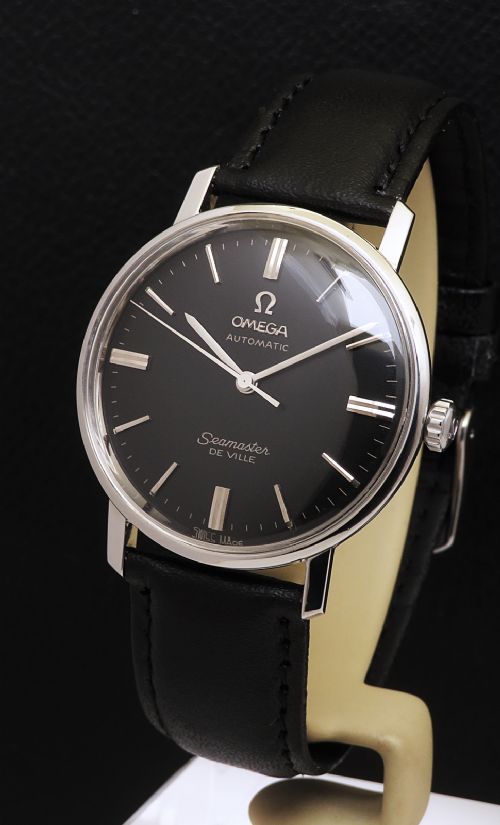
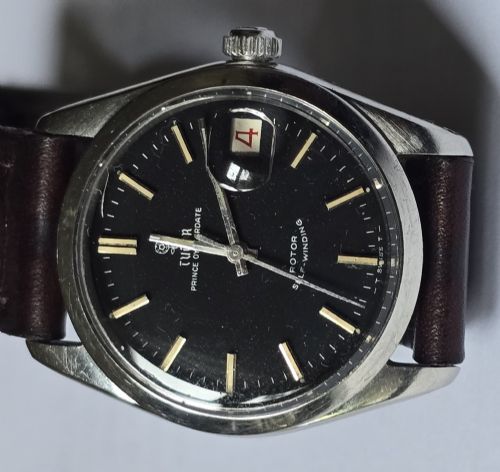
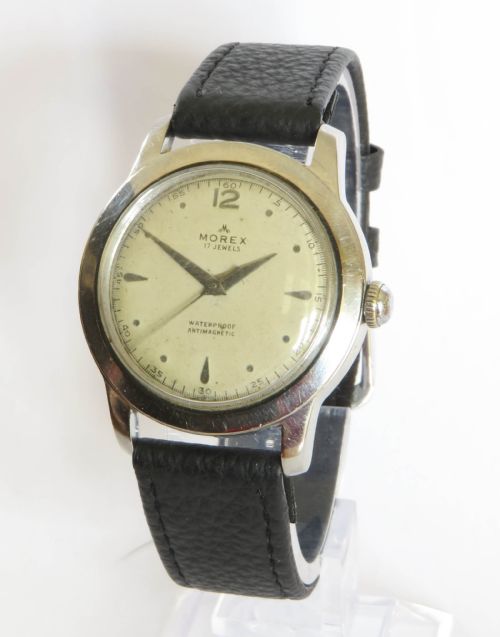
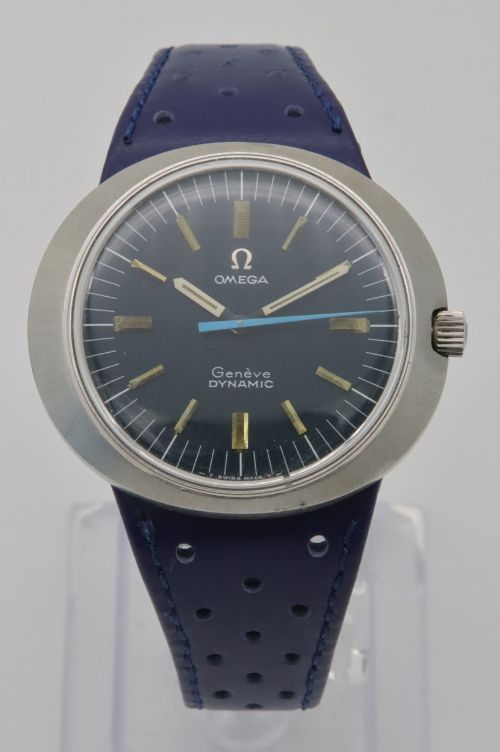
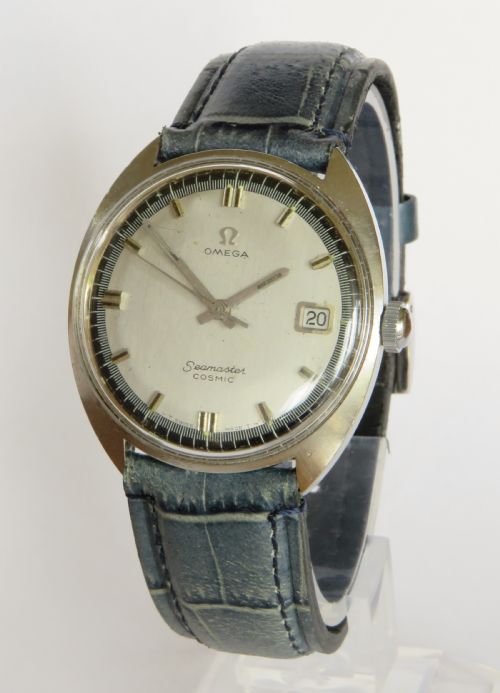
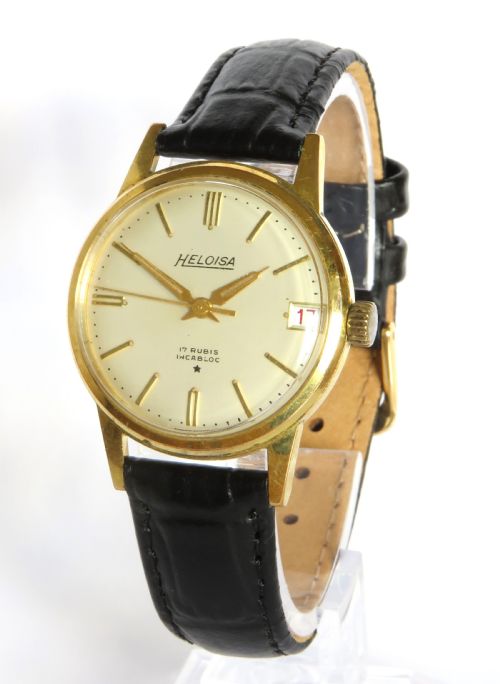
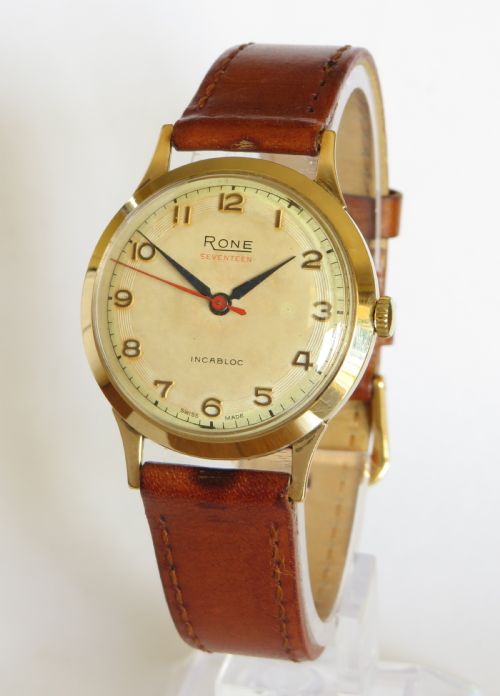
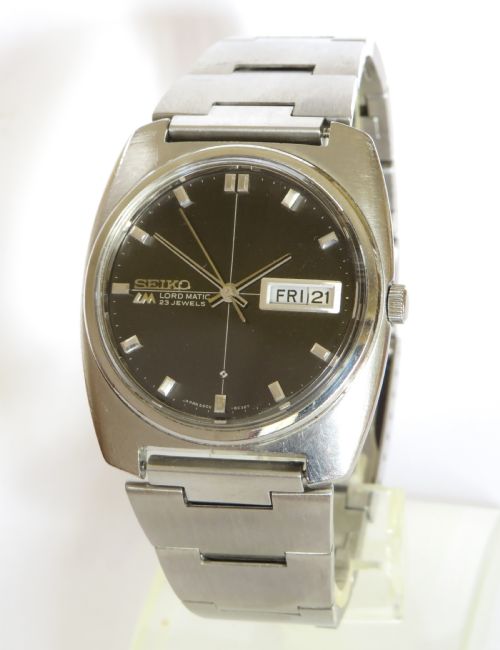
An antique mens wristwatch brings decades of character to the wrist, housing mechanical complexity inside compact steel or gold cases.
Antique Mens Wristwatch
An antique mens wristwatch spans the decades from the 1920s through the 1960s, encompassing utilitarian military pieces and elegant dress designs. Buyers exploring this category will frequently encounter robust mid-century examples alongside earlier forms shaped by Art Deco sensibilities.
The selections range from manual wind movements to early automatics, originating from Swiss workshops and British makers. Many survive with original dials and leather straps, offering a direct link to the horological output of the mid-twentieth century.
Grading the examples
Quality rests upon the originality of the dial, the condition of the metal case, and the integrity of the movement inside. Pieces retaining factory finishes and unpolished contours stand apart from those altered by later restoration.
The complexity of the calibre, the presence of original boxes, and the historical significance of the maker dictate the standing of individual watches within the wider horological spectrum.
Listings span five distinct decades from the 1920s to the 1960s, featuring stainless steel and 9ct gold cases.
Omega·Bulova Accutron·Longines·Smiths·Cyma·Eterna·Zenith
The Antique Mens Wristwatch Glossary
- Calibre
- The specific internal mechanical movement manufactured for a watch. This identifier distinguishes different factory designs and production series.
- Manual wind
- A movement requiring the wearer to turn the crown by hand to tension the mainspring. This traditional mechanism powered the majority of early wristwatches.
- Acrylic glass
- A lightweight, transparent plastic material utilised for watch crystals during the mid-century period. It offers flexibility and can be polished if scratched.
- Bumper automatic
- An early self-winding movement where an oscillating weight swings back and forth against buffer springs. This mechanism represents a transitional phase in automatic watch development.
- Curvex
- A curved rectangular watch case designed to contour around the shape of the wrist. This style gained popularity during the Art Deco era.
Antique Mens Wristwatch: Frequently Asked Questions
How do I wind a vintage watch?
Gently rotate the crown clockwise between your thumb and forefinger until you feel resistance. Stop immediately to avoid damaging the internal mainspring.
Most manual wind pieces require daily attention if kept in regular rotation. Treat the crown with care to preserve the vintage components.
Are these watches waterproof?
Early wristwatches lack the modern gaskets and screw-down crowns found in contemporary diving timepieces. Exposure to moisture can easily damage the delicate internal movement and ruin the dial.
Keep these pieces away from water, rain, and excessive humidity during daily wear. Professional servicing can check the current state of any seals.
How do I tell the decade of a watch?
Stylistic cues such as dial typography, case shapes, and hand designs provide the first indicators of a watch's period. Art Deco influences dominate the 1930s, while robust military forms emerge in the 1940s.
Mid-century modern aesthetics and cleaner lines characterise the 1950s and 1960s listings. Movement serial numbers can often narrow down the production year further.
Can I wear an antique watch daily?
These timepieces function well for everyday wear provided they receive proper care and regular mechanical maintenance. Respecting their age means avoiding heavy impacts and physical sports while wearing them.
Store the watch in a secure dry place when not on the wrist. Routine cleaning by a specialist ensures the gears continue to function smoothly.