
Vintage Gold Dress Watch
A vintage gold dress watch delivers quiet authority to the wrist, offering refined proportions and precious metal warmth that modern timepieces rarely match.
Vintage Gold Dress Watch
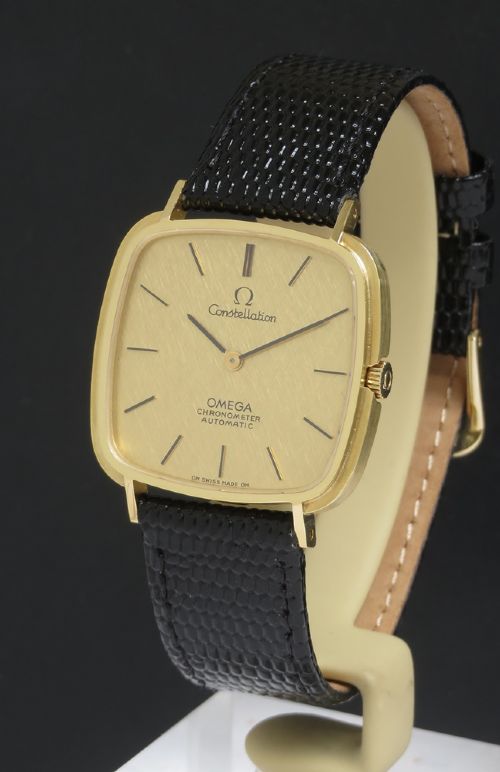
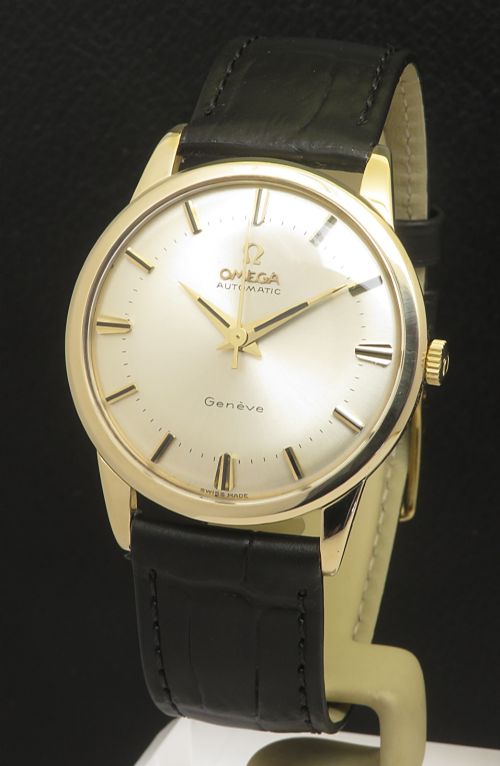
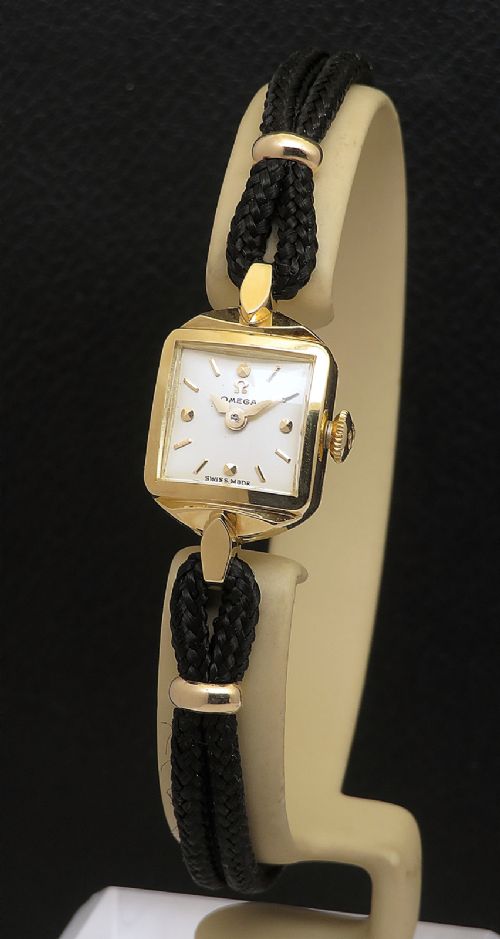
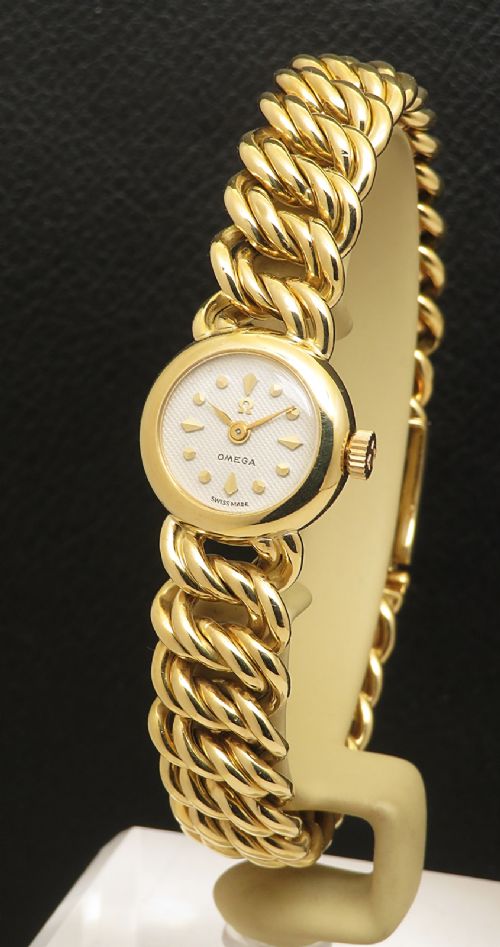
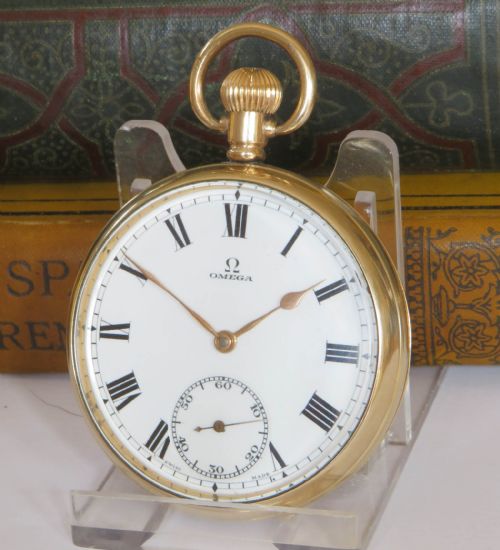
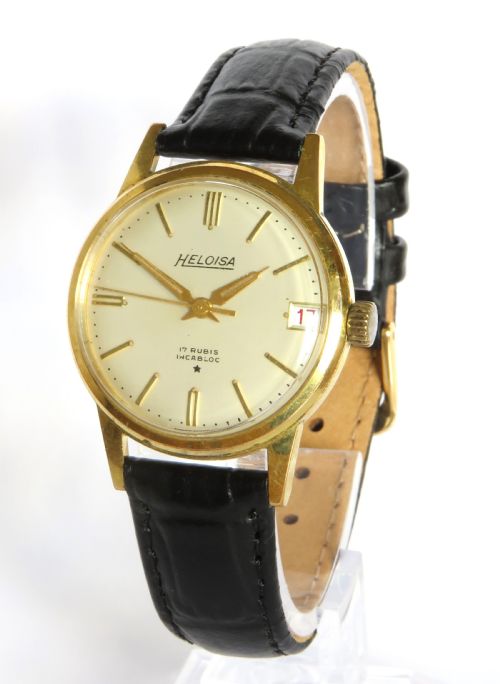
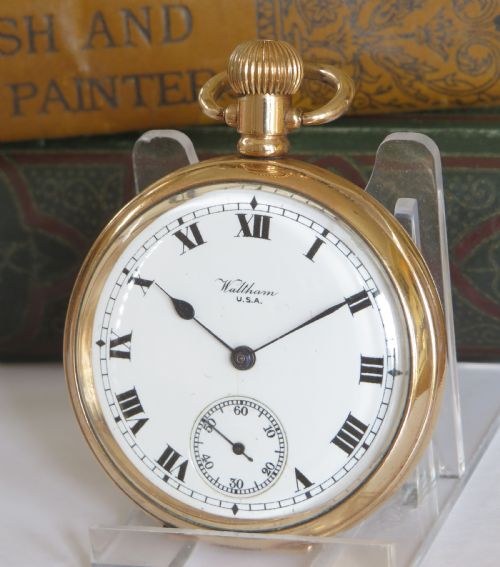
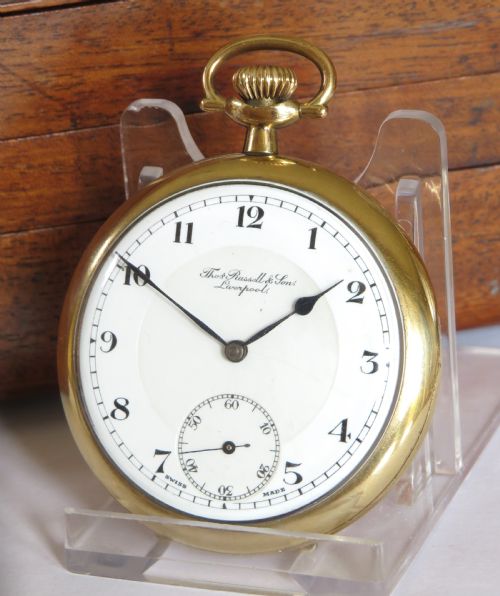
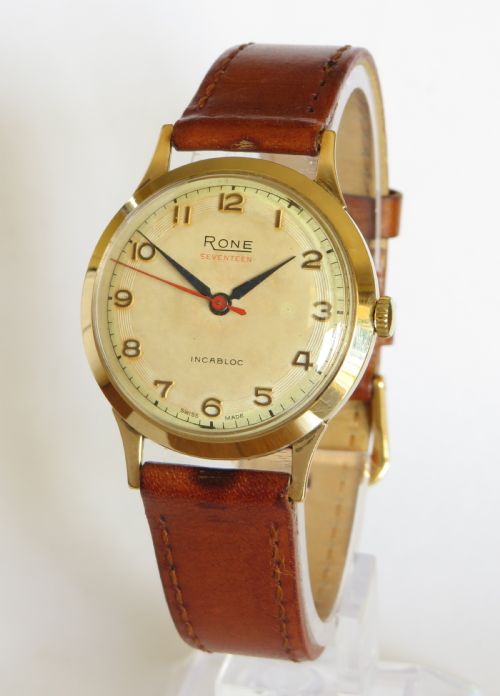
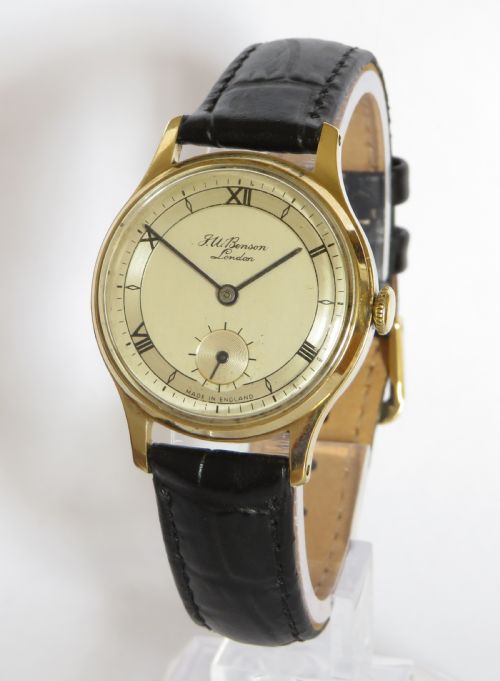
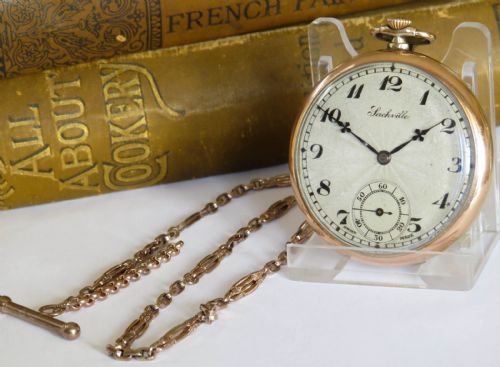
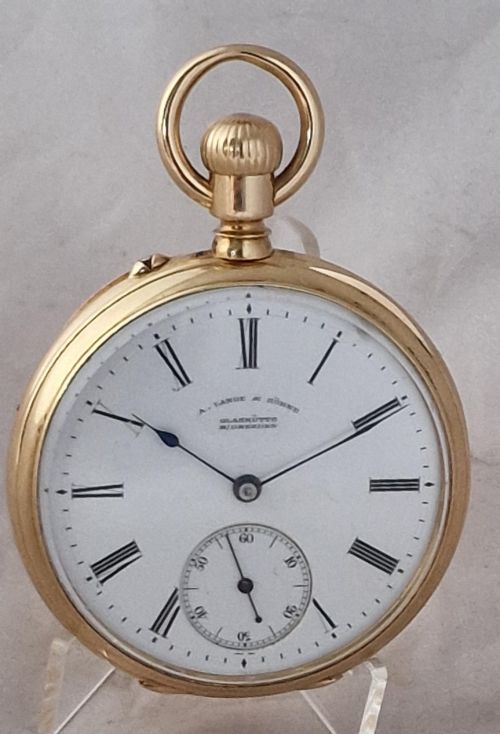
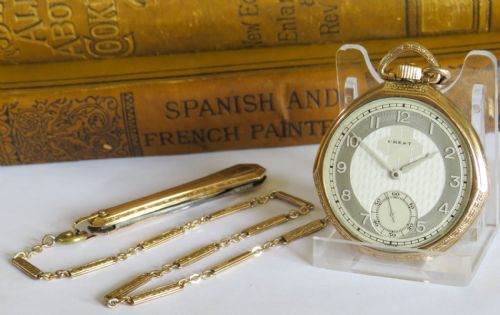
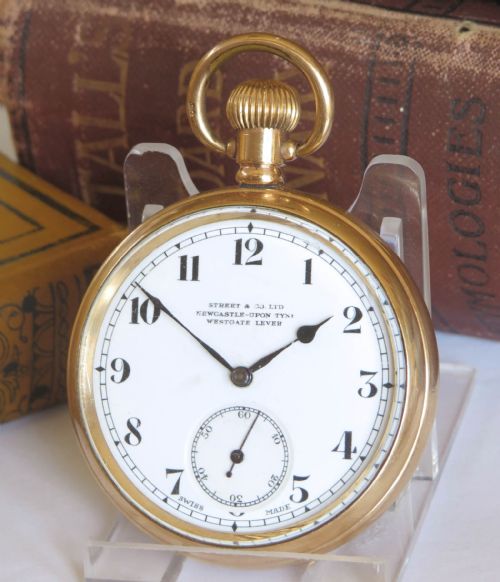
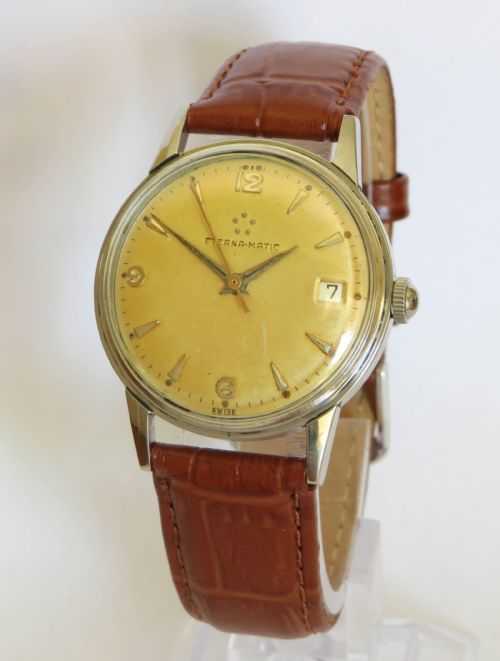
A vintage gold dress watch typically manifests as a slim wrist or cocktail timepiece designed for formal occasions, though pocket watches also appear among the selections.
The specimens on this page span several decades, with a strong concentration of mid-century examples from the 1950s and 1960s alongside earlier Victorian, Edwardian, and Art Deco pieces.
Makers represented range from renowned Swiss houses to dependable domestic manufacturers, encompassing both gents and ladies variants in various gold specifications.
How they were made
Construction relies heavily on precious metals, utilising solid 9ct, 14ct, and 18ct gold alongside gold-plated cases, paired with glass or acrylic crystals protecting the dial.
Straps and bands predominantly feature leather, complementing metal cases that enclose mechanical movements driven by manual wind or automatic calibres.
Dials frequently incorporate delicate enamel work or applied markers, housing intricate gear trains assembled by hand during periods such as the early and mid-twentieth century.
Vintage Gold Dress Watch Retail Price Guide 2026
Typical asking prices for vintage gold dress watch among the pieces listed under this phrase on Sellingantiques today, from the lower quarter to the upper quarter. They describe what is for sale here now, not the wider market.
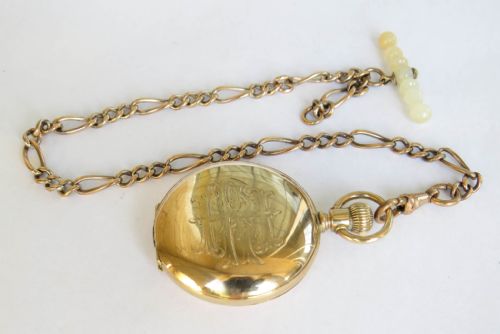
Several vintage pocket watches retain their original winding chains, ready to secure securely into a waistcoat pocket just as they did a century ago.
What varies in quality
The standard of a vintage gold dress watch is determined by the purity of its metal case, shifting from gold plate up to solid 18ct gold, and the sophistication of its internal movement.
Preservation of original components, such as signed dials, matching boxes, papers, and factory buckles, elevates the standing of an individual piece.
The reputation of the maker and the complexity of the calibre, including chronometer certification or specialised complications, dictate the upper tiers of the collection.
Omega·IWC·Rolex·Vacheron Constantin·Jaeger-LeCoultre·Waltham·Elgin·Smiths·Bulova·Tissot
The Vintage Gold Dress Watch Glossary
- Calibre
- The specific internal mechanism or movement of a timepiece, designated by the manufacturer. Each calibre dictates the technical layout and functional characteristics of the watch.
- Chronometer
- A high-precision watch that has passed rigorous accuracy tests conducted by an official-rating organisation. These movements represent superior timekeeping standards.
- Full Hunter
- A pocket watch featuring a solid metal spring-loaded cover that protects the glass crystal. The lid must be opened via a pusher on the crown to read the time.
- Manual Wind
- A mechanical movement requiring the wearer to manually turn the crown to tension the mainspring. This traditional system lacks an automatic rotor.
- Cocktail Watch
- A small, highly decorative ladies timepiece often embellished with gemstones or intricate metalwork. These were traditionally worn to social evening events.
Vintage Gold Dress Watch: Frequently Asked Questions
How do I wind a manual vintage watch?
Gently rotate the crown clockwise between your thumb and forefinger until you feel slight resistance. Stop immediately to avoid damaging the mainspring.
Perform this action at roughly the same time each day to maintain consistent tension and accurate timekeeping.
Are these watches suitable for daily wear?
Many vintage pieces handle regular wear well, provided they are treated with care and kept away from water. Their slim profiles slip easily beneath shirt cuffs.
Consider reserving delicate cocktail watches or fragile antique models for special occasions to preserve their condition.
What is the difference between solid gold and gold plate?
Solid gold cases consist entirely of precious metal throughout their thickness, retaining their material value indefinitely. Gold-plated cases feature a thin layer of gold bonded to a base metal core.
Over decades of use, plated surfaces can wear through at sharp edges, whereas solid gold maintains its composition.
How can I tell the decade of a watch?
Stylistic cues such as dial typography, case geometry, and hand shapes often point toward specific eras like Art Deco or Mid-Century Modern. Hallmarks on gold cases provide official assay office stamps and date letters.
Serial numbers stamped on the movement or inside the case back allow further cross-referencing with manufacturer records.