




Vintage Tank Watch
A vintage tank watch offers rectangular geometry and classic mid-century style, making it a sophisticated choice for daily wear.
Vintage Tank Watch
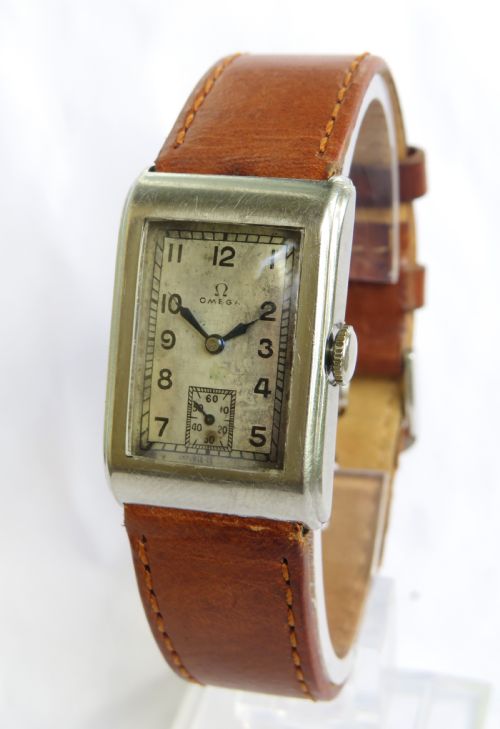
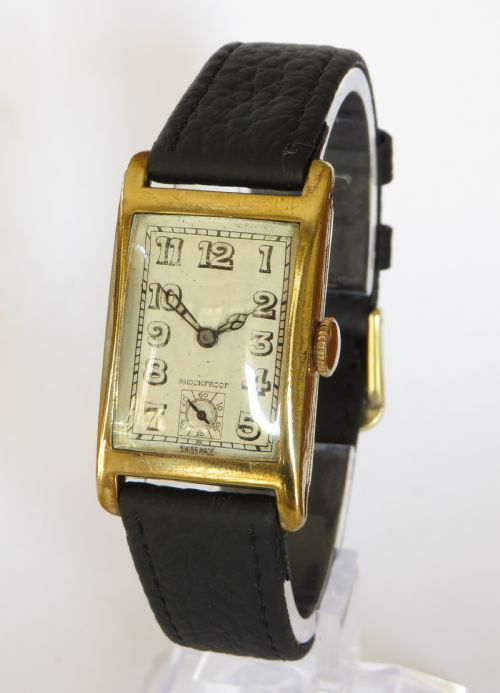
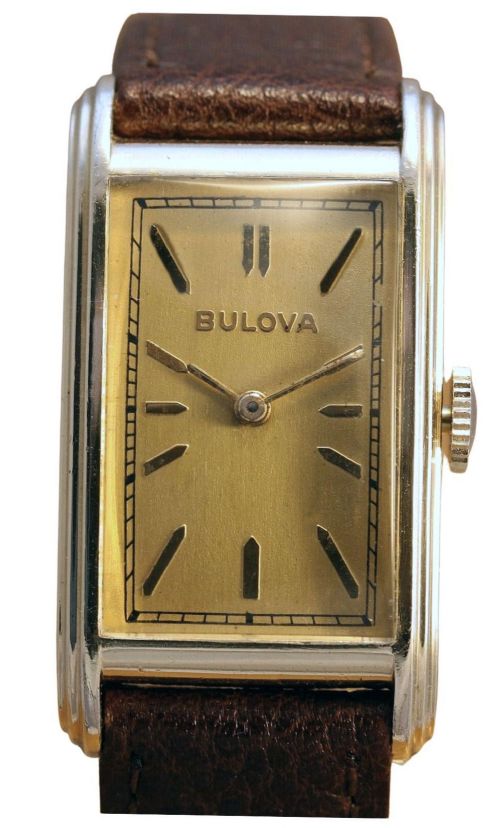
A vintage tank watch is a rectangular or square timepiece originating primarily from the 1930s through to the 1950s. These watches draw on Art Deco and Mid-Century Modern design principles, favouring clean geometric lines over traditional circular cases.
Most examples found in this selection are gents wristwatches, alongside occasional ladies variants and dress watches. Makers span notable Swiss and American houses, offering mechanical movements housed in metals ranging from rolled gold to solid gold.
Buyers seek out these forms for their distinct architectural silhouette and historical character. They represent an era when wristwatches transitioned from pocket watch conversions to purpose-built wristwear.
Materials and construction
Cases utilise stainless steel, chrome, gold plate, rolled gold, and 9ct gold, often paired with glass crystals. Movements are mechanical, requiring manual winding, and are typically fitted to leather straps.
Construction relies on precise metalworking to achieve sharp angles and curves, such as the curved case seen on curvex models. Dial execution involves applied markers, sub-seconds dials, and distinctive Art Deco typography.
Vintage Tank Watch Retail Price Guide 2026
Typical asking prices for vintage tank watch among the pieces listed under this phrase on Sellingantiques today, from the lower quarter to the upper quarter. They describe what is for sale here now, not the wider market.
Listings feature mechanical wristwatches from the 1930s, 1940s, and 1950s, utilising leather, stainless steel, chrome, and gold.
Distinctions in quality
Quality rests in the material composition of the case, moving from base metal chrome and gold plate up to solid 9ct gold encasing. The pedigree of the maker, from volume manufacturers to esteemed houses like Omega, Zenith, and Longines, also separates tiers.
Preservation of the dial and sharpness of the case geometry dictate desirability. Unpolished edges and original dials command greater attention than heavily restored or worn examples.
The Vintage Tank Watch Glossary
- Tank style
- A watch design featuring a rectangular or square case, originally inspired by military tank treads. This geometry defines the aesthetic of the period.
- Curvex
- A trademarked watch design featuring a curved movement and case that contours to the wrist. This technique allowed for a more ergonomic fit during the 1930s.
- Rolled gold
- A method of bonding a layer of gold to a base metal core using heat and pressure. It provides a durable gold exterior without the cost of solid gold.
- Mechanical wristwatch
- A watch powered by a mainspring that must be wound by hand rather than utilising a battery. These movements rely on a complex arrangement of gears and a balance wheel.
- Gold filled
- A manufacturing process similar to rolled gold where a substantial layer of gold is mechanically bonded to base metal. This ensures longevity of the metallic finish.
Vintage Tank Watch: Frequently Asked Questions
How do I wind a mechanical watch?
Gently rotate the crown clockwise between your thumb and forefinger until you feel gentle resistance. Stop immediately to avoid over-winding and damaging the internal mainspring.
Perform this action at roughly the same time each day if you wear the watch regularly. Keep the watch away from moisture while winding.
Are these watches suitable for daily wear?
These watches can be worn regularly provided they are treated with care. They lack modern water resistance and shock-proofing, so remove them before strenuous tasks.
Pairing them with a leather strap keeps them comfortable for office or formal attire. Regular servicing by a watchmaker ensures reliable timekeeping.
How can I tell a 1930s watch from a 1950s watch?
Examine the dial typography, case geometry, and lug design. Pieces from the 1930s frequently display strong Art Deco styling with stepped cases and stylized numerals.
By the 1950s, designs shifted towards cleaner mid-century aesthetics with simpler dials and rounder profiles. Hallmarks and movement serial numbers also help narrow down the production decade.
What is a sub-seconds dial?
A sub-seconds dial is a smaller auxiliary circle positioned at the bottom of the main dial, usually centered above the six o'clock mark. It houses a dedicated hand that tracks the seconds independently.
This layout is common in mechanical wristwatches from the 1930s and 1940s. It allows the main centre hands to focus solely on hours and minutes.