

1950s Gold Watch
A 1950s gold watch delivers mid-century horology with distinct elegance, offering wearable history through dependable mechanical movements and precious metal cases.
1950s Gold Watch
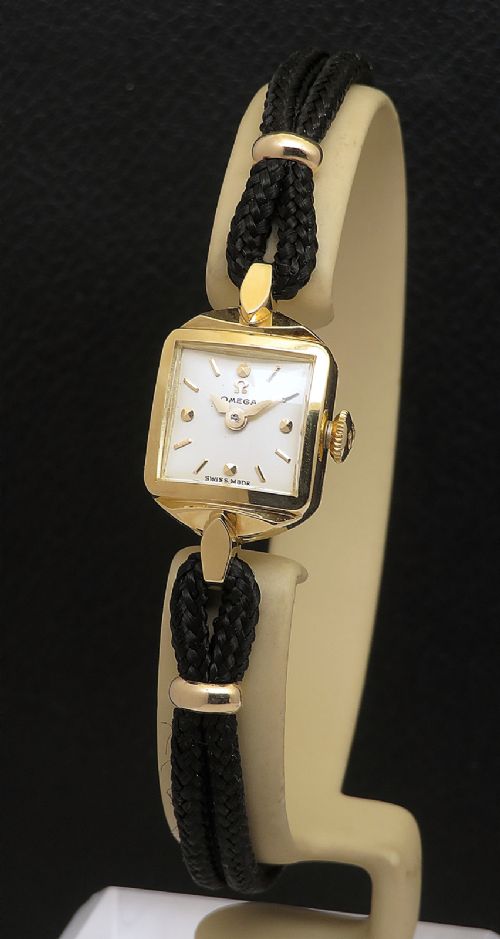
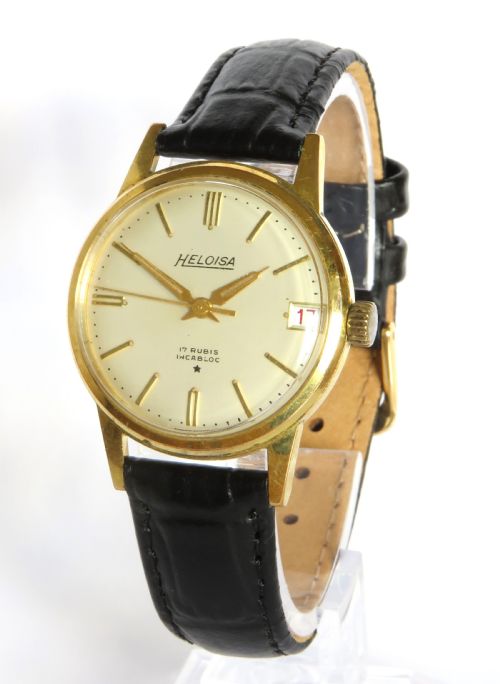
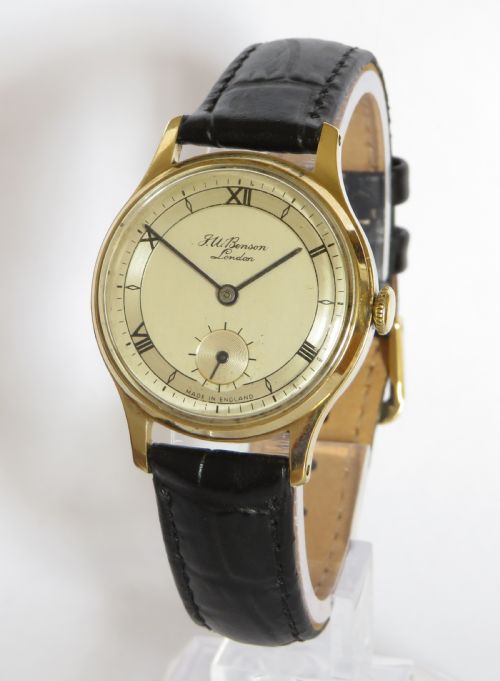
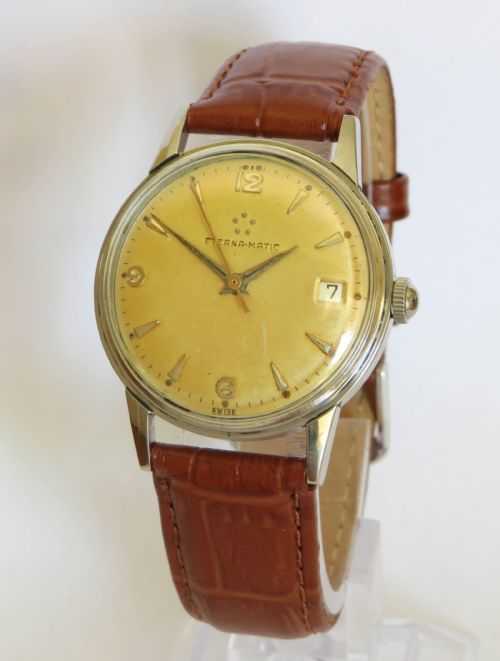
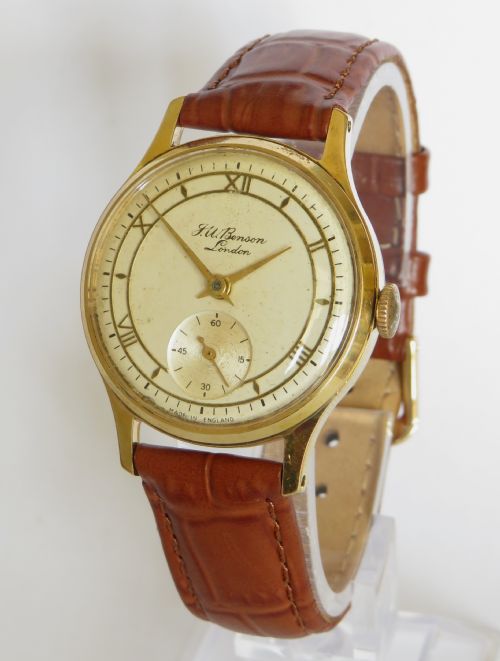
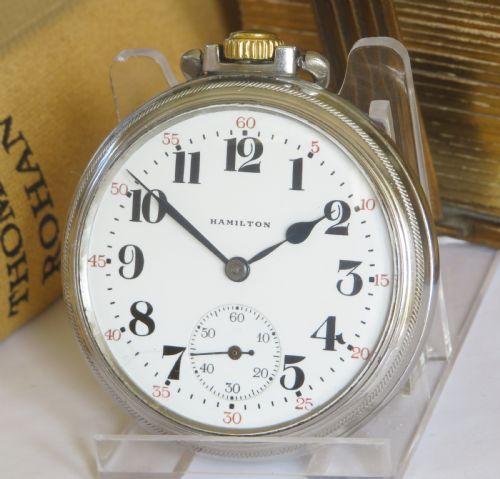
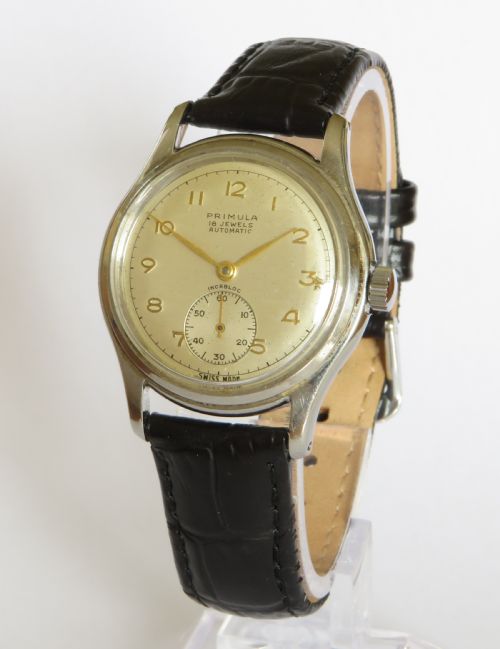
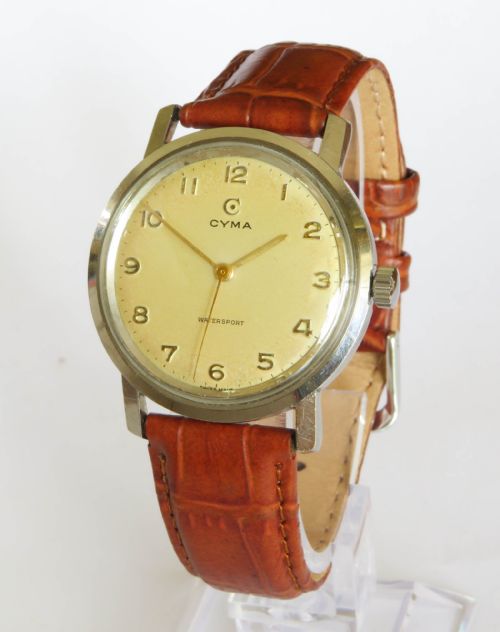
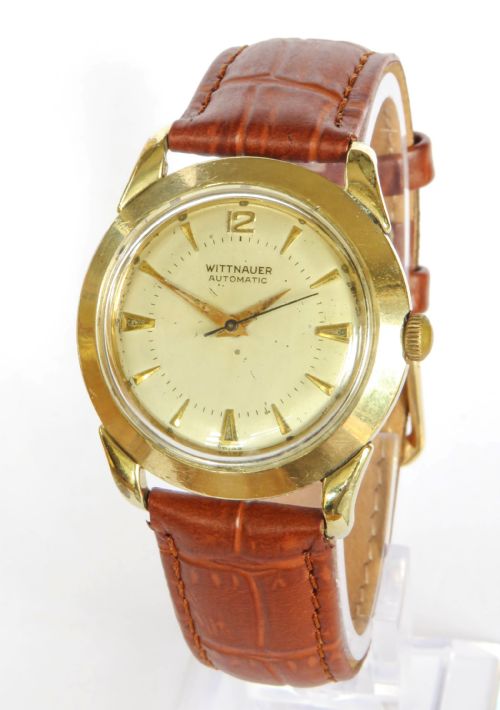
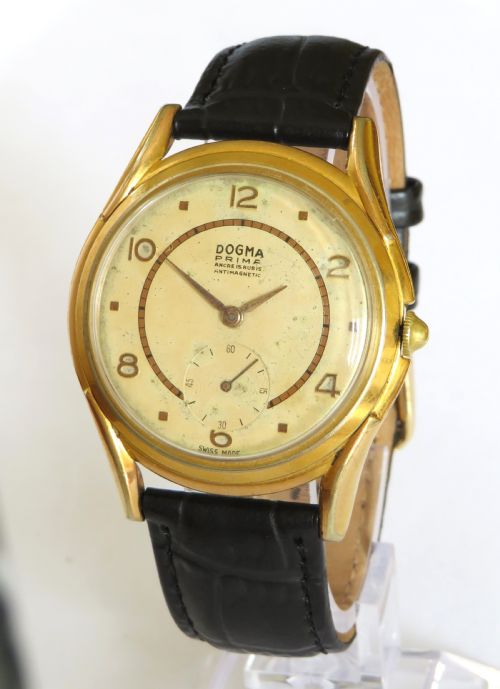
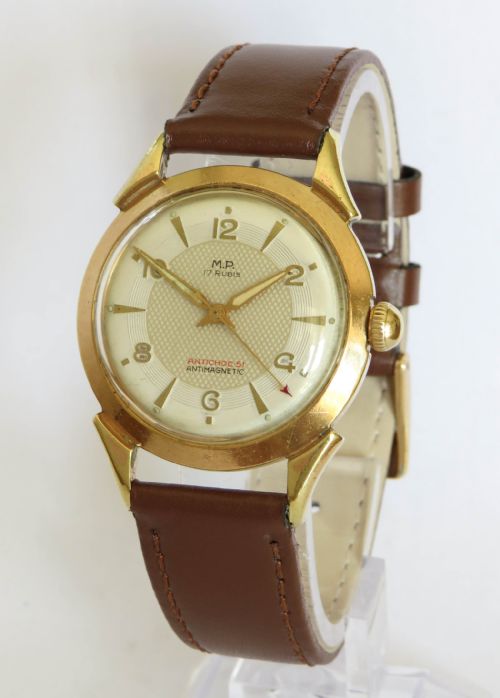
A 1950s gold watch encompasses gents dress watches, ladies cocktail pieces, and occasional pocket watches originating from the 1940s to 1960 period. These items reflect mid-century design movements, ranging from minimalist British manufacture to intricate Swiss chronographs.
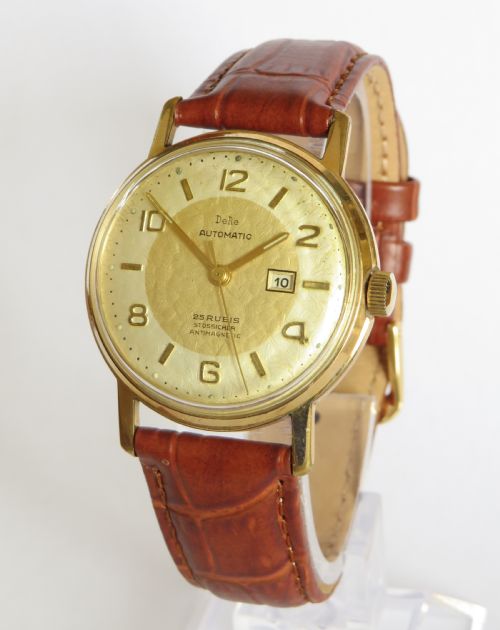
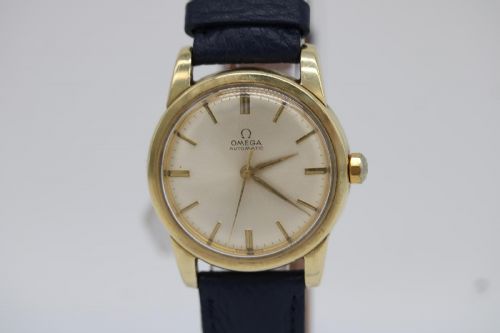
Buyers encounter wristwatches predominantly on this page, housed in yellow, white, or rose gold cases. The selections include automatic and manual wind mechanisms from prominent Swiss and British workshops.
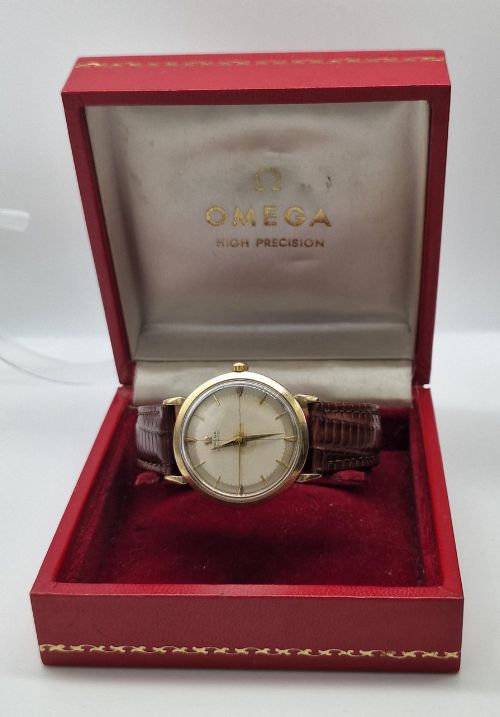
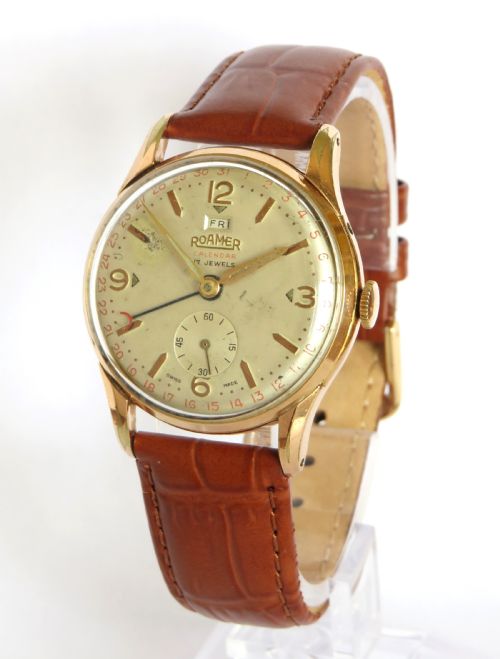
Form factors vary from slim dress variations with Arabic numerals to robust calendar and chronograph designs. Original boxes and travel cases frequently accompany these timepieces.
How They Were Made
Construction relies upon solid precious metals, including 9ct, 14ct, and 18ct gold, alongside gold-plated and gold-filled alternatives over base metals. Dials utilise glass or acrylic crystals to protect the face, paired with leather or fabric straps.
Movements incorporate mechanical engineering such as manual wind and bumper automatic calibres, often featuring ruby jewel bearings to reduce friction in the gear train. Casework displays stamped or cast metalwork characteristic of mid-century horological production.
Some travellers tucked a Swiss fob watch inside a leather purse case, transforming a pocket timepiece into a portable desk accessory.
What Varies in Quality
The standard of a 1950s gold watch depends upon the weight and purity of the gold used in the case construction, distinguishing solid 18ct or 9ct pieces from gold-plated alternatives. Movement complexity also dictates the tier, separating standard three-hand manual wind mechanisms from complicated chronographs and triple date calendars.
Maker reputation heavily influences standing, with established houses commanding greater regard than lesser-known assemblers. Furthermore, the preservation of original dials, hands, and accompanying boxes elevates an example above modified or heavily restored counterparts.
Omega·Smiths·Longines·Jaeger LeCoultre·Baume et Mercier·Rolex·Eterna Matic·Wittnauer·Movado·Girard Perregaux·Breitling·Bulova·Vertex Revue·Tudor
The 1950s Gold Watch Glossary
- Calibre
- The specific internal mechanical movement design created by a watch manufacturer. This identification number helps historians date and verify the origin of the mechanism.
- Chronograph
- A timepiece equipped with a stopwatch function alongside the standard time-displaying hands. These complications often feature additional sub-dials on the face.
- Bumper automatic
- An early self-winding mechanical movement where the rotor swings through a limited arc rather than a full circle, creating a noticeable tap against internal springs.
- Gold-filled
- A manufacturing technique bonding a thick layer of solid gold to a base metal core under heat and pressure. This layer provides greater durability than standard plating.
- Cocktail watch
- A small decorative ladies timepiece designed primarily for evening wear, frequently incorporating gemstones such as diamonds set into the bezel or bracelet.
1950s Gold Watch: Frequently Asked Questions
How do I wind a manual watch?
Turn the crown clockwise between your thumb and forefinger until gentle resistance indicates the mainspring is fully tensioned.
Avoid forcing the crown past this point to prevent damage to the internal spring mechanism.
Can I wear my vintage watch daily?
These timepieces suit regular wear provided you account for their age and mechanical nature. Avoid exposing them to modern hazards like heavy impacts or water immersion.
Most vintage pieces lack contemporary waterproofing seals, meaning owners should keep them away from moisture and swimming environments.
What is a bumper movement?
A bumper movement represents an early form of automatic winding where an oscillating weight swings back and forth across a limited arc rather than spinning completely around.
Wearers feel a distinct gentle tap against internal bumpers on the wrist as the weight moves to tension the mainspring.
How do I tell gold filled from solid gold?
Examine the interior case back for hallmark stamps indicating gold purity such as 9ct, 14ct, or 18ct, which denote solid precious metal construction.
Gold-filled pieces typically bear stamps indicating plating thickness or proprietary manufacturer markings rather than official precious metal assays.