
Mechanical Wrist Watch
These mechanical wrist watch pieces bring together decades of horological engineering, offering a tangible link to mid-century design.
What mechanical wrist watch pieces are
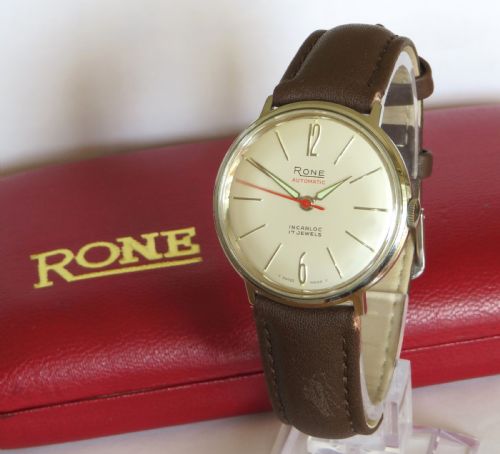
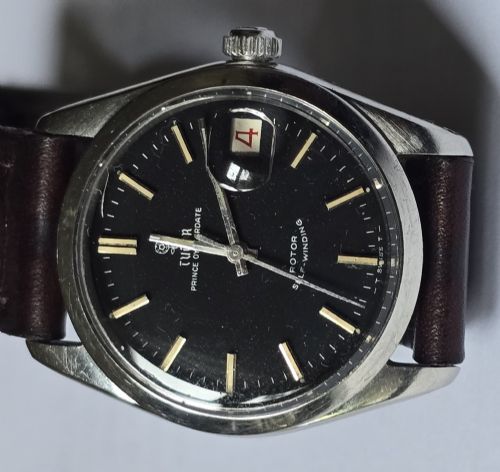
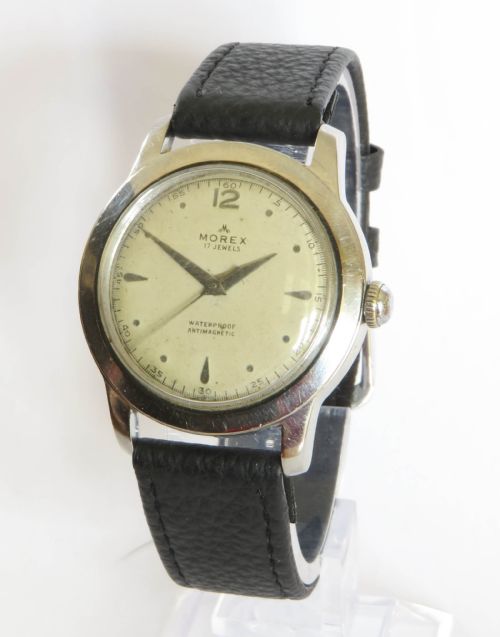
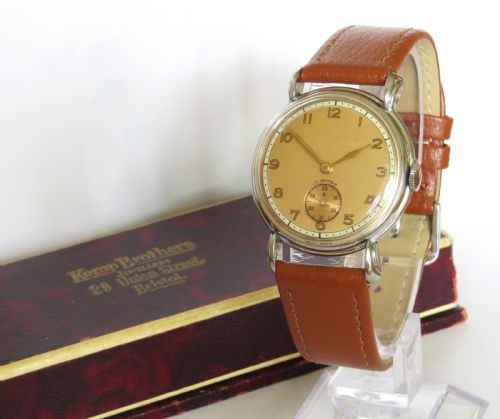
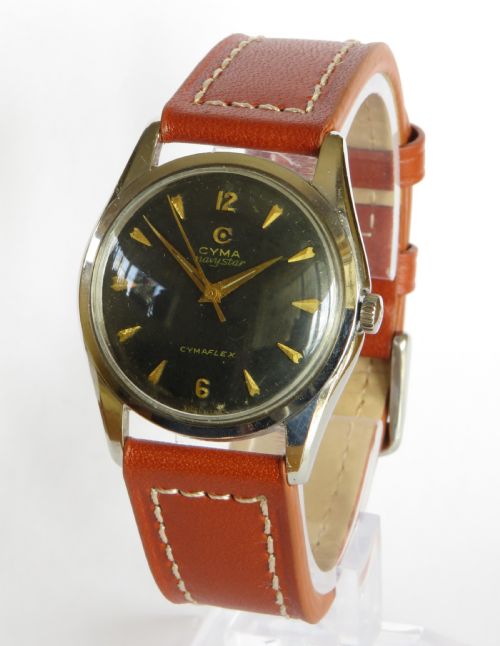
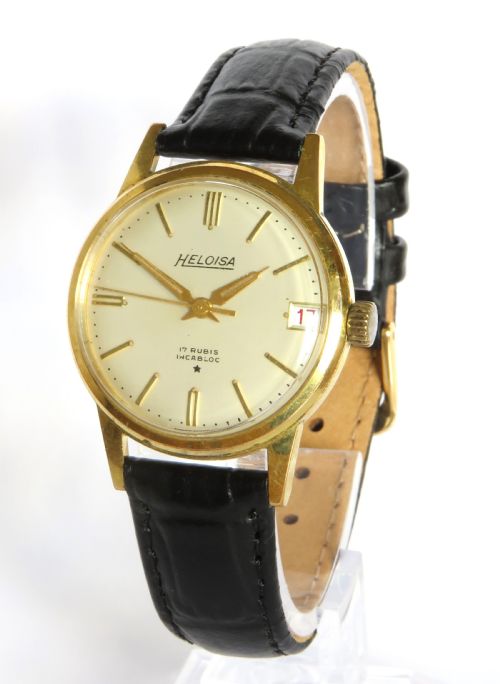
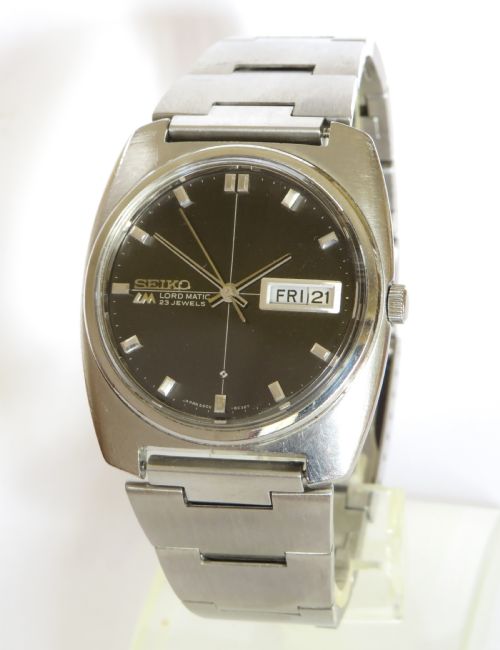
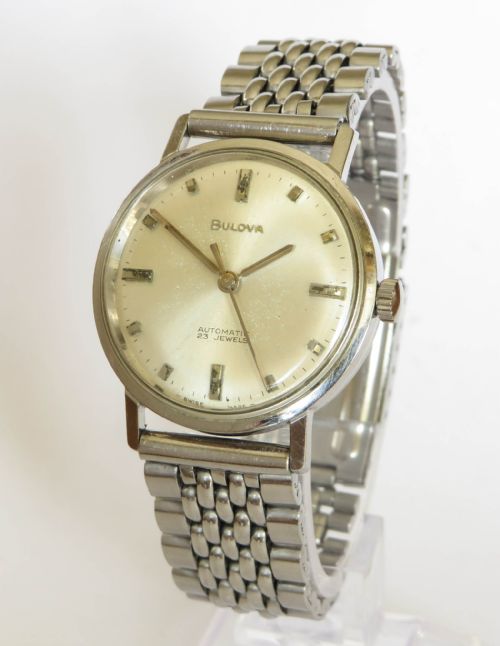
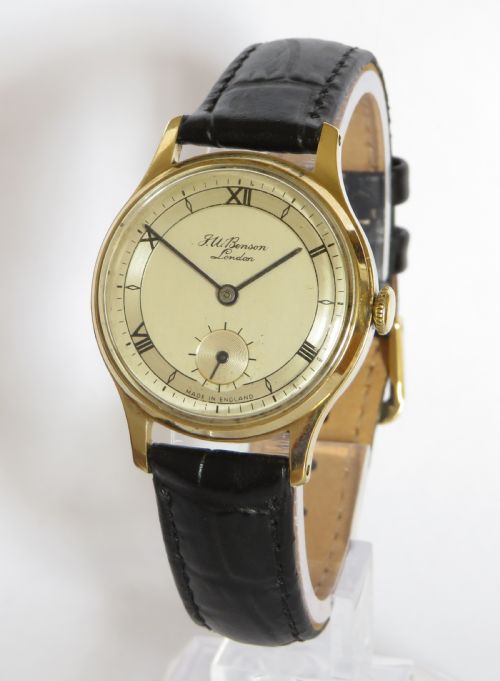
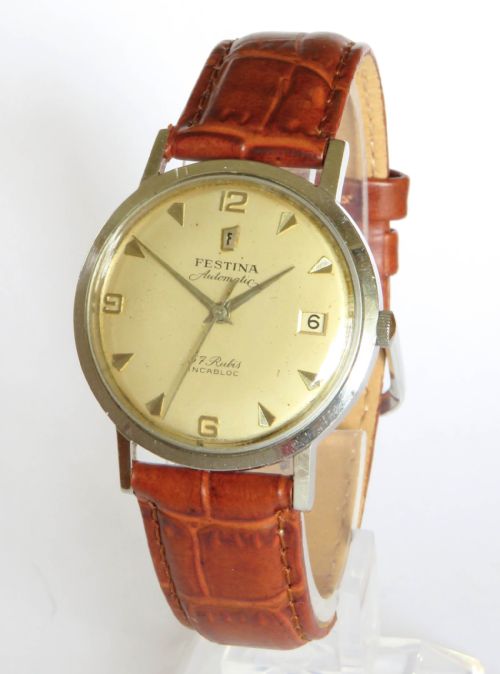
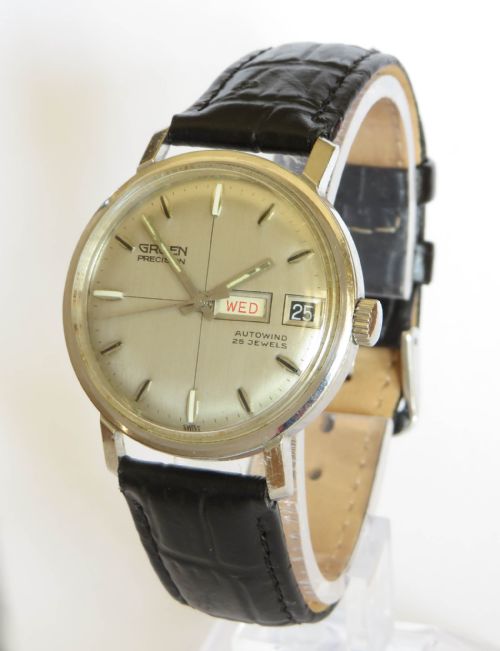
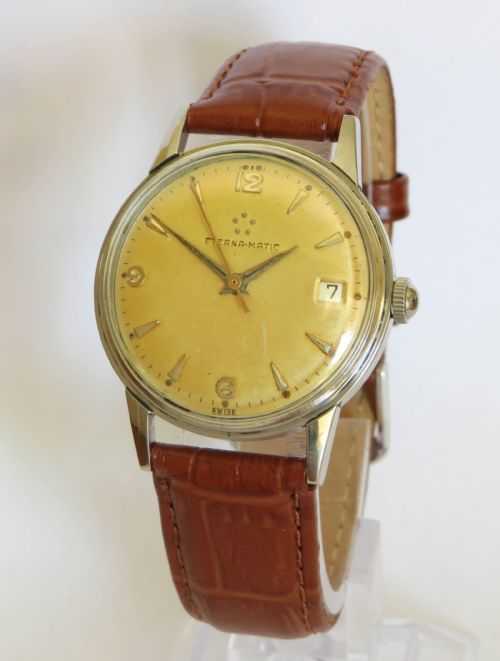
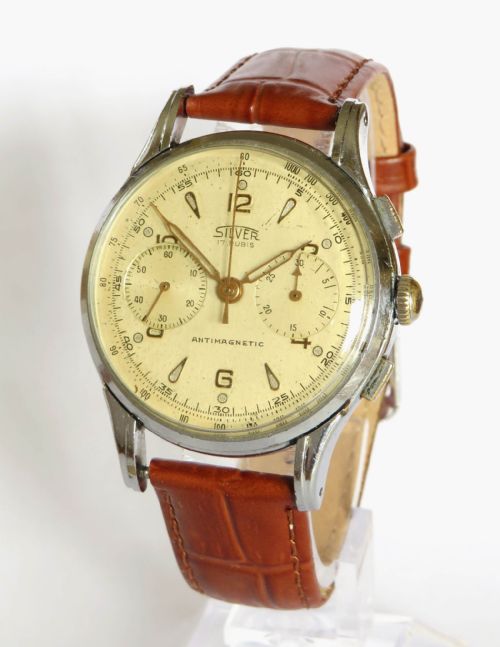
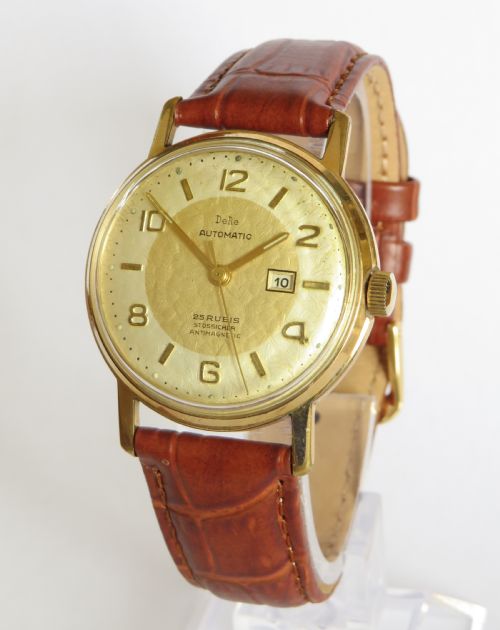
A mechanical wrist watch is a personal timekeeper driven by a spring-powered movement rather than a battery. This selection spans the 1930s to the 1960s, capturing the transition from early wrist-worn timepieces to iconic mid-century designs.
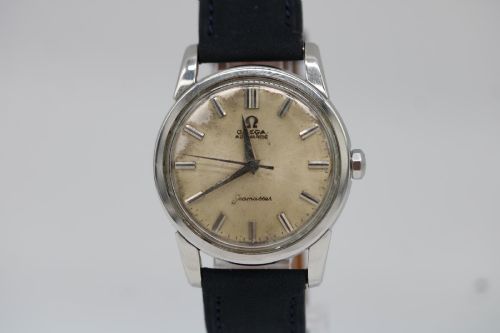
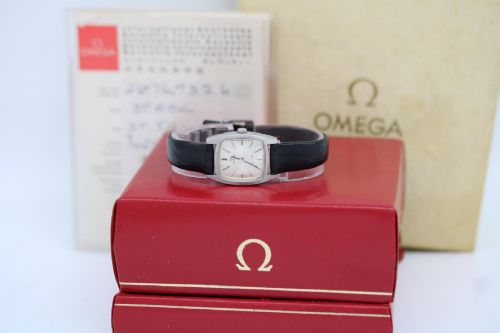
Buyers will encounter various forms across this page, ranging from standard wristwatches to automatic and manual wind configurations. Makers and retailers such as Smiths for J W Benson, Omega, Prefect, Bulova, and Hamilton are represented in the record.
How they were made
These timepieces utilise metal cases fashioned from stainless steel, gold plate, silver, and solid 14-karat white gold. Dials are protected by glass and acrylic covers.
The casing houses complex internal mechanisms, including 22-jewel manual mechanical movements and automatic winding systems. Straps are predominantly constructed from leather to secure the watch to the wrist.
Retail Price Guide 2026
Typical UK retail prices for mechanical wrist watch, calculated from the Sellingantiques database of over a million retail prices indexed since 2003. This retail price guide relies exclusively on Sellingantiques data; no external sources or auction records are used, so the figures do not describe the wider market.
Internal configurations range from standard manual movements up to complex twenty-two jewel mechanisms.
What varies in quality
Distinction across the range lies in the complexity and provenance of the movement, separating standard utility pieces from higher-tier jewelled mechanisms. Precious metal cases like solid gold also elevate a piece above standard plated or steel housings.
The integrity of the dial, hands, and crystal relative to their period of origin dictates the overall character of the watch. Subtle variations in case finishing and brand heritage shape the standing of each individual example.
Smiths·J W Benson·Omega·Prefect·Bulova·Hamilton
The Mechanical Wrist Watch Glossary
- Automatic
- A self-winding mechanical watch movement that uses the natural motion of the wearer's arm to power the mainspring. This system removes the need for daily manual winding.
- Manual mechanical
- A timepiece movement wound by hand via the crown to tension the mainspring. It represents traditional horological construction found in earlier periods.
- Gold plate
- A base metal layer covered with a thin coating of gold. This technique offered a precious metal appearance at a more accessible cost.
- Acrylic
- A transparent synthetic material utilised for watch crystals before the widespread adoption of synthetic sapphire. It provides a distinct curved profile typical of vintage pieces.
Frequently Asked Questions
What is a mechanical wrist watch?
A mechanical wrist watch is a portable timekeeper powered by a wound mainspring and gear train rather than electronic batteries. These pieces rely entirely on physical mechanics to track hours and minutes.
Examples from the 1930s through to the 1960s showcase varied case materials like stainless steel, silver, and gold plate alongside leather straps.
How do I wind a manual watch?
To wind a manual mechanical watch, turn the crown clockwise between your thumb and forefinger until you feel gentle resistance. Do not force the crown once it stops, as this can damage the mainspring.
Most vintage pieces require daily winding to maintain accurate timekeeping throughout use.
What is the difference between manual and automatic?
A manual mechanical watch requires hand-winding via the crown to store energy in the mainspring. An automatic watch contains a weighted rotor that winds the mainspring automatically using the natural movement of the wrist.
Both systems operate without batteries, relying purely on mechanical gears and springs.
How do I care for a vintage watch?
Protect vintage timepieces from moisture, extreme temperature changes, and strong magnetic fields to preserve the internal mechanism. Regular servicing by a professional horologist keeps the gears and jewels functioning correctly.
Leather straps should be kept dry and conditioned periodically to prevent cracking.
How are periods identified?
Periods are identified through stylistic cues such as Art Deco geometric lines or Mid-Century Modern minimalism. Movement design, dial typography, and case construction also help assign pieces to specific decades like the 1930s, 1950s, or 1960s.
Maker signatures and hallmarks further clarify the date of production.