

Vintage Gents Wristwatch
A vintage gents wristwatch carries decades of personal history on the wrist, offering reliable mechanical timekeeping from the early twentieth century through the nineteen-seventies.
Vintage Gents Wristwatch
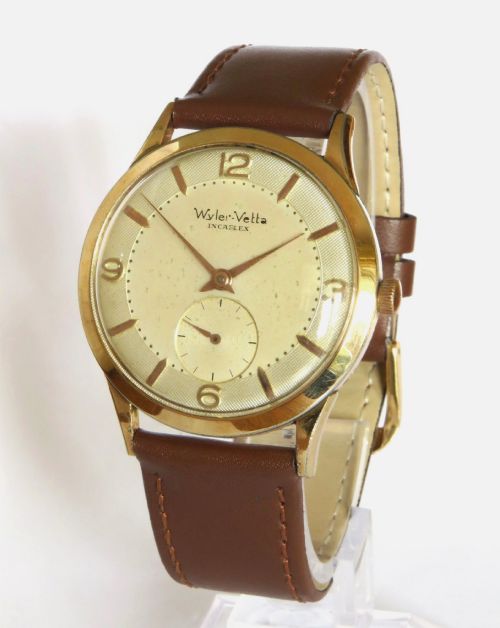
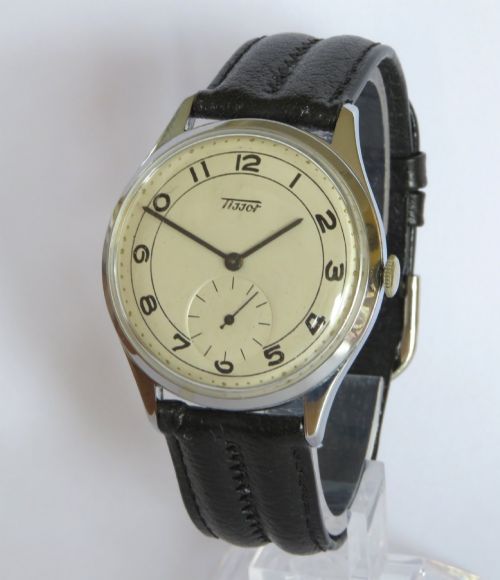
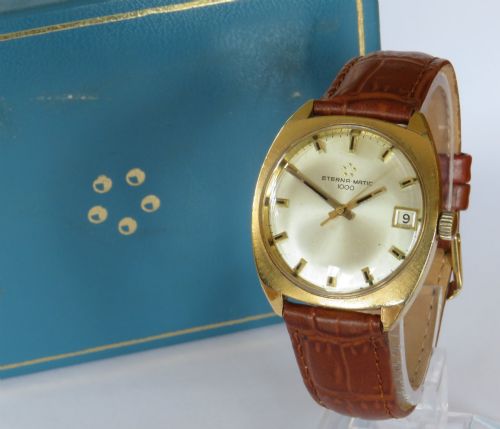
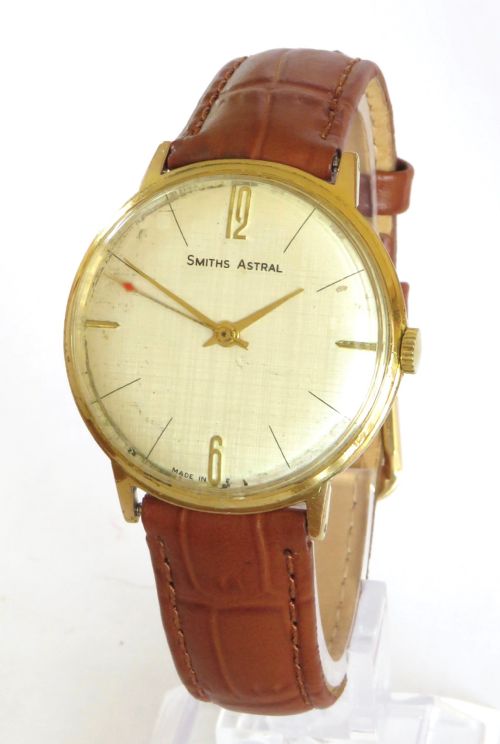
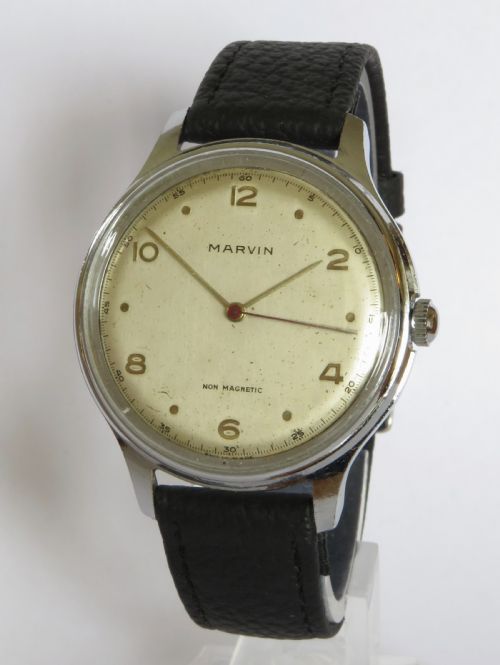
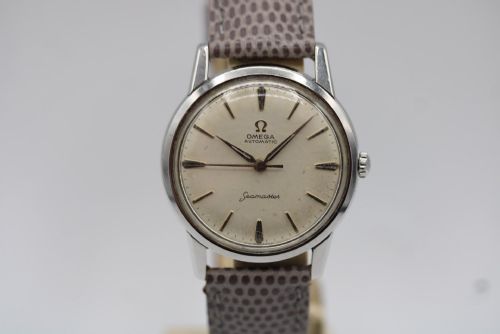
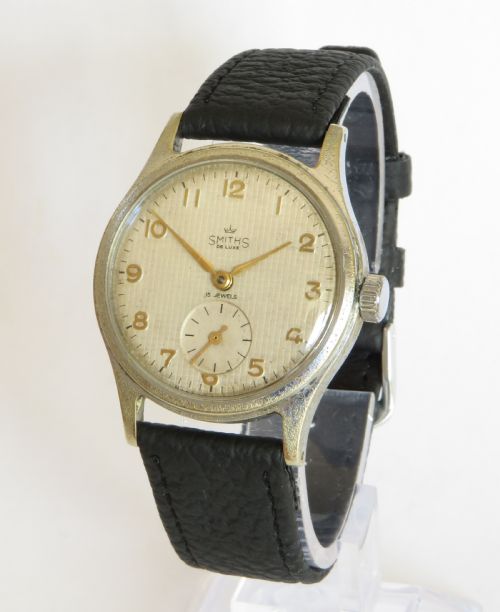
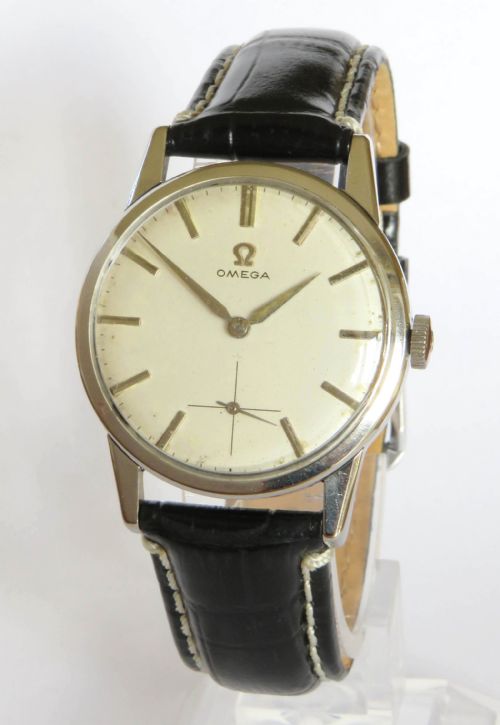
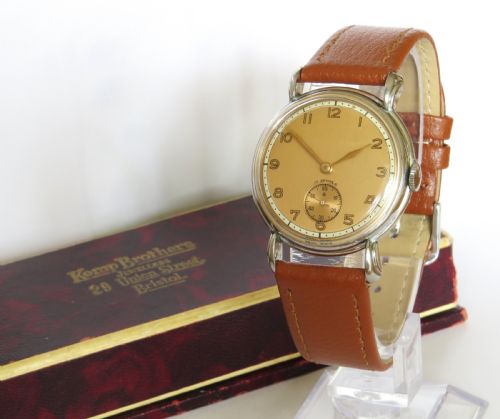
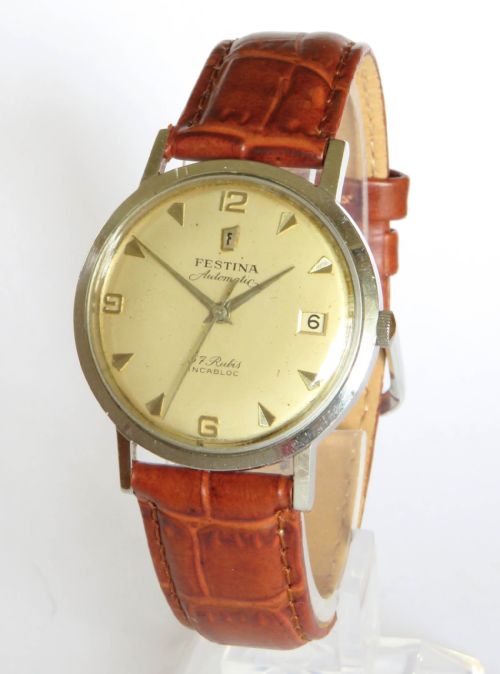
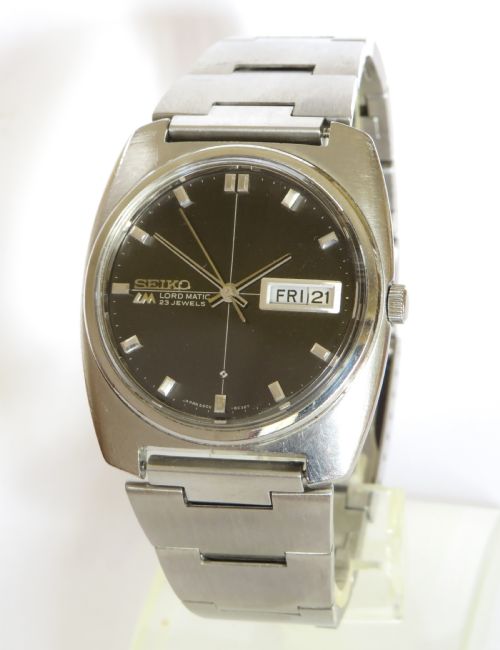
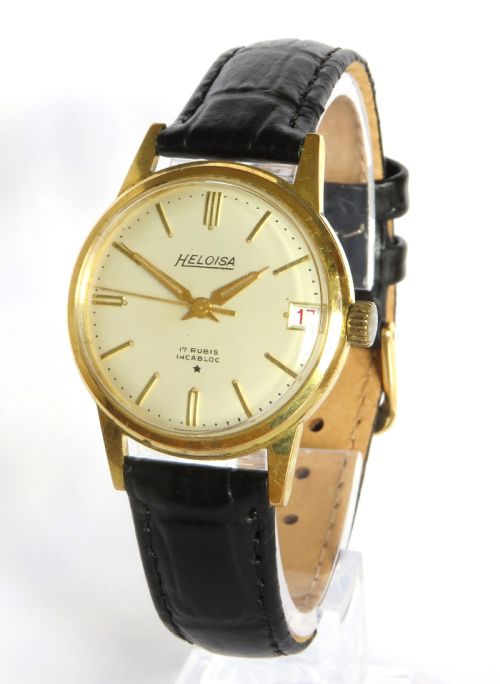
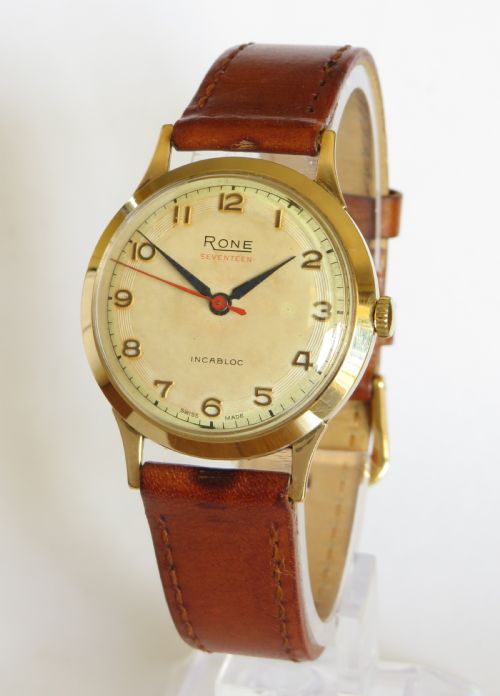
When someone searches for a vintage gents wristwatch, they encounter mechanical timepieces spanning several decades of twentieth-century design. The selection includes military pieces from the First World War and Second World War alongside civilian dress and sports models.
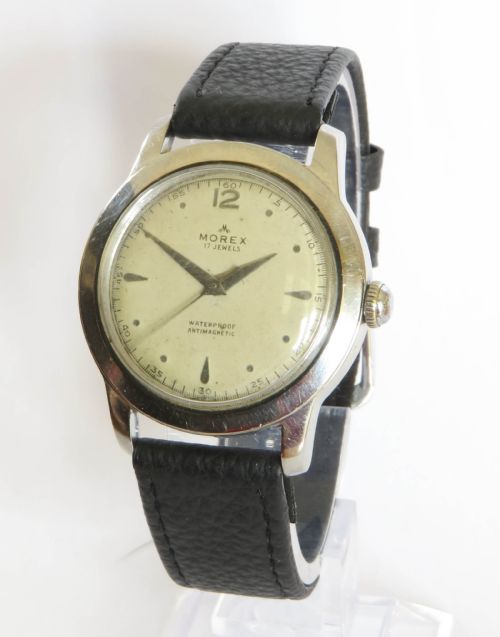
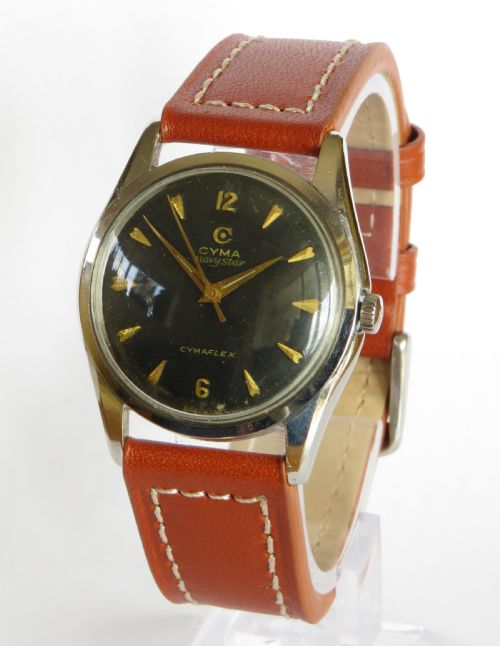
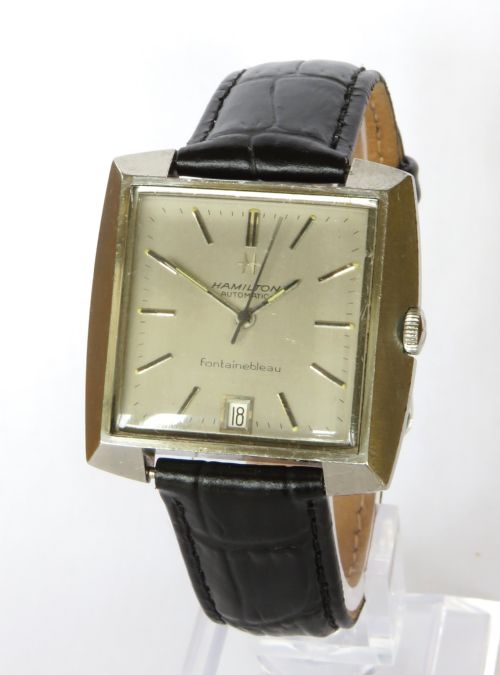
Mid-century examples dominate the offerings, particularly pieces from the nineteen-fifties and nineteen-sixties by Swiss and British makers. These range from simple three-hand dress watches to complex chronographs and automatic calendar models.
Cased materials vary from solid gold and gold plate down to stainless steel, chrome, and silver. Styles stretch from austere Art Deco shapes to robust Mid-Century Modern and nineteen-seventies retro aesthetics.
How they were made
Makers housed mechanical movements inside cases forged from stainless steel, silver, chrome, or gold plate, protecting them with glass or acrylic crystals. Dials frequently incorporated enamel work or applied metallic markers, paired with leather straps.
Movements relied on hand-wound mechanical power or early automatic winding rotors. Specialist military variations often included extra protective elements such as shrapnel guards or hermetic seals.
Vintage Gents Wristwatch Retail Price Guide 2026
Typical asking prices for vintage gents wristwatch among the pieces listed under this phrase on Sellingantiques today, from the lower quarter to the upper quarter. They describe what is for sale here now, not the wider market.
Listings span periods from the nineteen-tens through the nineteen-seventies, utilising leather, gold plate, stainless steel, and acrylic.
What varies in quality
Distinction in quality rests upon the sophistication of the movement and the preciousness of the case material. Solid gold housings and chronograph complications sit at the upper end of the scale.
Execution of the dial typography and the integrity of the case finishing separate standard commercial production from higher-grade workshop output.
Montilier·Cyma·Hamilton·Omega·Heloisa·Rone·Seiko·Smiths·J W Benson·Festina·Antoremi·DeRe·Roamer·Hahn Landeron·Avia·Marvin Hermetic·Tissot·Gloriosa·Wittnauer·Dogma Prima·Longines·Bulova·Kered·Certina·Rotary
The Vintage Gents Wristwatch Glossary
- Chronograph
- A watch with a stopwatch function alongside its standard timekeeping display. These complications required intricate internal gearing.
- Automatic
- A mechanical movement that winds itself using the natural motion of the wearer's arm via an internal oscillating weight. This mechanism became widespread by the mid-twentieth century.
- Hermetic
- A case construction designed to keep out dust and moisture through tight sealing methods. These were common in early robust and military watches.
- Acrylic
- A lightweight plastic material utilised for watch crystals before synthetic sapphire and hardened mineral glass became standard. It can be polished to remove surface scuffs.
- Shrapnel guard
- A protective metal grille fitted over the watch glass to prevent breakage during combat. These are typically found on First World War military pieces.
Vintage Gents Wristwatch: Frequently Asked Questions
How do I wind a manual vintage watch?
Turn the crown gently between your thumb and forefinger in a clockwise direction until you feel slight resistance. Stop immediately when resistance increases to avoid over-winding the mainspring.
Most hand-wound movements require a daily wind to keep accurate time throughout a twenty-four-hour cycle. Establish a routine, such as winding the piece each morning before putting it on.
Can I wear my vintage watch every day?
Daily wear is possible for many pieces, provided you respect their age and construction. Avoid wearing mechanical watches during vigorous physical activities or manual labour.
Water resistance on older models is rarely reliable by modern standards. Keep the watch away from swimming pools, showers, and heavy rain unless a professional watchmaker has verified the seals.
What is a bumper automatic movement?
A bumper automatic uses an oscillating weight that swings back and forth across a limited arc rather than spinning in a full circle. You can often feel a gentle tap or bump on your wrist as the weight hits the internal springs.
This technology represents an early stage of self-winding development seen in watches from the nineteen-fifties. It requires careful handling compared to later full-rotor automatic movements.
How do I clean a leather watch strap?
Remove the strap from the watch case before cleaning to prevent moisture damage to the movement. Wipe the leather gently with a soft cloth slightly dampened with mild saddle soap.
Allow the strap to dry naturally away from direct sunlight or artificial heat sources. Conditioning can be applied sparingly once dry to keep the material supple.