
Antique Omega Watch
An antique Omega watch brings precision Swiss engineering to the wrist or pocket, offering enduring mechanical character for daily wear.
Antique Omega Watch
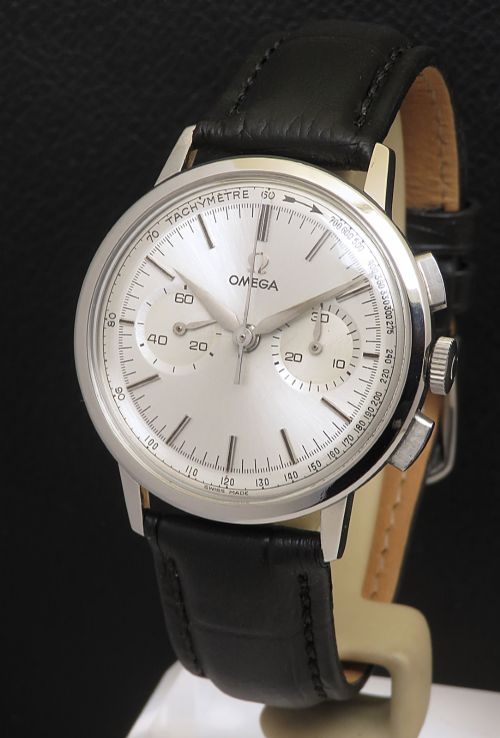
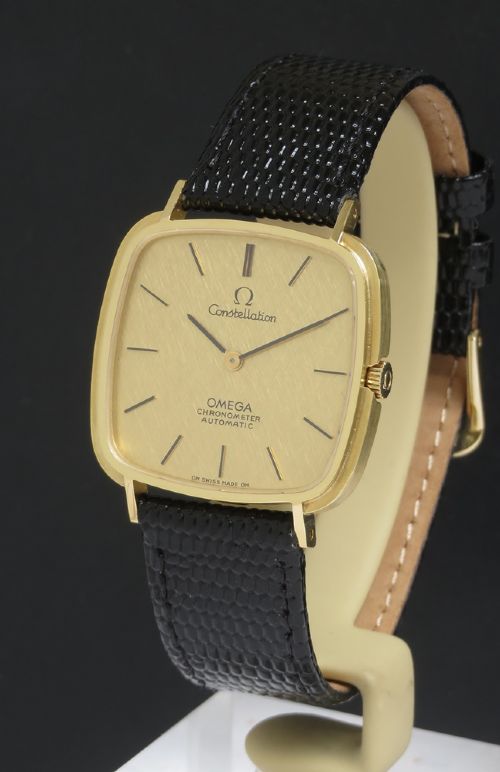
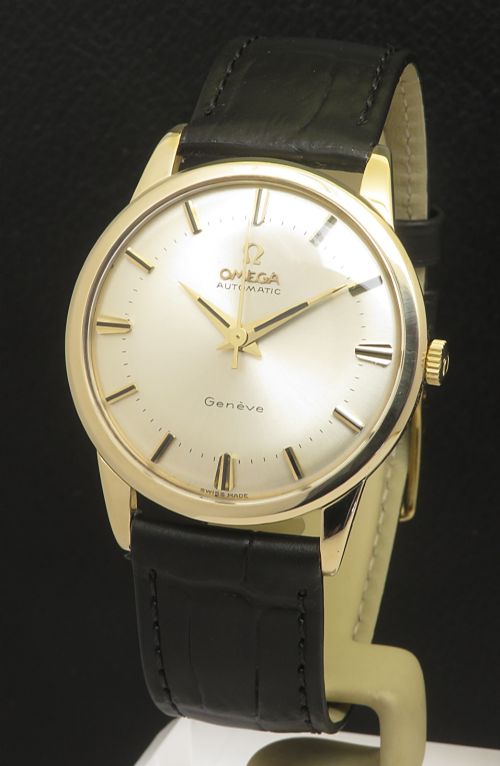
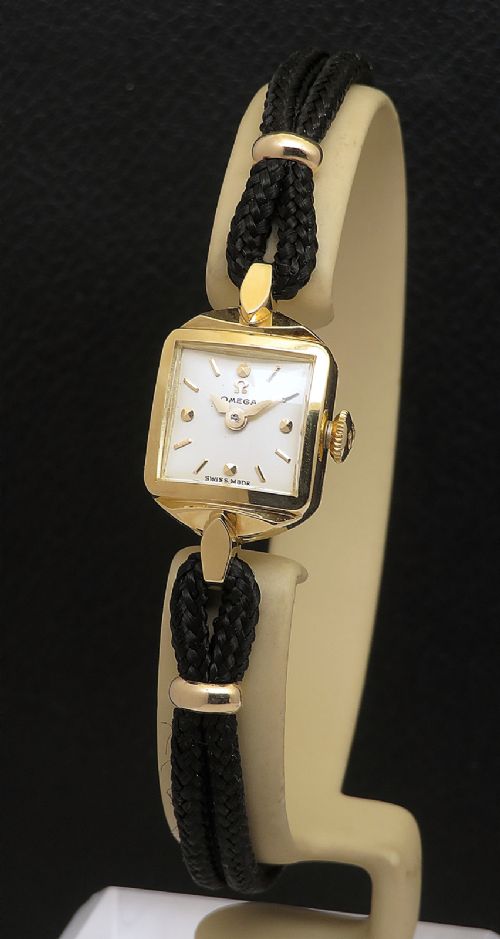
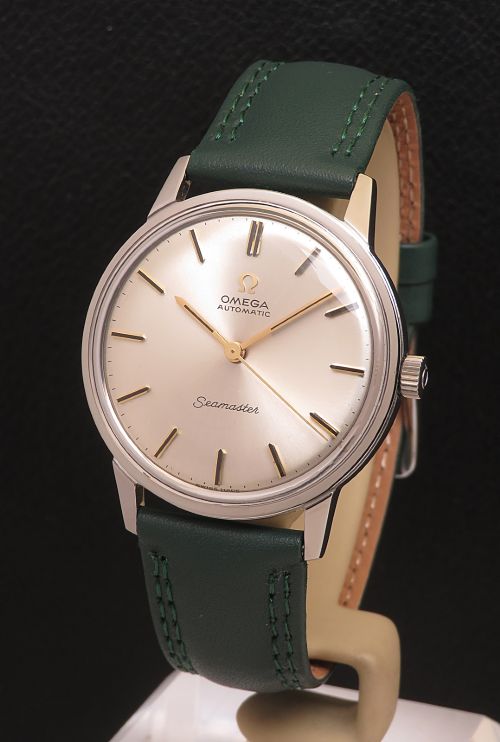
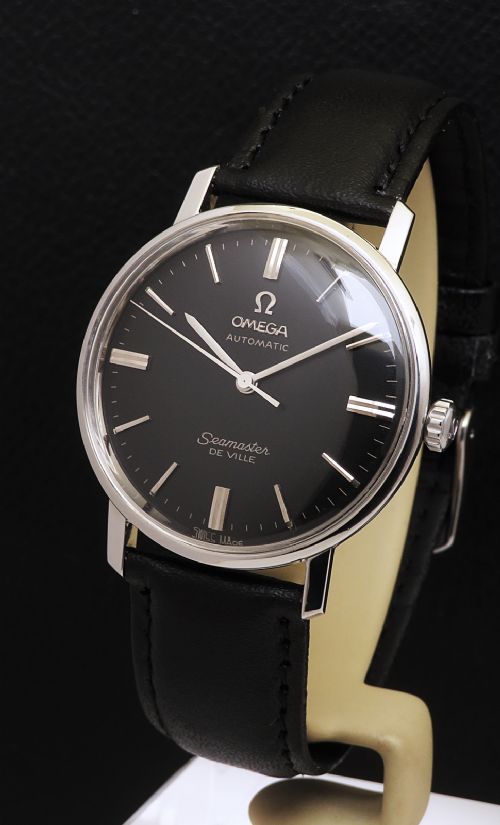
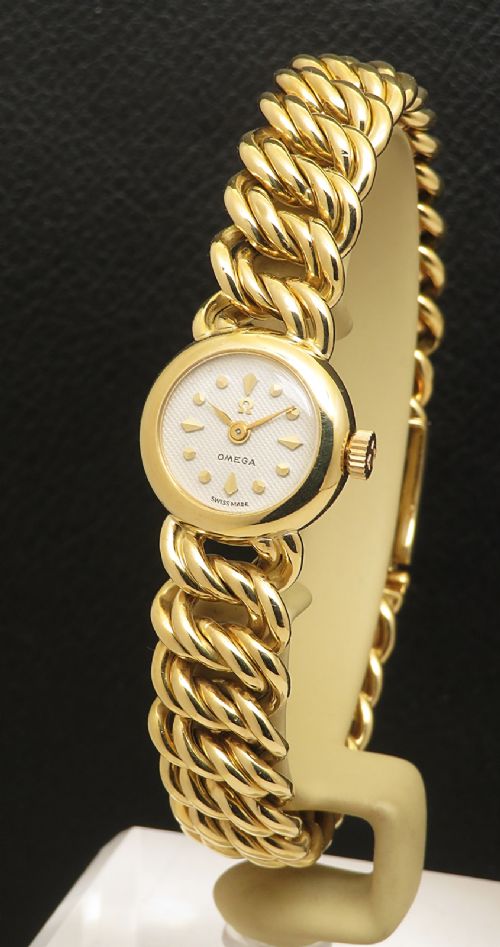
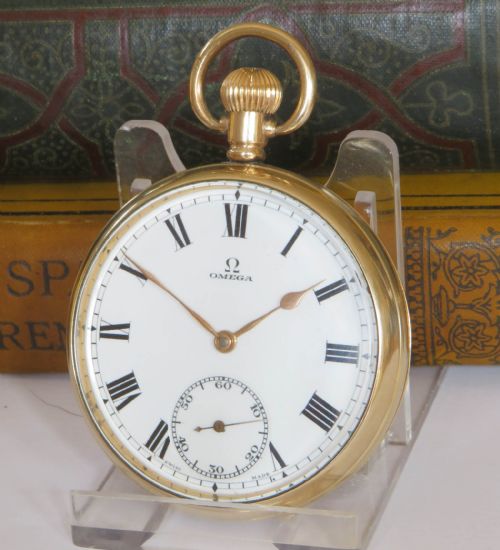
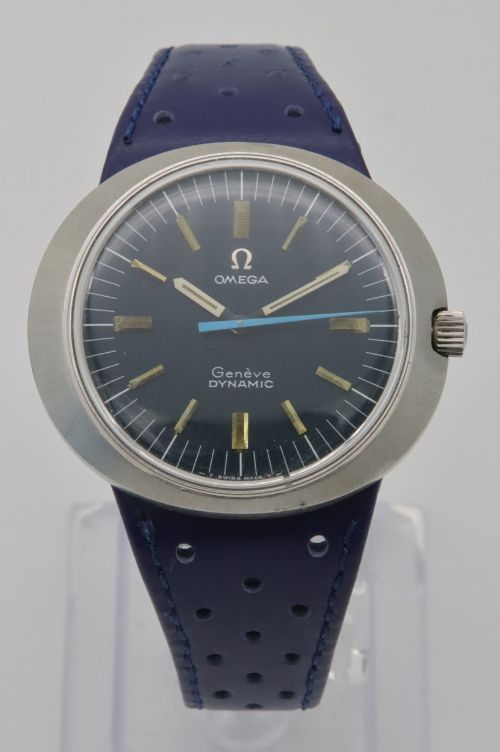
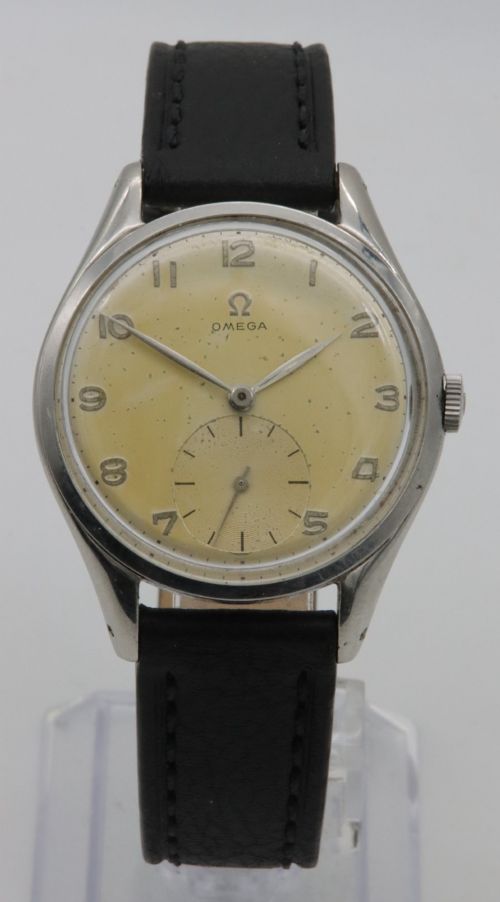
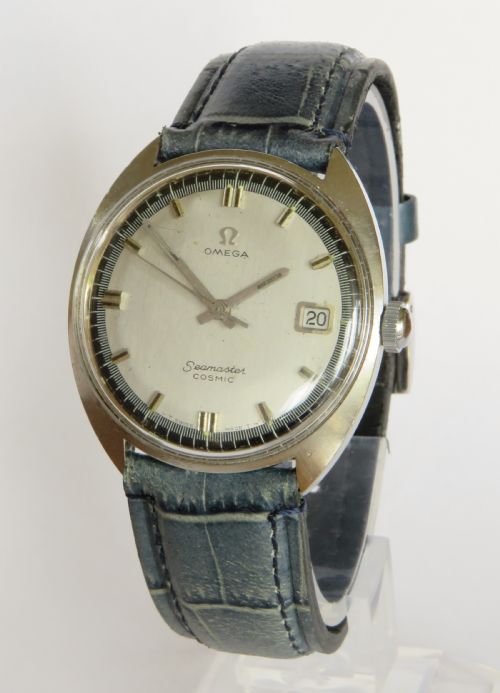
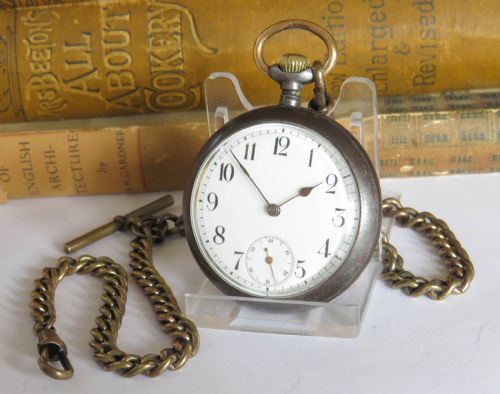
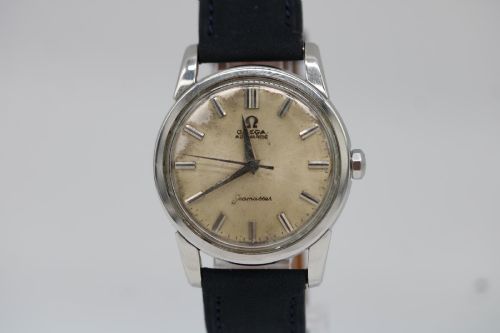
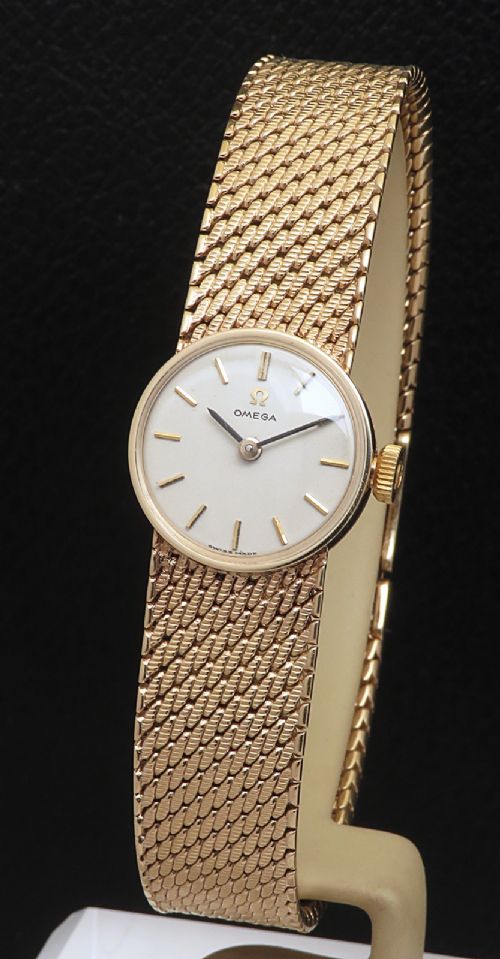
An antique Omega watch spans robust pocket watches from the Edwardian period and wristwatches from the mid-century. Pocket formats range from standard open-face designs to full hunter and half hunter pieces, often paired with matching silver chains.
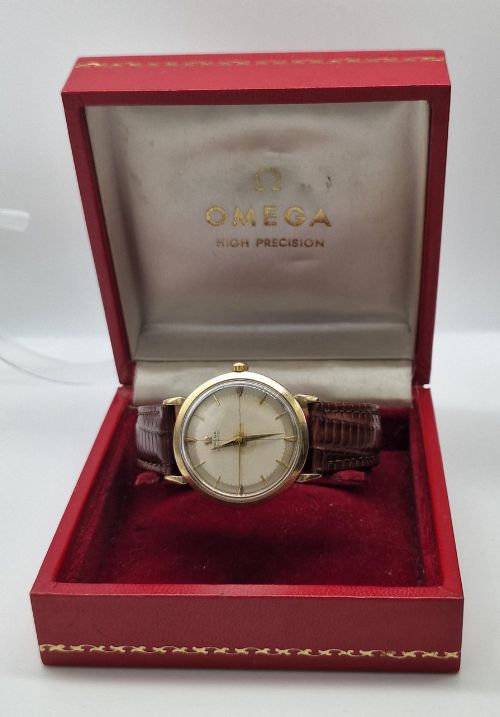
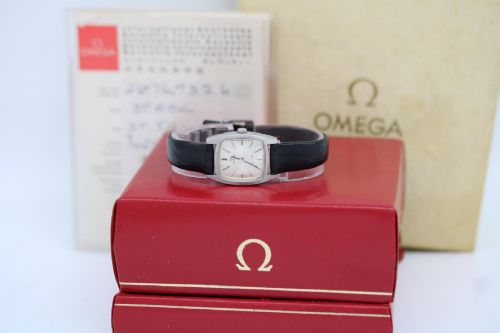
Edwardian examples frequently feature sterling silver cases and clean white enamel dials, while later mid-century items introduce stainless steel and leather straps. Buyers encounter both pocket watches and boxed gents wristwatches across these eras.
Materials and construction
Movements rely on intricate mechanical components housed within protective metal casings. Leather straps and metal chains complete the construction, securing the timepiece for pocket or wrist use.
Some pocket watches survived alongside unique football fobs, recalling long-forgotten matches on windswept Edwardian pitches.
Distinctions in quality
The degree of preservation across the dial and case dictates the distinction between standard and superior examples. Crisp enamel dials free from hair cracks and cases with sharp hallmarks indicate higher grade survival.
Complete sets featuring original fitted boxes, matching chains, or specialised hunter cases elevate the standing of a piece. Original mechanical components and unpolished metal surfaces represent the pinnacle of horological integrity.
Omega
The Antique Omega Watch Glossary
- Full hunter
- A pocket watch featuring a spring-loaded metal cover that protects the glass dial. This outer lid opens via a crown-mounted pusher to reveal the time.
- Half hunter
- A pocket watch style with a metal outer case featuring a small glass window or aperture in the centre. This allows the wearer to read the hands without opening the front cover.
- Fob watch
- A small timepiece designed to be attached to a short chain or ribbon. These pieces typically clip to a waistcoat or lapel.
- Gun metal
- An alloy of copper, tin, and zinc used for dark grey watch cases. This material provides a distinct industrial finish popular in early pocket models.
- Enamel dial
- A fused glass powder surface applied to a metal baseplate under high heat. This technique creates a smooth, durable face that resists fading over decades.
Antique Omega Watch: Frequently Asked Questions
How do I wind a vintage pocket watch?
Rotate the crown clockwise between your thumb and forefinger until you feel gentle resistance. Stop immediately to avoid damaging the mainspring.
Most manual wind pieces require this operation daily to maintain accurate timekeeping throughout use.
Are these watches suitable for daily wear?
Pocket watches and mid-century wristwatches function reliably for regular use when handled with care. Avoiding moisture and mechanical shock preserves the vintage movement.
Routine servicing by a qualified horologist keeps internal gears functioning smoothly over time.
What is the difference between an open face and a hunter watch?
An open face watch exposes the glass crystal directly to the elements without a protective front cover. A hunter watch encloses the dial behind a hinged metal lid.
Both styles utilise identical mechanical internal movements despite their exterior differences.
How do I date an early Omega timepiece?
Examine the movement serial numbers and inside case hallmarks for production indicators. Silver purity marks and case maker stamps offer clues to the year of manufacture.
Style elements such as dial typography and hand shapes also help narrow down the production era.