
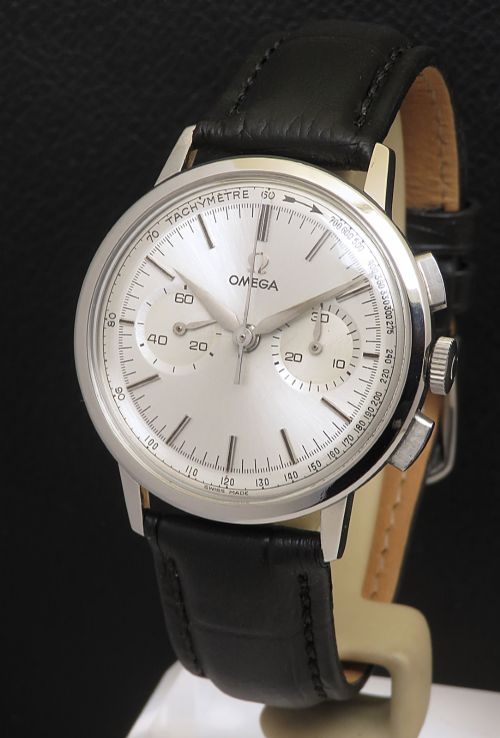
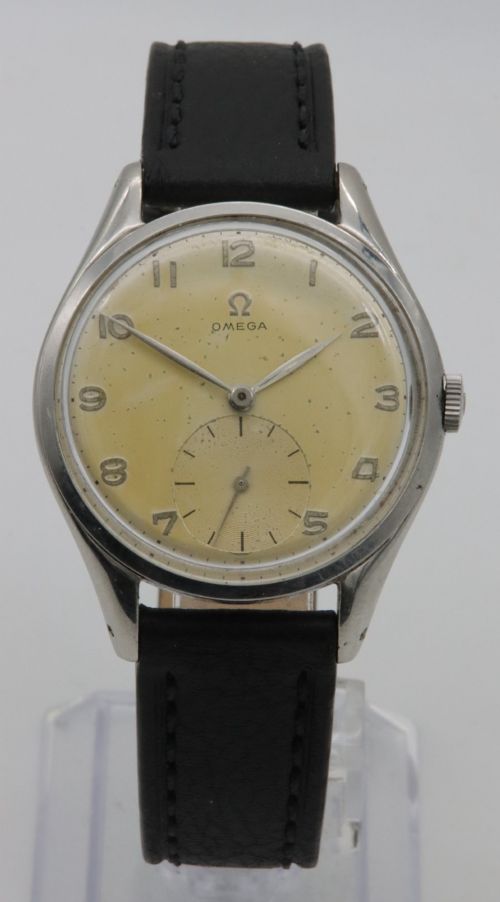
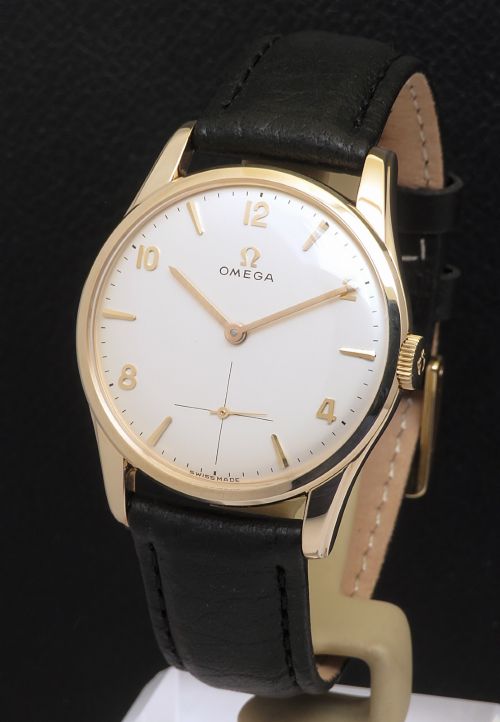
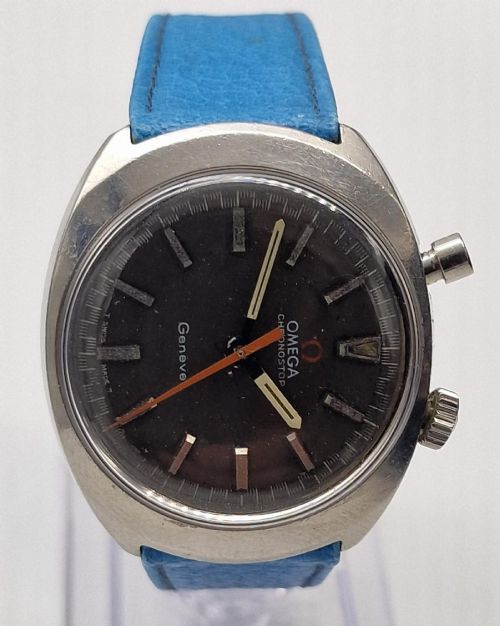
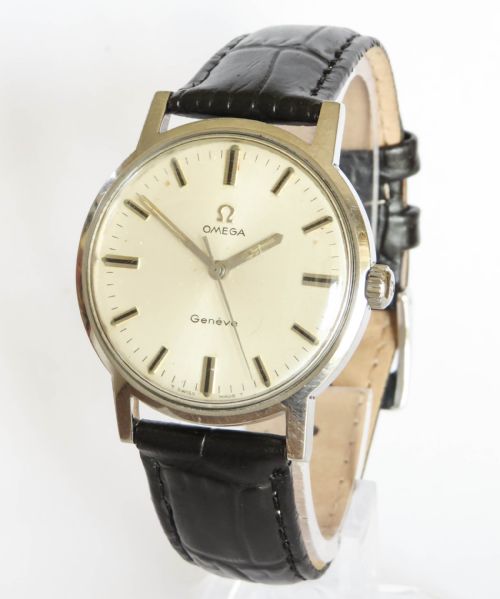
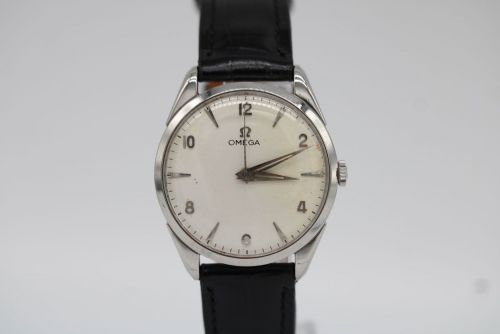
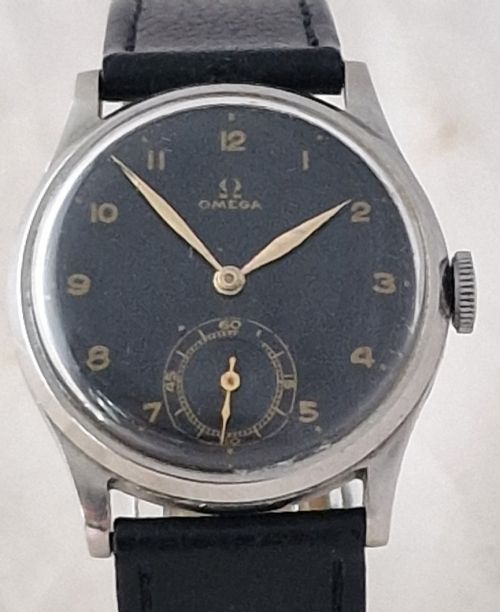
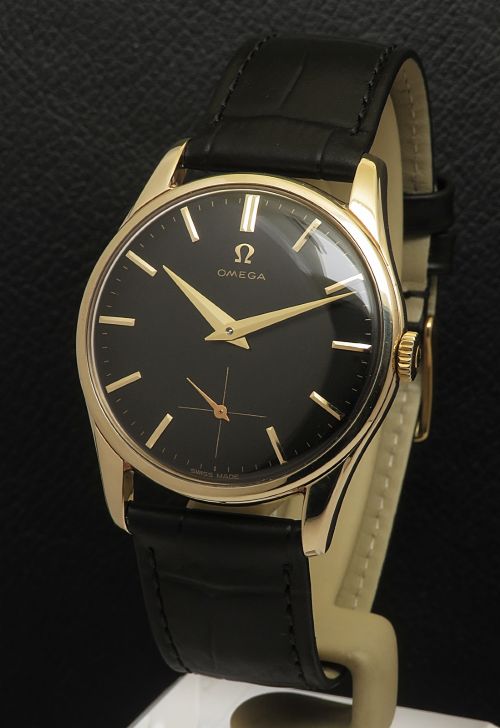
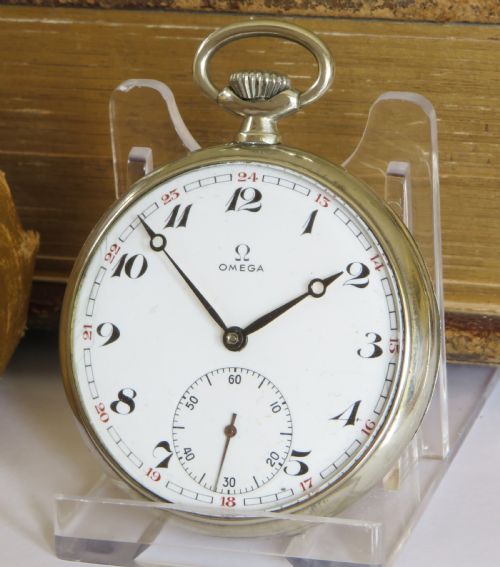
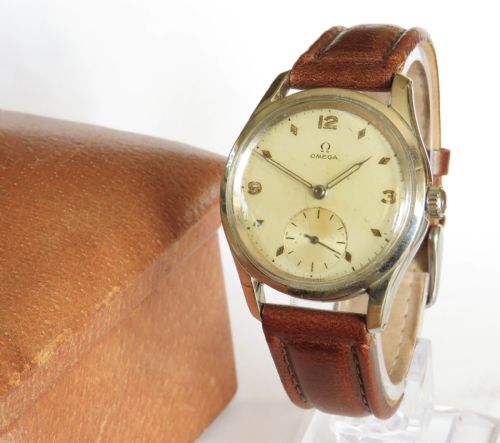

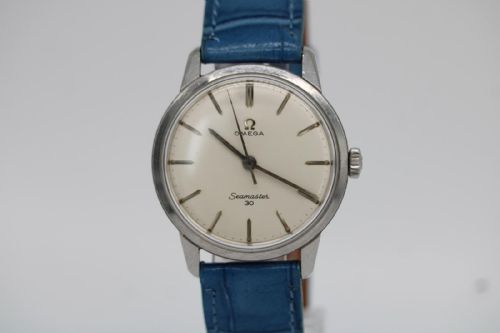
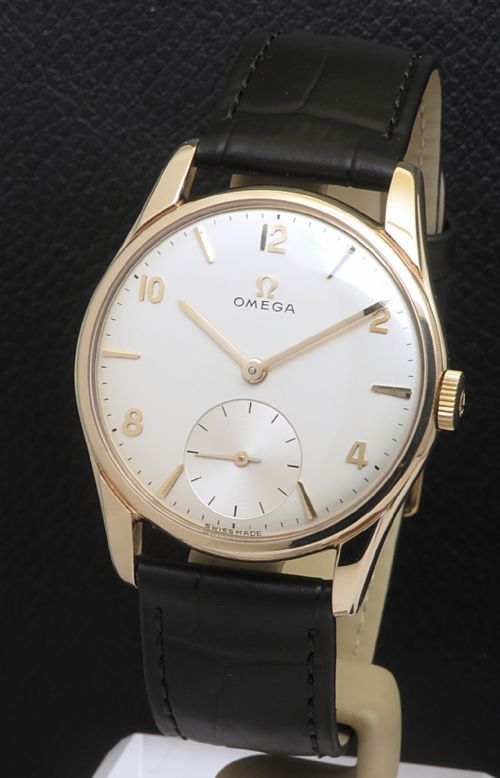

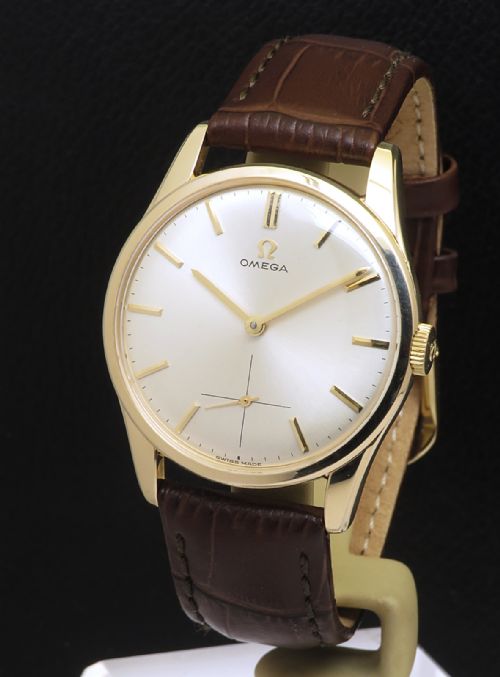

Omega Manual Wind Watch
An omega manual wind watch delivers traditional horological craft, offering reliable mechanical timekeeping housed in classic mid-century and vintage cases.
Omega Manual Wind Watch
An omega manual wind watch is a mechanical timepiece powered entirely by hand-winding the mainspring, avoiding the need for batteries. These pieces range from robust military-issue models of the nineteen-forties to refined dress pieces from the nineteen-sixties.
The selection on this page leans heavily toward mid-century wristwatch forms alongside occasional pocket watches. Buyers encounter stainless steel daily wearers as well as solid nine-carat and gold-plated variants spanning the early twentieth century through the nineteen-seventies.
Materials and construction methods
Movements rely on precision mechanical calibres developed in-house, such as the thirty-millimetre series and various numbered calibres like the two-hundred-sixty and six-hundred series. Leather straps complete many of the wristwatches, while specialist editions utilise unique case geometries like the jumbo or drivers layout.
Listings span periods from nineteen-ten through the nineteen-seventies, featuring stainless steel, gold plate, leather, and solid nine-carat gold.
Factors separating tiers of quality
Material choice dictates the baseline tier, shifting from gold-plated and stainless steel housings up to solid nine-carat and eighteen-carat gold cases. The presence of precious metals and diamond set elements elevates a piece significantly.
Movement preservation and dial originality determine the collector standing of individual items. Fully restored mechanical calibres and unaltered dials with original patina command greater respect than heavily altered examples.
Omega
The Omega Manual Wind Watch Glossary
- Calibre
- The specific internal mechanical movement designation given by the manufacturer. This identifier helps pinpoint the exact movement generation inside the watch.
- Manual wind
- A mechanical watch movement wound by hand via the crown rather than by an automatic rotor. Users turn the crown daily to tension the mainspring.
- Jumbo case
- An oversized watch case for its era, usually measuring thirty-five millimetres or greater. These larger proportions appeal strongly to modern collectors.
- Rattrapante
- A complex split-second chronograph mechanism allowing the measurement of intermediate times. This complication requires sophisticated gear work within the watch.
- Acrylic glass
- A lightweight plastic material utilised for watch crystals prior to the widespread adoption of synthetic sapphire. It offers warmth and clarity typical of vintage pieces.
Omega Manual Wind Watch: Frequently Asked Questions
How often should I wind my watch?
These mechanical movements require winding once a day, ideally in the morning to maintain consistent tension on the mainspring. Turning the crown until gentle resistance is felt ensures the watch runs for its full reserve period.
Overwinding can damage the internal components, so stop turning the crown the moment resistance increases. Establishing a daily routine keeps the mechanical oils active and the timekeeping steady.
Are these watches waterproof?
Vintage pieces, even those bearing Seamaster nomenclature, generally lack modern water resistance seals due to their age and historical manufacturing standards. Exposure to moisture, rain, or humidity can easily compromise the delicate internal metal components and ruin the dial.
Keeping these timepieces away from water preserves both the movement and the integrity of leather straps. Professional gasket replacements during servicing improve resistance, but swimming or showering remains strongly discouraged.
How do I date an omega manual wind watch?
Dating typically involves examining the internal movement calibre number and matching serial numbers against production ledgers. Case backs sometimes feature reference numbers that indicate the exact model family and production era.
Stylistic cues such as dial typography, handset designs, and logo iterations also provide reliable clues for narrowing down the decade of manufacture. Consulting horological databases completes the verification process.
What does calibre mean?
The calibre refers directly to the specific design and architecture of the mechanical movement housed inside the case. Manufacturers assigned unique numbers to distinguish different movement sizes, complication layouts, and functional improvements.
Knowing the calibre helps collectors identify replacement part compatibility and understand the horological pedigree of the watch. It serves as the primary fingerprint for any vintage timepiece.