
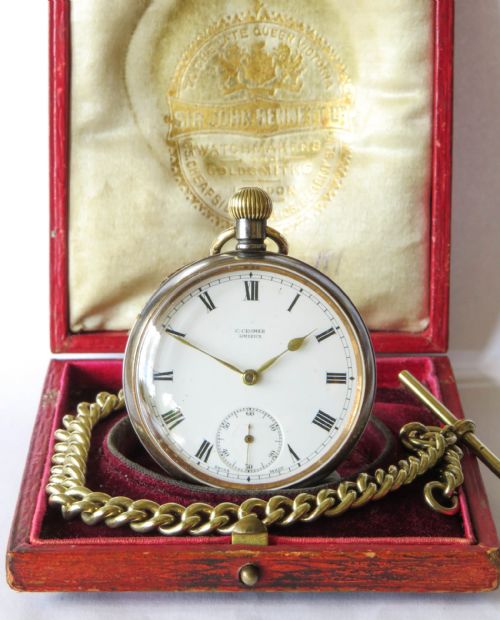
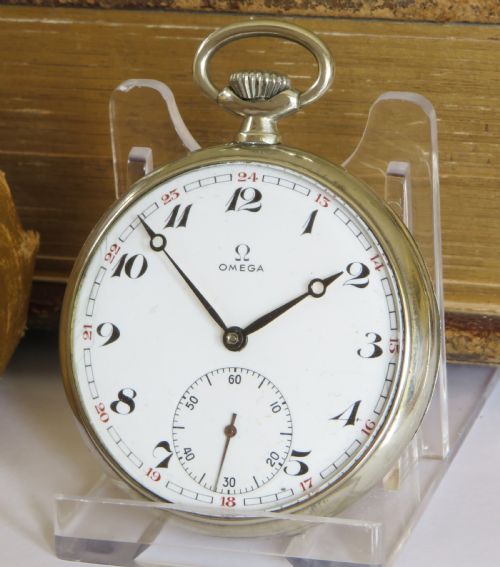


Vintage Omega Pocket Watch
A vintage omega pocket watch carries the weight of precision Swiss engineering from eras spanning the late Victorian period to the mid-century.
Vintage Omega Pocket Watch
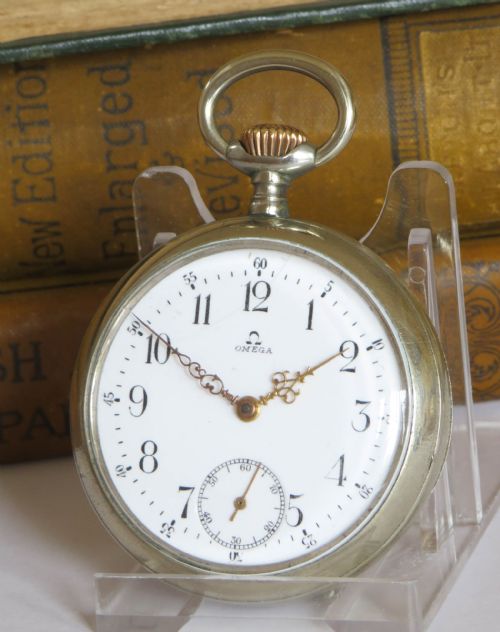
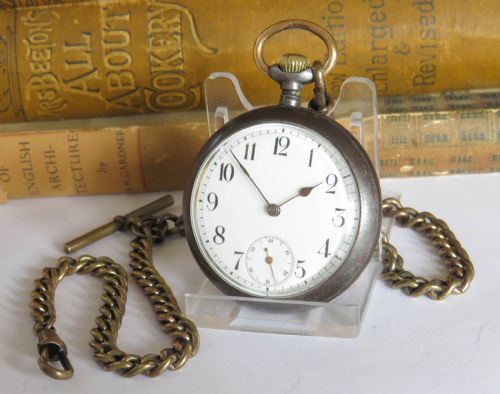
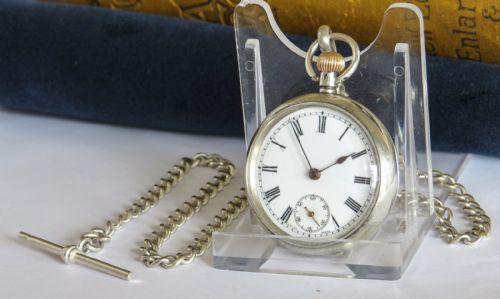
When you search for a vintage omega pocket watch, you encounter timepieces produced from the early twentieth century through to the 1960s. The selection includes standard pocket watches, fob watches with chains, and larger goliath timepieces designed for desk or travel use.
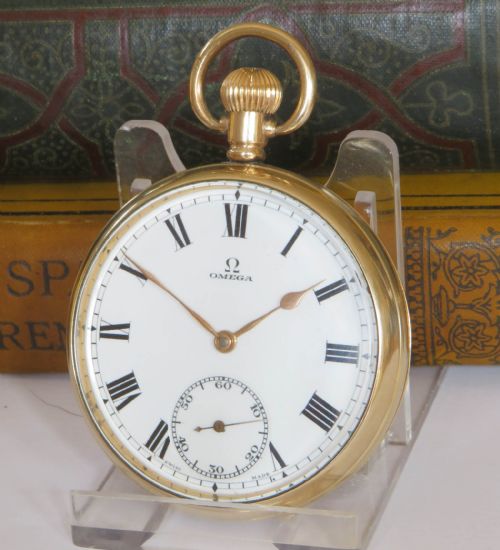
You are most likely to meet silver, gold plate, and gunmetal pieces dating from the 1910s and 1930s. These examples reflect stylistic shifts from Edwardian detailing to the clean geometric lines of Art Deco design.
Specialist variations such as split second rattrapante watches and eight-day movements also appear in the record. Each piece demonstrates the mechanical development of the watchmaker's craft across successive decades.
Materials and construction
Casings utilise a range of metals including solid silver, brass, steel, gunmetal, and nickel-plated metal alongside gold plate. Dial faces incorporate protective glass crystals over white enamel surfaces with painted or applied numerals.
Internal movements rely on intricate brass and steel gear trains assembled by hand. Specialised complications such as split-second mechanisms require precise mechanical integration within the watch case.
Some pocket watches are so large they require their own miniature travelling desk.
Distinguishing quality
The sophistication of the internal movement dictates the standing of a piece within its category. Standard three-hand timepieces differ fundamentally in mechanical complexity from an eight-day goliath or a split-second rattrapante chronograph.
Materials and casework finish further separate individual examples. Solid silver and heavy gunmetal cases housing complex movements represent the upper tier of production compared to standard plated metal housings.
Omega
The Vintage Omega Pocket Watch Glossary
- Goliath pocket watch
- An oversized pocket watch typically measuring substantially larger than standard examples. These heavy pieces frequently rested in fitted travelling cases or desk stands.
- Rattrapante
- A split-second chronograph mechanism featuring two second hands that operate independently to time intermediate intervals. This complication adds significant mechanical intricacy to the movement.
- Fob watch
- A smaller pocket watch designed to be worn attached to a short chain or ribbon. They were widely carried in waistcoat pockets.
- Gunmetal
- An alloy of copper, tin, and zinc treated to produce a dark grey or black metallic finish. It provided a durable and corrosion-resistant case material popular in the early twentieth century.
- Enamel dial
- A metallic watch face fused with powdered glass fired at high temperatures to create a smooth, glossy surface. These dials retain their white colour and legibility over decades.
Vintage Omega Pocket Watch: Frequently Asked Questions
What is a goliath pocket watch?
A goliath is an oversized timepiece manufactured to sit on a desk, mantlepiece, or inside a travel case rather than a standard waistcoat pocket. These heavy watches often feature eight-day movements that require less frequent winding.
Their substantial size allowed makers to incorporate larger dials and robust mechanical components designed for stationary use.
How do I date an omega pocket watch?
Dating relies on stylistic clues such as the transition from Edwardian script numerals to Art Deco geometry, alongside case materials like gunmetal or silver. Specific production years are sometimes recorded in serial numbers or hallmarked case metals.
Comparing the dial typography and case construction against known period examples helps narrow down the decade of manufacture.
How were pocket watches worn historically?
Pocket watches were secured to a waistcoat or belt using a chain, ribbon, or fob passed through a buttonhole. The watch itself rested safely inside the garment pocket until needed.
Silver chains and decorative fobs formed part of standard daily attire for gentlemen in the early twentieth century.