
Antique Dress Pocket Watch
An antique dress pocket watch is a fine portable timepiece offering mechanical charm and period elegance, spanning Victorian to Mid-Century Modern designs.
Antique Dress Pocket Watch
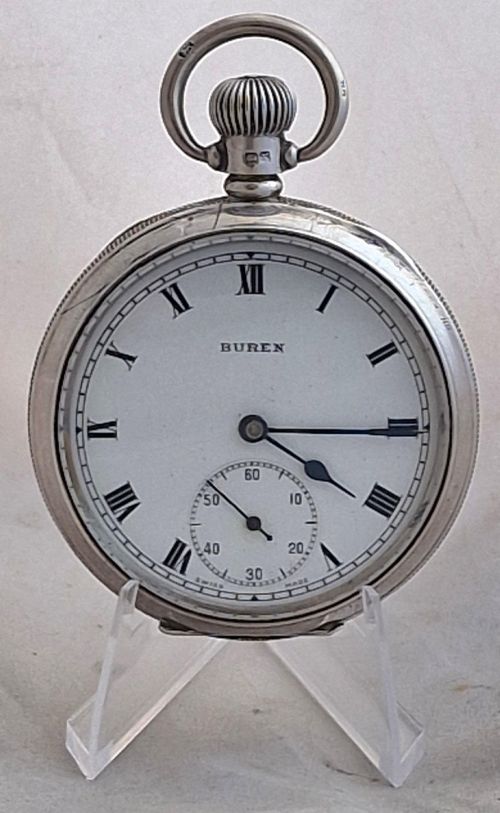
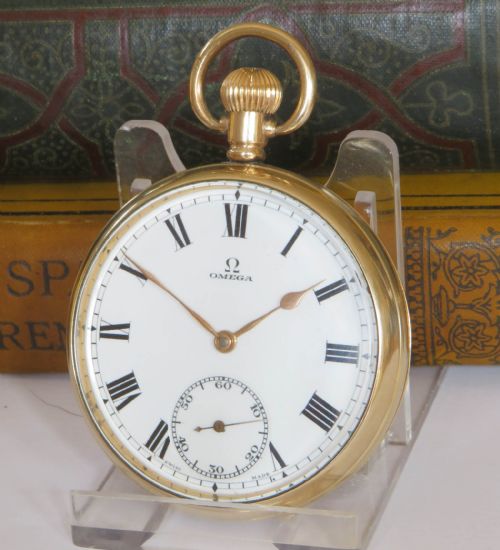
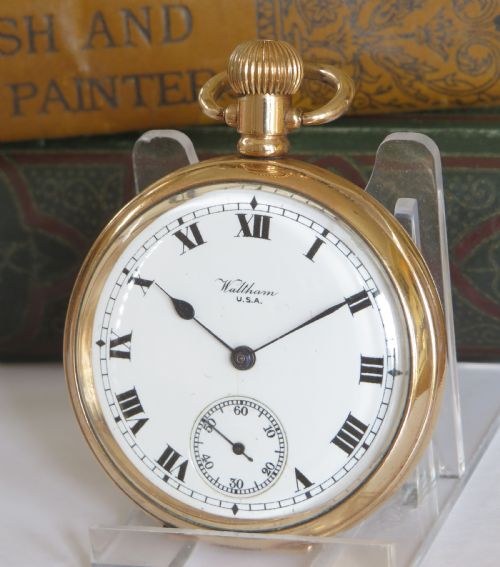
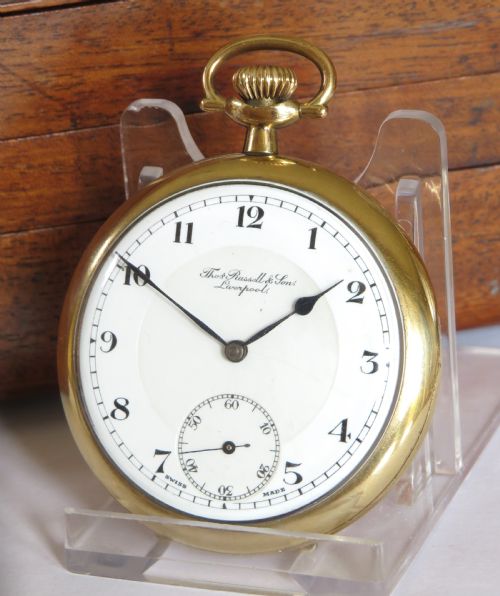
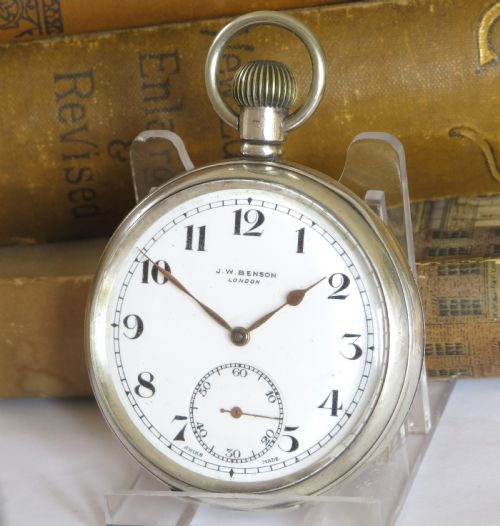
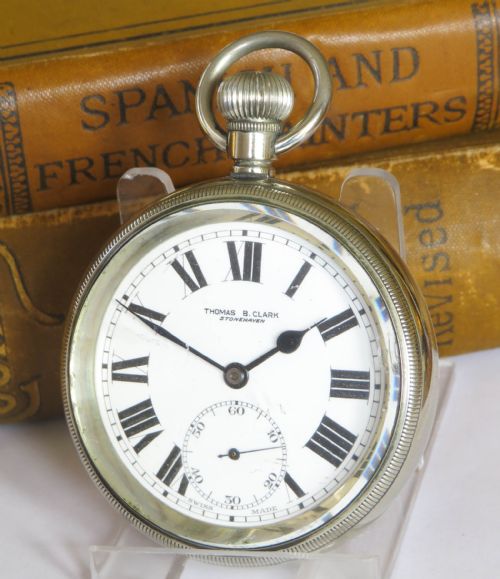
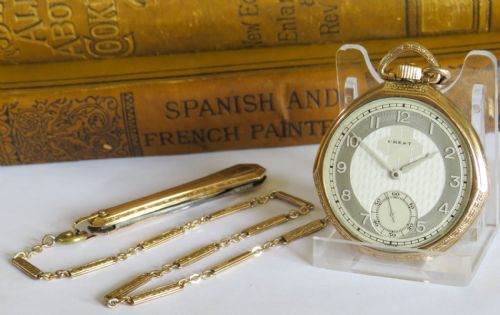
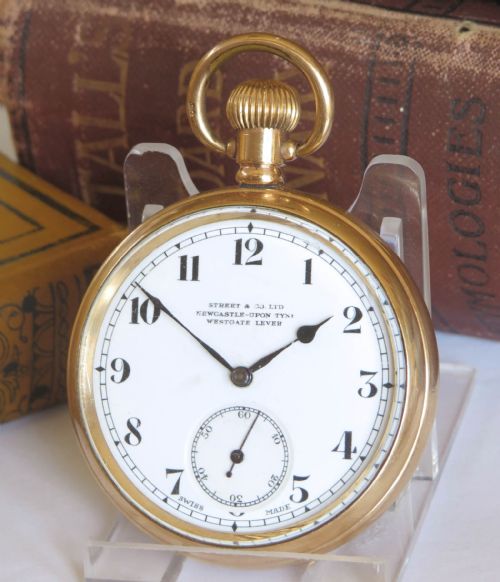
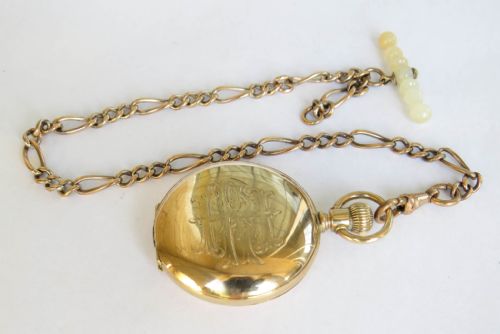
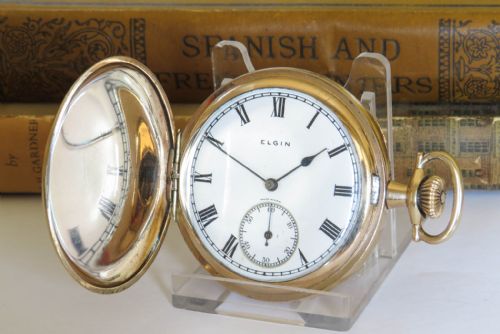
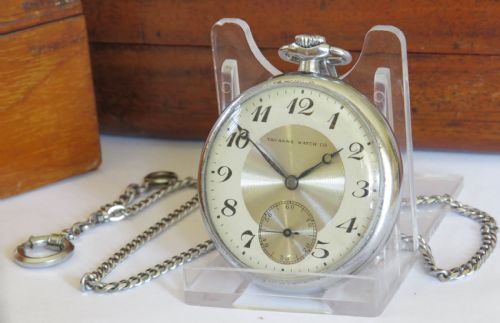
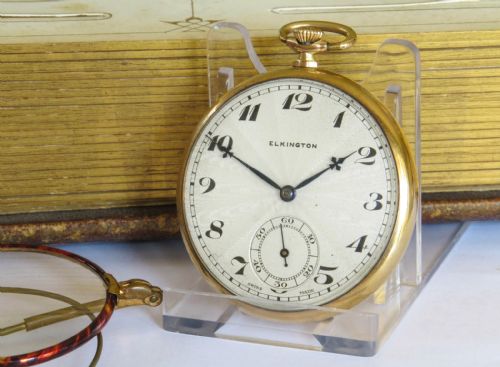
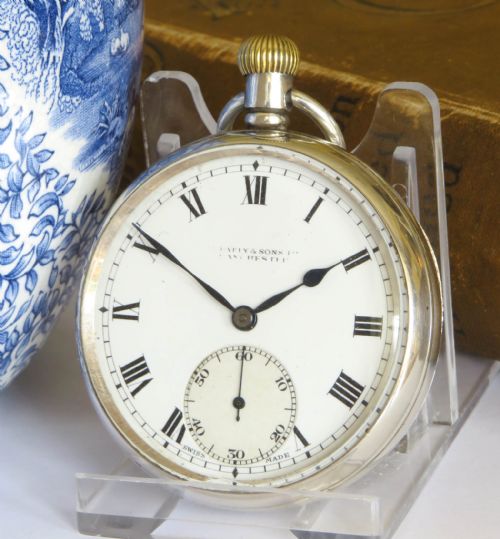
An antique dress pocket watch is a compact horological instrument designed for personal carriage, frequently accompanying waistcoats or chatelaines. You will commonly encounter open-faced or full hunter configurations dating from the late Victorian era through the 1950s.
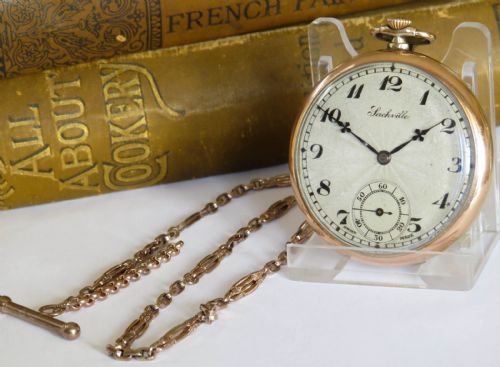
The selection ranges from robust daily carriers by makers like Elgin and Waltham to refined gold and silver specimens produced during the Art Deco and Edwardian periods. Pieces often incorporate chains, alberts, or chatelaines to secure the watch to clothing.
Materials and construction methods
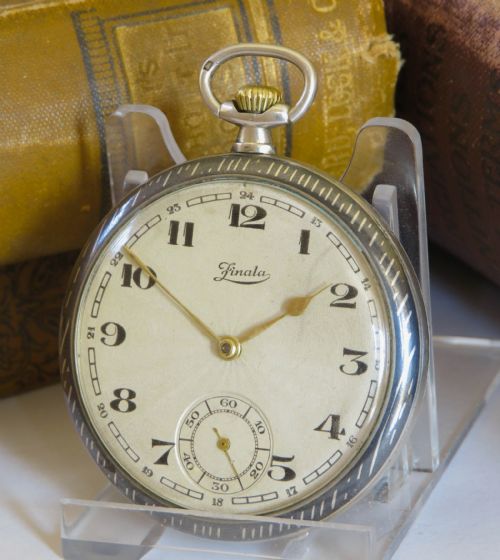
Casses utilise metals such as silver, brass, steel, gold plate, and 18ct or 14ct gold, frequently decorated with enamel or glass crystals over the dial. Engine turning and rococo decorations appear across Victorian and 1920s examples.
Movements rely on mechanical gear trains driven by mainsprings, often stem-wound, housing intricate jewels to reduce friction in the pivots. Swiss and English workshops produced these movements using specialised metalworking and lathe techniques.
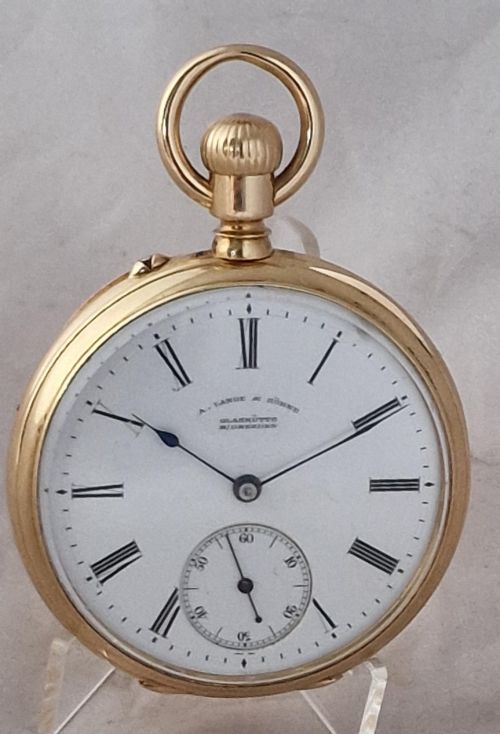
Listings feature items spanning the Edwardian period through the 1950s, executed in materials including silver, gold plate, and 18ct gold.
Distinctions in craftsmanship
Quality depends upon the precision of the movement, the complexity of the escapement, and the presence of signed maker marks on the dial and mechanism. High-grade pieces employ more jewels and superior metal finishing within the gear train.
Exterior execution alters the character of the object, from simple base metal cases to heavy gold housings featuring intricate engine-turned patterns or enamel work. The integration of matching chains or chatelaines elevates the completeness of the item.
Buren·Omega·Waltham·Thomas Russell and Son·J W Benson·Lange and Sohne·Tavannes·Minerva·Silvana·Elgin·Elkington·Vertex·Revue·Bravingtons Renown·Havila·Consul·Lanco·Nirvana International·Doxa·Fortex·Helvetia·Pioneer·Monte Ancre·Patek Philippe
The Antique Dress Pocket Watch Glossary
- Open faced
- A pocket watch design that lacks a protective metal cover over the glass crystal. This allows immediate reading of the dial without opening a case.
- Full hunter
- A pocket watch featuring a spring-loaded metal cover that protects the glass dial. Pressing the crown usually releases the lid.
- Stem winding
- A mechanism allowing the mainspring to be wound via the crown at the top of the watch. It replaced key-winding systems in most pocket watches by the twentieth century.
- Chatelaine
- A decorative belt hook or clasp worn from the waist to which pocket watches, keys, or sewing tools are suspended by chains. They appeared in silver with rococo ornamentation.
- Albert
- A chain attached to a pocket watch for securing it to a waistcoat or garment buttonhole. They are frequently found paired with Swiss and English timepieces.
Antique Dress Pocket Watch: Frequently Asked Questions
How do I wind an antique pocket watch?
Most twentieth-century pieces utilise a stem-winding crown located at the top of the case. Rotate the crown gently clockwise until you feel resistance.
Avoid over-winding the mainspring, as this can damage the internal mechanical components of the movement.
What is the difference between an open faced watch and a full hunter?
An open faced watch displays the glass crystal and dial constantly without any protective barrier. This allows for quick time checking during daily wear.
A full hunter includes a hinged metal lid that covers the dial, protecting the glass from scratches until released by pressing the crown.
How were pocket watches worn in the period?
Gentlemen typically carried them in waistcoat pockets, secured by a chain or albert fastened to a buttonhole. Ladies often suspended them from chatelaines or pinned them directly to garments.
These methods kept the portable timepiece secure and accessible throughout the day.
What metal types are common in these watches?
You will find cases constructed from silver, brass, steel, metal, gold plate, and solid 14ct or 18ct gold. Silver gilt and niello finishes also appear on specific decorative examples.
The choice of material generally reflects the intended luxury tier of the watch when originally manufactured.