
Antique Watch and Fob
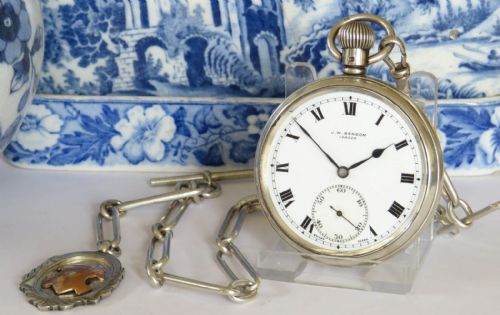
An antique watch and fob combines a reliable pocket timekeeper with a decorative pendant, offering a practical glimpse into historical daily dress.
Antique Watch and Fob
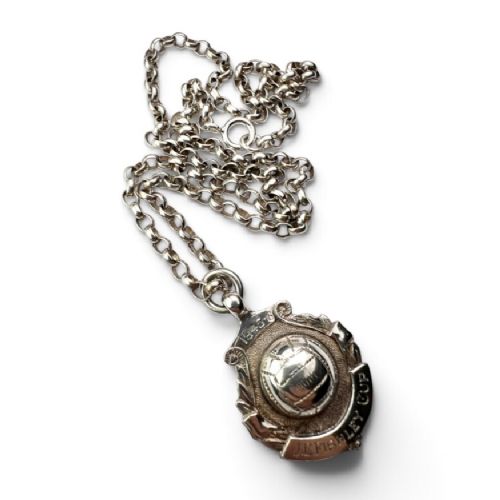
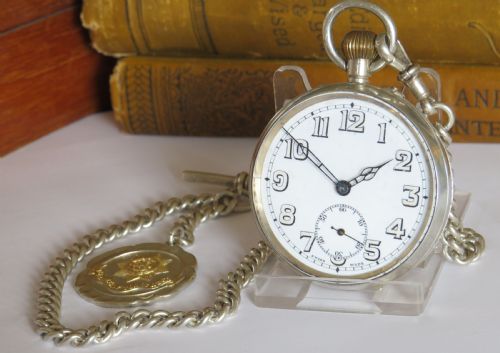
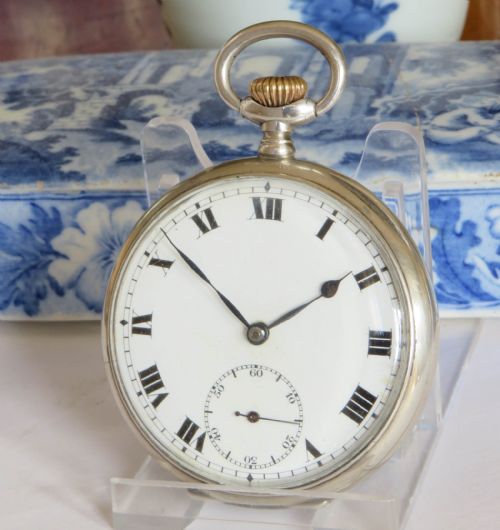
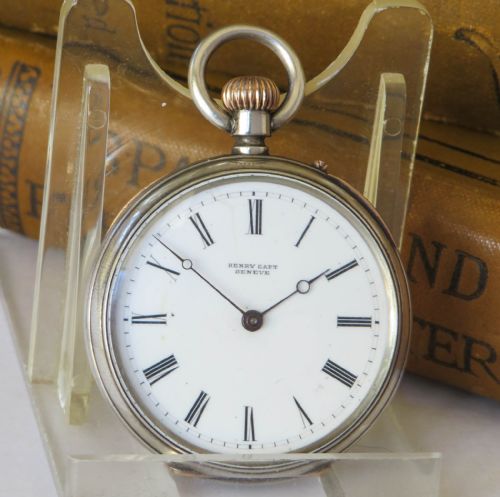
An antique watch and fob pairing brings together functional timekeeping devices with suspended ornaments such as seals, medals, and compasses. Buyers seeking this category encounter pocket watches alongside linked albert chains, sovereign cases, and rotating stone pendants.
The items span the late Victorian, Edwardian, and Art Deco periods, stretching from the 1880s through to the 1930s. Most examples met on this page combine sterling silver or rolled gold chains with mechanical pocket movements and bespoke award fobs.
Materials and Construction Techniques
Metals form the structural backbone of these pieces, utilising sterling silver, 18ct gold, and rolled gold alongside steel and glass components. Watch cases and albert chains rely on durable metalworking methods, incorporating secure links, hallmarks, and hinged half hunter covers.
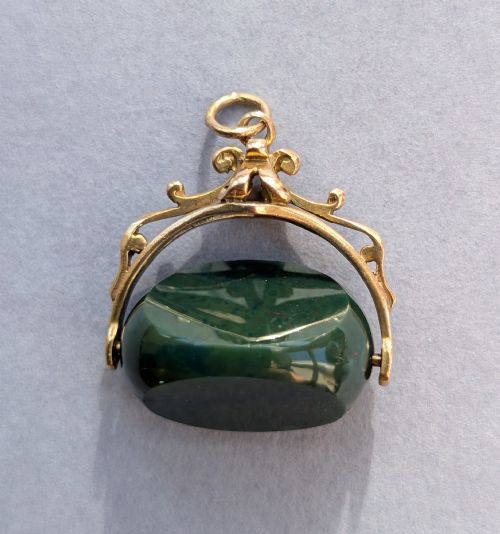
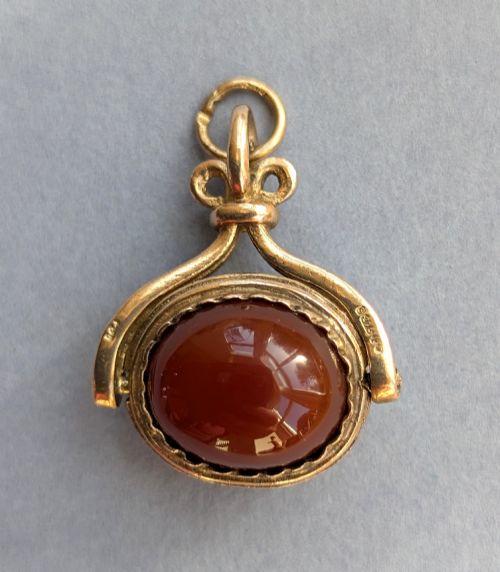
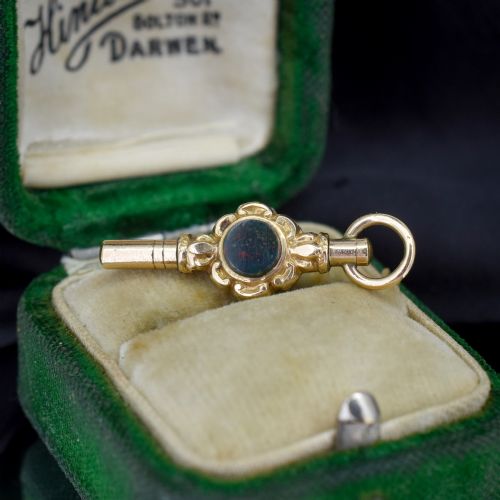
Decorative elements frequently integrate natural materials such as bloodstone, carnelian, and agate into spinning fobs. Enamel work and miniature compass designs add intricate detail to military awards and novelty charms.
Periods represented cover the Victorian, Edwardian, and Art Deco eras, ranging from the late nineteenth century into the 1930s.
Separating Grades of Craftsmanship
Quality diverges between mass-produced utility items and pieces carrying specific maker signatures or official assay office hallmarks. Weight and material thickness distinguish solid gold and heavy sterling silver albert chains from lighter gold-plated alternatives.
The complexity of the associated fob elevates a piece, moving from simple stamped metal shields to multi-stone rotating spinning fobs and functioning miniature compasses. Precision in the mechanical watch movement further separates standard timepieces from specialised chronometers.
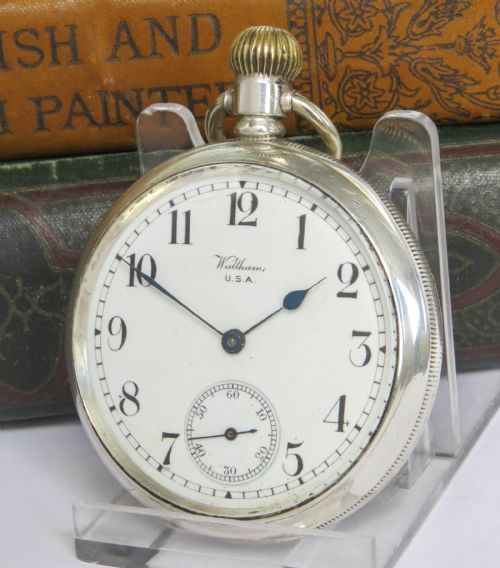
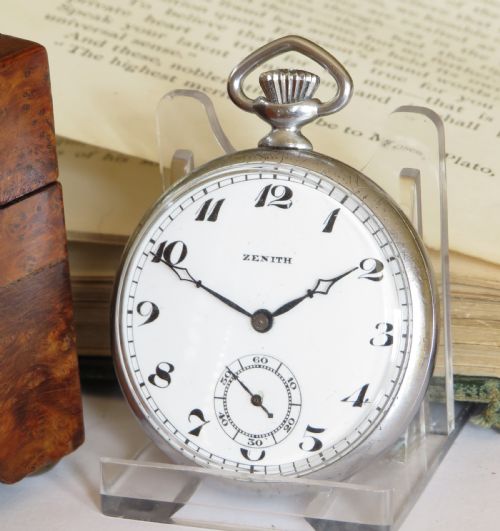
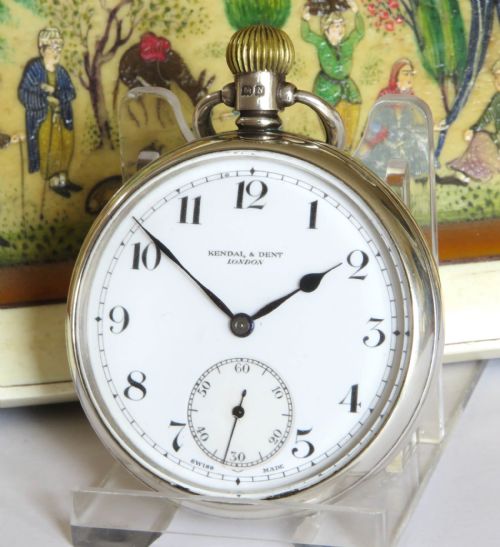
Henry Capt·Zenith·Kendal & Dent·Aaron Lufkin Dennison·Record·Limit Revue·Waltham·Thomas Russell & Son·George Edward Frodsham
The Antique Watch and Fob Glossary
- Half hunter
- A pocket watch featuring a protective outer metal case with a glass or open-centred dial cover. This allows the wearer to read the time without fully opening the case lid.
- Sovereign case
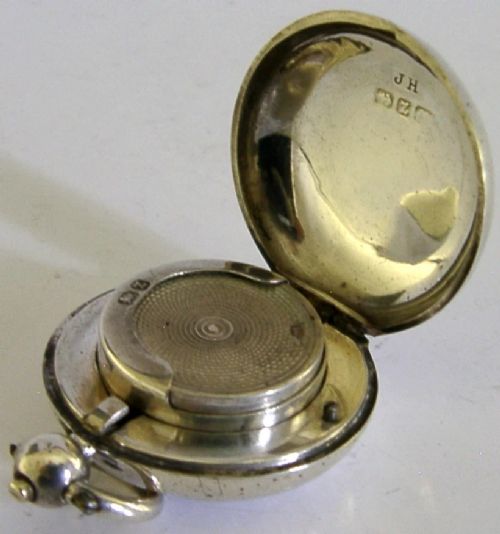
- A small, hinged container designed to hold gold sovereign coins securely in a pocket. Many examples include internal springs and matching suspension loops for attachment to watch chains.
- Spinning fob
- A pendant mounted on a swivel axis that holds two or three different stones, such as bloodstone and carnelian. The wearer can rotate the bezel to display either face.
- Vesta
- A small pocket container manufactured to hold matches, frequently suspended alongside pocket watches on albert chains. These matchsafes often carry detailed silver engravings and Birmingham hallmarks.
Antique Watch and Fob: Frequently Asked Questions
What is an albert chain?
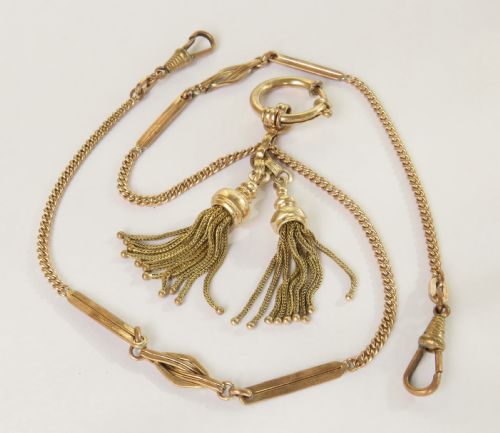
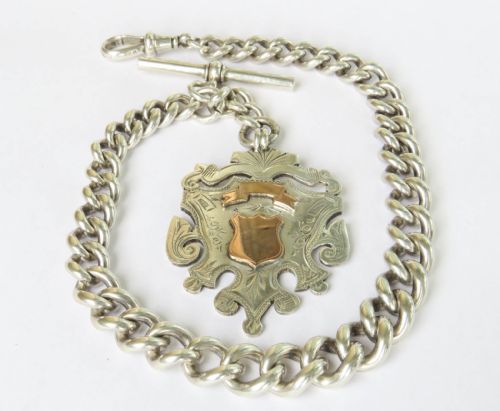
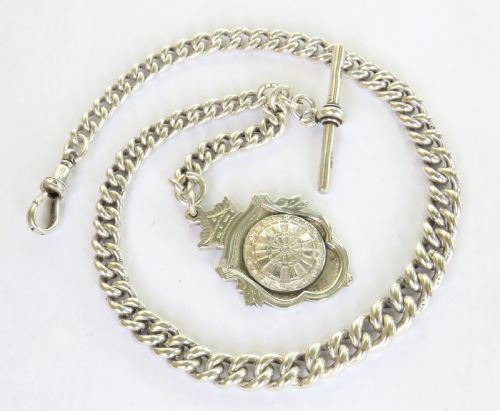
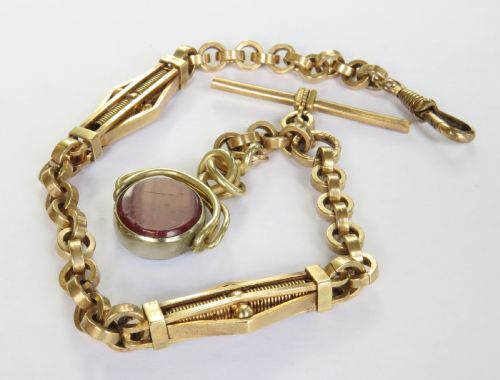
An albert chain is a specific style of pocket watch chain designed to secure a timepiece to a garment buttonhole via a T-bar. These chains often incorporate decorative drops, sliding tassels, or commemorative fobs.
Single albert chains attach at one point, while double albert versions loop across a waistcoat from pocket to pocket, meeting at a central suspension ring.
How do spinning fobs work?
Spinning fobs are mounted on a vertical swivel axis held within an outer metal frame. This allows the gemstone or seal set inside to rotate freely.
Wearers turn the central stone to display different coloured minerals, such as red carnelian or green bloodstone, depending on personal preference or attire.
How are sovereign cases used?
Sovereign cases were carried in pockets to store British gold sovereign and half-sovereign coins securely. They feature spring-loaded lids and internal compartments sized precisely for currency.
Many collectors now hang these circular silver and gold cases from watch chains as decorative pendants rather than coin holders.