
Antique Mechanical Pocket Watch
An antique mechanical pocket watch is a precision instrument driven by springs and gears, offering portable timekeeping shaped by centuries of horological skill.
Identifying an antique mechanical pocket watch
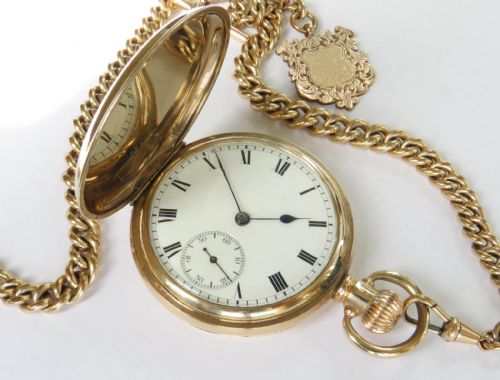
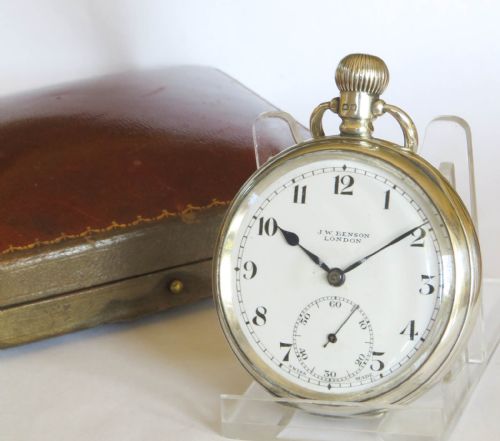
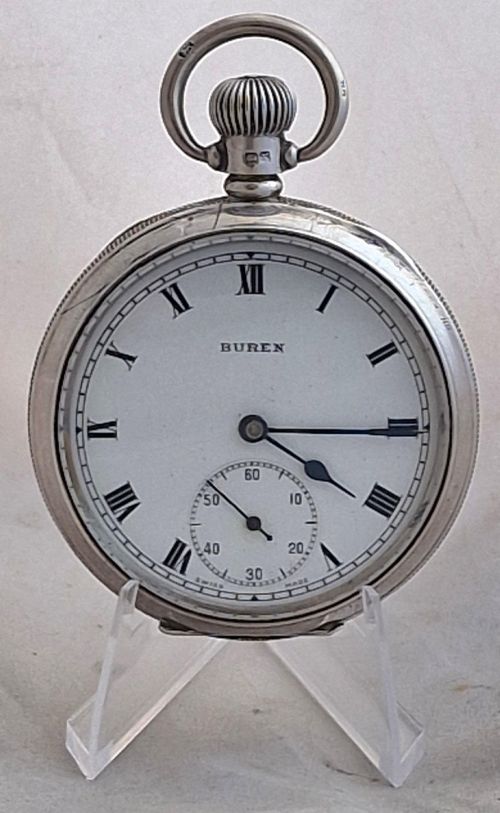
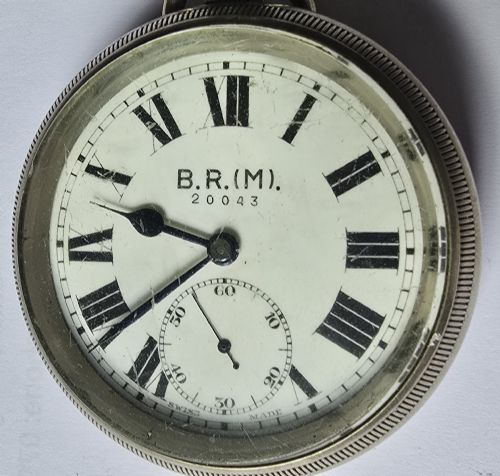
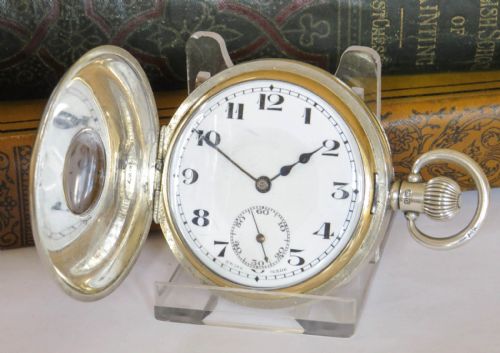
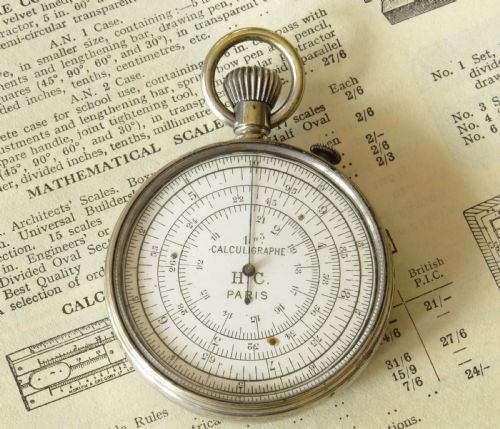
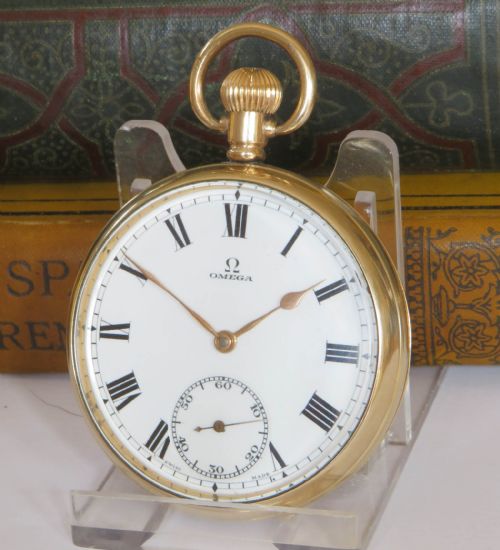
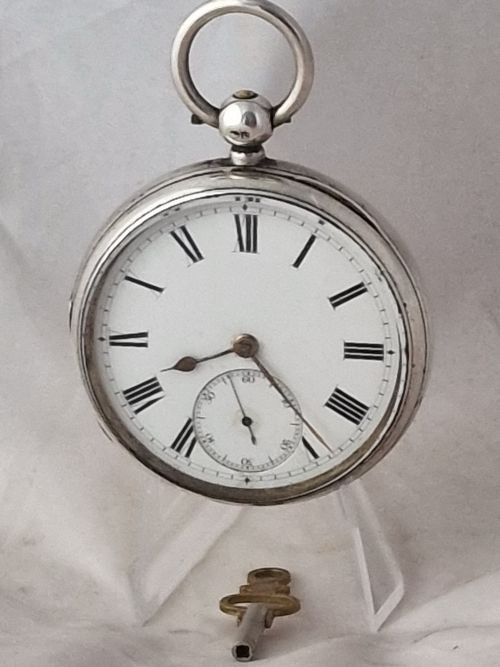
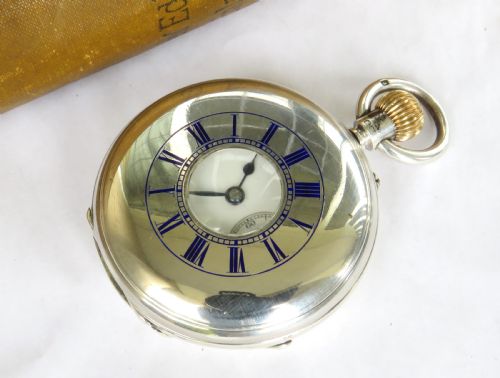
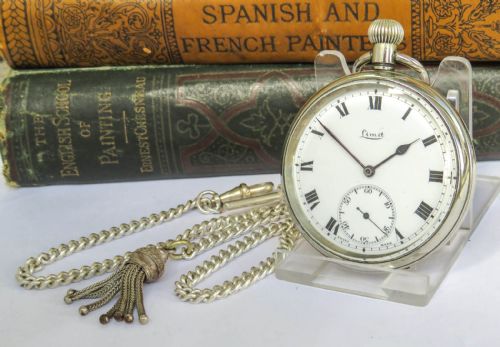
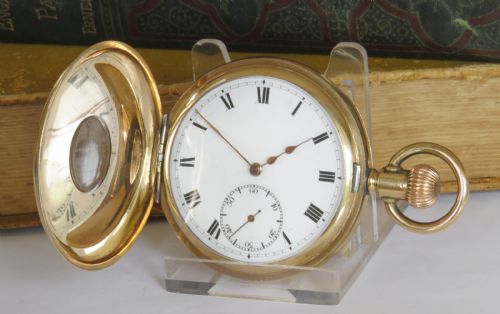
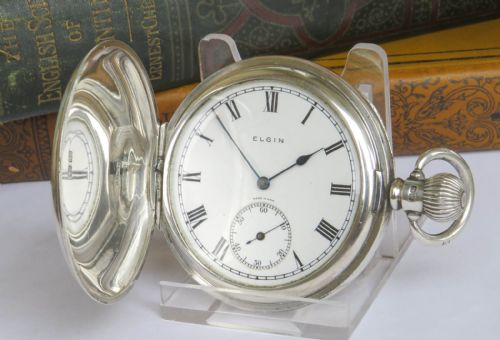
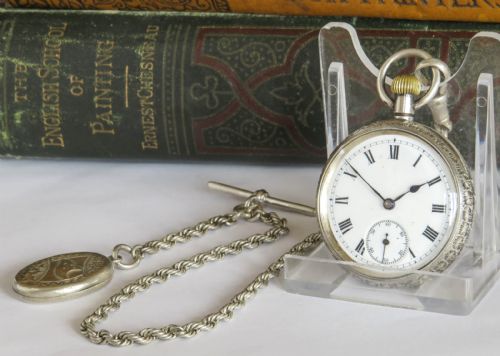
An antique mechanical pocket watch represents portable timekeeping across several eras, including the Georgian, Victorian, Edwardian, and eighteenth century periods. These timepieces take forms such as full hunter, open faced, and pair cased pocket watches, driven entirely by mechanical movements rather than electronics.
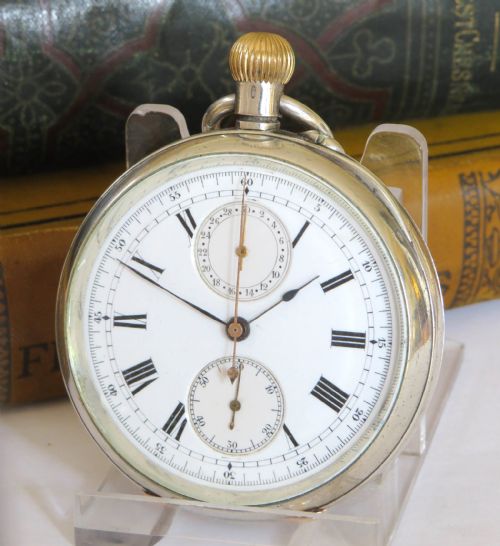
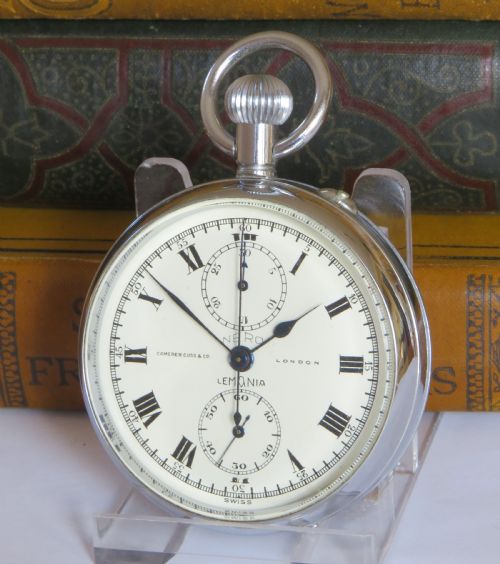
The pieces listed on this page span diverse origins and makers, featuring London workshops alongside Coventry production. Examples range from simple silver cases to complex chronograph and minute repeater mechanisms housed in gold and gilt brass.
Makers recorded in the evidence include Richard Richardson, Longines, J Wilders London, Invicta, and Patek Philippe. Styles present across the selection encompass Georgian, Victorian, late Victorian, and Edwardian designs.
Materials and construction
Casework utilises precious and base metals including silver, gilt brass, twelve carat gold, fourteen carat gold, and eighteen carat gold alongside steel components. Dial faces incorporate enamel and glass to protect the hands and movement beneath.
Movements rely on traditional mechanical configurations such as fusee verge escapements and intricate chronograph or minute repeater complications. Diamond elements appear in specific crown settings on high grade examples.
Retail Price Guide 2026
Typical UK retail prices for mechanical pocket watch, calculated from the Sellingantiques database of over a million retail prices indexed since 2003. This retail price guide relies exclusively on Sellingantiques data; no external sources or auction records are used, so the figures do not describe the wider market.
Listings feature periods spanning from the eighteenth century through Georgian, Victorian, and Edwardian eras.
Judging quality in mechanical timepieces
The distinction between standard pocket watches and exceptional horology lies in the complexity of the movement and the prestige of the maker. Simple open faced silver designs serve everyday utility, whereas signed chronographs and minute repeaters by houses like Patek Philippe represent advanced manufacturing.
Materials also dictate the tier of the piece, moving from base gilt brass and silver up to substantial twelve, fourteen, and eighteen carat gold cases. The integration of specialised complications like fusee verge escapements or diamond crown settings elevates the standing of individual watches.
Richard Richardson·Longines·J Wilders London·Invicta·Patek Philippe
The Antique Mechanical Pocket Watch Glossary
- Full hunter
- A pocket watch featuring a spring-loaded metal cover that protects the dial face from damage. This design requires the user to press a button on the crown to open the case.
- Open faced
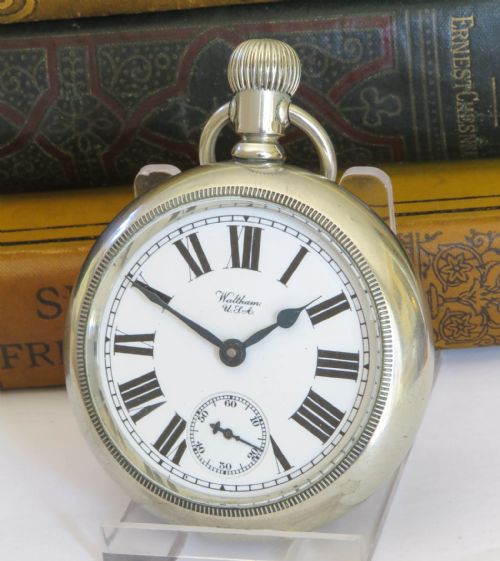
- A pocket watch constructed without a metal cover over the dial, allowing immediate visibility of the hands. This format was common for railroad workers and quick time checks.
- Pair cased
- An older style of watch building where the movement sits inside an inner case, which is then enclosed within a second outer protective case. This construction was prevalent in the eighteenth century.
- Fusee
- A conical pulley used in older mechanical watches to equalize the diminishing power of the mainspring as it unwinds. This mechanism improves timekeeping accuracy across the power reserve.
- Verge escapement
- An early type of escapement mechanism that controls the release of gear train power in a mechanical watch. It produces a distinctive ticking motion and relies on a balance wheel.
- Minute repeater
- A complication that chimes the hours, quarters, and minutes on demand via internal gongs when a slide is activated. This feature represents advanced watchmaking skill.
Frequently Asked Questions
How do I wind a mechanical pocket watch?
Most pocket watches require turning the crown clockwise until resistance indicates the mainspring is fully tensioned. Some older fusee pieces utilise a separate key inserted through the dial or back cover.
Care must be taken not to overwind the mechanism, which can damage the internal spring. Regular gentle winding keeps the movement operating consistently.
What is a minute repeater?
A minute repeater is a mechanical complication that sounds the exact time audibly through hammers striking tiny gongs inside the case. Activating a slide on the exterior triggers the chimes for hours, quarter hours, and elapsed minutes.
This intricate mechanism was developed before widespread artificial illumination allowed people to check the time in the dark.
How do open faced and hunter watches differ?
Open faced watches expose the crystal and dial directly to view, offering immediate time checks without manipulation. Hunter watches enclose the dial behind a hinged metal lid that opens via a crown pusher.
The protective cover of a hunter case shields the glass from scratches during daily carrying.
What does pair cased mean?
Pair cased watches employ two separate enclosures, an inner case housing the movement and an outer case that slips over the first for added defence. This construction is typical of eighteenth century English watchmaking.
The outer case often featured decorative coverings like leather or repoussé work.