
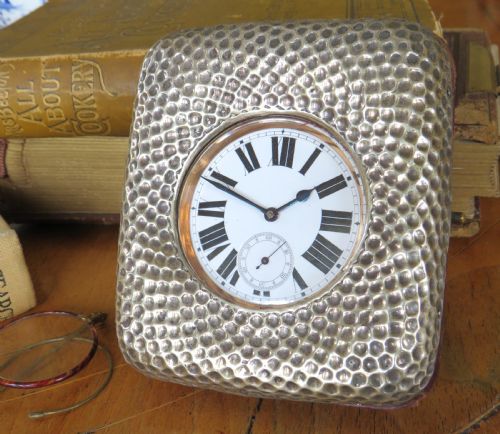


English Silver Pocket Watch
An English silver pocket watch carries the weight of Victorian and Edwardian engineering in a solid metal case.
English silver pocket watch
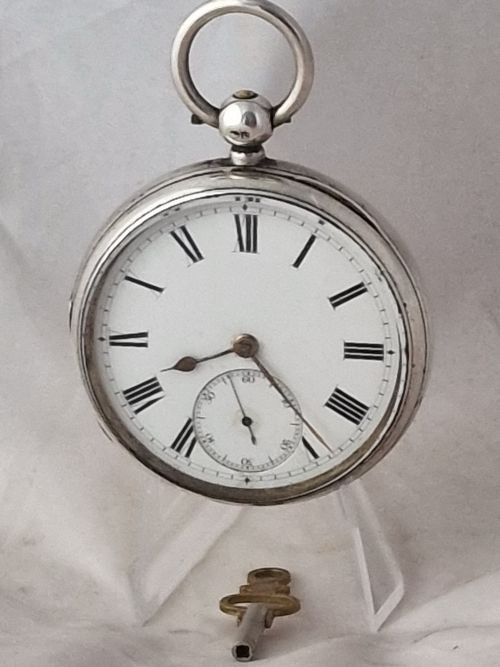
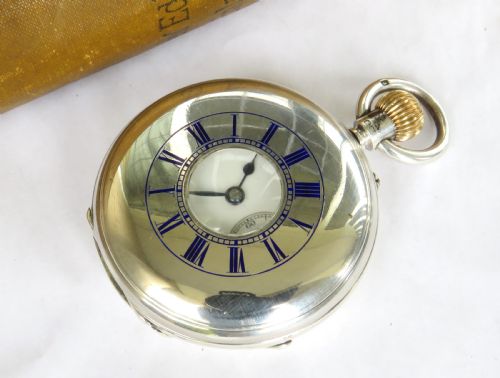
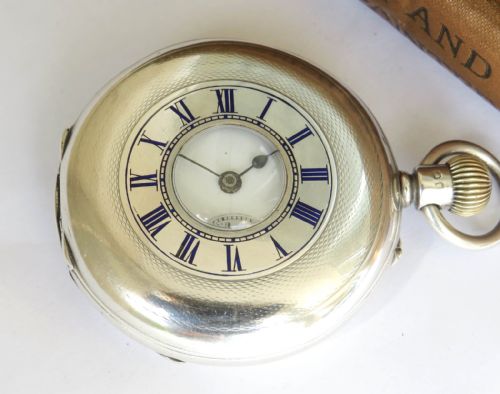
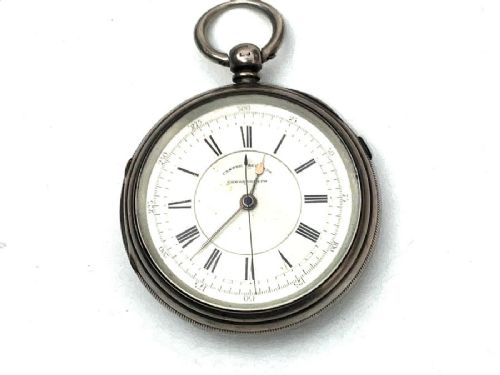
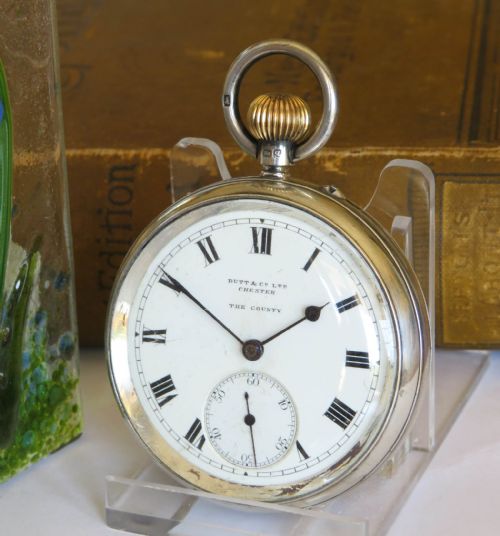
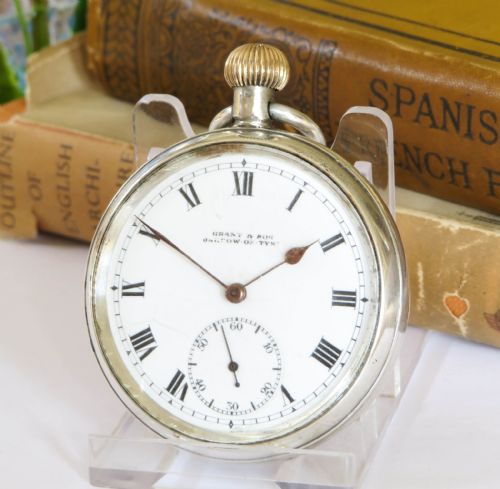
An English silver pocket watch brings together Victorian and Edwardian timepieces produced across the nineteenth and early twentieth centuries. These objects span simple open-face designs and robust hunter cases enclosing white enamel dials.
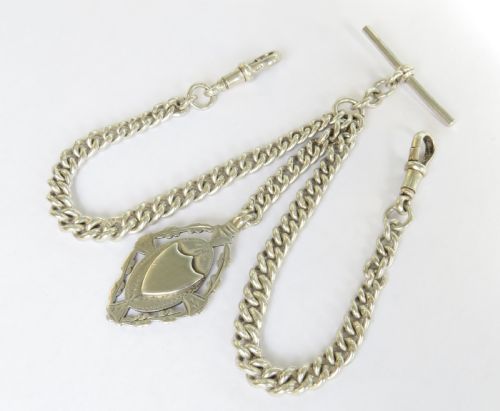
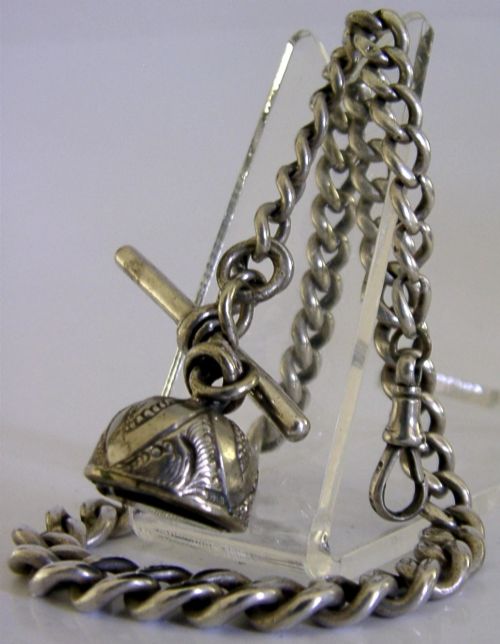
The specimens recorded here include fusee movements, chronographs, and half hunter configurations alongside associated chains and fobs. Pieces originate from provincial makers as well as London firms and provincial retailers.
Buyers encounter denominations ranging from standard lever escapements to specialised models signed by regional watchmakers. Sterling silver cases predominate, often accompanied by interior brass components and protective glass crystals.
Materials and Construction
Cases combine sterling silver with internal brass framing and glass crystals to protect the dial. Dials utilise white enamel painted with Roman or Arabic numerals, paired with steel hands.
Movements rely on mechanical fusee or lever systems constructed from brass and steel components. Cases feature hinged backs and bezels, frequently bearing hallmarks for Birmingham or London assay offices.
Listings feature sterling silver and brass across Victorian and Edwardian periods.
Distinctions in Quality
Quality rests in the precision of the movement, separating standard mass-produced output from specialised chronographs and fusee mechanisms. Finer examples display crisp enamel dials free of hairline cracks and tightly fitting case hinges.
The presence of original signed maker details on the dial and movement elevates the piece above anonymous retailers' marks. Engraved decoration on silver cases ranges from crisp, deep foliate patterns to worn, shallow stamping.
RICHARDSON·Cyma·JW Benson·Errington·J.B.Yabsley·Pearce & Sons·Wright & Craighead·Pennington, Hyde·Johnson & Son Sheffield·H J Norris·Jolly Mansfield·T A Henn Wolverhampton·R.A.Jones & Son
The English Silver Pocket Watch Glossary
- Fusee
- A conical pulley used in older mechanical watches to equalize the diminishing power of the mainspring as it unwinds. This mechanism ensures more consistent timekeeping throughout the daily run.
- Hunter
- A pocket watch case featuring a spring-loaded metal cover that snaps shut over the glass dial. This outer lid protects the face from scratches during daily wear.
- Half hunter
- A pocket watch case with a small glass or open circle in the outer lid. This allows the user to read the hands without opening the front cover.
- Lever escapement
- A mechanical linkage that transmits impulse to the balance wheel and controls the release of the gear train. It became the standard escapement for reliable nineteenth-century timepieces.
- Enamel
- A glassy substance fused to a copper or brass dial plate under high heat. It provides a durable, glossy white surface for painted numerals.
Frequently Asked Questions
What is a fusee movement?
A fusee movement uses a conical drum and chain to regulate the pull of the mainspring. This traditional system provides even power to the gears as the spring runs down.
Such mechanisms indicate older nineteenth-century manufacture and distinct mechanical complexity compared to later standard lever calibres.
How do I wind a pocket watch?
Winding depends on the specific age and movement type of the piece. Some early examples require a separate key inserted through the back dust cover or dial.
Later models use the traditional crown at the top of the case for daily winding and hand setting.
What is the difference between a hunter and an open face?
An open face watch has no protective metal cover over the glass crystal, allowing immediate viewing of the time. A hunter watch encloses the dial behind a spring-hinged metal lid for added security.
Both styles were produced in substantial quantities throughout the Victorian period in silver cases.
How can I date my silver watch?
Dating relies primarily on the silver hallmarks stamped inside the case backs. These assay marks reveal the town of testing and the exact year letter code.
Additional dating clues come from the style of the enamel dial, the maker's signature, and the type of internal movement.