

Edwardian Silver Watch
An edwardian silver watch delivers the precise engineering and restrained elegance of the early twentieth century directly to your pocket or wrist.
Edwardian Silver Watch
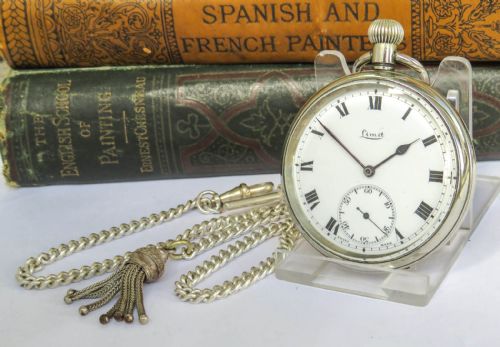
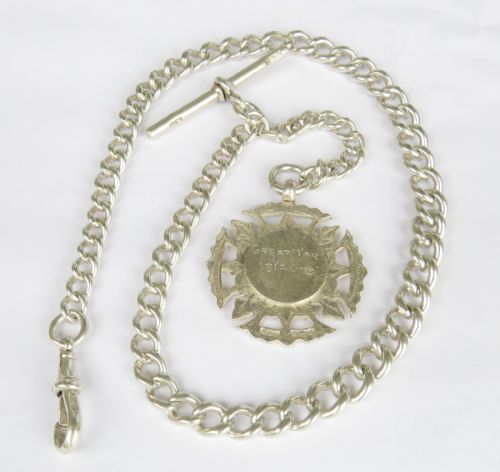
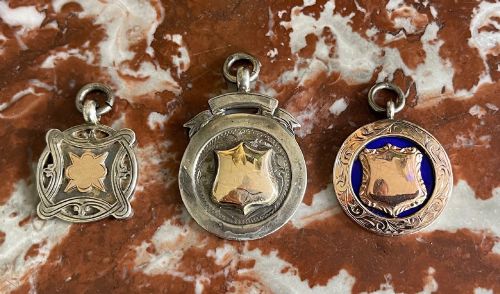
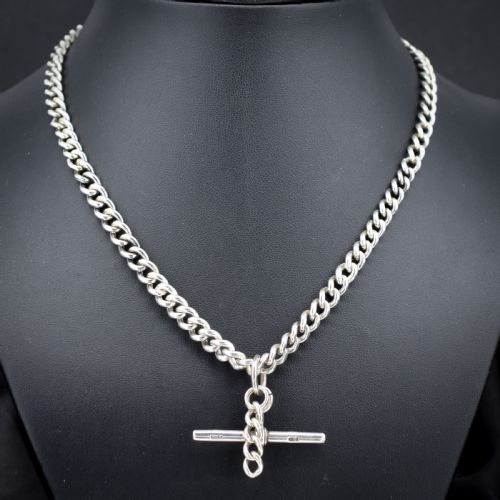
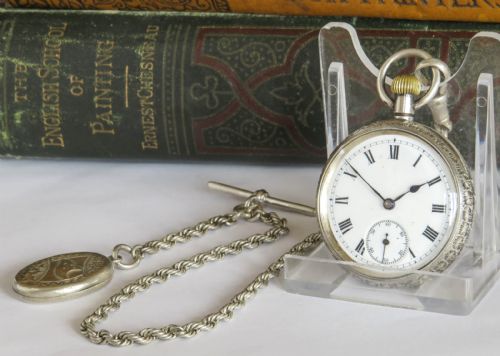
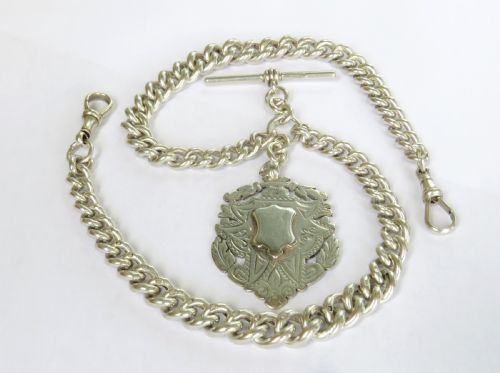
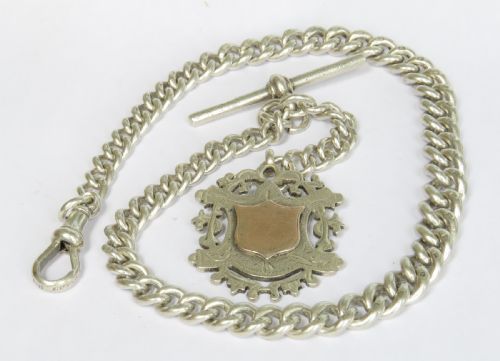
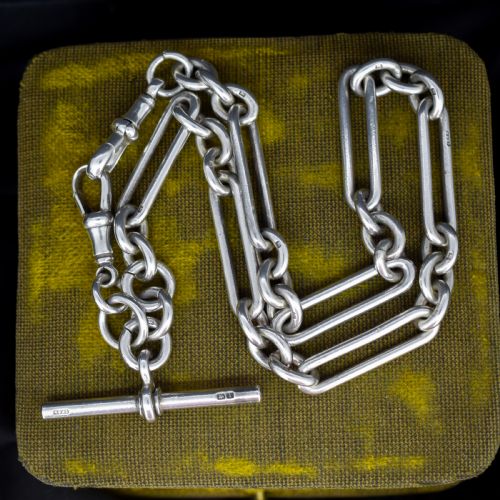
Pieces bearing hallmarks from this era often arrive paired with curb link or trombone link chains, sometimes incorporating fob medals or charms. The selection frequently includes railway timepieces and robust trench models from the First World War period.
Beyond standalone timepieces, the period produced silver watch stands and holders designed to display pocket watches on desks and bedside tables. These items reflect the domestic and professional routines of the era, combining practical utility with refined metalwork.
Materials and construction methods
Makers utilised sterling silver for cases, albert chains, and sovereign holders, frequently applying hallmarks that record assay offices such as Birmingham and London alongside specific dates. Movement components incorporated brass, steel, and nickel, while select dials featured enamel numerals.
Watch chains were assembled by hand from varied link formations including uniform curb, figaro, and trombone patterns, fitted with swivel dog clips and T-bars. Outer cases often utilised dust-resistant hinged mechanisms, while specialty military items integrated protective metal shrapnel guards.
Listings span materials from sterling silver and gold to niello, brass, and glass, originating across the Victorian, Edwardian, and First World War eras.
Factors influencing quality
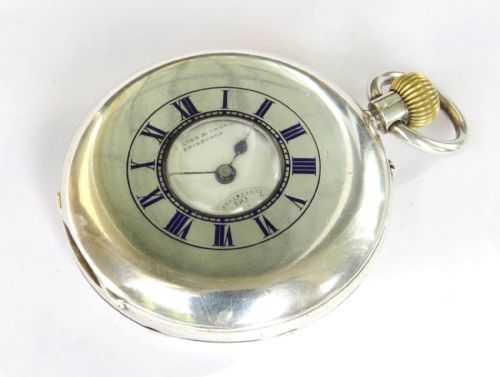
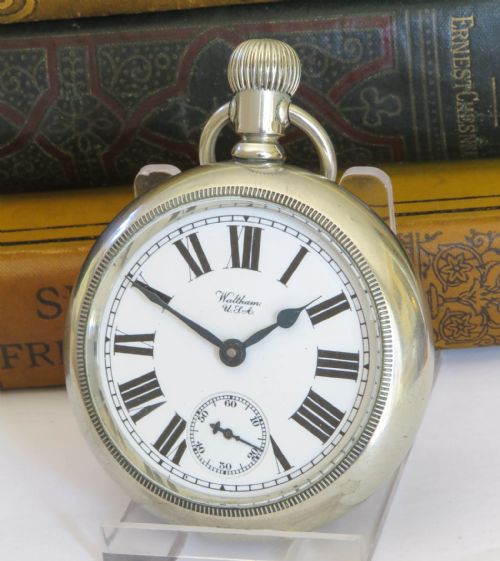
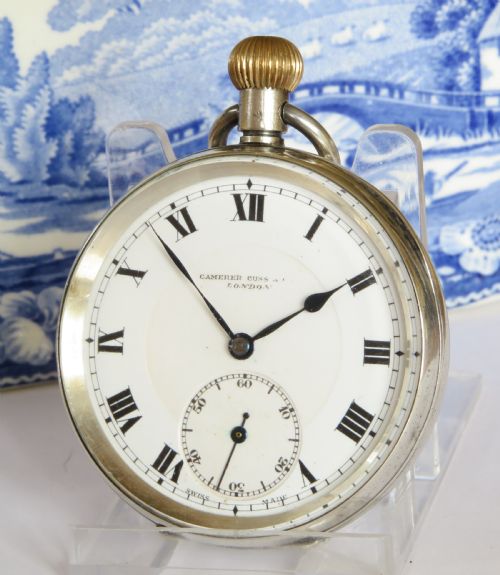
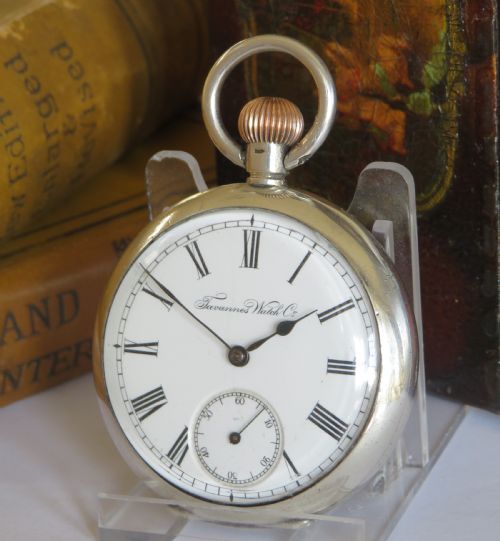
Quality rests upon the crispness of the case hallmarks, the integrity of the silver links, and the original mechanical condition of the movement itself. Finer examples retain unpolished cases with sharp edges and fully legible dial inscriptions from makers such as Waltham or Hamilton & Inches.
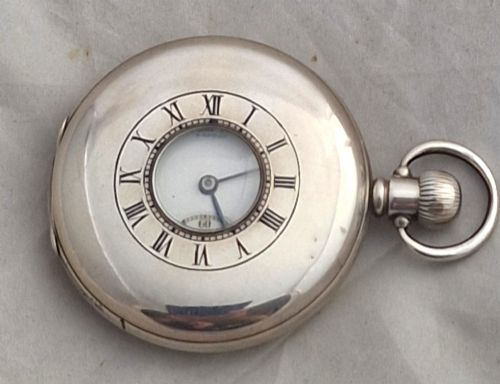
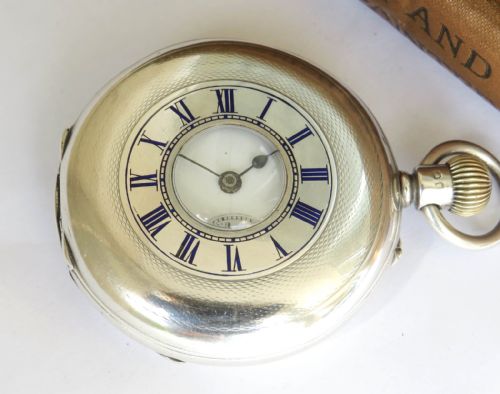
The presence of matching hallmarks across components, substantial weight in the albert chains, and undamaged enamel dials elevate specific pieces above standard utilitarian items. Superior execution shows in complex movements, such as eight-day reserves or half hunter protective covers with clear glass apertures.
Hamilton & Inches·Hinds London·Aaron Lufkin Dennison·Camerer Cuss·H Samuel Acme
The Edwardian Silver Watch Glossary
- Albert chain
- A short length of chain worn across a waistcoat, used to secure a pocket watch to a buttonhole. These chains often feature T-bars and dog clips.
- Half hunter
- A pocket watch featuring an outer case with a glass-centred circular window, permitting the time to be read without opening the cover.
- Sovereign case
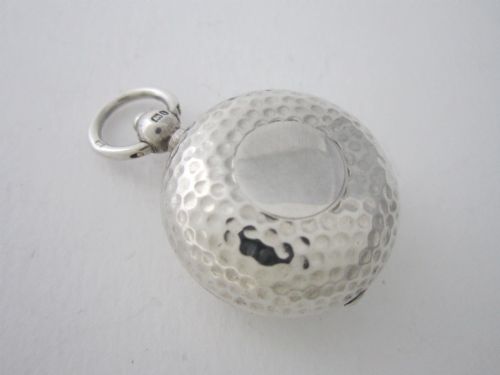
- A small, hinged metal container shaped to hold gold sovereign coins securely in the pocket. Many examples incorporate spring-loaded dispensing mechanisms.
- T-bar
- The crossbar attached to the middle of an albert chain designed to slide through a waistcoat buttonhole. It anchors the chain securely during daily wear.
- Watch fob
- An ornamental pendant or medal suspended from a watch chain. These frequently commemorate railway service, civic societies, or military achievements.
Edwardian Silver Watch: Frequently Asked Questions
How do I wind a pocket watch?
Most pocket watches wind via the crown at the top or through a dedicated key-wound mechanism at the back of the movement.
Turn the crown gently clockwise until resistance indicates the mainspring is fully tensioned, avoiding excessive force to protect vintage components.
What is an albert chain used for?
An albert chain secures a pocket watch to a garment, passing through a buttonhole via a T-bar while the watch rests safely in a pocket.
The opposite end of the chain often suspends a fob, whistle, or sovereign case as a decorative counterweight.
Can I wear a pocket watch daily?
Wearing a pocket watch daily remains practical provided the movement receives regular professional servicing and protection from moisture and sharp impacts.
Pairing the watch with a sturdy sterling silver albert chain ensures it stays safely anchored to your clothing.
How do I identify the date?
Assay office hallmarks stamped onto the silver components provide the most reliable indication of production dates and origins.
Specific letter stamps correspond to the year the piece was tested and marked, while maker's marks identify the firm responsible for assembly.