
Swiss Silver Timepiece
A swiss silver timepiece brings together precision engineering and traditional metalwork, offering a dependable mechanical object to wear or carry daily.
Swiss Silver Timepiece
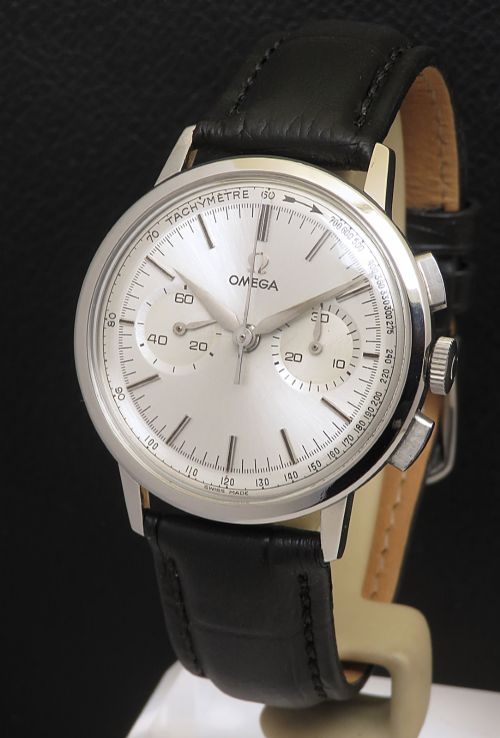
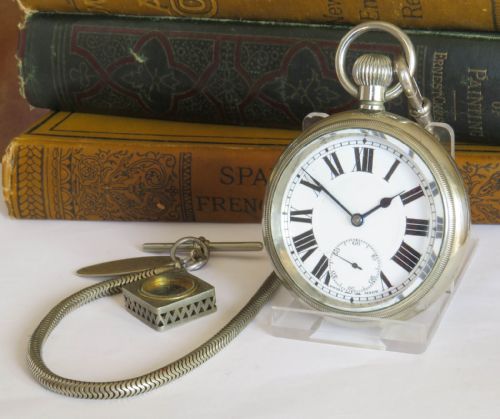
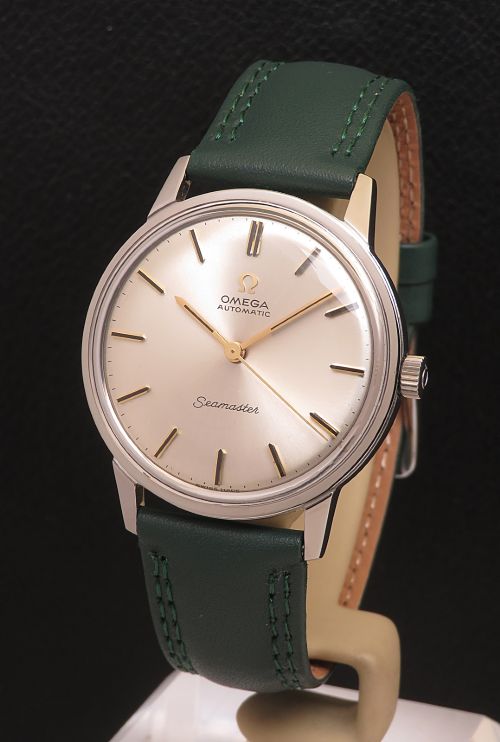
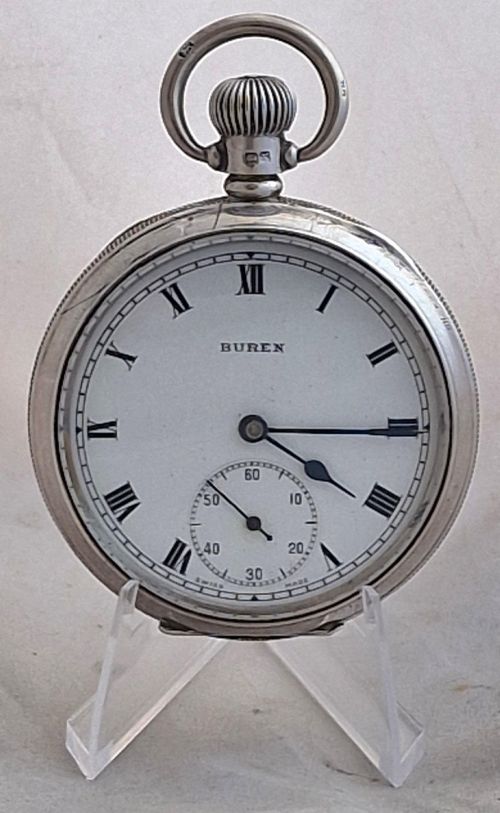
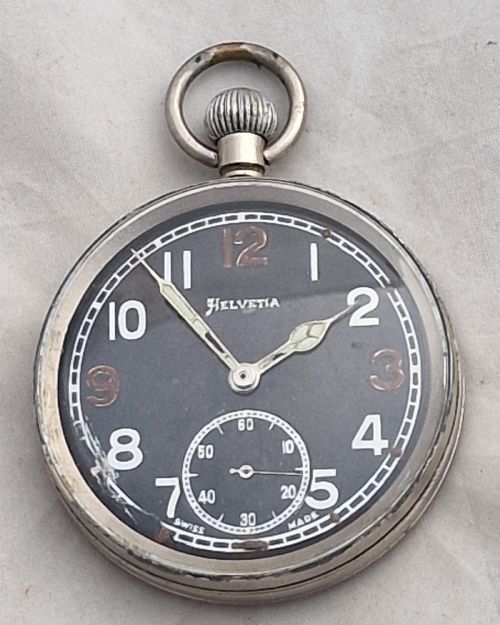
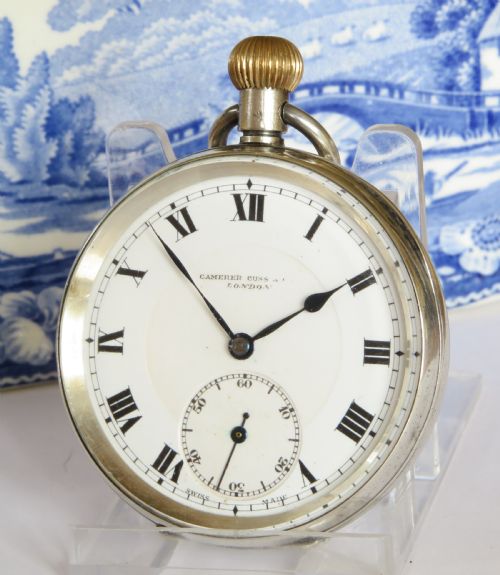
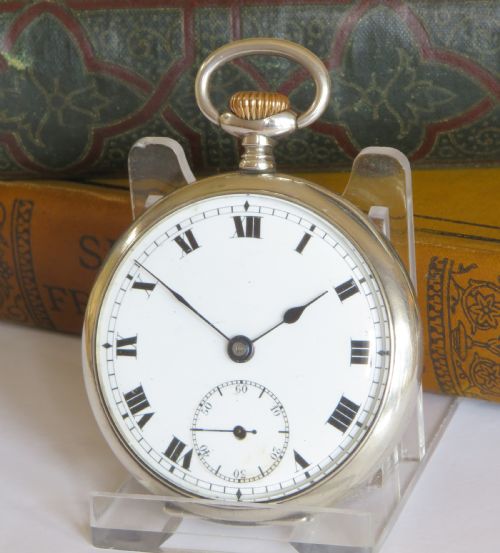
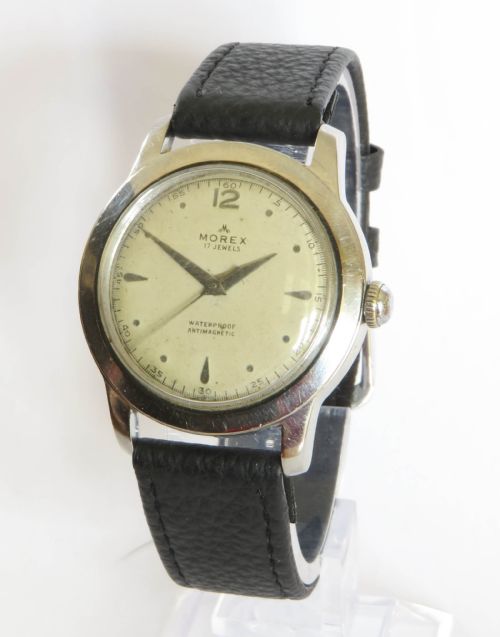
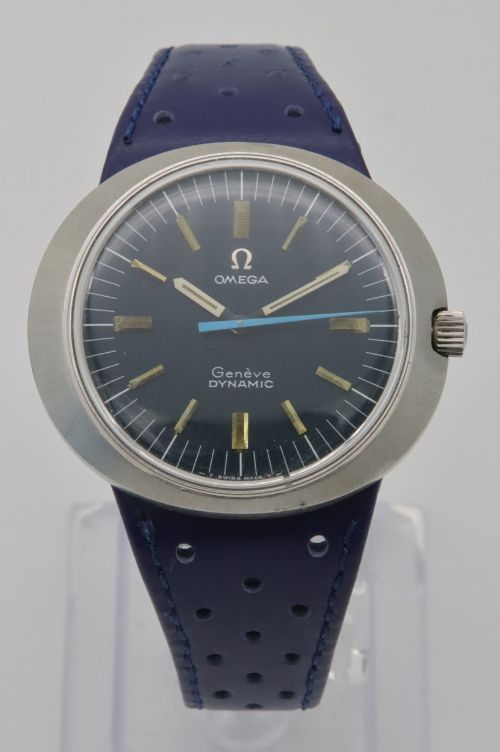
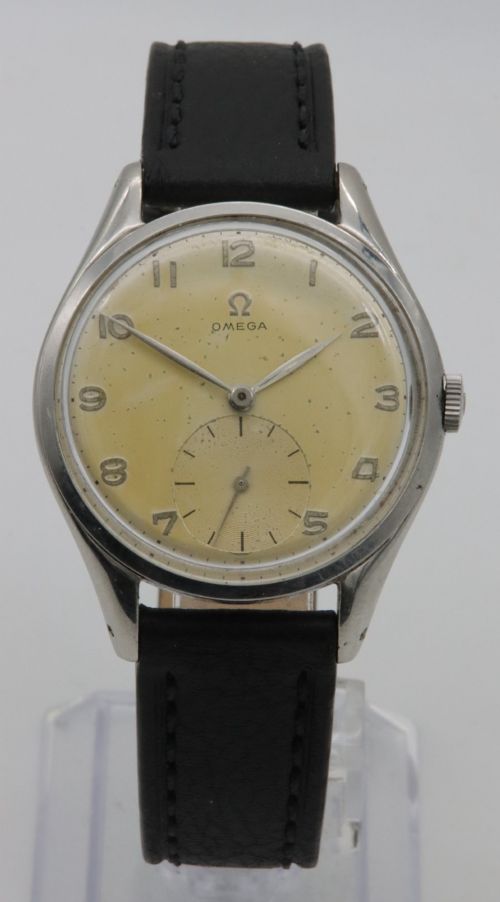
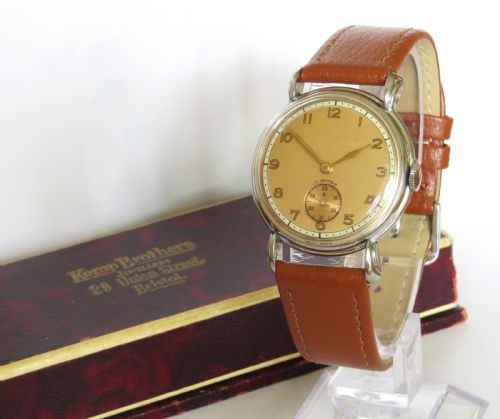
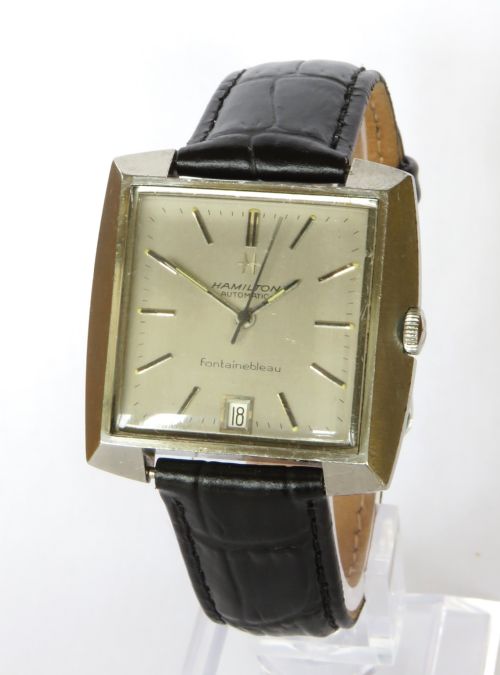
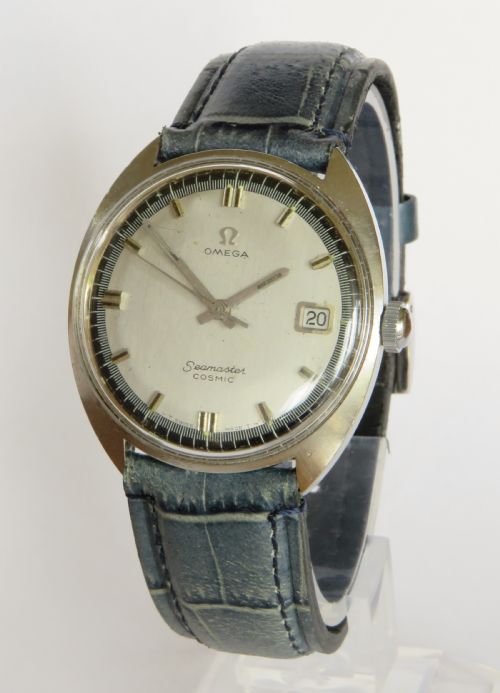
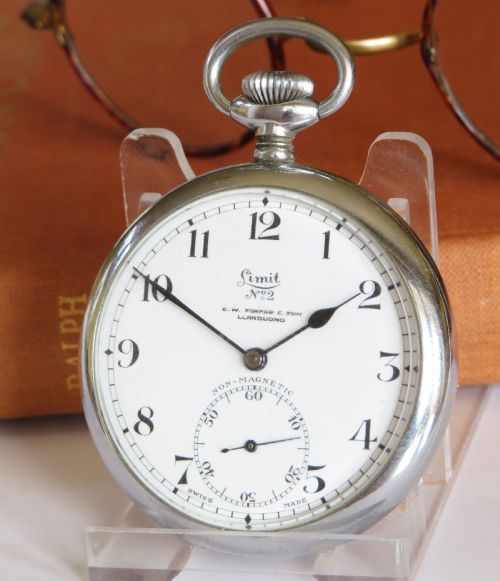
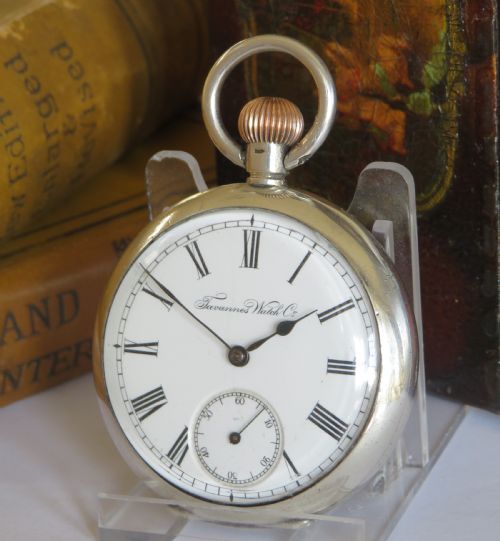
When searching for a swiss silver timepiece, buyers encounter a selection of pocket watches, fob watches, and wristwatches spanning from the late Victorian period through the mid-twentieth century. These items include both open-face and full-hunter pocket designs alongside early mechanical wristwatches.
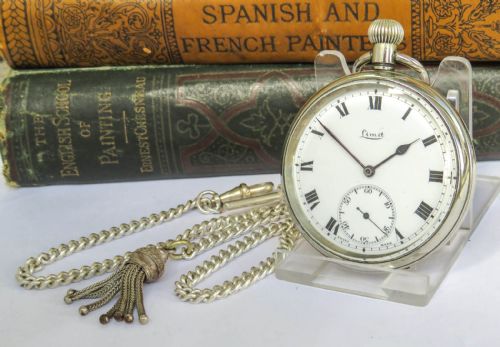
The versions most commonly met on this page date from the Edwardian era to the 1960s, reflecting shifts from pocket transport to wrist-worn convenience. Formats range from plain utilitarian military issues to decorative dress pieces paired with chains and fobs.
Makers and retailers represented across the selection include established Swiss watchmakers alongside British firms that imported Swiss movements. Each piece demonstrates the enduring utility of mechanical timekeeping housed in precious metal cases.
Materials and Construction
Cases utilise sterling silver, complemented by glass crystals protecting the dial and enamel for chapter rings or maker signatures. Leather straps appear on wrist models, while pocket variants frequently connect to silver alberts, steel chains, or added compass accessories.
Movements rely on mechanical gear trains driven by mainsprings, requiring manual winding or automatic rotor systems developed through the twentieth century. Component parts are machined and assembled by hand to ensure regular oscillation of the balance wheel.
Several pocket watches arrive accompanied by tiny compasses, ensuring you can navigate even if you completely lose track of time.
Assessing Quality and Execution
The distinction between standard production and superior examples lies in the refinement of the movement and the crispness of the case hallmarks. Higher-tier pieces feature adjusted movements with multiple ruby jewel bearings designed to reduce friction and improve timekeeping accuracy under various temperatures.
Dial preservation and case integrity heavily influence the character of each piece. Original enamel dials free of hairline cracks and cases retaining sharp edges and clear maker signatures represent the upper echelon of surviving examples.
Omega·Longines·Buren·Camerer Cuss·Tavannes·Stauffer
The Swiss Silver Timepiece Glossary
- Full hunter
- A pocket watch featuring a spring-loaded metal cover that protects the glass crystal from scratching and impacts. The cover is released via a push-piece on the crown.
- Chronograph
- A watch equipped with a complication that allows it to function as a stopwatch alongside standard timekeeping. These models include independent sweep-seconds hands.
- Calibre
- The specific manufacturer's designation for a particular watch movement design. It helps identify the internal layout and component parts of the mechanism.
- Albert
- A type of watch chain attached to a pocket watch, designed to be secured through a buttonhole or fastened to a waistcoat pocket. They frequently incorporate associated fobs or charms.
- Manual wind
- A mechanical watch movement that requires the wearer to turn the crown by hand to tension the mainspring. This differs from self-winding automatic systems.
Swiss Silver Timepiece: Frequently Asked Questions
How do I wind a vintage mechanical watch?
Rotate the crown clockwise between your thumb and forefinger until you feel gentle resistance. Stop immediately to avoid over-tensioning the mainspring.
Wind the piece at roughly the same time each day to maintain consistent tension and stable timekeeping performance.
Can I wear a vintage silver watch daily?
Many examples remain robust enough for regular wear provided they have received recent mechanical service. Avoid exposing older models to excessive moisture or strong magnetic fields.
Pocket versions require a secure albert chain and a dedicated waistcoat or jacket pocket to prevent accidental drops.
What is the difference between an automatic and manual watch?
Manual movements rely entirely on the wearer hand-winding the mainspring via the crown. They feature fewer internal components dedicated to winding.
Automatic versions incorporate an internal oscillating weight that spins with wrist movement, continuously tensioning the spring while worn.
How do I read silver hallmarks on a watch case?
Hallmarks stamped inside the caseback indicate the purity of the metal, the assay office, and the year of manufacture. Swiss cases often feature specific marks denoting silver fineness alongside importer stamps for the British market.
Examining these small marks requires a loupe to properly interpret the standard symbols and date letters.