
Sub Dial Watch
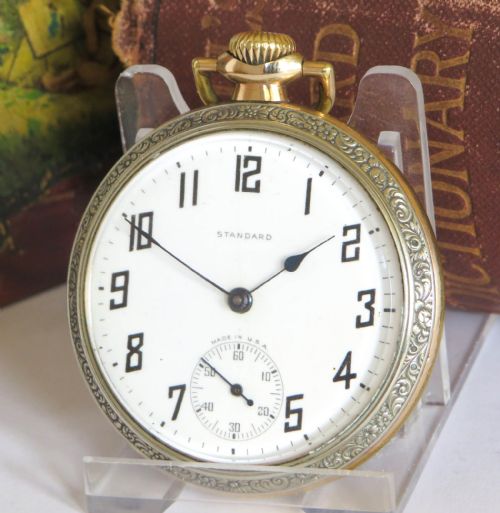
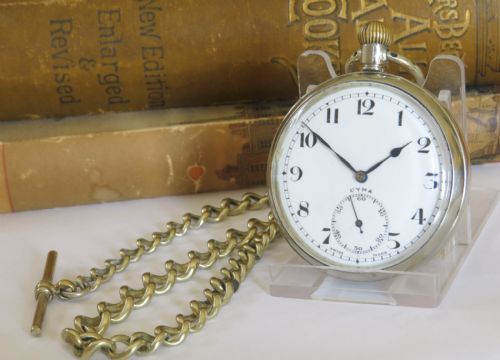
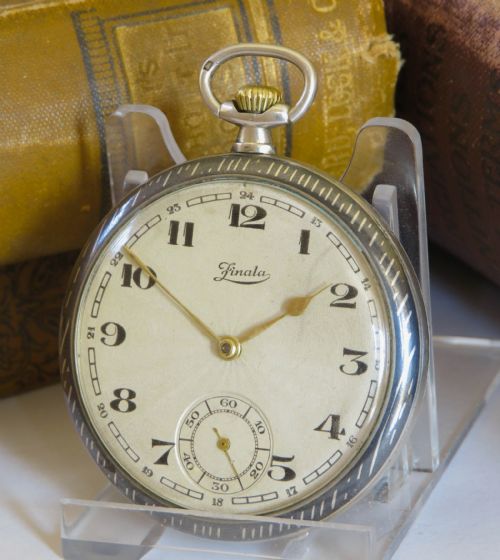
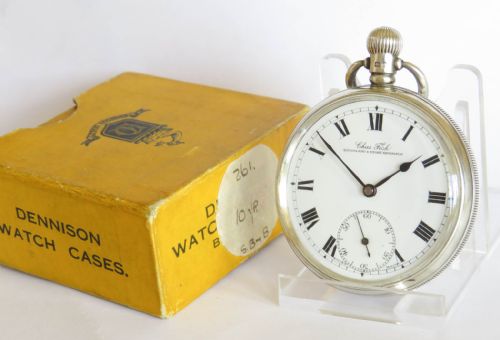
A sub dial watch groups pocket watches and wristwatches featuring a distinct secondary register for seconds, prized for clean mechanical layout and historic character.
Sub Dial Watch
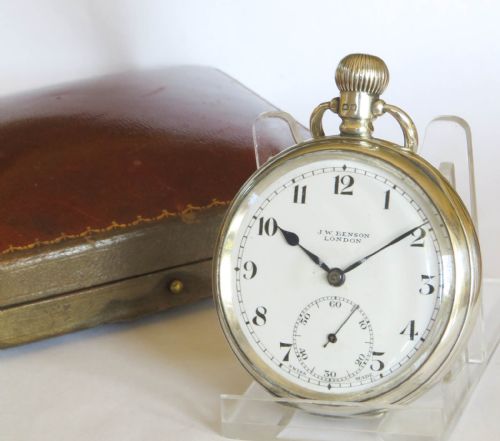
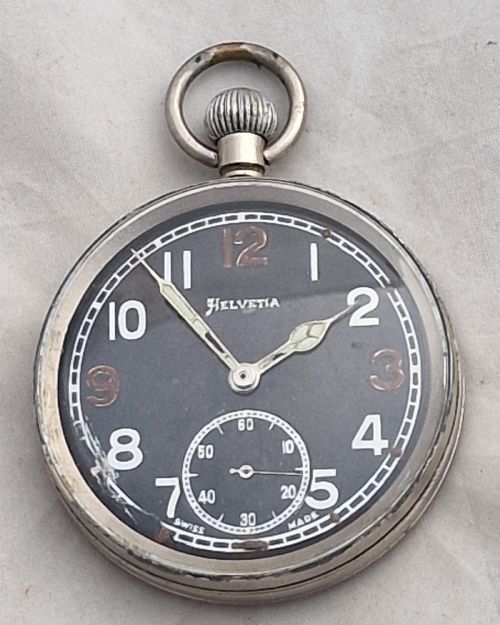
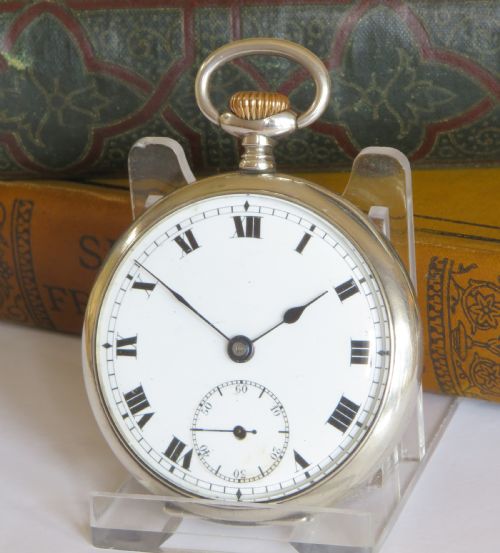
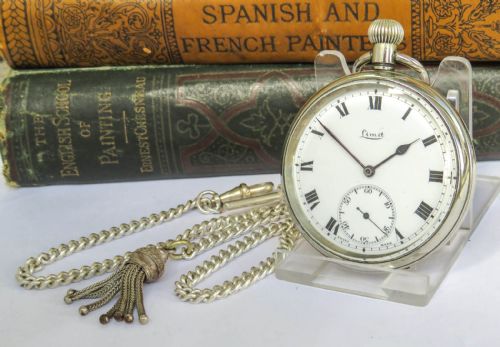
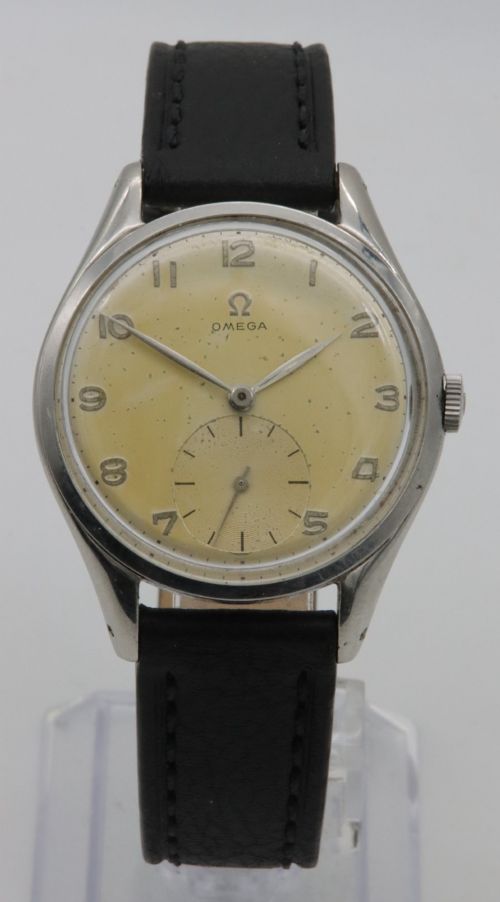
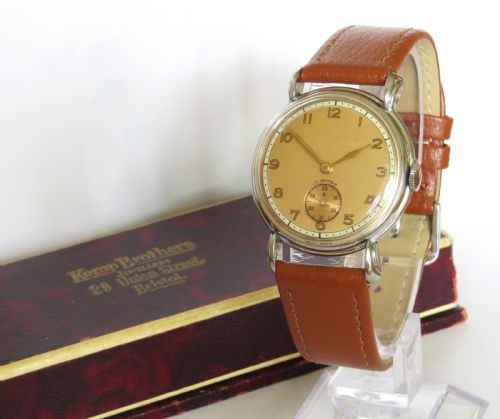
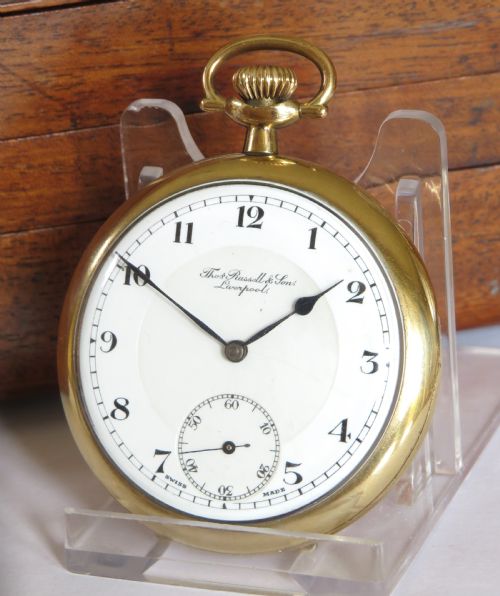
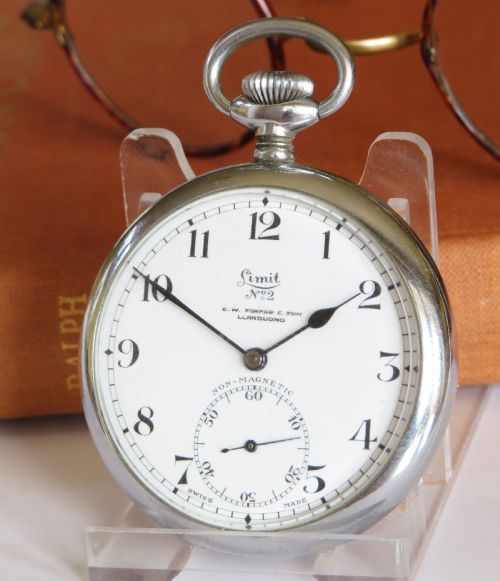
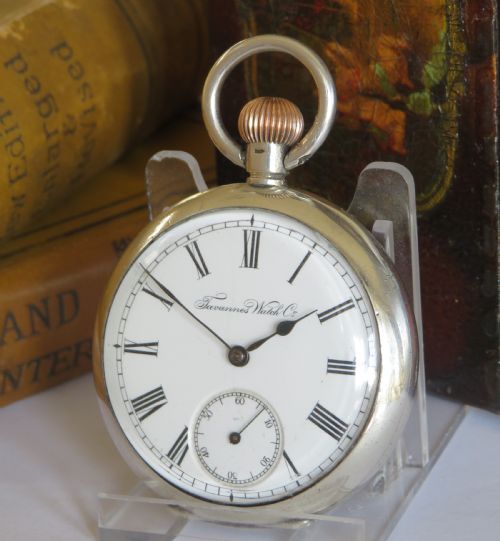
When you search for a sub dial watch, you encounter timepieces that relegate the second hand to a separate subsidiary register, usually positioned above the six o'clock marker. The pieces on this page span the Victorian era through the mid-twentieth century, encompassing both pocket watches and wristwatches.
The most frequent form on this page is the pocket watch from the interwar period and earlier decades, often cased in silver, nickel, or gunmetal. Wristwatch variants appear frequently from the nineteen-forties and nineteen-fifties, featuring manual wind movements and classic leather straps.
Origins range widely across Swiss workshops, British retailers, and military contracts from the Second World War. These pieces reflect the functional shift from pocket carriage to wrist placement across the first half of the twentieth century.
Materials and construction methods
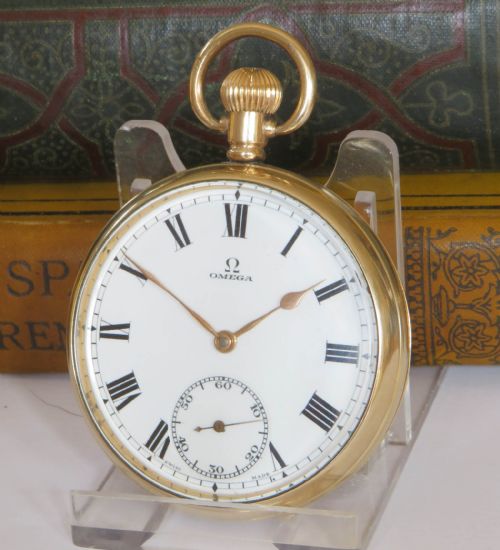
Cases rely on traditional metals such as sterling silver, gold plate, solid gold, stainless steel, brass, and gunmetal, paired with protective glass crystals over enamel or metal dials. Leather straps complete the wristwatch formats, while pocket variants incorporate metal chains.
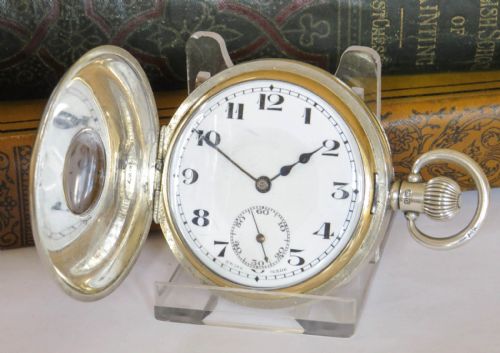
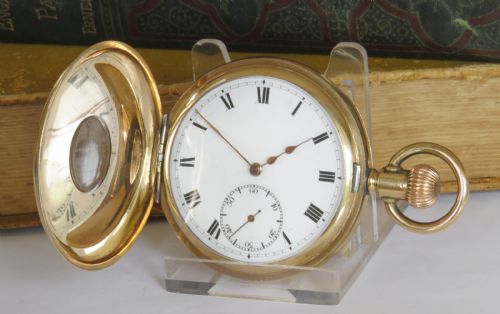
Movements utilise mechanical manual wind calibres housed within protective outer cases, sometimes featuring screw-down backs or half-hunter hinged covers. Enamel dials provide a durable white surface for painted numerals, while later models incorporate textured metallic finishes with applied markers.
Military aviators relied on oversized sub seconds dials to ensure exact timing during mid-century flight operations.
Assessing quality in historical timepieces
Quality rests in the refinement of the movement and the integrity of the dial. Pieces bearing signed movements from established makers demonstrate superior mechanical finishing compared to unbranded alternatives.
The preservation of the original dial surface heavily influences desirability. Crisp printing on enamel or metal, alongside unpolished case edges and correct matching components, distinguishes finer examples.
J W Benson·Helvetia·Omega·Record·Limit Revue·Thomas Russell and Son·Cyma·Silvana·Bravingtons·Stauffer·Waltham·Zenith·H Samuel·Smiths·Hamilton·Longines·Wagner·Tellus·Jaeger-LeCoultre
The Sub Dial Watch Glossary
- Sub dial
- A secondary circular register on the face of a watch, typically tracking seconds independently of the main hour and minute hands. This layout defines the visual character of traditional mechanical movements.
- Hunter pocket watch
- A pocket watch featuring a spring-loaded metal cover that protects the glass crystal. The cover opens via a push-piece on the crown.
- Half hunter pocket watch
- A pocket watch with a case cover containing a small glass or open aperture in the centre. This allows the wearer to check the time without opening the protective lid.
- Manual wind
- A mechanical movement powered by manually turning the crown to tension the mainspring. These movements lack automatic rotor weights.
- Calibre
- The specific internal mechanical movement designation assigned by the manufacturer. Collectors reference calibres to identify the exact vintage and architecture of the mechanism.
Sub Dial Watch: Frequently Asked Questions
What is a sub dial watch?
A sub dial watch is a timepiece featuring a secondary auxiliary register on the dial face, traditionally dedicated to tracking seconds.
This design separates the primary hour and minute display from the subsidiary seconds circle, creating a balanced mechanical aesthetic seen across vintage pocket watches and early wristwatches.
How do I wind a vintage watch?
Wind the watch by rotating the crown clockwise between your thumb and forefinger until you feel gentle resistance. Stop immediately upon meeting this tension to avoid damaging the mainspring.
Most vintage mechanical pieces require daily winding to maintain accurate timekeeping throughout use.
Are these watches waterproof?
Historical watches from the Victorian, Edwardian, and mid-century periods lack modern waterproof sealing standards. Exposure to moisture, humidity, or immersion will cause internal damage to the movement and dial.
Keep these timepieces away from water entirely during daily wear.
How do I date a pocket watch?
Dating relies on movement serial numbers, case hallmarks, and stylistic markers such as dial typography and hand shapes. British silver and gold cases frequently display hallmark letters that indicate the exact year of assay.
Matching the movement serial number to manufacturer production records provides a precise year of manufacture.