

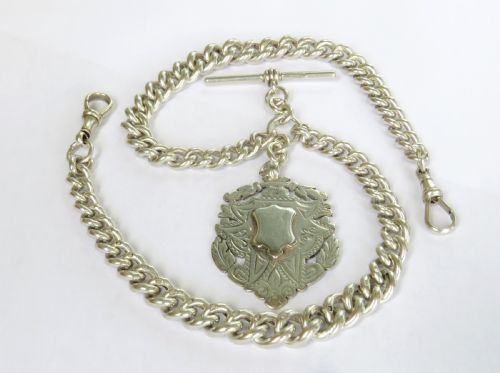
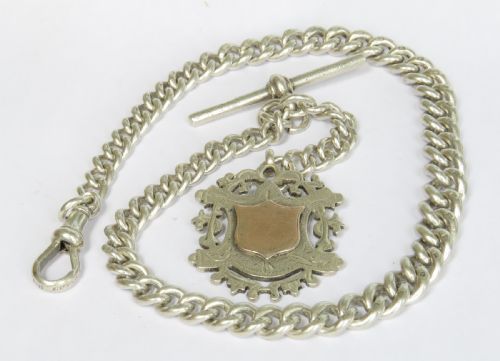
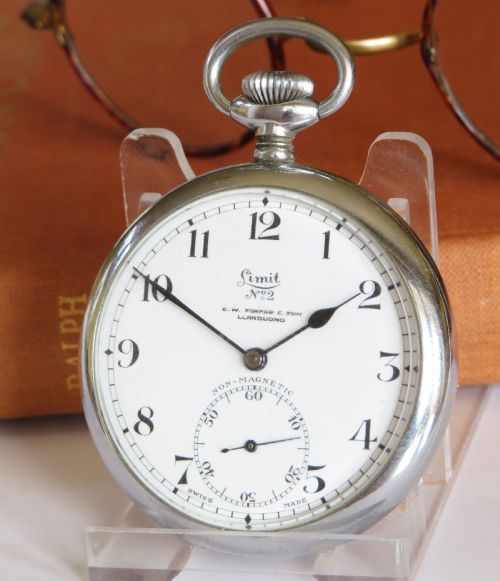
Vintage Silver Fob Watch
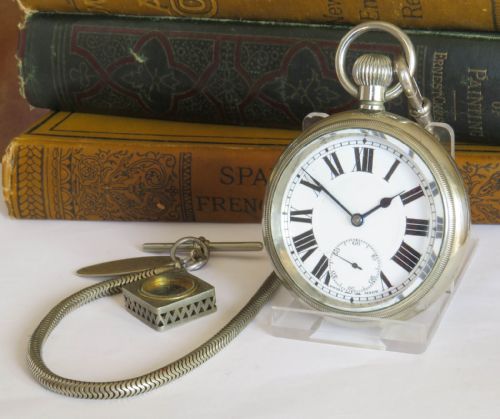
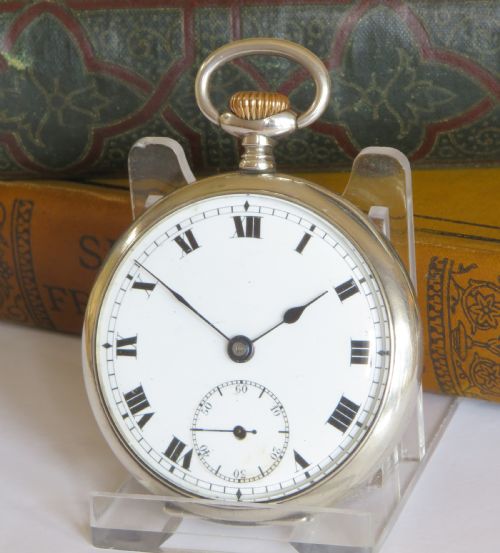
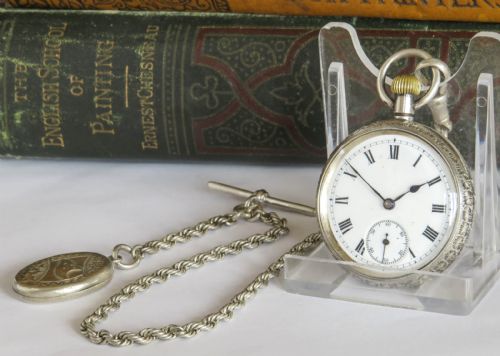
A vintage silver fob watch is a portable timepiece designed to be carried in a pocket or worn with an albert chain, offering mechanical charm and period design.
Vintage Silver Fob Watch
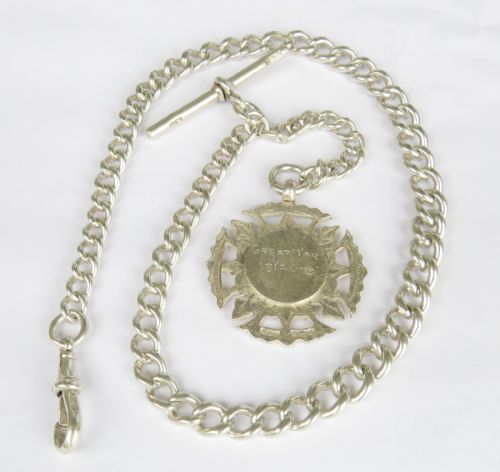
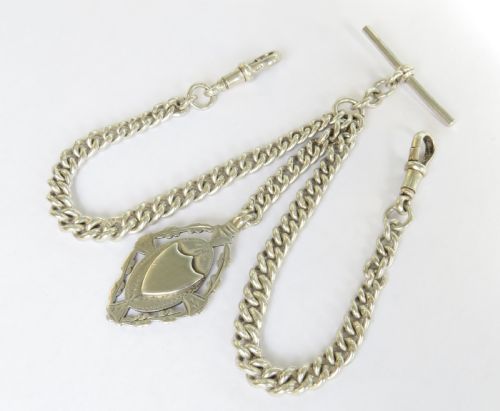
When you search for a vintage silver fob watch, you encounter a variety of pocket timepieces and connected albert chains originating from the nineteenth and twentieth centuries. The selection spans Victorian, Edwardian, and Art Deco eras, capturing decades of horological and silver-working history.
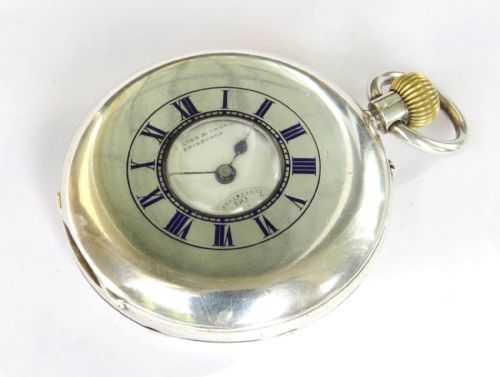
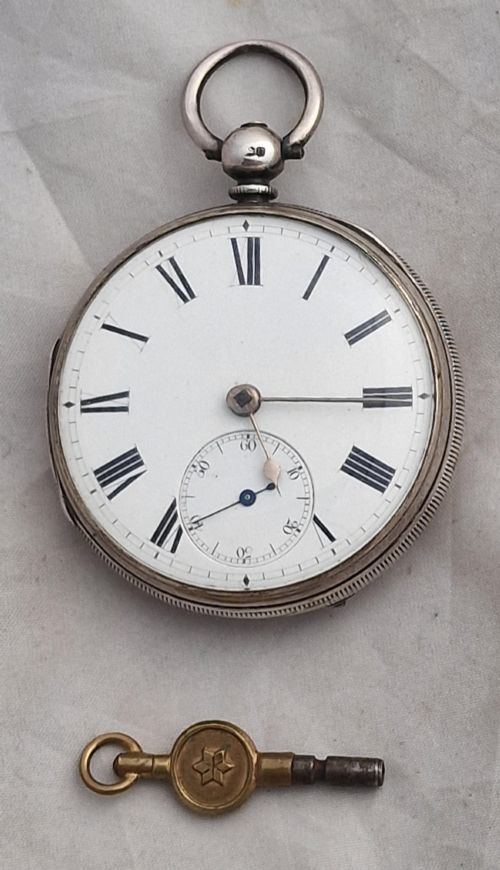
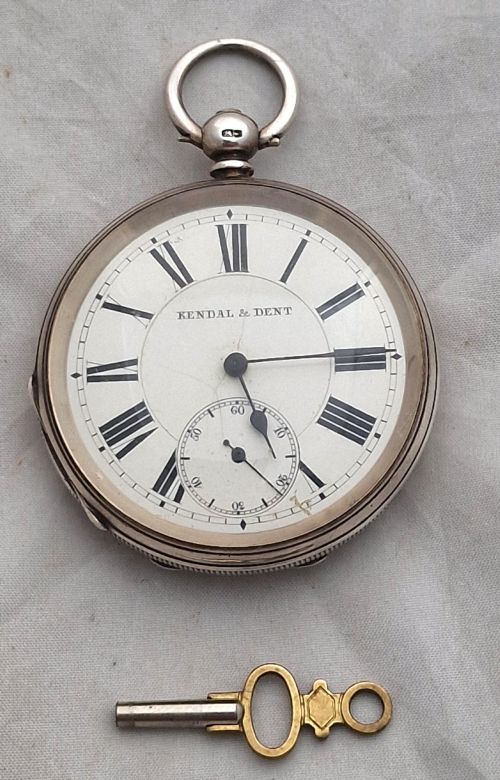
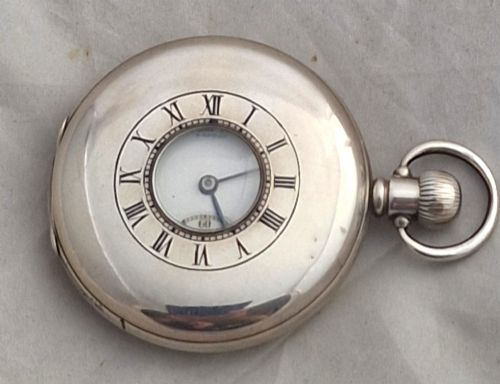
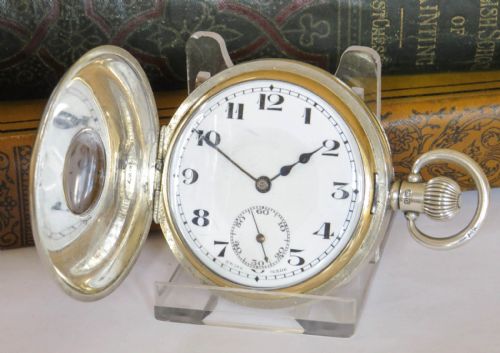
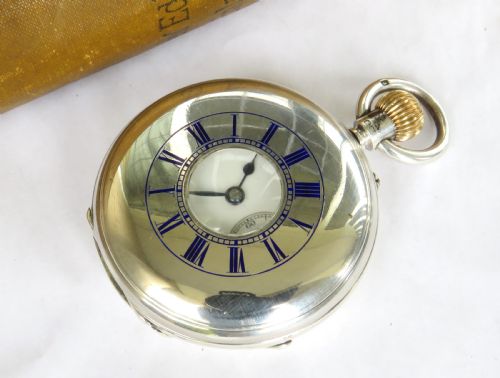
The most common versions met on this page include sterling silver hunter and half-hunter pocket watches, often paired with matching watch chains and decorative fobs. Pieces range from plain utility timekeepers to complex chronographs and items bearing commemorative inscriptions.
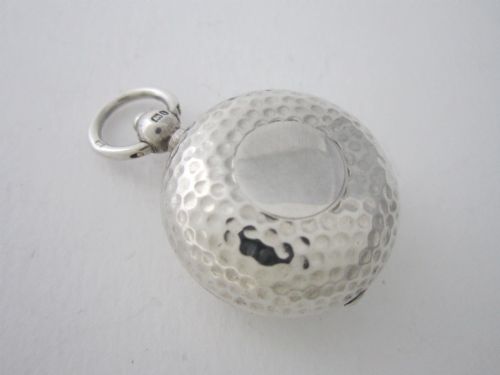
Beyond standalone timepieces, the offerings frequently incorporate sovereign cases and pendant attachments fashioned from silver, enamel, and glass. These items reflect the personal accessories worn daily during the late nineteenth and early twentieth centuries.
How they were made
The construction of these pieces relies primarily on silver and sterling silver for the watch cases, chains, and fobs. Additional materials such as brass, steel, nickel, enamel, and glass appear in dials, crystals, and decorative components.
Makers utilised traditional metalworking techniques to form heavy curb links, trombone links, and love knots for the albert chains. Watch movements incorporate mechanical gear systems, fusee mechanisms, and lever escapements housed within protective metal shields.
Vintage Silver Fob Watch Retail Price Guide 2026
Typical asking prices for vintage silver fob watch among the pieces listed under this phrase on Sellingantiques today, from the lower quarter to the upper quarter. They describe what is for sale here now, not the wider market.
Some chains carry tiny pig charms intended to bring good fortune, proving that pocket watch owners needed all the luck they could get.
What varies in quality
Quality in these items is determined by the precision of the watch movement and the substance of the silver work. Heavier gauge silver cases and solid chain links demonstrate superior durability and material weight.
The fineness of dial painting, the preservation of enamel details, and the complexity of internal movements distinguish standard timepieces from specialised chronographs and signed maker pieces.
Hamilton and Inches·Kendal and Dent·Aaron Lufkin Dennison·Tavannes·Waltham·Omega
The Vintage Silver Fob Watch Glossary
- Fob watch
- A pocket watch designed to be worn with a short strap or ribbon, or attached to a chain. These timepieces were standard accessories before wristwatch adoption.
- Albert chain
- A watch chain named after Prince Albert, worn across a waistcoat or attached to a garment. These chains often feature a central T-bar and hanging fob.
- Hunter pocket watch
- A pocket watch featuring a spring-loaded metal cover that protects the glass dial. The cover opens via a button mechanism on the crown.
- Half hunter pocket watch
- A watch case design incorporating a small glass aperture on the outer cover. This allows the wearer to view the hands without opening the case.
- Fusee movement
- A conical pulley mechanism used in older pocket watches to maintain even tension as the mainspring winds down. This system improves timekeeping accuracy.
Vintage Silver Fob Watch: Frequently Asked Questions
How do I wear a vintage silver fob watch?
These watches attach to an albert chain that threads through a buttonhole on a waistcoat or jacket. The watch rests safely in the pocket while the decorative fob and chain display across the front.
Alternatively, many chains function as necklaces or bracelet jewellery in modern styling. The versatility of the links allows for various personal arrangements.
How do I wind a mechanical pocket watch?
Gently turn the crown at the top of the watch clockwise until you feel slight resistance. Do not force the crown once it stops, as this can damage the internal mainspring.
Most vintage pieces require daily winding to maintain accurate timekeeping throughout use. Set the hands by pulling or pressing the small pin or crown depending on the specific movement design.
How can I tell the age of my silver watch?
British silver items typically feature hallmarks stamped inside the case back or on chain links. These marks indicate the assay office, standard of silver, and a date letter corresponding to the year of manufacture.
Inscriptions, maker names on the dial, and stylistic cues from periods like the Victorian or Art Deco eras provide further dating context.