
Antique Mechanical Timepiece
An antique mechanical timepiece offers precision engineering and classic design, bringing a tangible piece of horological history to daily wear or home display.
Antique Mechanical Timepiece
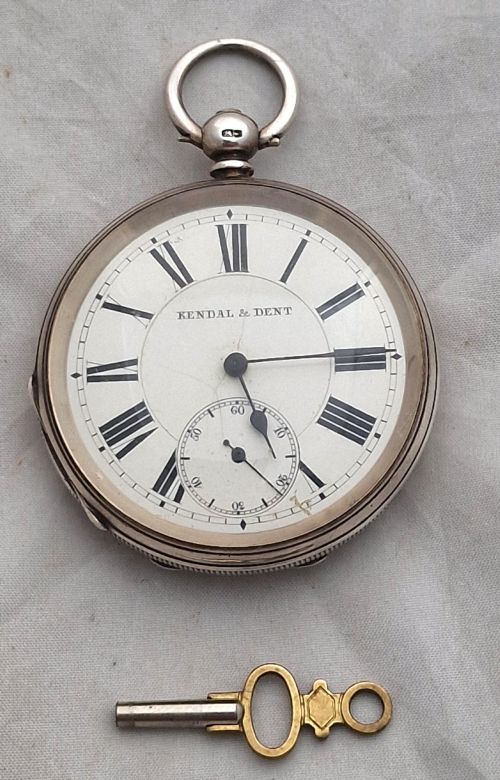
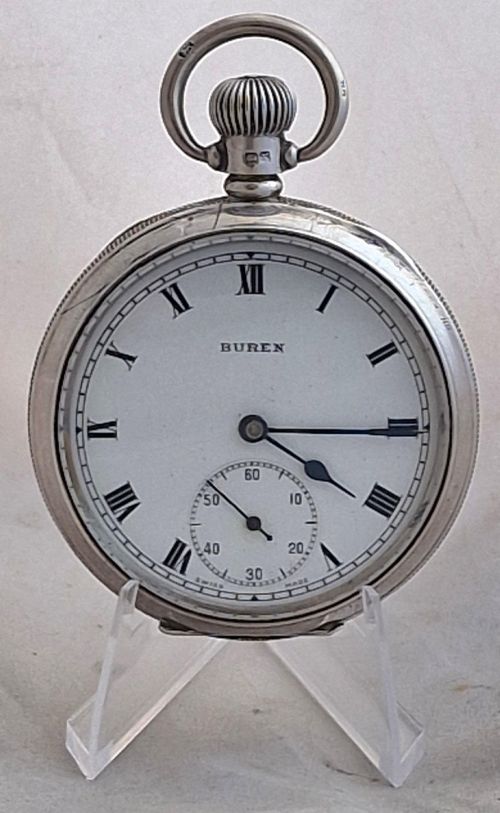
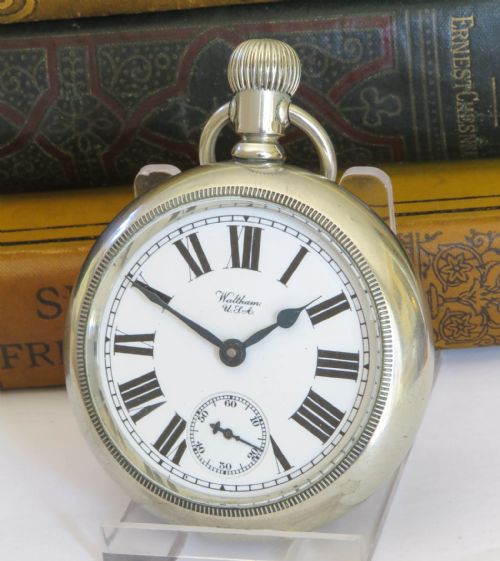
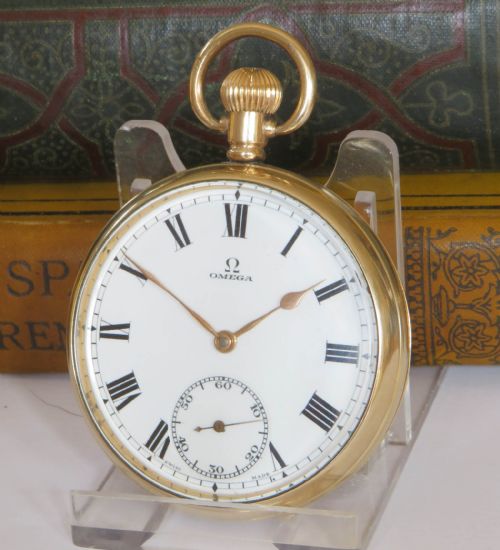
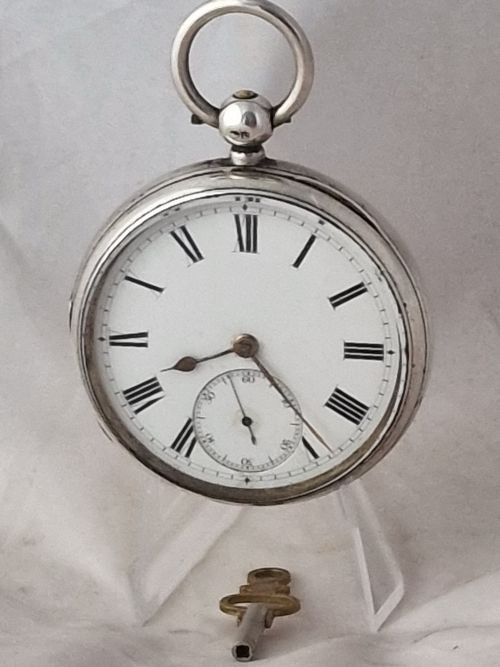
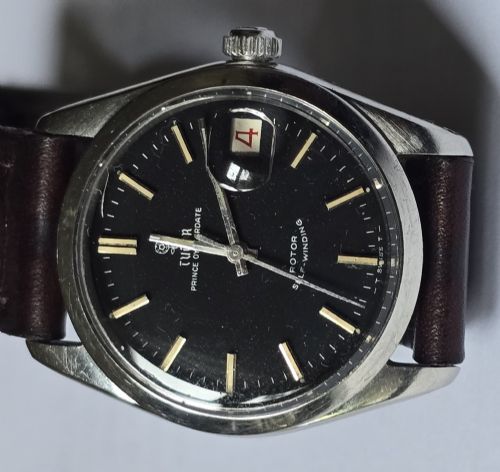
When searching for an antique mechanical timepiece, collectors encounter a diverse array of pocket watches, wristwatches, carriage clocks, mantel clocks, and wall clocks. These objects span from Victorian origins through the Edwardian era, Art Deco period, and into mid-century modern designs.
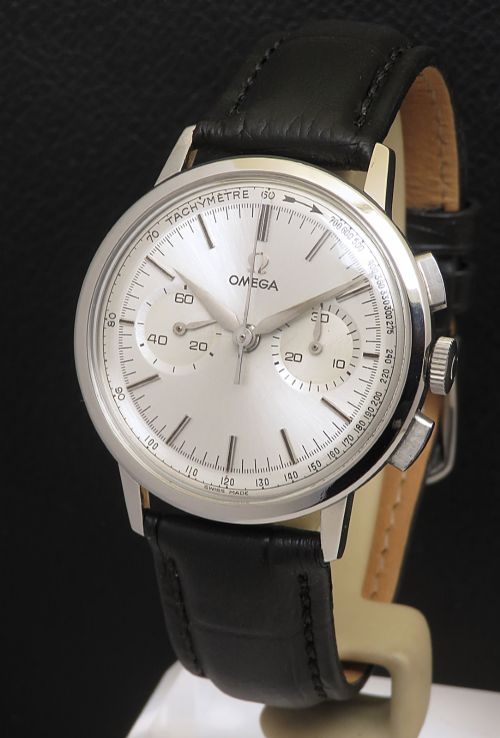
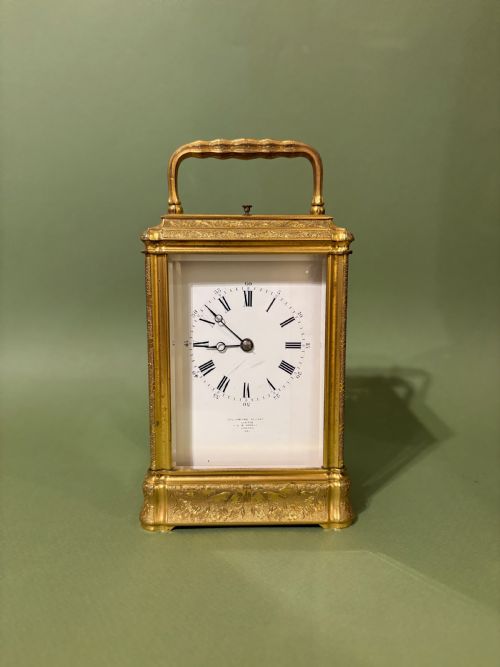
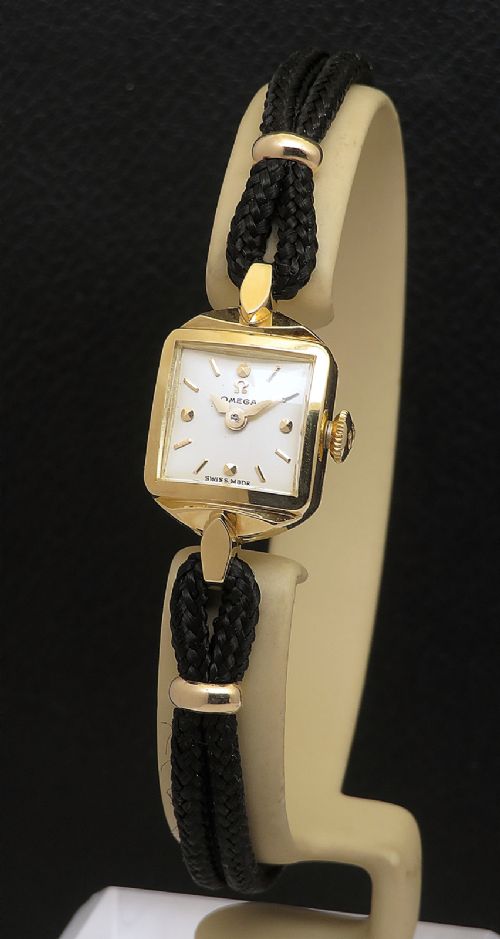
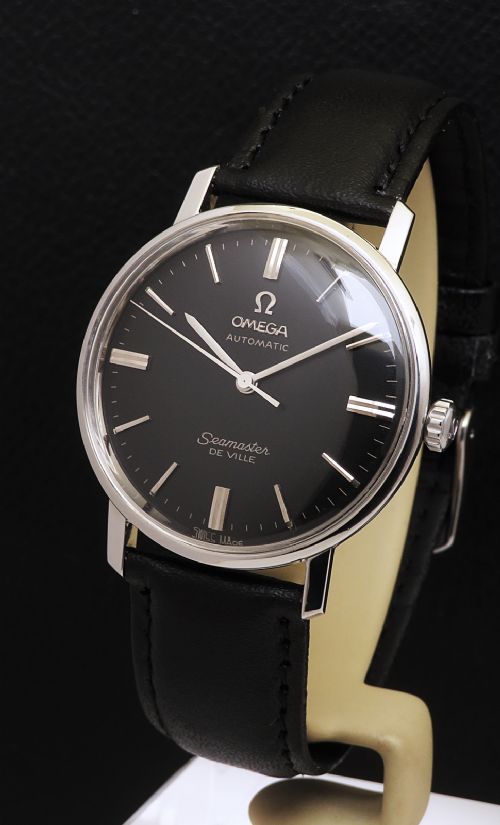
The pieces originating from British, French, and Swiss makers demonstrate how diverse these objects can be in form and function. Pocket watches and wristwatches dominate the smaller personal items, while fusee clocks and drop dial wall clocks represent the larger domestic and institutional timekeepers.
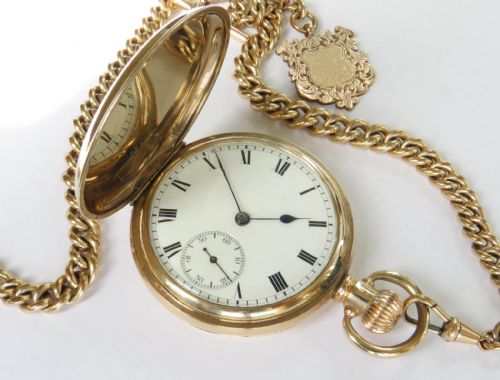
Victorian and early twentieth-century examples frequently employ robust movements housed in silver, gold, brass, or mahogany cases. Buyers select these items for their intricate internal mechanics and the distinct aesthetic of each historical period.
Materials and construction
Makers constructed the exterior cases of these timepieces using precious metals like silver and gold plate alongside durable brass, steel, and stainless steel. Inlay work in mahogany and polished glass or enamel dials completed the physical housing.
Internal mechanisms relied upon complex gear trains, escapements, and mainsprings to regulate time without electrical power. Many clock and watch movements utilised fusee chains or precision balance wheels assembled by hand.
Antique Mechanical Timepiece Retail Price Guide 2026
Typical asking prices for mechanical timepiece among the pieces listed under this phrase on Sellingantiques today, from the lower quarter to the upper quarter. They describe what is for sale here now, not the wider market.
Timby’s solar timepiece brought mid-nineteenth-century ingenuity to timekeeping by attempting to harness natural light.
Assessing quality in mechanical timepieces
The refinement of the movement significantly separates standard timekeepers from exceptional examples, often reflected in the reputation of the maker and the complexity of the escapement. Jewel bearings and fine adjustments to the balance wheel indicate superior workshop standards.
Case materials and decorative execution also define the upper tier of objects, whether through hand-engraved silver hunter cases, heavy ormolu mounts, or finely inlaid mahogany woodwork. Preservation of original components and legible enamel dials maintain the integrity of the piece.
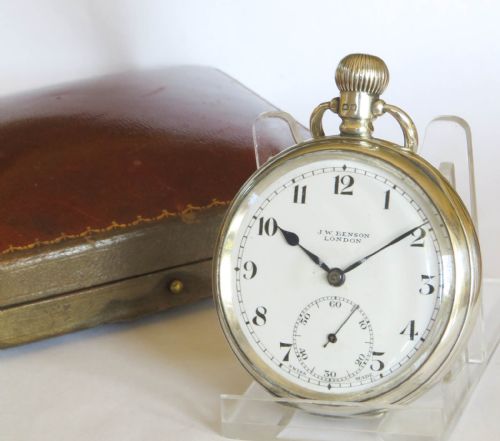
Hinds London·Waltham·J W Benson·Henri Jacot·Omega·Morex·Elgin·Rolex Wilsdorf and Davis·Cyma Navystar·Smiths·Thomas Russell and Son·R Stewart Glasgow·Lange and Sohne·Eterna·Bulova
The Antique Mechanical Timepiece Glossary
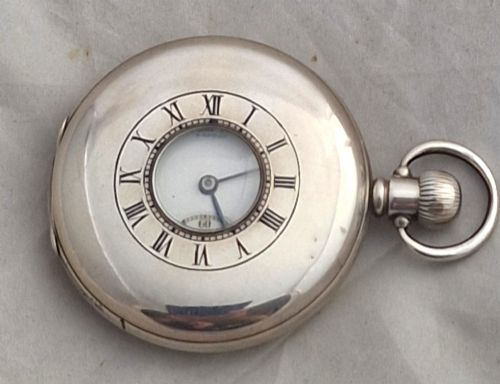
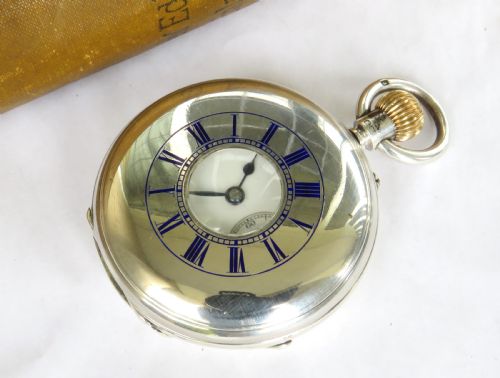
- Half Hunter
- A pocket watch case featuring a small glass or open circle in the outer cover, allowing the time to be read without opening the case entirely.
- Fusee
- A conical pulley used in mechanical clocks and pocket watches to equalize the diminishing power of the mainspring as it unwinds.
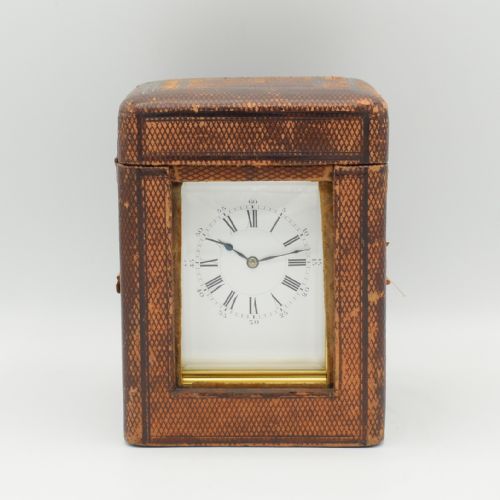
- Carriage Clock
- A small, spring-driven clock designed for travelling, typically housed in a brass frame with glass panels.
- Chronograph
- A mechanical timepiece equipped with a function for measuring elapsed time alongside normal timekeeping.
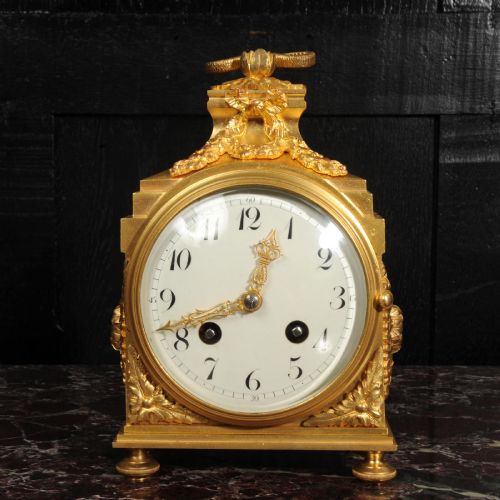
- Pendule d'Officier
- A French military officer's travel clock, usually featuring a striking movement and robust handle.
- Drop Dial Clock
- A wall clock featuring a circular dial above a short, glazed trunk that houses the pendulum.
Antique Mechanical Timepiece: Frequently Asked Questions
How do I wind a mechanical pocket watch?
Turn the crown clockwise until you feel firm resistance, taking care not to overwind the mainspring.
For key-wound models, insert the matching key into the dial or back plate arbor and turn gently.
How often should an antique clock be serviced?
Mechanical clocks generally require professional cleaning and oiling every three to five years to prevent wear on the brass pivots and gears.
Regular maintenance ensures the internal oils do not congeal and halt the movement of the timepiece.
Can I wear an antique wristwatch daily?
Many vintage wristwatches function reliably for daily wear, provided they receive regular servicing by a qualified horologist.
Early models typically lack modern water resistance and shock protection, requiring extra care during physical activities.