

Victorian Brass Desk Clock
A victorian brass desk clock brings heavy metal casing and precise mechanical movement to a writing surface, offering both utility and period presence.

Victorian Brass Desk Clock
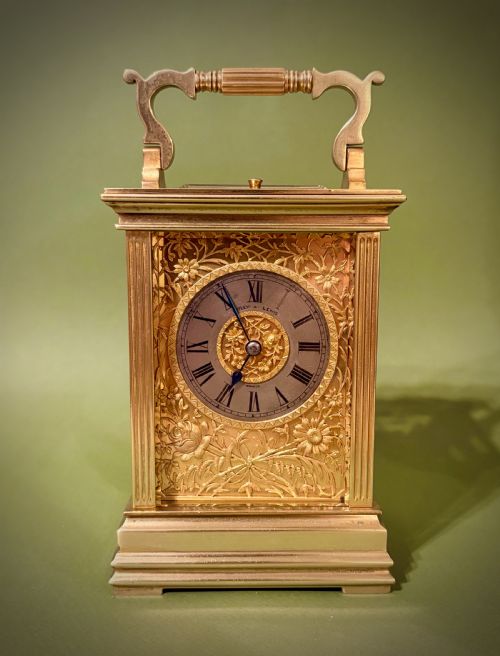
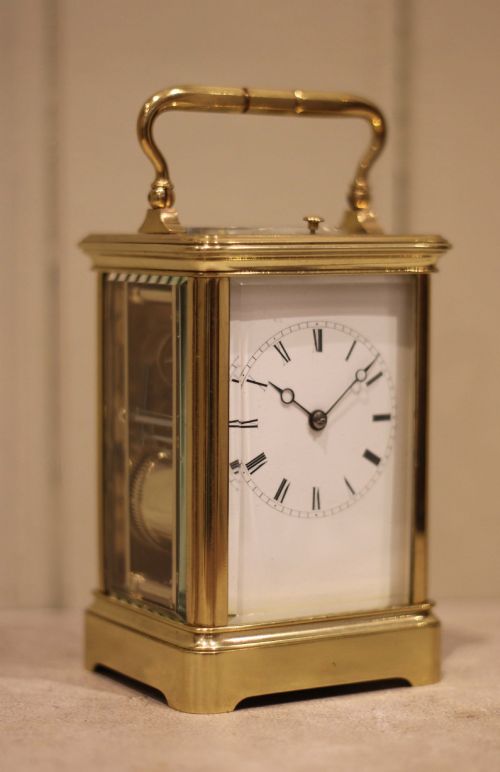
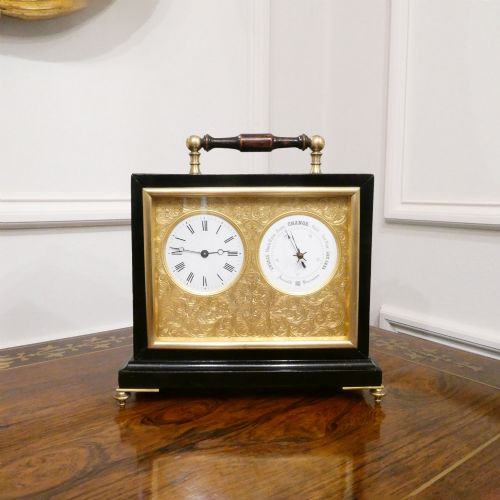
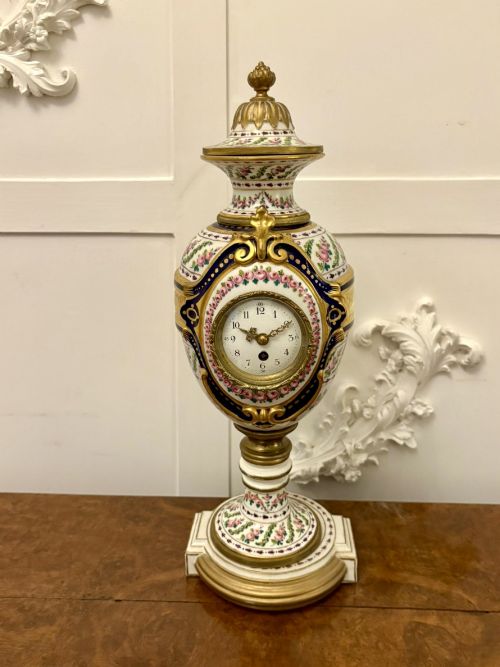
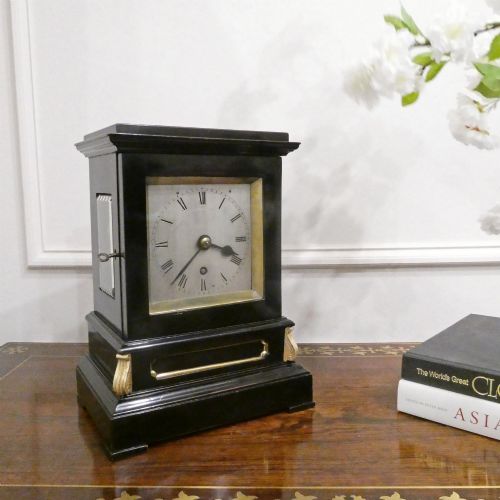
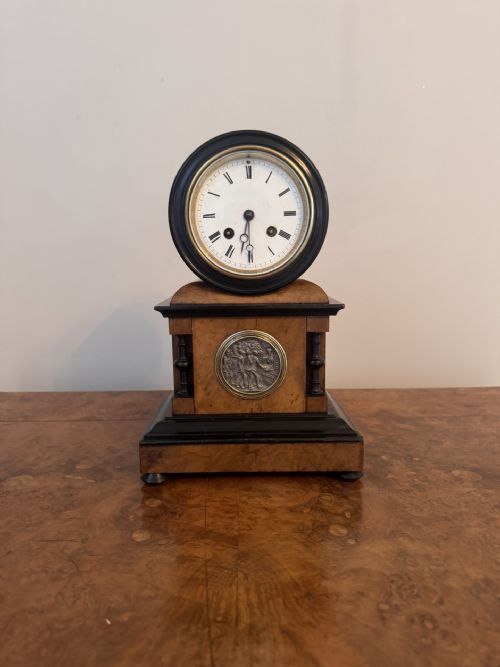
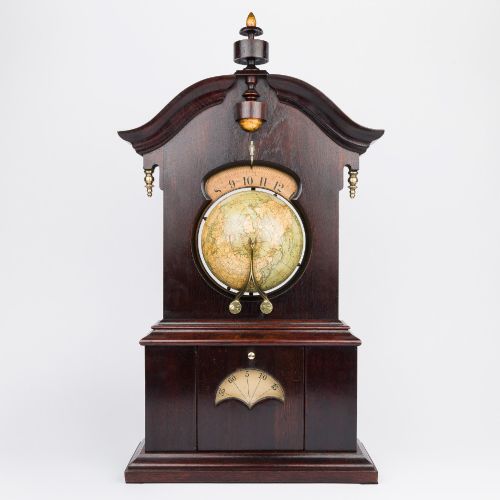
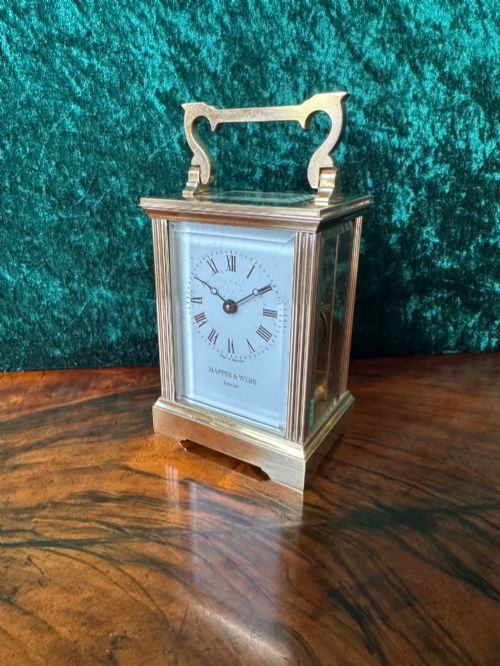
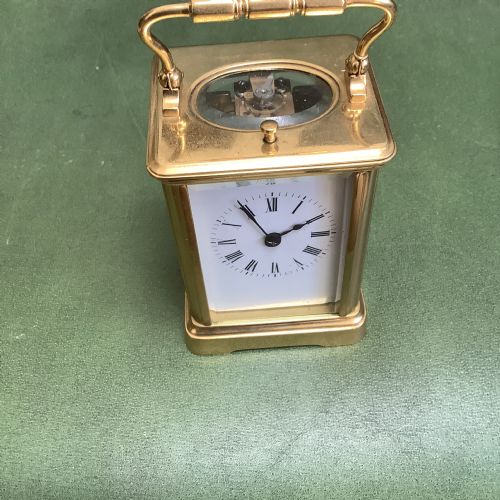
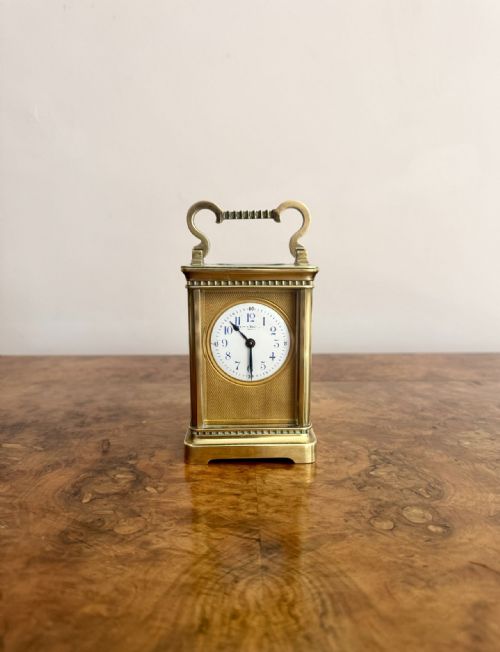
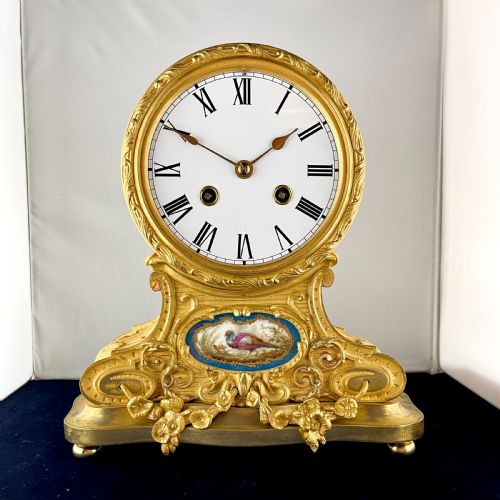
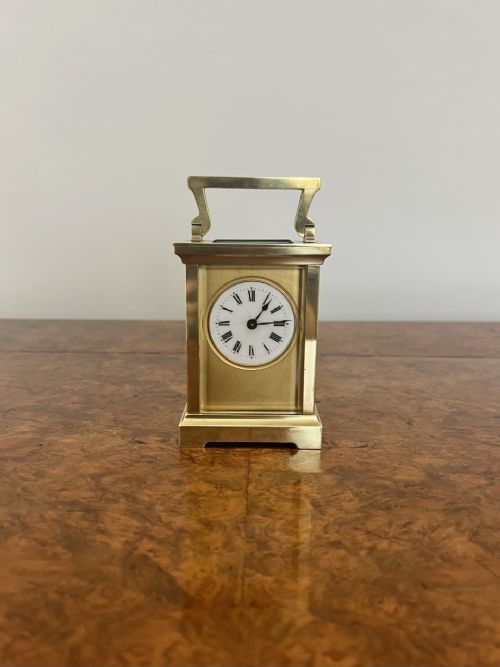
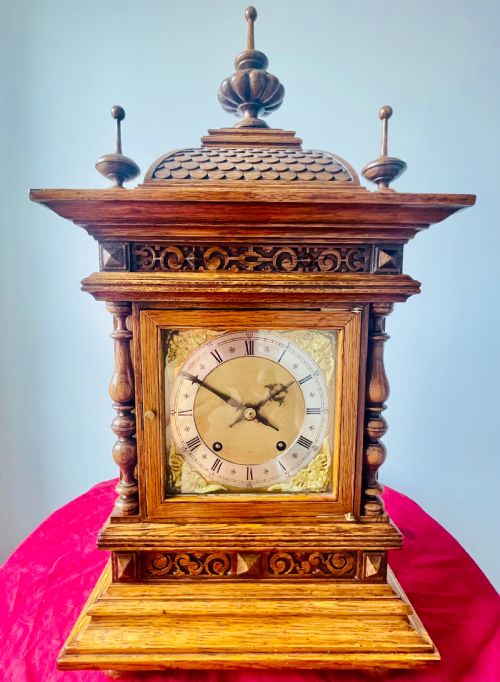
A victorian brass desk clock encompasses portable timepieces and small mantel pieces housed primarily in brass, gilt brass, and gilt bronze. Buyers encounter carriage clocks with bevelled glass panels alongside miniature mantel models and specific desk variants.
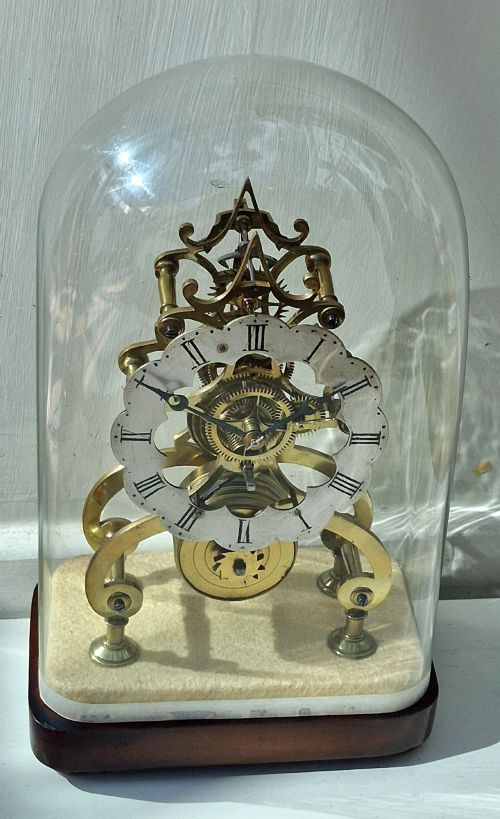
The objects stem from nineteenth-century production spanning the Victorian and Edwardian eras, with many examples originating from French makers or London workshops. Forms range from simple gorge case timepieces to elaborate skeleton movements and porcelain mounted designs.

Materials and construction
Cases combine cast and polished brass, gilt bronze, or ebonised wood, frequently mounted with enamel dials, porcelain panels, and bevelled glass. Metalwork often receives extensive hand engraving, floral champleve enamel work, or intricate cast rococo revival ornamentation.
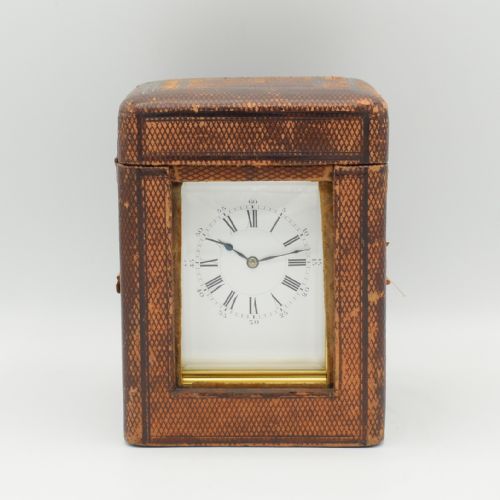
Movements rely on brass gear trains, escapements, and coiled springs, with eight-day durations or striking and repeating mechanisms housed securely inside glazed protective cases. Travel versions typically include fitted leather cases for safe transit.
Victorian Brass Desk Clock Retail Price Guide 2026
Typical asking prices for victorian brass desk clock among the pieces listed under this phrase on Sellingantiques today, from the lower quarter to the upper quarter. They describe what is for sale here now, not the wider market.
Listings feature periods from the Victorian and Edwardian eras, utilising brass, gilt bronze, glass, enamel, porcelain, and leather.
Distinctions in execution
Quality separates standard production timepieces from works bearing signature maker marks and fully engraved gilt cases. Heavier castings, crisp chasing on brass surfaces, and multi-train movements that strike or repeat indicate superior workshop standards.
The refinement of the white enamel dial, the clarity of the bevelled glass, and the presence of original numbered mechanisms or matching travel cases elevate certain examples above simpler unbranded timepieces.
Henri Jacot·Mappin and Webb·Richard Winter·Pickford of London·Drocourt Paris·Antoine Redier·Duverdrey and Bloquel·Dent of London·Seth Thomas
The Victorian Brass Desk Clock Glossary
- Carriage clock
- A portable spring-driven timepiece designed for travel, typically featuring a rectangular brass case with glass panels and a swing handle.
- Gorge case
- A specific stepped-profile brass carriage clock case style popular during the nineteenth century.
- Skeleton clock
- A timepiece with an exposed gear train and skeletonised plates that reveal the mechanical movement from the sides.
- Champleve
- An enamelling technique where troughs are dug into the brass surface and filled with coloured vitreous enamel before firing.
Victorian Brass Desk Clock: Frequently Asked Questions
How do I wind a carriage clock?
Most pieces use a dedicated winding key inserted into square arbors located on the underside or backplate of the movement. Turn the key gently clockwise until resistance indicates the mainspring is fully tensioned.
Avoid overwinding the mechanism, as this can strain the spring. Ensure the escapement remains undisturbed during the process to keep the beat steady.
Why does my clock run fast or slow?
Mechanical timepieces fluctuate due to temperature changes, age, or the condition of the lubricating oils within the brass gear train. Adjusting the small regulating lever near the balance wheel usually corrects the timing.
Move the index pointer slightly towards the fast or slow indicator as needed. Professional servicing may be required if the adjustment fails to stabilise the beat.
How are these clocks dated?
Stylistic clues such as case shape, engraving depth, escapement type, and dial signatures help narrow down the production period. French makers often stamped movement backplates with serial numbers or exhibition medals.
Comparative study of maker records and patent dates provides a reliable timeframe. Many examples align with the Victorian era spanning the mid to late nineteenth century.
Where should I place a desk clock?
Position the timepiece on a stable, level surface away from direct sunlight, draughts, and high moisture areas like kitchens or bathrooms. Heavy wooden desks and study mantels provide ideal support.
Keeping the clock steady ensures the pendulum or balance wheel maintains an even beat. A secure spot also prevents accidental knocks to the glass panels.