



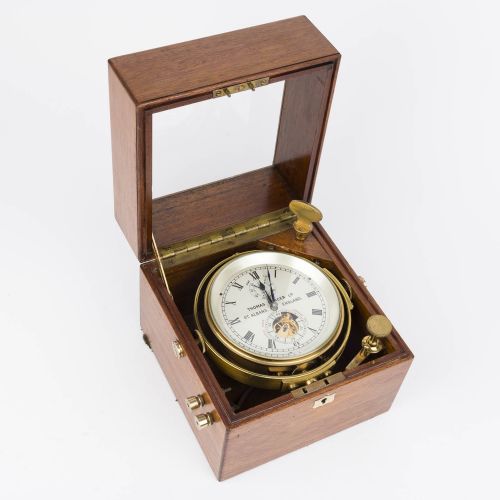


Antique Maritime Clock
An antique maritime clock brings precision mechanics and naval history into a room, spanning wall bulkheads, heavy chronometers and tall grandfather cases.
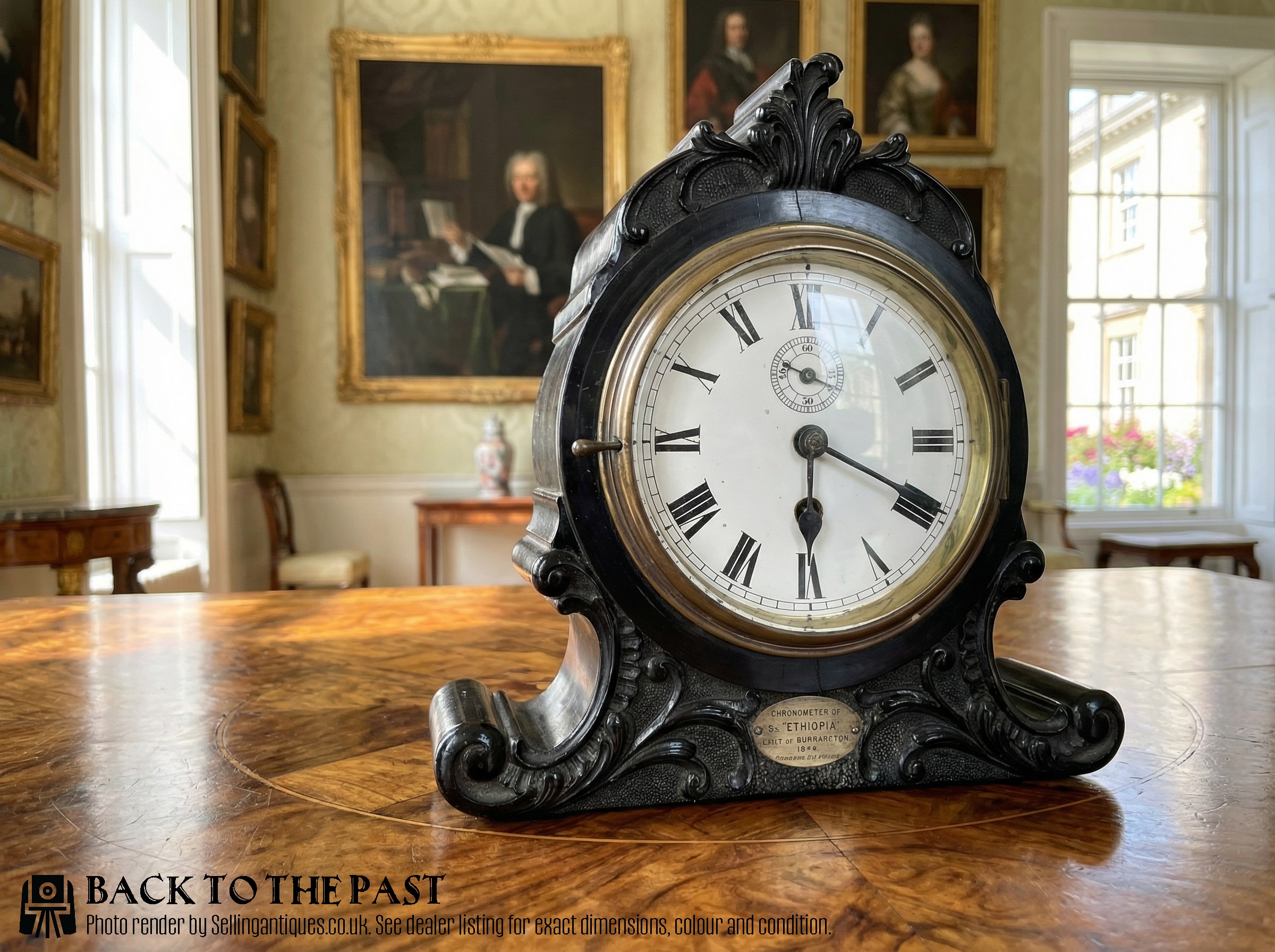
Antique Maritime Clock
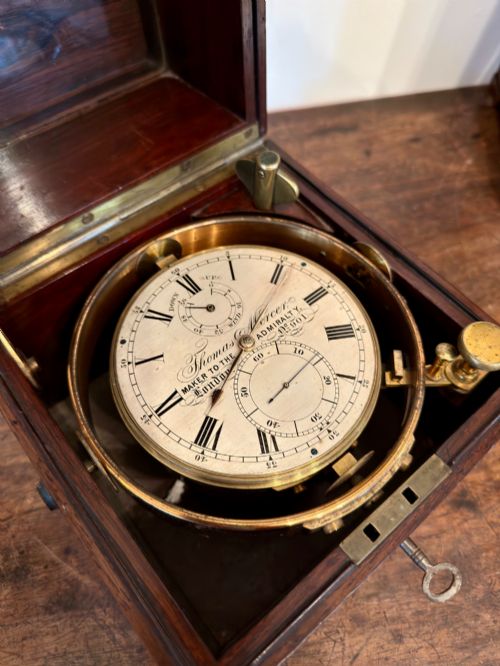
An antique maritime clock encompasses a wide variety of timepieces designed for navigation, shipboard use, and domestic nautical display. When searching for an antique maritime clock, buyers encounter robust bulkhead pieces, precise marine chronometers, and tall longcase clocks featuring rocking ships.
The selection ranges from Victorian brass wall instruments and 19th-century chronometers to Georgian longcase clocks with moving automata. Many examples originate from notable makers and specialists, housed in sturdy wood or metal cases built to withstand rigorous conditions.

Materials and construction
These timepieces rely on durable brass and heavy timber cases, frequently utilising mahogany, oak, and glass to protect intricate internal mechanisms. Silvered metal and enamel dials provide clear legibility under difficult light conditions at sea or ashore.
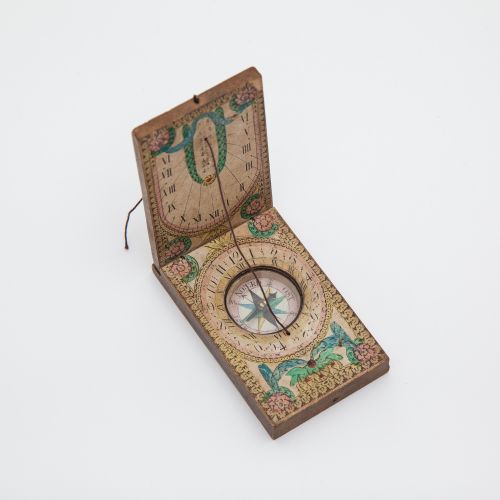
Many items employ chain fusee movements to ensure steady tension and accurate timekeeping despite motion. Specialised constructions range from portable diptych sundials to complex automaton movements and heavy bulkhead housings.
Antique Maritime Clock Retail Price Guide 2026
Typical asking prices for maritime clock among the pieces listed under this phrase on Sellingantiques today, from the lower quarter to the upper quarter. They describe what is for sale here now, not the wider market.
Assessing quality and craftsmanship
Quality in these instruments depends upon the precision of the movement, particularly the presence of sophisticated mechanisms such as twin fusee systems or certified marine chronometer escapements. Finer pieces demonstrate superior dial execution, clean enamel work, and crisp engraving on brass bezels and backplates.
The integrity of the housing also dictates value, with well-preserved carved oak, polished mahogany, and original bevelled glass marking superior examples. Provenance and signed dials by established makers elevate an instrument beyond standard utility timepieces.
Thomas Mercer·Thomas Webbe·Litherland Davies·James McCabe·John Sly
The Antique Maritime Clock Glossary
- Fusee
- A conical pulley used in mechanical clocks and chronometers to maintain equal drive as the mainspring unwinds. This mechanism ensures consistent force is delivered to the gear train for greater accuracy.
- Bulkhead clock
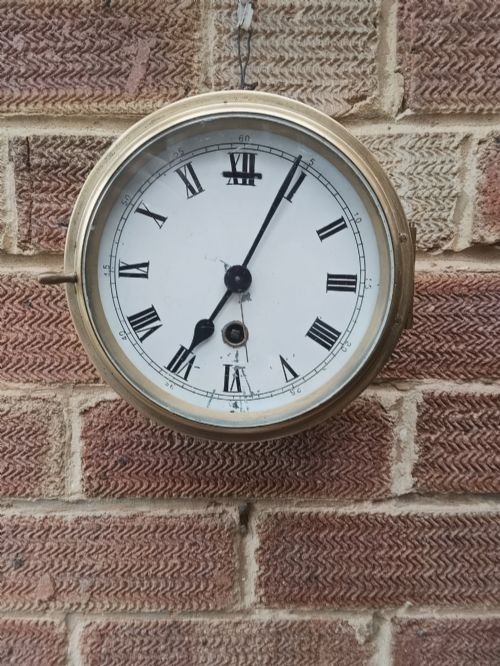
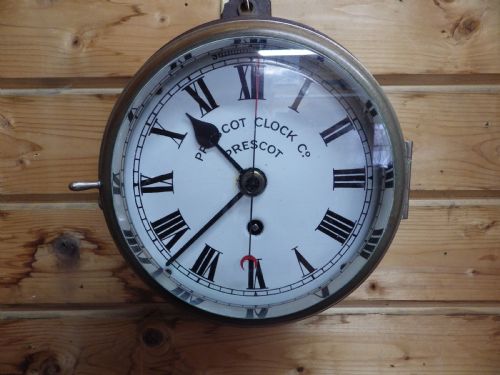
- A sturdy timepiece designed to be mounted directly to the wall of a ship's cabin or wheelhouse. These heavy clocks typically feature brass cases and secure bezel closures to resist moisture and vibration.
- Marine chronometer
- A highly accurate portable timekeeper used at sea to determine longitude by celestial navigation. They are usually mounted in gimbaled brass boxes to keep the dial level.
- Automata
- Mechanical figures or moving scenes integrated into a clock dial, such as rocking ships on longcase faces. These animated elements were popular in Georgian and Victorian horology.
- Dioptric
- A term relating to the refraction of light, often associated with lens systems found in lighthouse clocks and industrial optical instruments. It marks the crossover between precision optics and timekeeping.
Antique Maritime Clock: Frequently Asked Questions
How do I mount a bulkhead clock?
Bulkhead clocks are designed for secure wall attachment through pre-drilled holes in the heavy brass flange or outer rim. Use appropriate fixings for your wall type to support the substantial weight of the brass case and movement.
Ensure the clock is positioned at a comfortable eye level and anchored firmly so that opening the bezel for winding does not strain the mounting screws.
What is a fusee movement?
A fusee movement uses a conical pulley connected to the mainspring via a fine chain to equalise power delivery. As the spring runs down and loses tension, the chain pulls on a wider part of the cone to maintain steady torque.
This sophisticated system ensures the timepiece maintains consistent accuracy throughout its running period between windings.
How do I wind a marine chronometer?
Marine chronometers require careful handling and a dedicated key to wind the mainspring through a specific aperture in the dial or backplate. Consult the indicator dial, often marked up to two days or eight days, to ensure you do not overwind the mechanism.
Keep the gimbals locked if applicable while winding to prevent excessive swinging of the inner chronometer bowl during the process.
Where were rocking ship clocks used?
Rocking ship clocks, featuring painted automata that sway with the pendulum swing, were primarily domestic floor-standing longcase pieces. They brought a nautical theme into 18th and 19th-century homes rather than serving practical navigation duties.
Their movement mechanics cleverly translate the pendulum's motion into a gentle rolling wave effect behind a painted sea and sky dial.