


Victorian Desk Clock
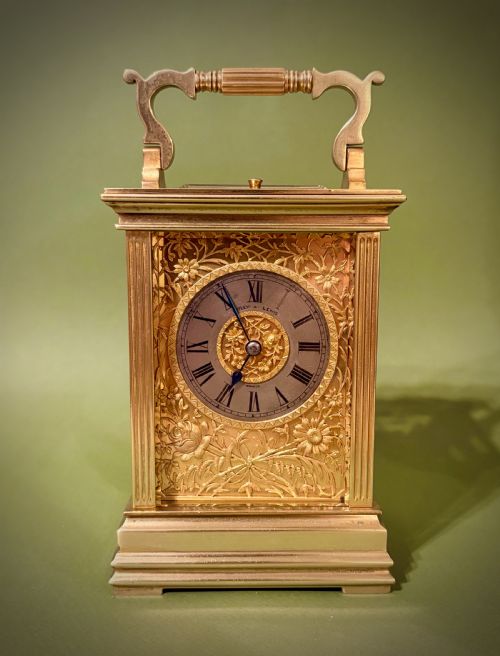
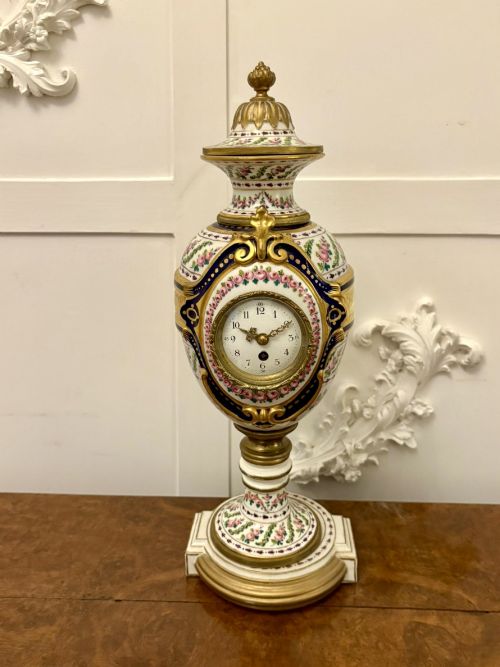
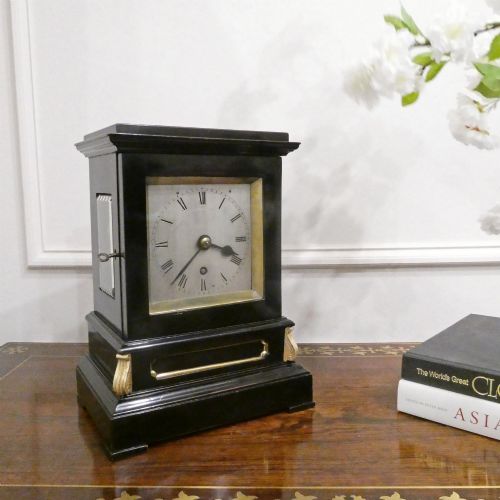
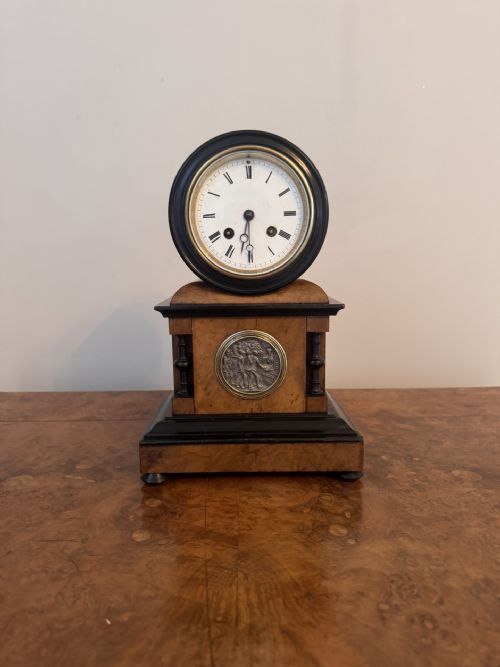
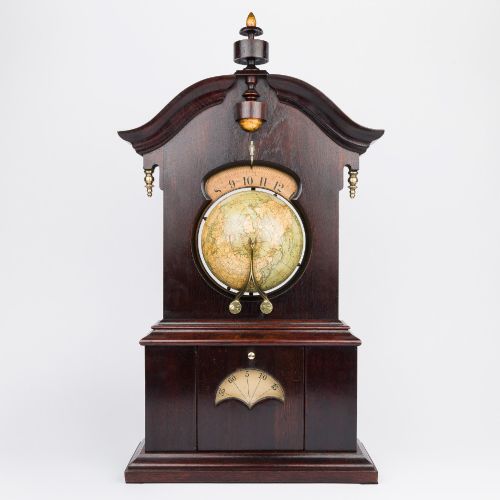
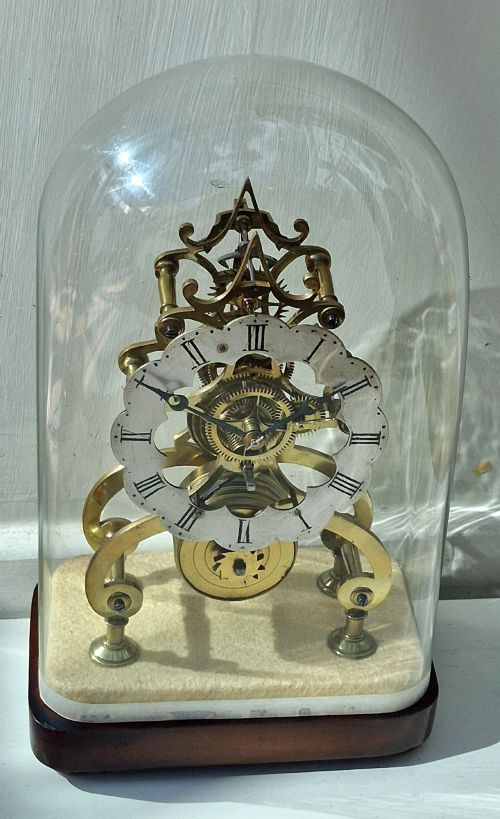
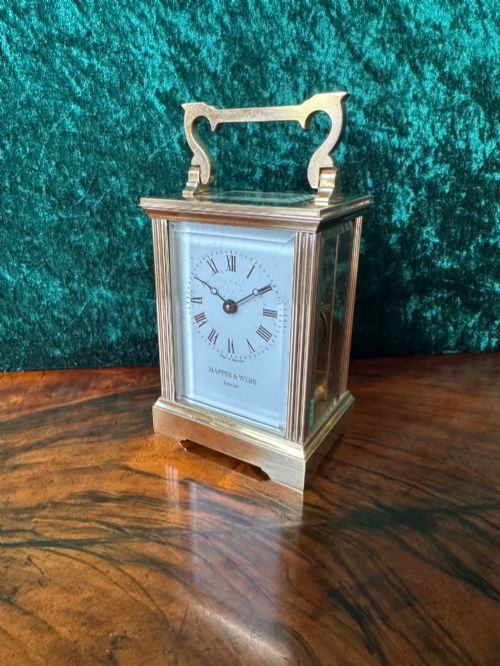
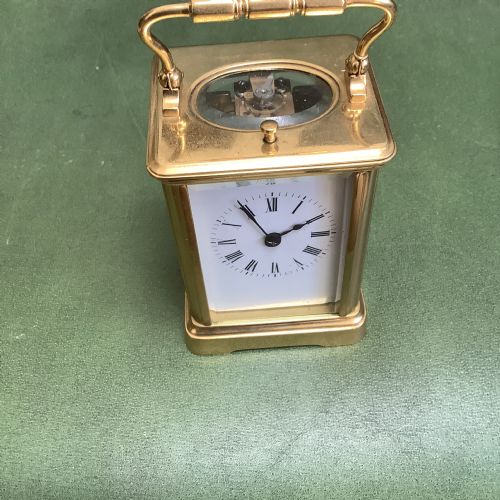
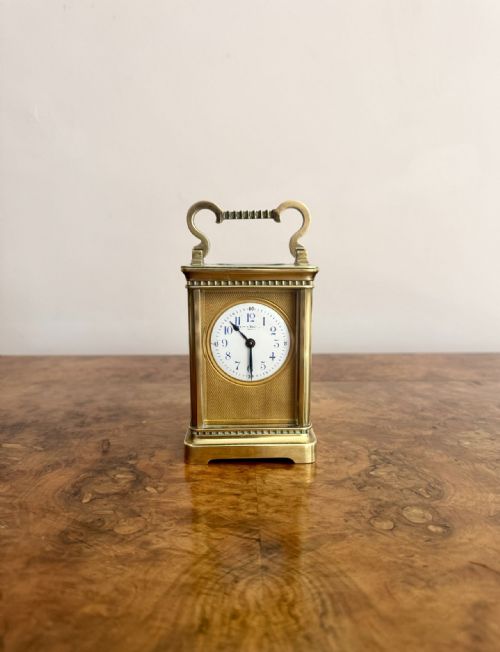
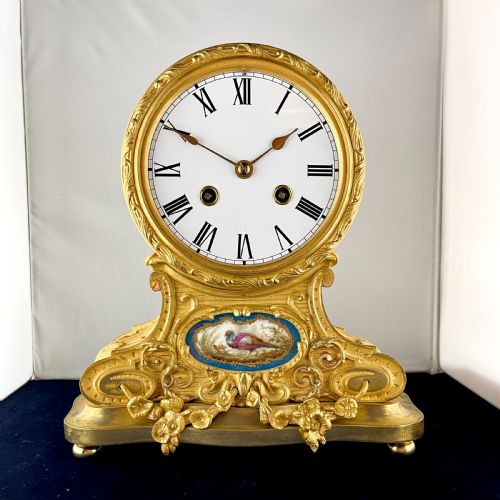
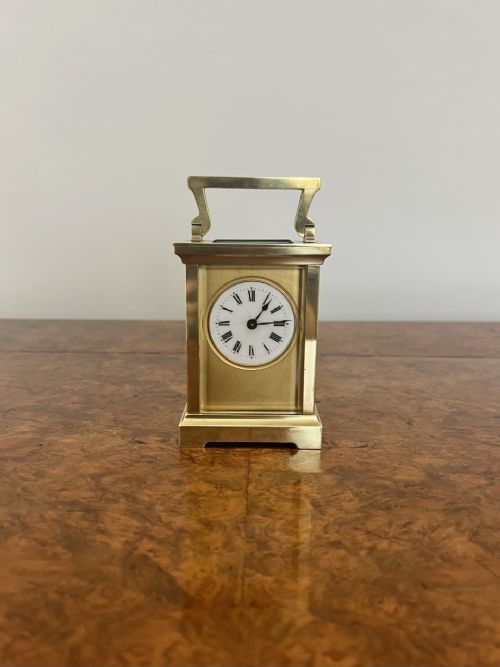
These mahogany, brass and bronze pieces are a victorian desk clock, built to keep time upon a study table or writing surface.

Victorian Desk Clock
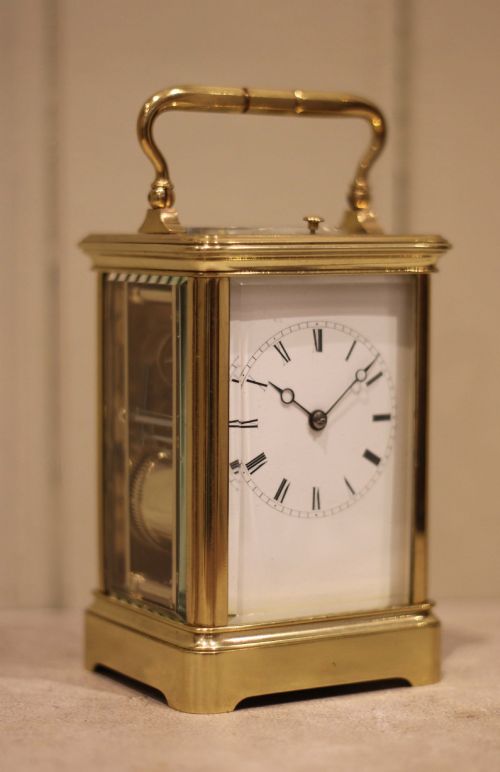
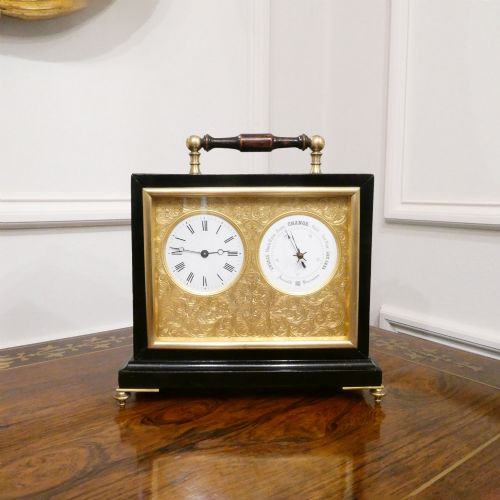
A victorian desk clock typically takes the form of a portable carriage timekeeper, a library timepiece, or a fitted desktop box housing both time and barometric dials. These objects originate from British workshops and continental makers active during the nineteenth century.
The version most commonly encountered on this page combines a brass or gilt metal housing with bevelled glass panels, designed to sit firmly upon a flat surface while remaining light enough to lift by a handle.
Materials and Construction
Makers utilised heavy brass and gilt bronze for structural cases, often mounting them with hand-painted porcelain panels, champlevé enamel or carved mahogany.
Movements relied on brass gear trains, escapements, and enamel dials protected beneath thick glass, housed within ebonised wood or rouge marble bodies.
Victorian Desk Clock Retail Price Guide 2026
Typical asking prices for victorian desk clock among the pieces listed under this phrase on Sellingantiques today, from the lower quarter to the upper quarter. They describe what is for sale here now, not the wider market.
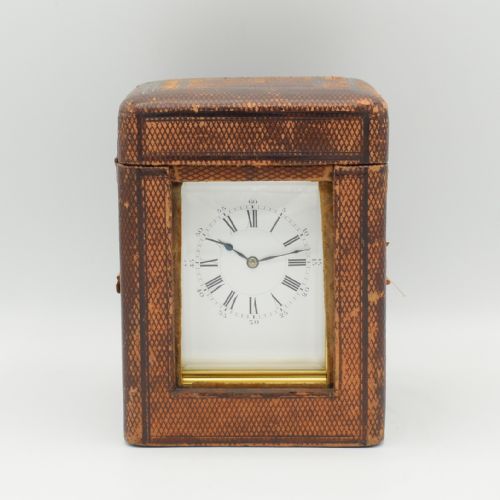
Some travel timepieces come with their original leather carrying cases, preserving the exact scuffs sustained on Victorian journeys.
Standards of Execution
The distinction between standard pieces and superior examples rests on the depth of hand-engraving across the brass case and the complexity of the internal movement, such as repeating or chiming mechanisms.
Heavier gauge bronze mounts, fully engraved gorge cases, and signed movements by known makers separate ordinary timepieces from exceptional desk clocks.

Henri Jacot·Mappin and Webb·Richard Winter of Chieveley·Pickford of London·Drocourt Paris·Antoine Redier of Paris·Dent of London·Seth Thomas·Howell James and Co
The Victorian Desk Clock Glossary
- Carriage clock
- A portable spring-driven timepiece fitted with a carrying handle and glass panels. They were originally designed for travel during the nineteenth century.
- Fusee
- A conical pulley connected to the mainspring by a chain or cord, maintaining equal force as the spring unwinds. This mechanism improves timekeeping accuracy in library clocks.
- Champlevé
- An enamelling technique where troughs are dug into a metal surface and filled with vitreous paste before firing. It frequently decorates French clock bezels and panels.
Victorian Desk Clock: Frequently Asked Questions
What is a victorian desk clock used for?
These pieces served as portable timekeepers for desks, libraries, and studies during the nineteenth century. They provided accurate timekeeping within domestic and professional interiors.
Many examples included auxiliary instruments such as barometers or thermometer scales, combining multiple functions into a single desktop object.
How do I wind a carriage clock?
Most spring-driven models require a dedicated winding key inserted into arbours located on the backplate. Turning the key clockwise tensions the mainspring.
Care must be taken not to overwind the movement, stopping as soon as resistance is felt against the key.
How do I tell an English desk clock from a French one?
English examples frequently feature fusee movements housed in mahogany, oak or ebonised wood cases with brass inlay. They prioritise straightforward mechanical reliability and sober cabinetry.
French pieces typically utilise platform escapements housed in brass, gilt bronze or marble cases, often displaying ornate engraving, porcelain inserts or striking trains.
Where should I place a desk clock in my home?
These clocks belong on flat, stable surfaces such as a writing table, mantelpiece, or bookshelf away from direct sunlight and damp environments. Their portable nature allows them to be moved easily between rooms.
Because many movements rely on a level platform for the balance wheel to beat evenly, placing them on a solid piece of furniture ensures steady operation.