


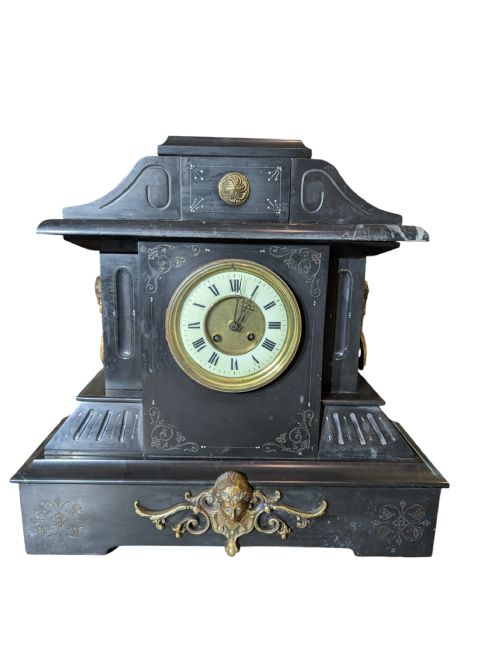

Antique Brass Timekeeper
An antique brass timekeeper is a portable or domestic instrument of precision, and collectors seek them for their mechanical ingenuity and refined metalwork.

Antique Brass Timekeeper
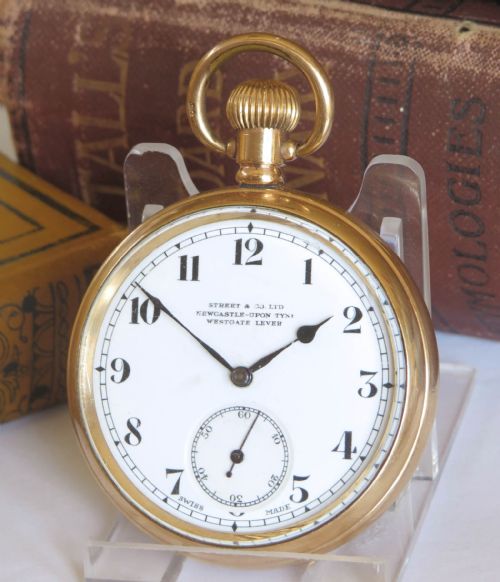
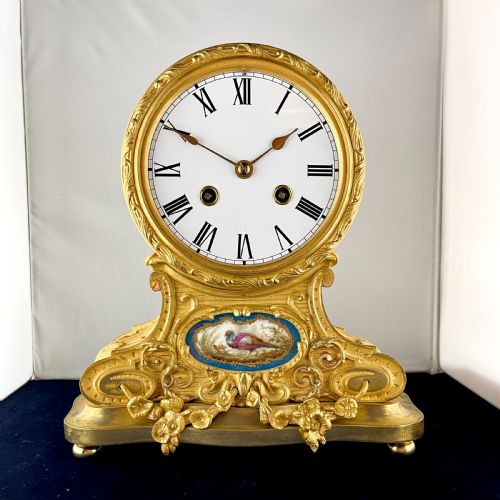
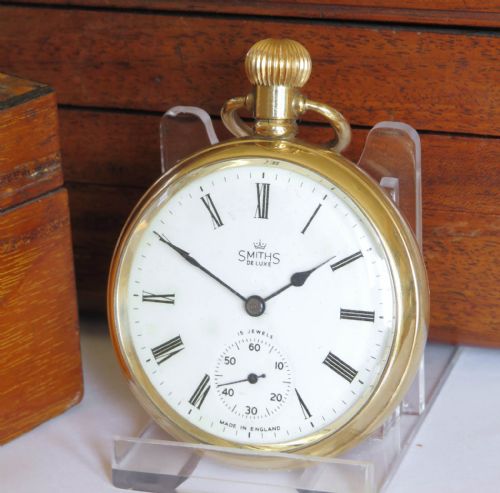
When you search for an antique brass timekeeper, you encounter an array of domestic and portable horological instruments spanning several centuries. The selection encompasses carriage clocks, mantel clocks, wall clocks, and pocket watches produced during the Victorian, Edwardian, and Georgian eras, alongside later pieces.
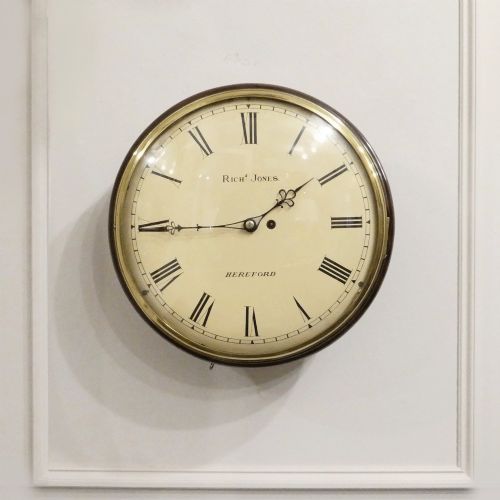
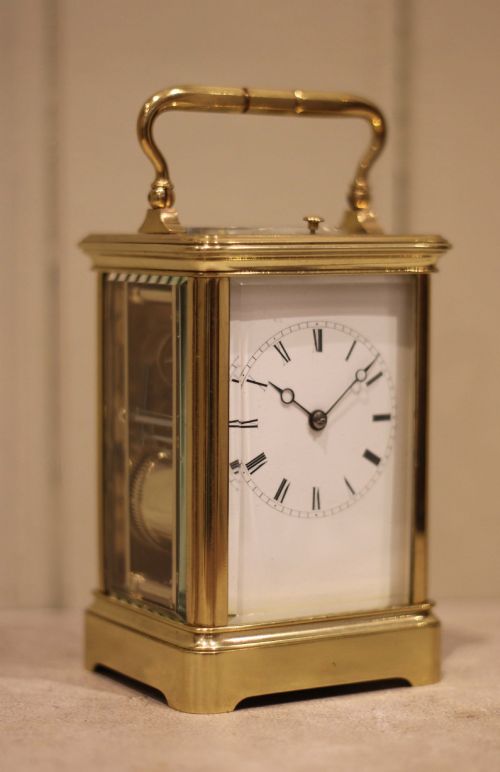
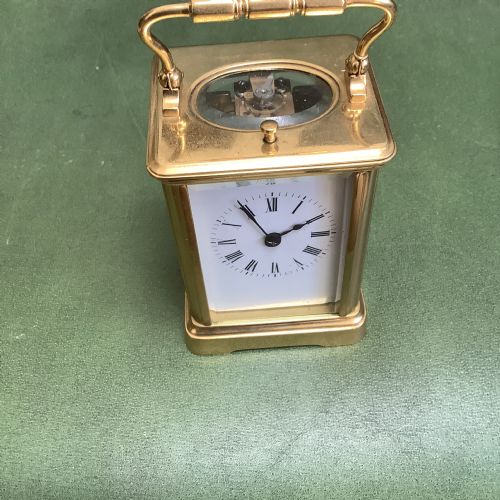
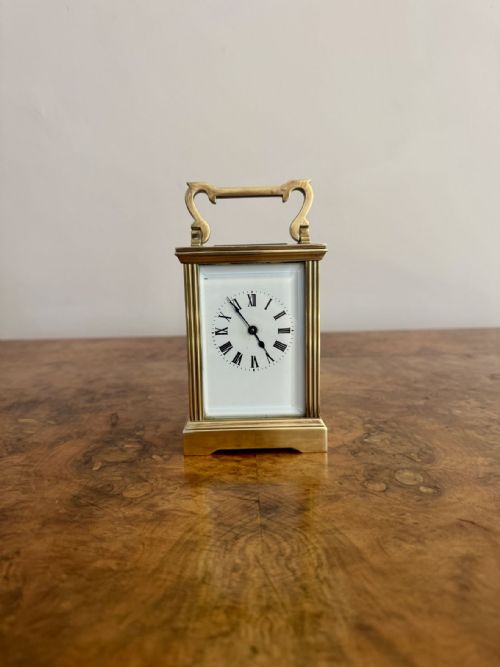
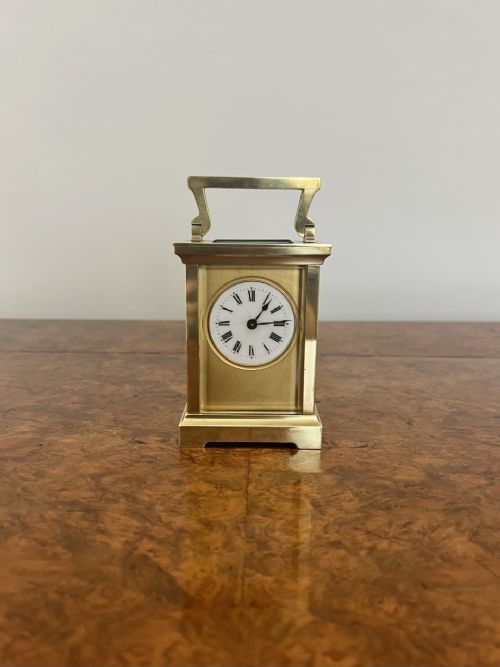
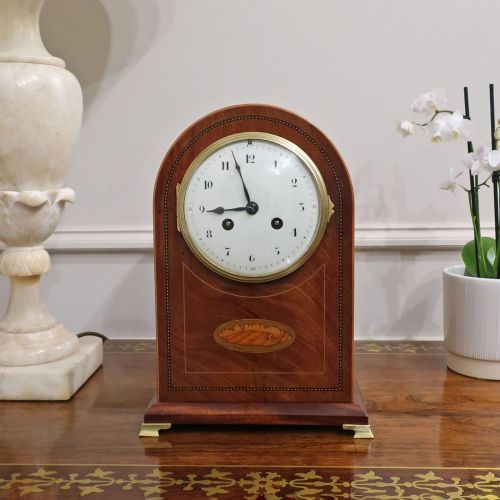
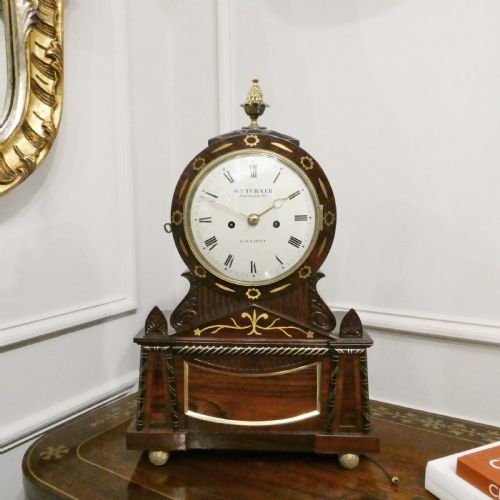
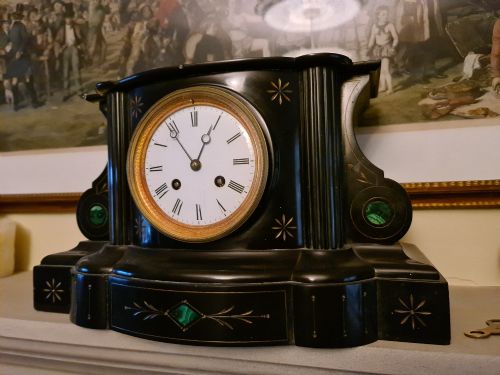
Carriage clocks dominate the brass examples, frequently featuring glass panels and intricate escapements housed within cast or gilt metal frames. Alongside these portable designs, the listings include dial wall clocks, bracket clocks, and drumhead mantel clocks that integrate brass bezels and dials with wooden or marble cases.
Origins range across English workshops and French manufacturing centres, capturing domestic production alongside Parisian makers. The forms vary from miniature travel pieces to large dial clocks intended for prominent placement on a wall or mantelpiece.

Evaluating workmanship and finish
The distinction between standard and superior pieces rests in the crispness of the case engraving, the weight of the cast brass frame, and the complexity of the movement. Pieces signed by known makers exhibit higher standards of finishing on internal bridges, escapements, and repeat mechanisms.
Material selection and decorative treatment also dictate quality, as seen in heavy gilt bronze cases, hand-painted enamel panels, and fire-gilded mounts rather than simpler brass stampings. The inclusion of striking and repeating complications elevates the horological merit of the timekeeper.
Antique Brass Timekeeper Retail Price Guide 2026
Typical asking prices for brass timekeeper among the pieces listed under this phrase on Sellingantiques today, from the lower quarter to the upper quarter. They describe what is for sale here now, not the wider market.
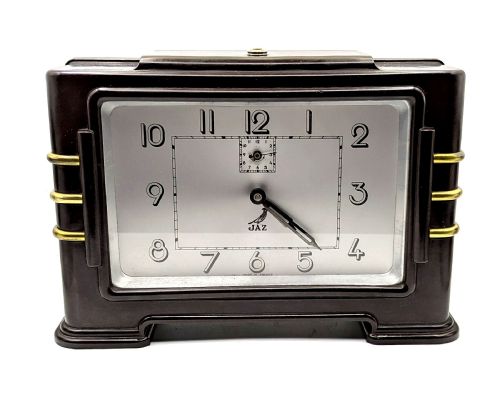
The listings include brass timekeepers spanning the Georgian, Victorian, Edwardian, and Art Deco periods, alongside 18th-century lantern clocks.
Richard Jones of Hereford·Turner of London·Pickford of London·Drocourt Paris·Margaine Of France·Brunelot·Duverdrey & Bloquel·Delépine-Barrois·Windmills & Bennet London·W. Burton·Piggin Norwich·John Morley·Seller of Reading·Zenith
The Antique Brass Timekeeper Glossary
- Carriage clock
- A portable spring-driven timepiece originally designed for travel, typically fitted with a carrying handle and glass side panels to display the movement.
- Fusee
- A conical pulley used in spring-driven clocks to equalise the torque of the mainspring as it unwinds, ensuring steady power delivery to the escapement.
- Gorge case
- A stepped rectangular brass carriage clock case style featuring distinctive moulded sections to the top and base.
- Verge escapement
- An early type of mechanical escapement controlled by a balance wheel or foliot, commonly found in 18th-century lantern clocks and pocket watches.
- Repeater
- A mechanical complication in a clock or watch that chimes the hours and quarters upon demand when a lever or button is activated.
Antique Brass Timekeeper: Frequently Asked Questions
How do I wind a carriage clock safely?
Insert the key into the arbour on the underside or backplate and turn it gently in the direction specified by the mechanism until resistance is met. Avoid over-winding, as this places excessive tension on the mainspring.
Ensure the clock is placed on a stable, level surface before operating the movement. Portable timekeepers benefit from gentle handling to protect the delicate escapement components inside.
Where were carriage clocks originally placed?
Carriage clocks were originally built for travellers during the 19th century, designed to sit securely inside horse-drawn carriages or hotel rooms for reliable timekeeping on journeys.
Over time, their portability and decorative brass cases made them popular domestic ornaments for mantelpieces and desks within wealthy homes.
How do I identify the period of a brass clock?
Examine the style of the case, the typography of the enamel dial, and the type of escapement visible through the glass panels. Georgian and Victorian pieces often display hand-engraved gilt brass frames, while Edwardian examples adopt cleaner lines.
Signatures inscribed on the backplate or dial also point to specific active decades of known workshops and makers.