
Edwardian Brass Clock
These edwardian brass clock pieces combine period timekeeping mechanics with solid brass casing, offering dependable interiors housed in substantial period metalwork.
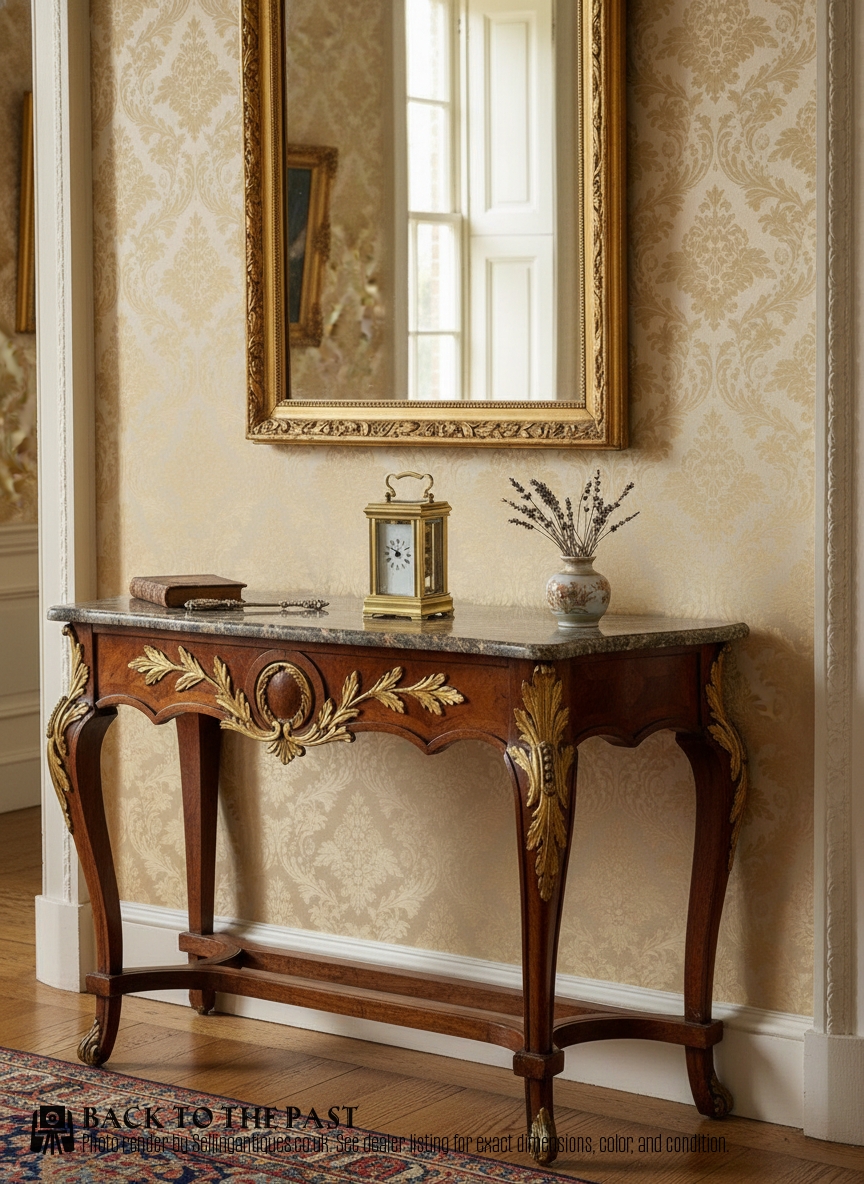
Edwardian Brass Clock
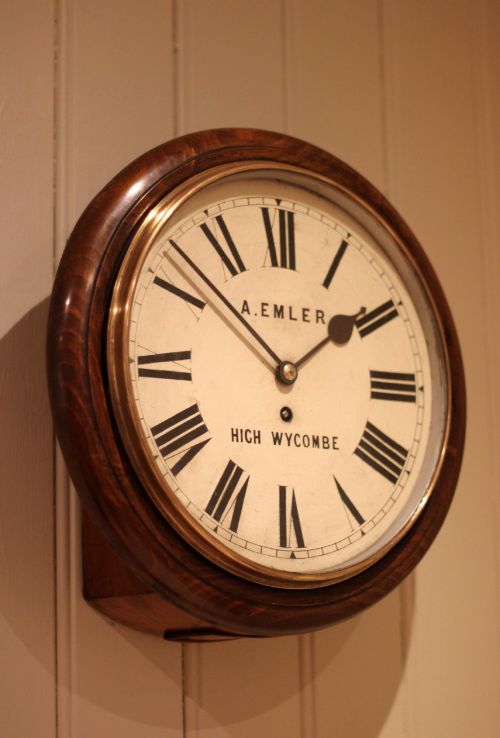
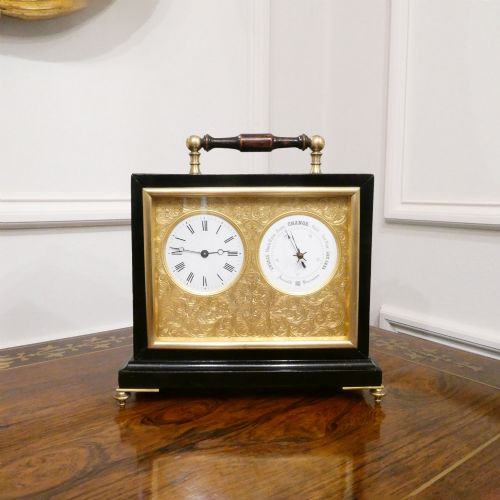
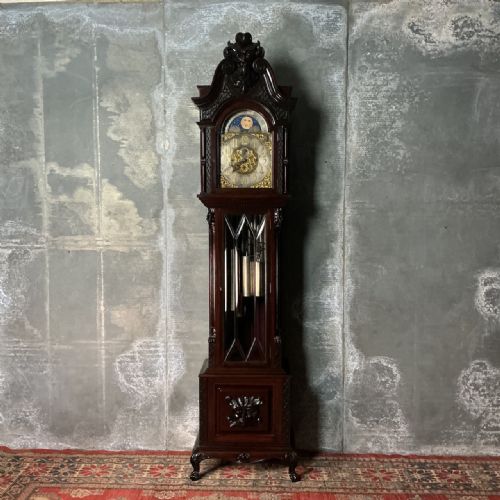
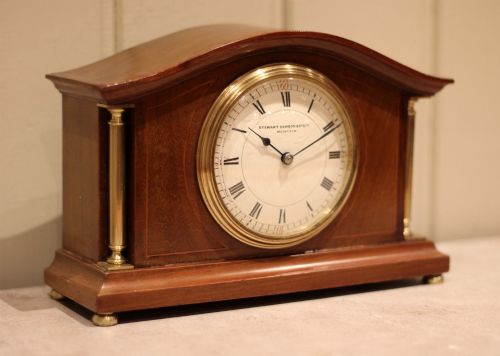
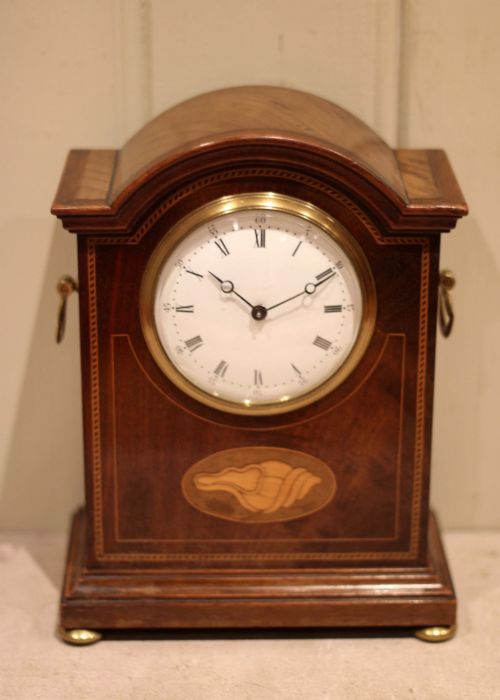
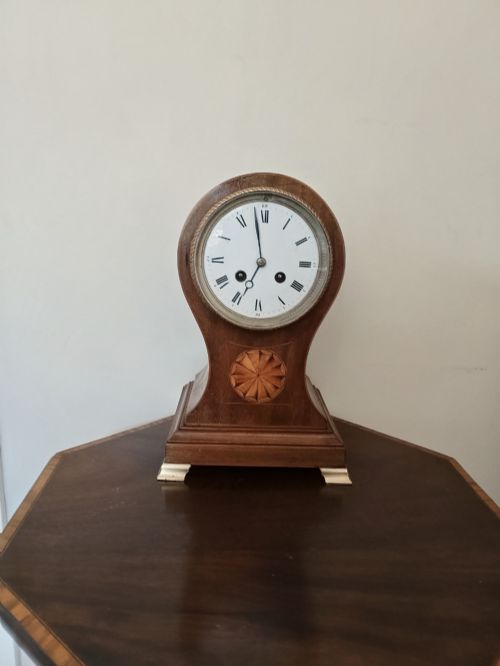
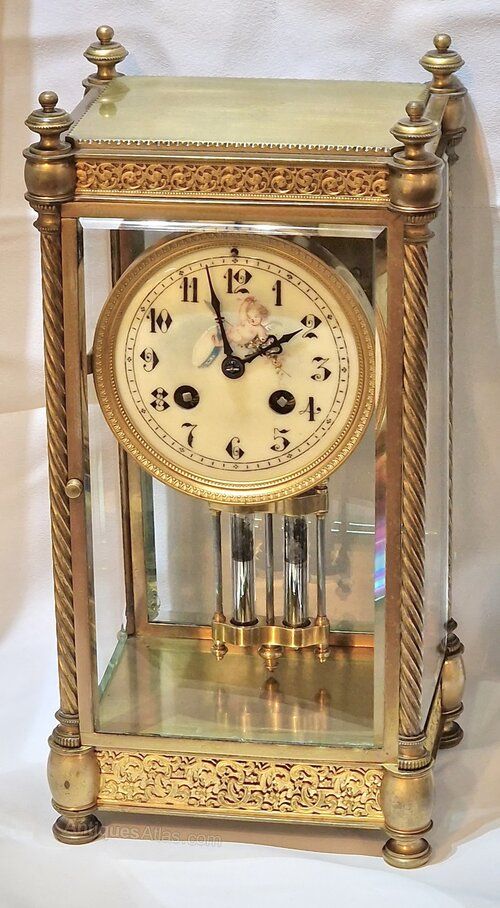
An edwardian brass clock appears on this page in forms ranging from portable carriage timepieces to substantial mantel designs and wall-mounted dial clocks. The selection spans the Edwardian years alongside related pieces from the late nineteenth century and the early decades of the twentieth century.
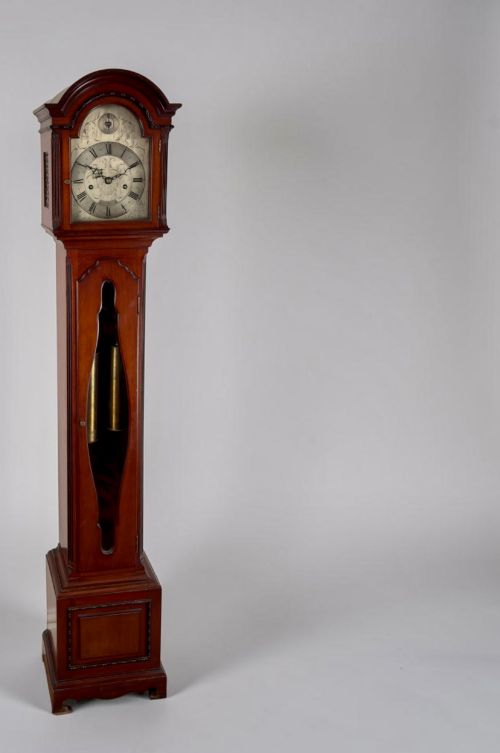
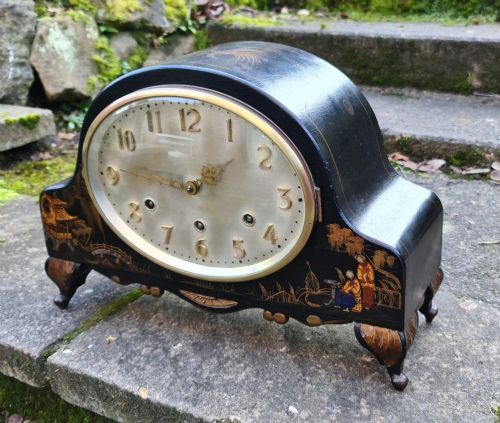
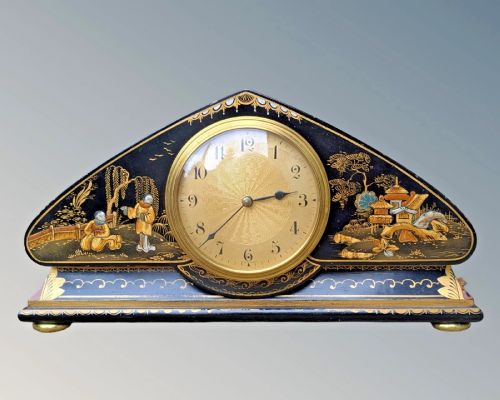
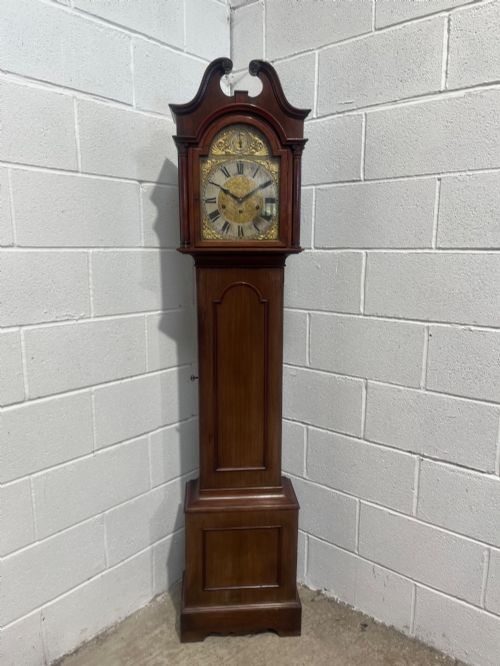
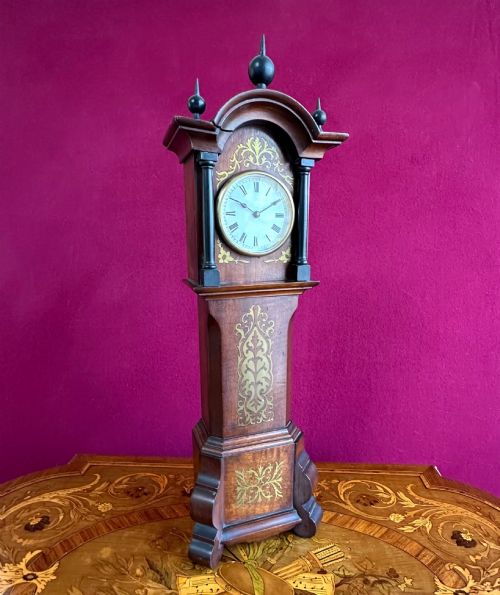
Mantel clocks and carriage clocks dominate the domestic pieces here, alongside specialised wall dials and tall floor-standing longcase varieties. Mahogany, oak, and glass often accompany the brass housing, while stylistic touches borrow from Chinoiserie, Belle Epoque, and Georgian Revival traditions.

Materials and Construction
Makers housed precision spring-driven or fusee movements within heavy cast or sheet brass frames, frequently pairing the metal with polished mahogany, oak, or ebonised wood. Dial faces commonly incorporate white enamel chapters, brass numerals, and protective bevelled glass panels.
Carriage clocks and mantel designs rely on French or Swiss mechanical movements, sometimes featuring repeating mechanisms, chimes, or alarm functions. Wood cases utilise marquetry inlay, brass stringing, and lacquer finishes to complement the central metallic housing.
Edwardian Brass Clock Retail Price Guide 2026
Typical asking prices for edwardian brass clock among the pieces listed under this phrase on Sellingantiques today, from the lower quarter to the upper quarter. They describe what is for sale here now, not the wider market.
Listings feature movements ranging from simple lever escapements to complex musical mechanisms with nine tubular bells.
Mechanical and Material Distinction
Superior examples separate themselves through the precision and complexity of the internal movement, such as multi-train fusee systems, musical chime capabilities, or signed platforms by recognised makers. Simpler timepiece movements represent a more straightforward standard of domestic horology.
Case execution also dictates rank, distinguishing heavy bevelled glass and fire-gilded brass from plain plated housings. Hand-painted enamel dials and intricate marquetry woodwork contrast with plain timber cases and stamped numerals.
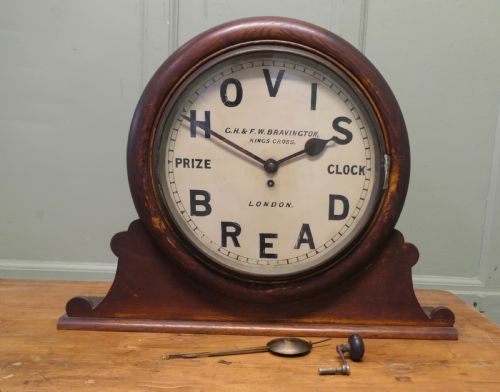
Gillett and Johnston of Croydon·Howell and James London·G.H. and F.W. Bravington London·Walker and Hall·D and J Wellby London·Lenzkirch·Bernard Freres·Smiths
The Edwardian Brass Clock Glossary
- Fusee
- A conical pulley used in mechanical clocks to maintain an even pull on the movement as the mainspring unwinds. This mechanism ensures consistent timekeeping accuracy throughout the running cycle.
- Carriage clock
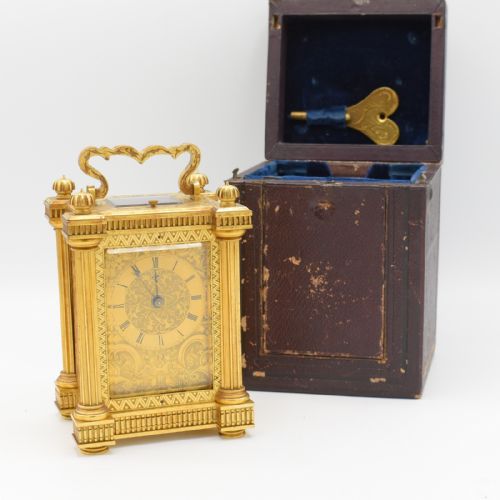
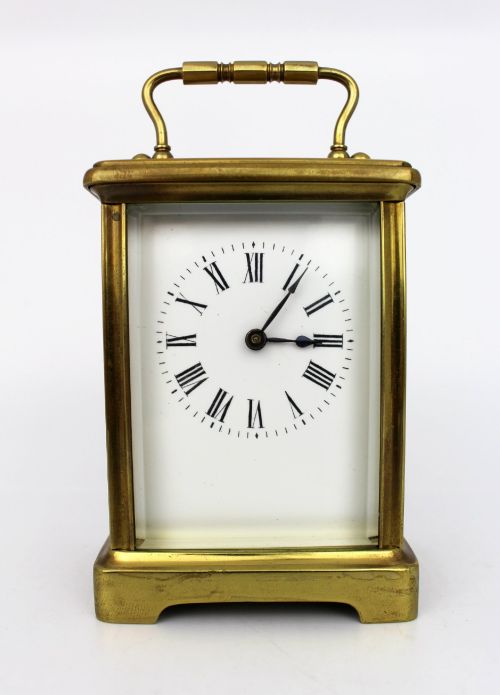
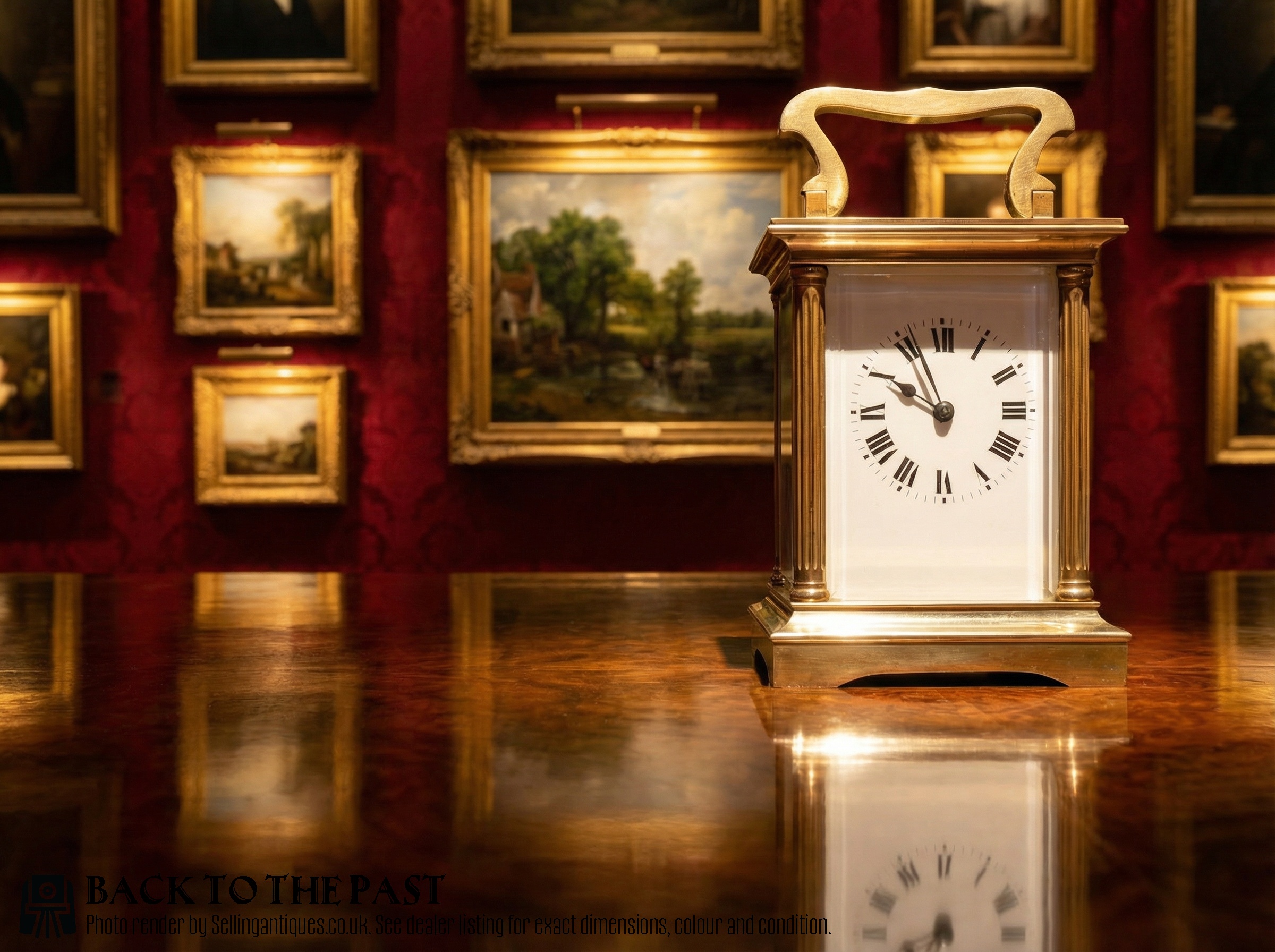
- A small, portable spring-driven timepiece fitted with a carrying handle and glass panels on all sides. These were originally designed for travel by officers and wealthy tourists.
- Champleve
- An enamelling technique where troughs are dug into the metal surface and filled with vitreous enamel before firing. It creates decorative coloured patterns around the clock face or case corners.
- Repeater
- A mechanism that chimes the hours and quarters on demand when a lever or button is pressed. This allowed owners to check the time audibly in total darkness.
- Dial clock
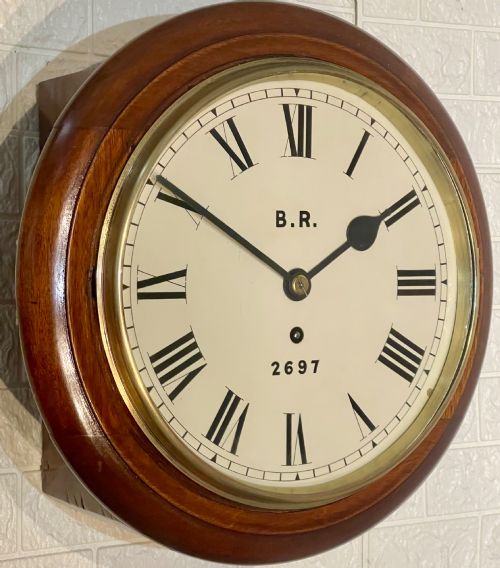
- A wall-mounted timepiece featuring a prominent circular face, commonly associated with railway stations, offices, and public buildings. They utilise simple wooden or metal surrounds to emphasise the readable face.
Edwardian Brass Clock: Frequently Asked Questions
What is a fusee movement?
A fusee movement uses a conical drum and a chain to regulate the power delivered from the mainspring to the gear train. This clever device ensures the driving force remains constant as the spring loses tension.
Such systems indicate a higher grade of mechanical sophistication in antique timepieces. They appear frequently in better quality wall clocks and mantel clocks from this era.
How do I wind a carriage clock?
Most carriage clocks require a dedicated winding key inserted into arbors located on the underside or back plate of the movement. Care must be taken not to overwind the mainspring beyond its natural resistance.
Many examples feature separate trains for timekeeping and striking functions, requiring independent winding for each feature. Regular gentle winding preserves the longevity of the vintage springs.
Where were carriage clocks placed?
Carriage clocks were originally built for travellers to carry in protective leather cases during journeys by rail or coach. Their robust brass frames and thick glass panels protected the delicate internal escapement from transit shocks.
Later, they transitioned into domestic ornaments resting on mantelpieces, desks, and bedside tables. Their portable nature made them versatile accessories for various rooms in the house.
What is a grandmother clock?
A grandmother clock is a smaller, slender version of the traditional tallcase or grandfather clock. They stand at a reduced height while retaining weight-driven or spring-driven pendulum movements.
These pieces were designed to fit into rooms with lower ceilings where standard longcase clocks would prove too large. They combine the architectural presence of tall clocks with compact domestic proportions.