





Traditional Desk Clock
A traditional desk clock brings mechanical timekeeping and classic materials to a workspace, offering reliable movement alongside period presence.
Traditional Desk Clock
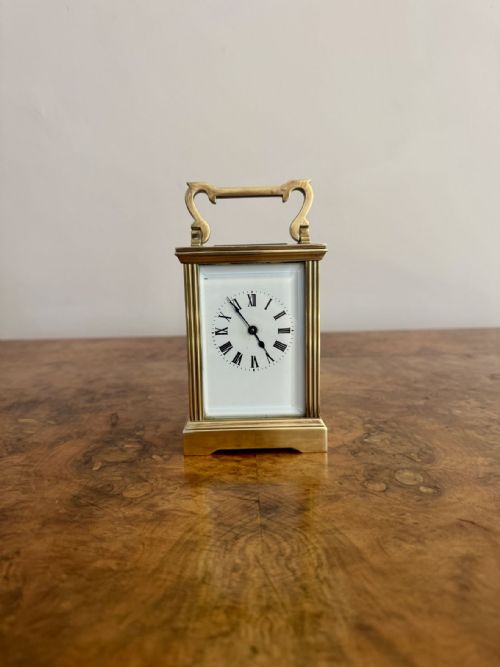
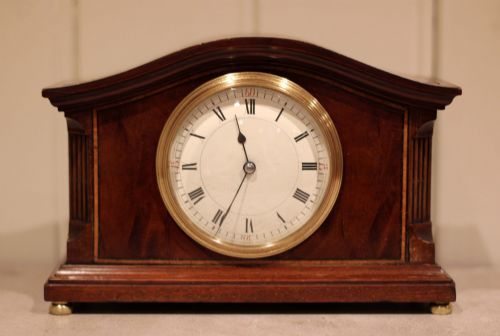
A traditional desk clock encompasses a variety of timepieces designed for surfaces, spanning mantel clocks, carriage clocks, bracket clocks, and table clocks. The selection draws primarily from Victorian, Edwardian, and Georgian periods, alongside late 19th-century French examples.
Buyers will frequently encounter mahogany, walnut, and oak wooden cases, as well as polished brass and glass designs. These pieces range from simple timepieces to striking clocks with 8-day and 14-day movements.
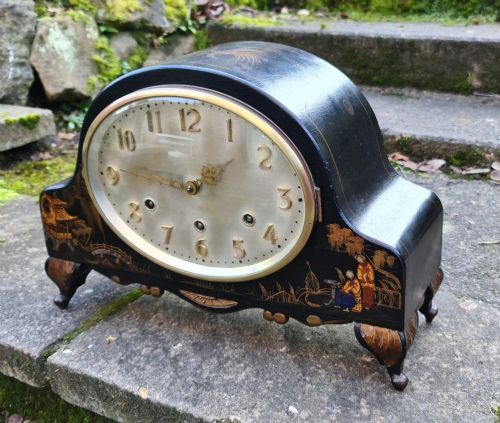
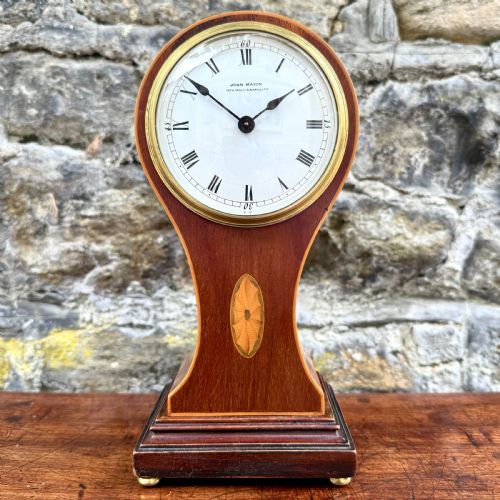
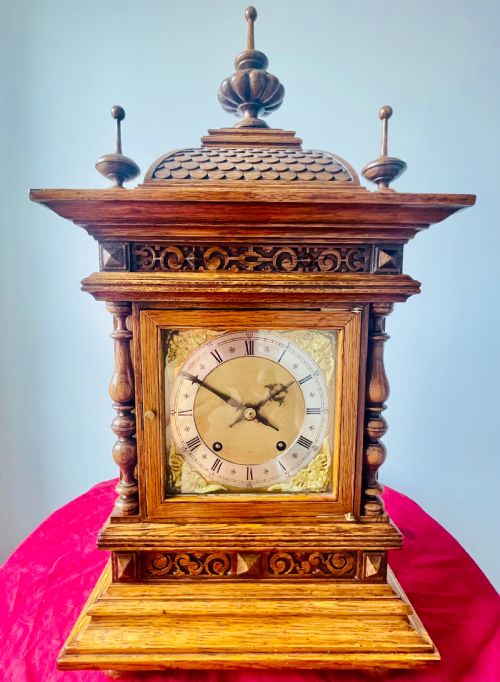
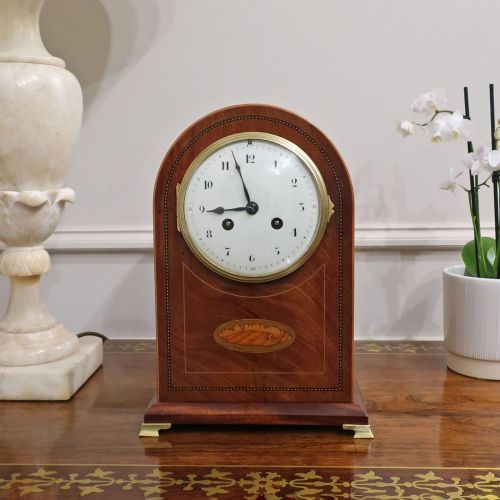
Origins vary across English, French, and German makers, utilising styles that include Regency, Gothic, and Chinoiserie influences. Forms include miniature bracket clocks, balloon mantel clocks, and heavy four-glass mantel clocks.
Materials and construction methods
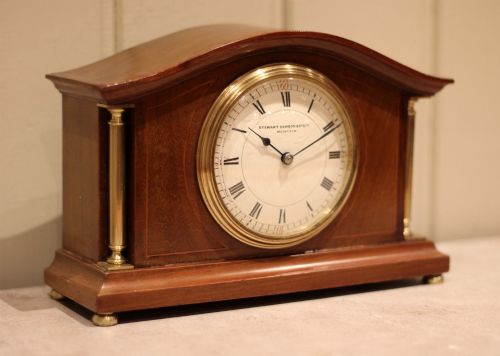
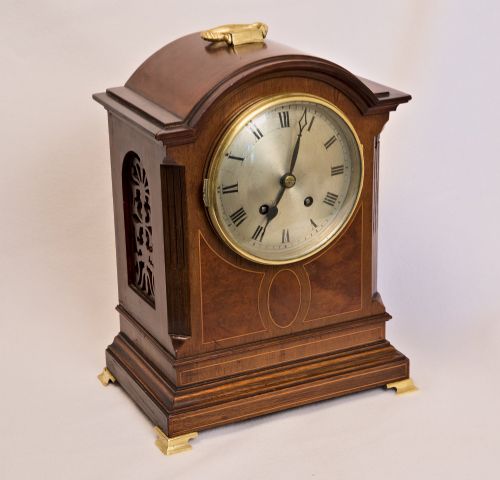
Cases combine solid and veneered timbers such as mahogany, walnut, oak, and satinwood, often featuring inlaid details or faux tortoiseshell finishes. Wood is shaped into architectural bracket forms, arched balloon cases, and lancet mantel designs.
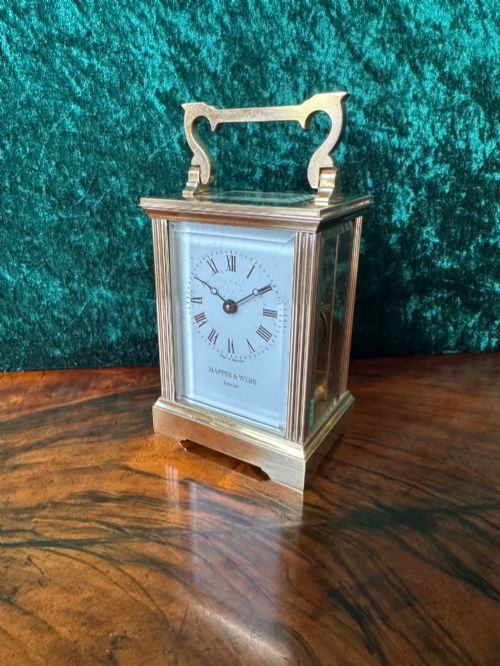
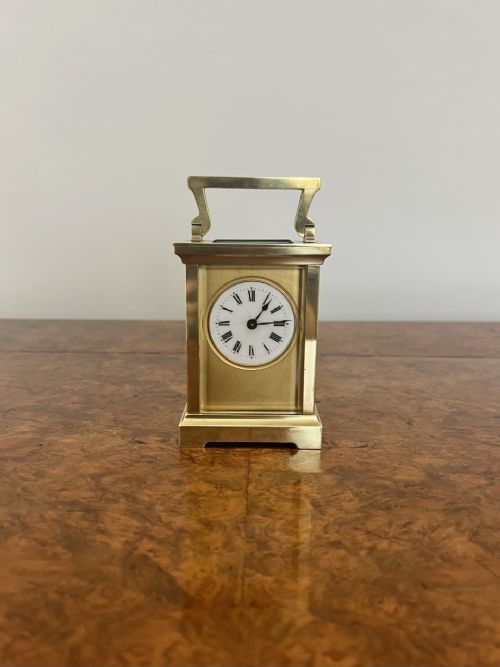
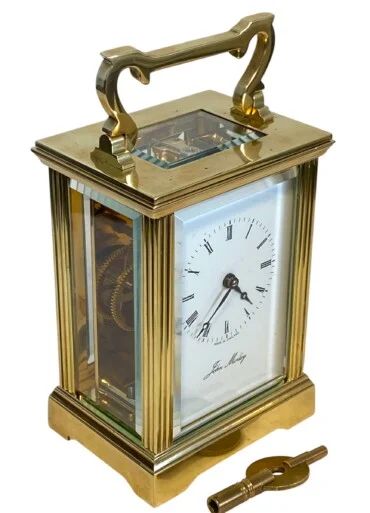
Metal components rely heavily on brass, particularly in carriage clocks and lantern clocks, which house intricate mechanical movements visible through bevelled glass panels. Enamel dials feature painted numerals and delicate hands driven by brass gear trains.
Traditional Desk Clock Retail Price Guide 2026
Typical asking prices for traditional desk clock among the pieces listed under this phrase on Sellingantiques today, from the lower quarter to the upper quarter. They describe what is for sale here now, not the wider market.
Listings feature brass, glass, mahogany, walnut, and oak across Victorian, Edwardian, and Georgian periods.
Distinguishing quality across examples
Quality rests in the precision of the mechanical movement, the crispness of the brass casting, and the selection of cabinet timbers. Signed movements by notable makers generally indicate higher workshop standards.
The integrity of the case woodwork, the clarity of the enamel dial, and the presence of original components dictate the standing of an individual clock. Heavier brass cases and well-figured mahogany veneers represent superior craftsmanship.
Mappin and Webb·John Morley·Henry Jacob·L Epee·Tiffany·Grey of Edinburgh
The Traditional Desk Clock Glossary
- Carriage clock
- A portable spring-driven timepiece originally designed for travelling, typically housed in a brass case with glass panels. These clocks often feature folding top handles and escapements visible through the dial.
- Bracket clock
- A shelf or table clock that historically required a matching wall bracket to support its weight. They feature mechanical movements and substantial wooden or veneered cases.
- Fusee movement
- A conical pulley mechanism designed to maintain even tension on the mainspring as it unwinds, ensuring consistent timekeeping accuracy. This system appears in finer English bracket and mantel clocks.
- Mantel clock
- A decorative clock designed to sit on the shelf above a fireplace or upon a desk. These pieces utilise wood or brass and frequently incorporate striking mechanisms.
- Four glass clock
- A mantel clock featuring glass panels on all four sides to expose the movement within. They are commonly housed in brass frameworks and date to the late 19th century.
Traditional Desk Clock: Frequently Asked Questions
What is a carriage clock?
A carriage clock is a portable timepiece housed in a brass frame with glass panels. They were originally built for travel during the 19th century.
Most feature a small handle on top and a visible escapement through the dial face. Their sturdy construction made them popular desk and travel accessories.
How do bracket clocks work?
Bracket clocks utilise spring-driven mechanical movements rather than swinging pendulums, allowing them to sit flat on tables or desks. Many include striking trains to chime the hours.
The term originates from wall brackets that supported heavier early models before they became independent desk pieces.
What woods were used for cases?
Cabinet makers utilised mahogany, walnut, oak, and satinwood for traditional clock cases. Veneers and solid timbers were shaped into architectural or curved forms.
Some pieces incorporate decorative elements such as inlaid stringing or faux tortoiseshell finishes to enhance the appearance.
How do I identify an Edwardian clock?
Edwardian clocks date from the early 20th century and often feature refined mahogany or walnut cases. Styles range from simple timepieces to inlaid mantel designs.
Documentation, maker signatures, and construction techniques help distinguish these pieces from earlier Victorian examples.