

Antique Chime Clock
These heavy-striking mechanical pieces keep time with brass bells and gongs, and finding the right antique chime clock means balancing casework timber against the complexity of the internal train.
Antique Chime Clock
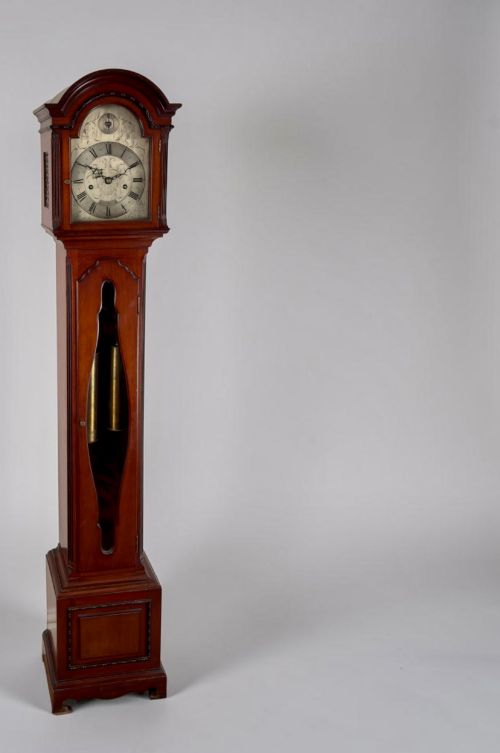
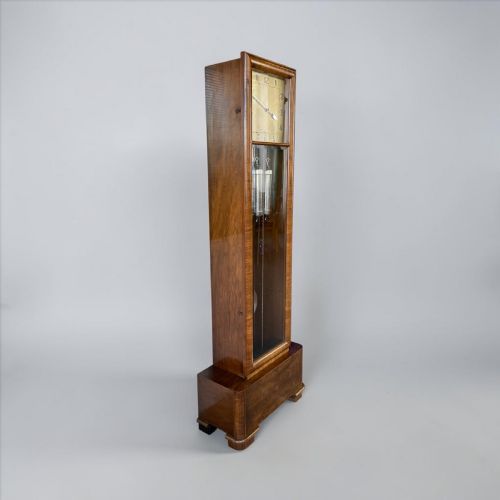
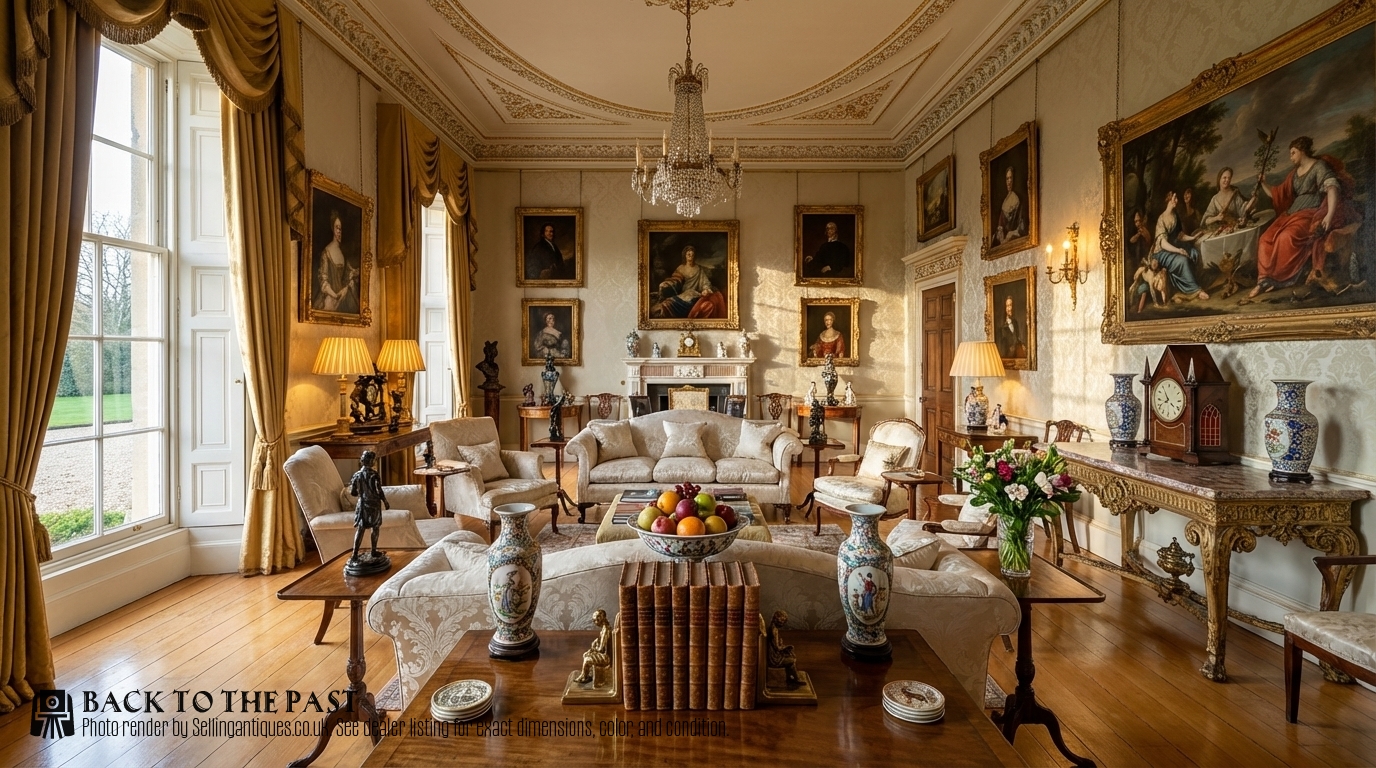
An antique chime clock is a mechanical timepiece designed to sound melodic quarters or hours using gongs, bells, or tubular rods. When you search for this phrase, you encounter everything from compact mantel models to towering longcase grandfather clocks.
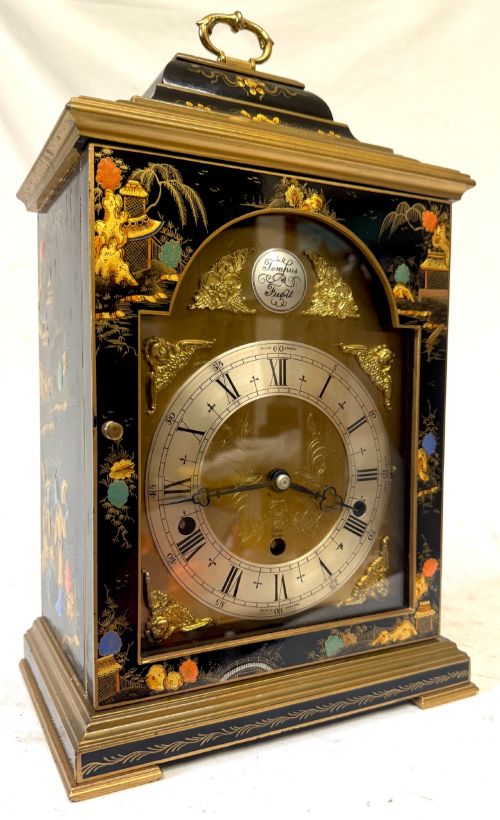
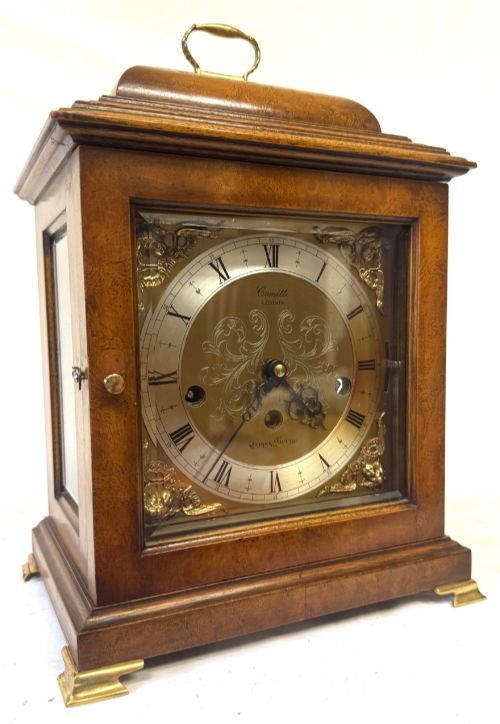
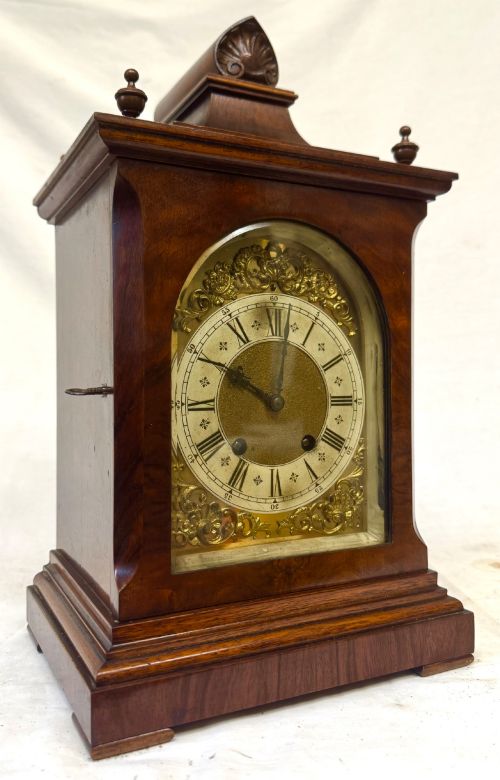
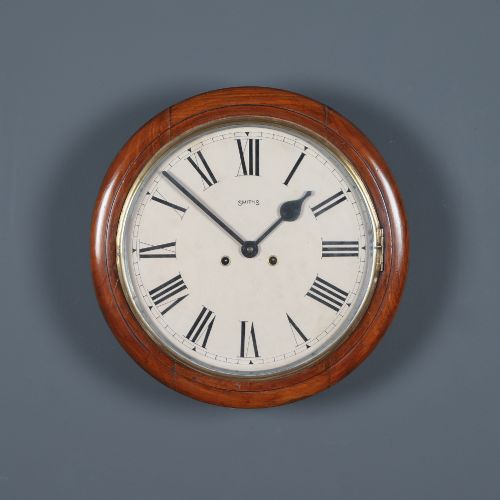
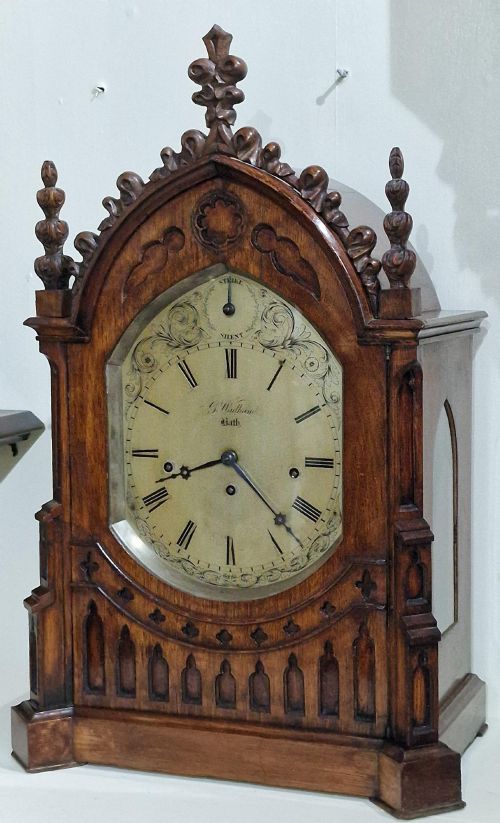
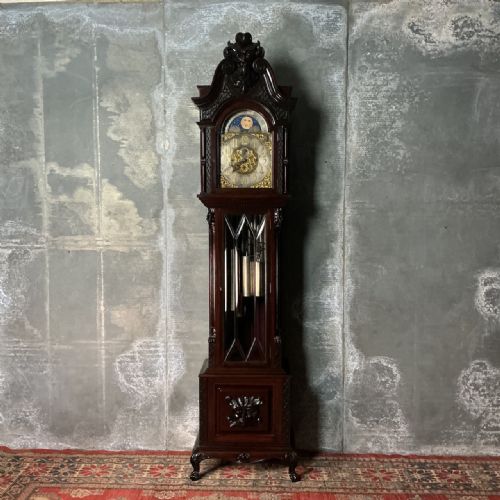
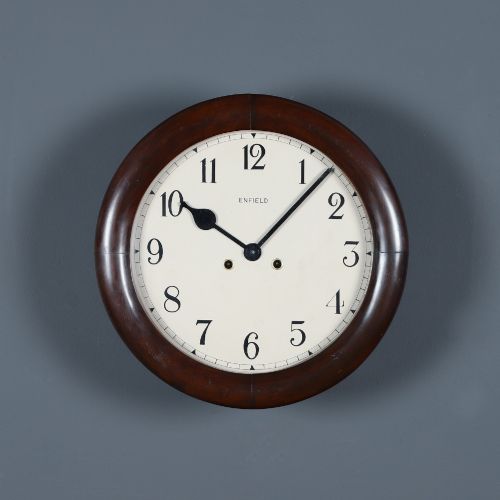
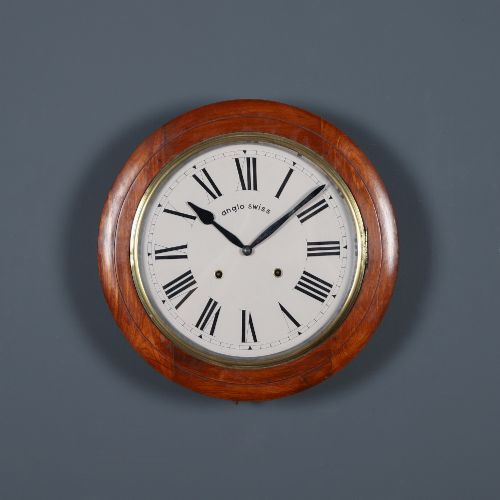
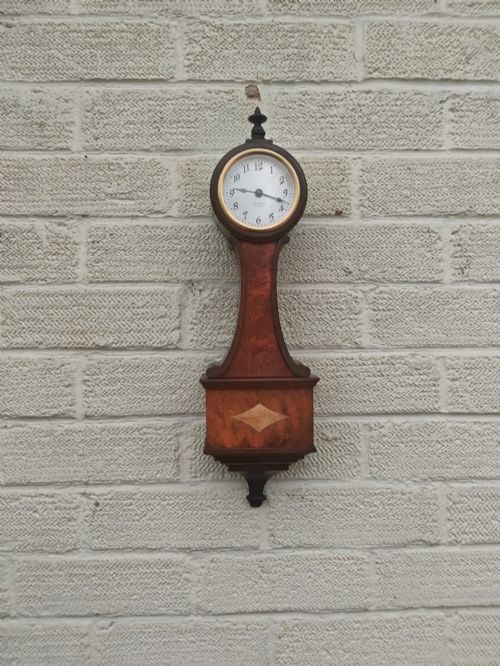
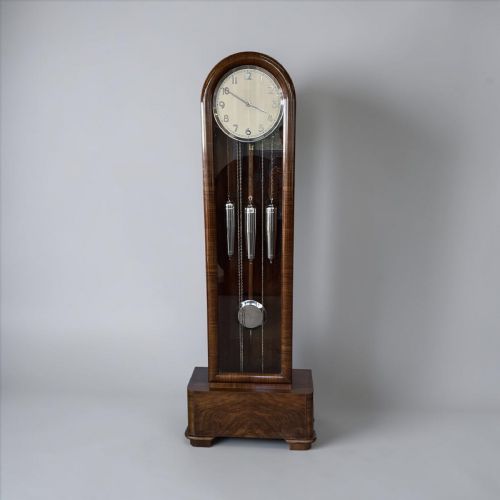
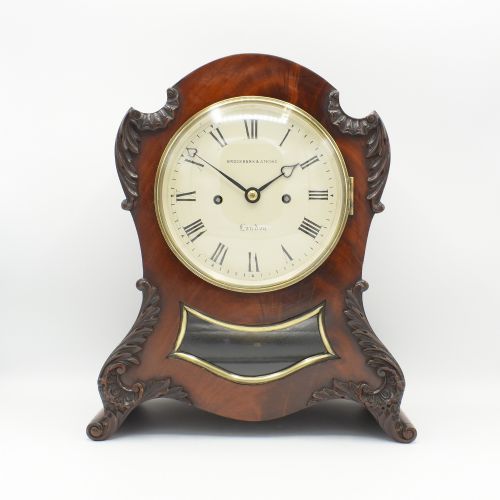
The versions most commonly met on this page span the Victorian era, the Edwardian period, and the 1930s, constructed in woods like mahogany, oak, and walnut. They range from small bracket clocks intended for tables to substantial wall-hung railway dials and tall floor models.
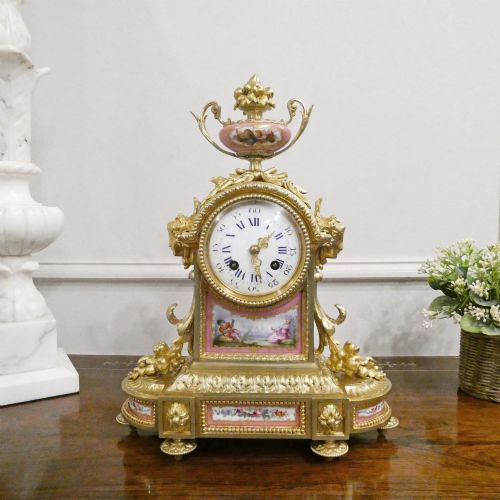
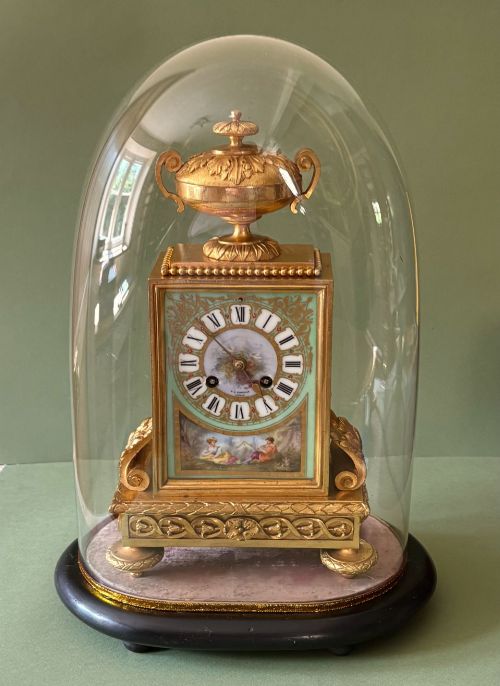
Makers housed these movements in diverse regional styles, including Art Deco geometries, French gilt bronze, and traditional British case designs. Each form reflects the domestic habits of its period, providing both a visual centrepiece and an acoustic marker for the house.
How they were made
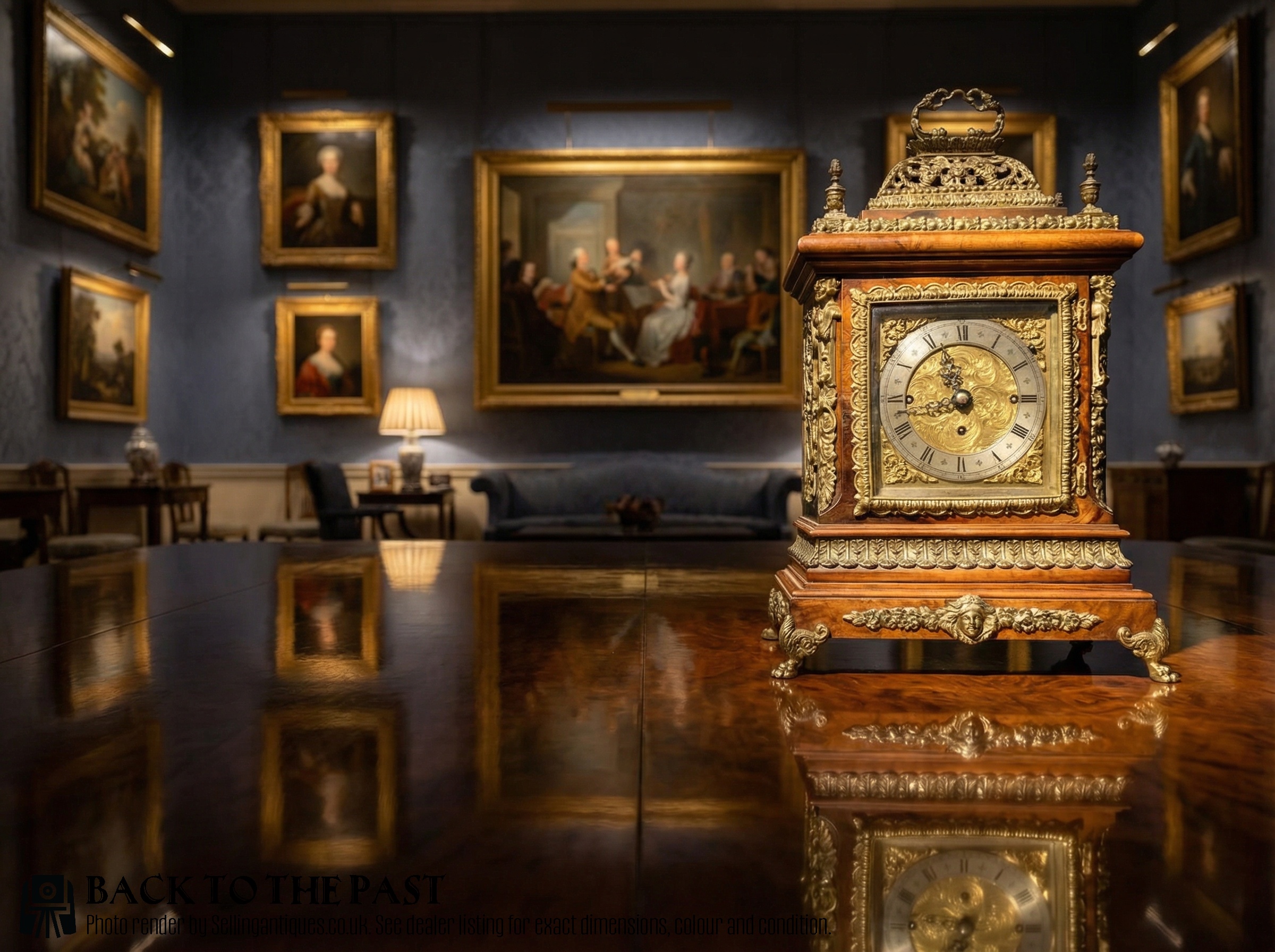
Clockmakers housed these intricate gear trains in seasoned timber carcasses, predominantly selecting figured walnut, dark mahogany, and solid oak for stability and resonance. Carpenters frequently embellished these housings with brass dials, silvered chapters, glass viewing panels, and enamel numerals.
The interior engineering relies on heavy brass plates, steel pinions, and weight-driven or spring-driven mechanisms with multiple trains to govern the striking and chiming functions. Makers employed specialised components like fusee cones to maintain even tension across the mainspring as it unwound.
Antique Chime Clock Retail Price Guide 2026
Typical asking prices for chime clock among the pieces listed under this phrase on Sellingantiques today, from the lower quarter to the upper quarter. They describe what is for sale here now, not the wider market.
Movements range from simple two-train time-and-strike configurations to elaborate triple-fusee and multi-bell musical mechanisms.
What varies in quality
Quality rests in the acoustic clarity of the bells or gongs and the precision engineering of the movement plates. A superior piece utilises multiple trains, such as triple fusee or three-train setups, allowing for complex musical sequences rather than a simple hourly strike.
The cabinetwork equally defines the tier of the piece, distinguishing standard production models from workshop-built examples featuring hand-carved mahogany, marquetry inlay, or fire-gilt bronze mounts. The crispness of the dial engraving and the weight of the brass components separate everyday timepieces from high-end commissions.
Gillett & Johnston of Croydon·H.A.C.·Lenzkirch·Smiths·George Wadham Bath·Japy Freres·Brockbanks & Atkins·Winsor Bishop Norwich·Mappin & Webb·Webster London·Charles Pratt London·Vedette·Winterhalder·Elliott·Haller·Winterhalder & Hofmeier
The Antique Chime Clock Glossary
- Fusee
- A conical pulley used in better clocks to equalize the diminishing power of the mainspring as it runs down. This mechanical device ensures steady force reaches the escapement for accurate timekeeping.
- Grandmother clock
- A slender, scaled-down version of the traditional longcase grandfather clock, usually standing under six feet tall. These narrower floor clocks became popular in the early twentieth century for smaller rooms.
- Bracket clock
- A portable table or shelf clock originally designed to sit upon a dedicated wall bracket. Many examples feature brass carrying handles and glazed side panels to display the movement.
- Train
- An independent series of gears within a clock movement dedicated to a specific function, such as timekeeping, striking the hour, or playing musical chimes. Clocks with more trains perform more complex acoustic duties.
- Tubular bell
- A set of suspended metal tubes struck by hammers inside longcase clocks to produce a deep, cathedral-like chime. This mechanism replaced traditional cast bronze bells in many large Edwardian and later movements.
Antique Chime Clock: Frequently Asked Questions
What is the difference between a strike and a chime?
A strike simply sounds the hour or half-hour using a single hammer on a bell or gong.
A chime plays a sequence of multiple notes, such as the Westminster melody, at the quarter-hour intervals before sounding the full hour.
Where should I place a longcase chime clock?
Position the tall case against a sturdy interior wall away from direct sunlight, central heating radiators, and heavy foot traffic.
A stable floor surface prevents vibrations from disturbing the pendulum and keeps the heavy case plumb for accurate beating.
How do I identify the period of a wooden case?
Examine the timber grain, hardware, and decorative motifs against known historical styles like Victorian carving or Art Deco symmetry.
Cabinet woods like figured walnut and mahogany shifted in popularity across the decades, while dial materials evolved from brass plates to painted iron and chrome.