

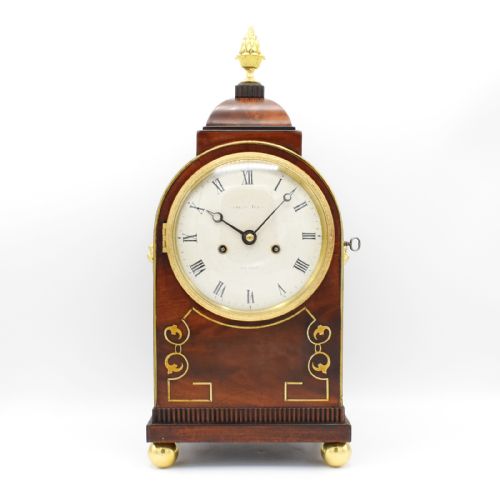
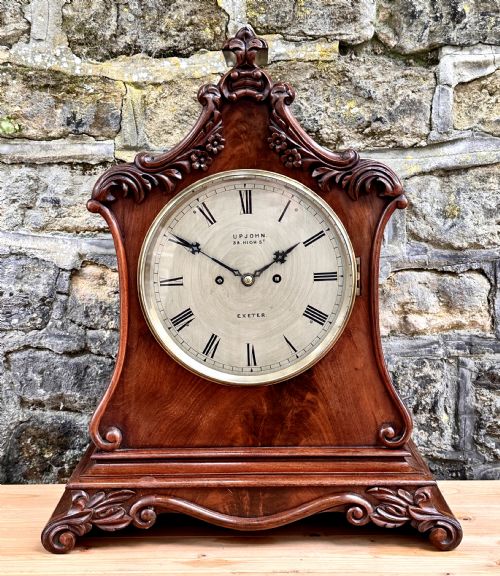
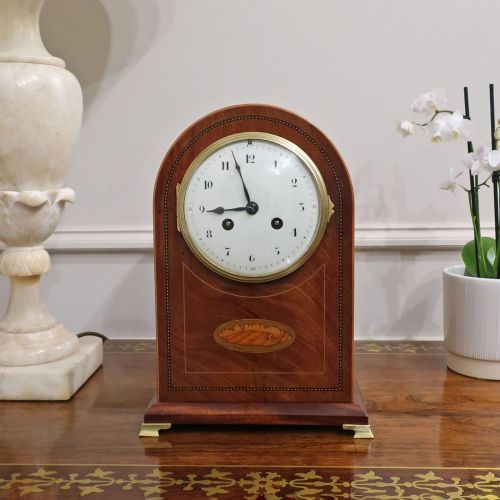
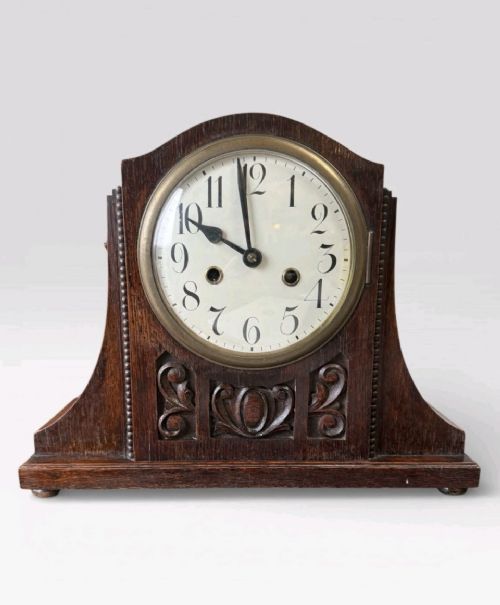
Wooden Shelf Clock
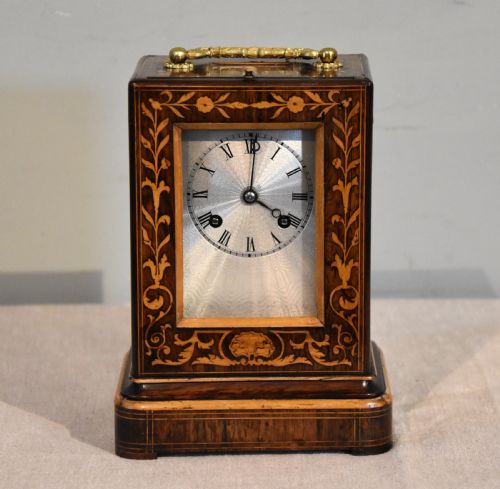
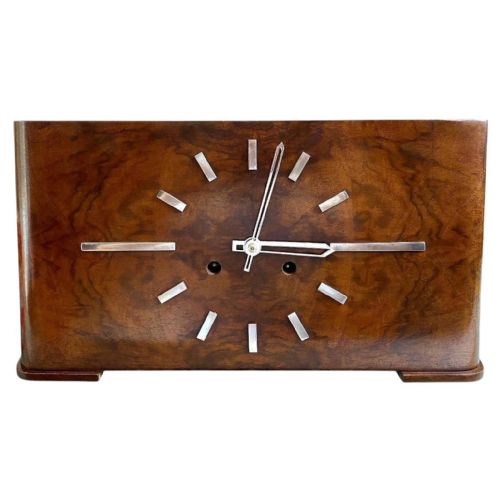
These wooden shelf clock examples are dependable domestic timekeepers from the Edwardian era up to the mid-twentieth century.
Understanding the wooden shelf clock
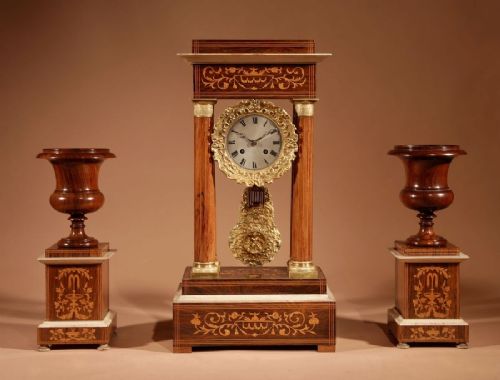
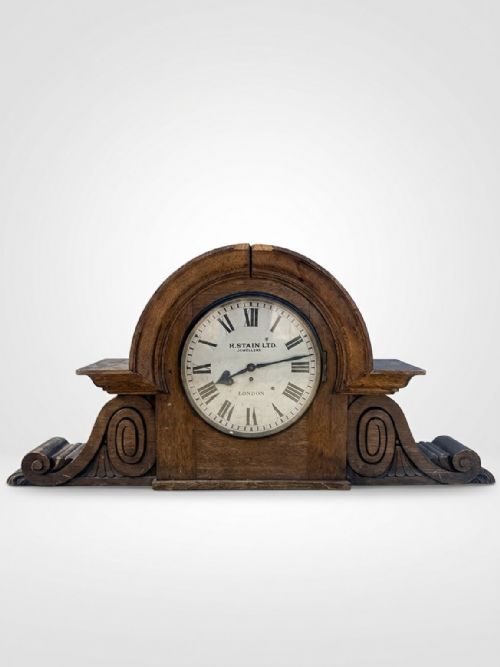
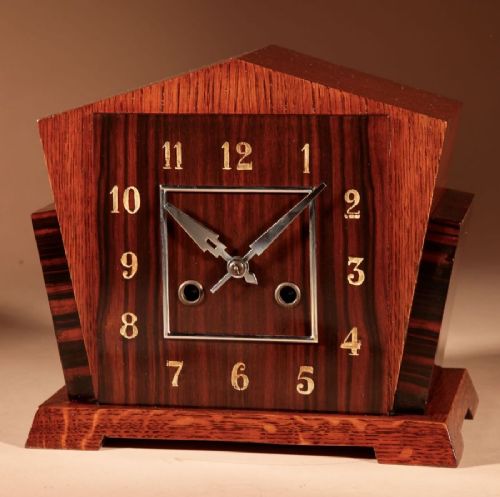
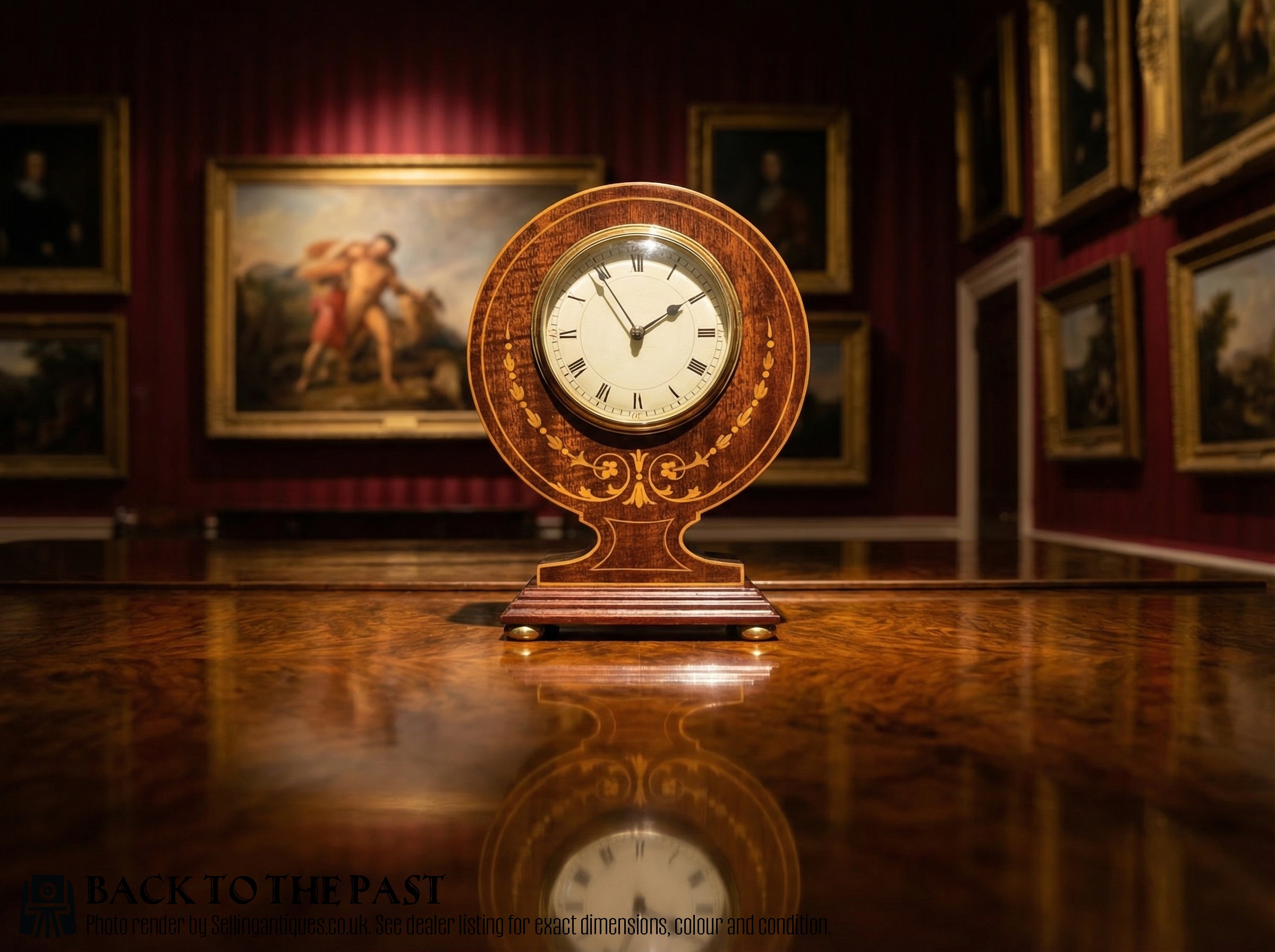
A wooden shelf clock sits upright on furniture surfaces and combines utility with domestic display. The pieces encountered here span from nineteen hundred through to nineteen sixty, capturing a significant shift in household timekeeping.
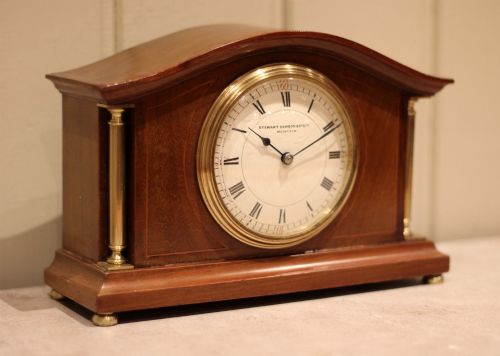
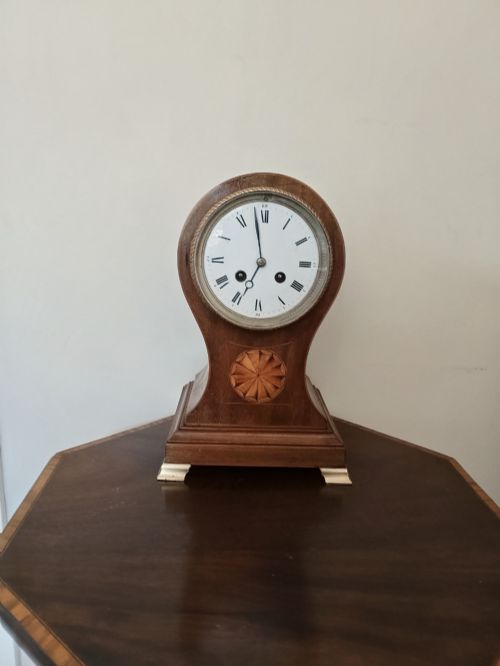
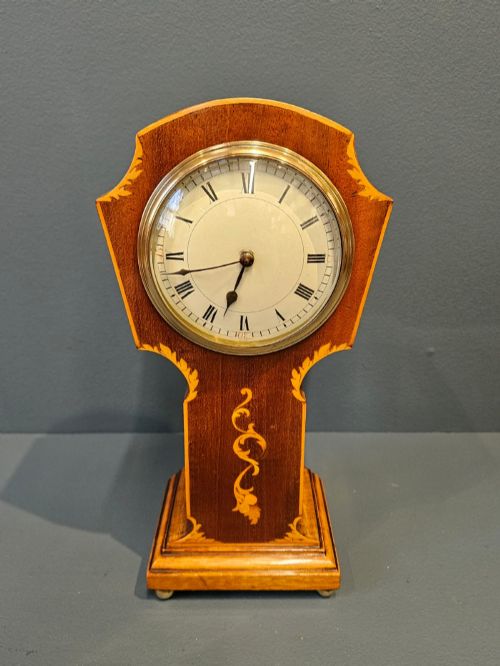
Most entries belong to the Edwardian period or carry that distinct style, presented in mantel and lancet configurations. These domestic clocks bring period presence to a room without dominating the space.
Materials and construction
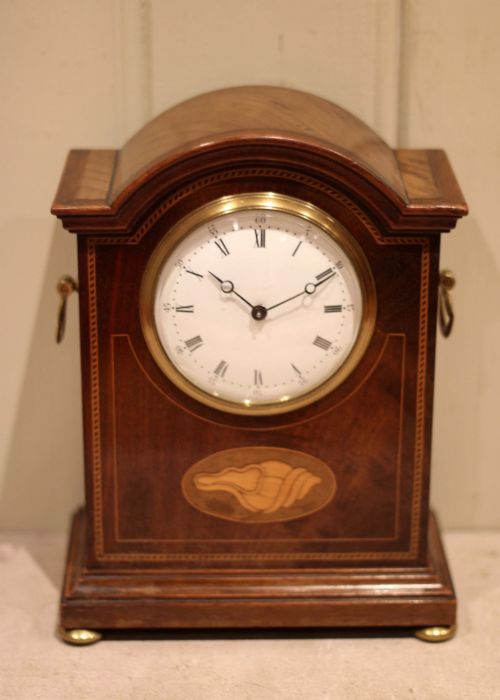
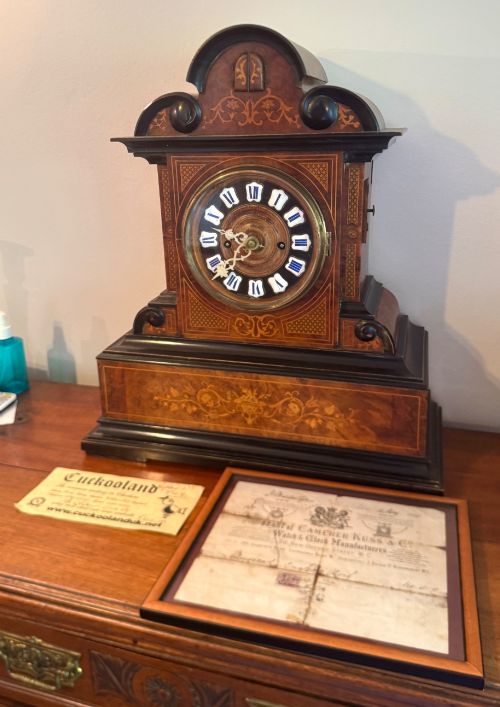
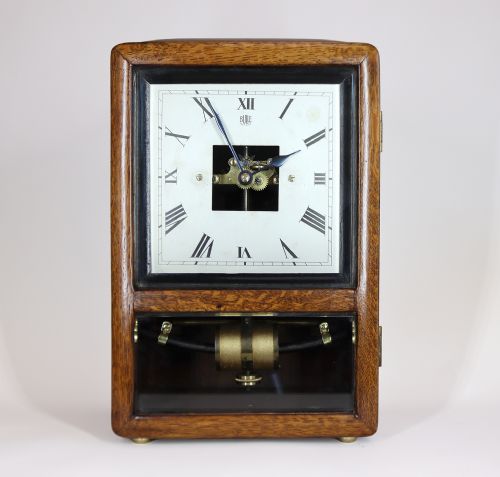
Makers utilised mahogany as the primary timber body, often enriching the surface with boxwood inlay and general wood inlay details. Enamel dials and brass components provide the functional face and movement housing behind glass.
The architectural cases rely on traditional cabinet-making joints to enclose eight-day movements. These construction methods ensure the timber frames remain stable and house the striking mechanisms securely.
Retail Price Guide 2026
Typical UK retail prices for wooden shelf clock, calculated from the Sellingantiques database of over a million retail prices indexed since 2003. This retail price guide relies exclusively on Sellingantiques data; no external sources or auction records are used, so the figures do not describe the wider market.
Current listings span from nineteen hundred to nineteen sixty, featuring mahogany cases, brass fittings, and enamel dials.
Judging quality and execution
The distinction between standard and superior pieces rests on the precision of the woodwork and inlay. Finer examples display meticulous boxwood detailing and well-balanced proportions across lancet or traditional mantel profiles.
Material selection also dictates the grade, where rich mahogany paired with crisp enamel dials and quality brass fittings elevates the piece. The integration of Arts and Crafts design sensibilities similarly marks out more ambitious work.
Elliott
The Wooden Shelf Clock Glossary
- Lancet top
- A clock case profile featuring a pointed arch shape reminiscent of Gothic architecture. This silhouette is particularly common in Edwardian mahogany designs.
- Eight day
- A movement type requiring winding roughly once a week to maintain operation. This mechanism offers greater convenience than daily-wound alternatives.
- Inlay
- A decorative technique where contrasting woods like boxwood are embedded into the mahogany surface. This method creates geometric or floral patterns.
- Enamel
- A durable glazed surface fused to metal for the clock dial. It provides a crisp, legible background for the painted numerals.
Frequently Asked Questions
Where should a wooden shelf clock be placed?
These clocks fit naturally on mantelpieces, bookshelves, or heavy sideboards where a flat, stable surface supports their weight. Their upright proportions ensure they command attention without requiring excessive depth.
Keep them away from direct heat sources and damp exterior walls to protect the timber case and internal brass mechanism from unnecessary strain.
How do eight-day movements work?
An eight-day movement runs continuously for approximately one week before needing to be wound with a key. This mechanism uses a spring-driven system to power both the timekeeping and striking trains.
Regular winding at consistent intervals helps maintain the accuracy and longevity of the internal gears.
What defines an Edwardian mantel clock?
Edwardian mantel clocks typically feature mahogany cases, often embellished with delicate boxwood inlay or stringing. The designs lean towards traditional English aesthetics with refined architectural silhouettes.
They reflect the domestic tastes of the early twentieth century, balancing functional timekeeping with understated decorative appeal.