
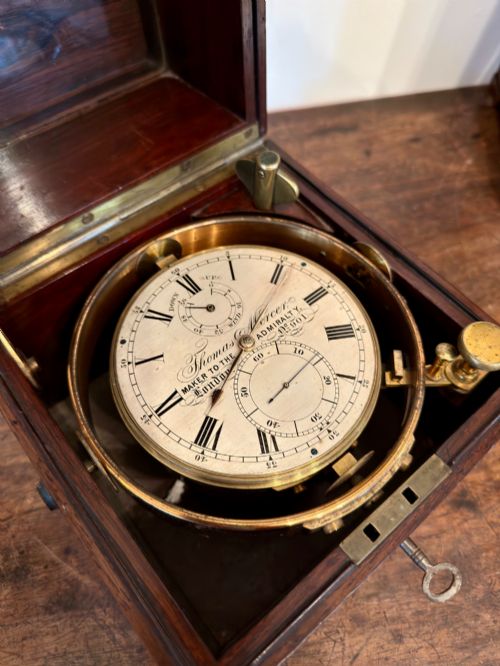

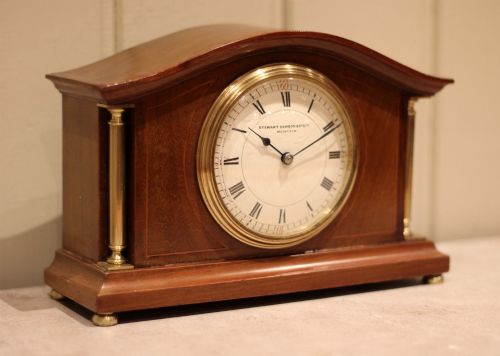
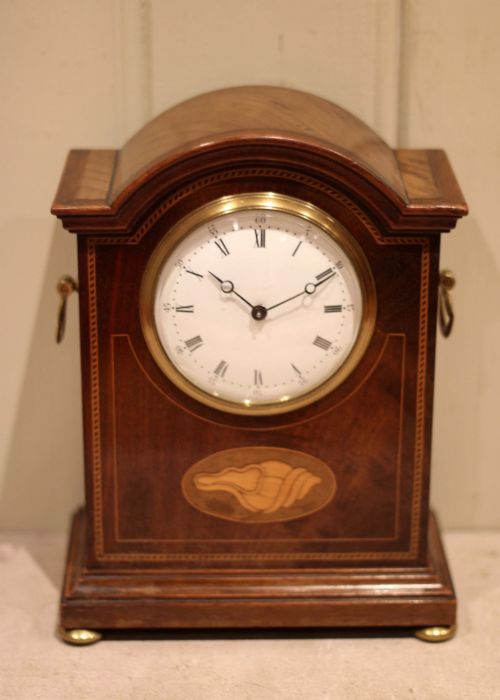
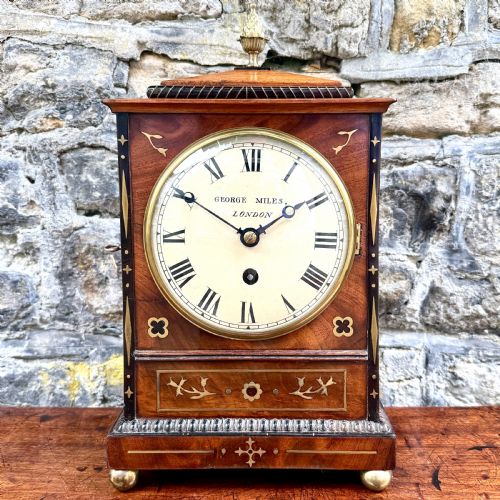
Antique Mahogany Timepiece
An antique mahogany timepiece brings mechanical precision and rich timber grain to a room, offering both reliable function and traditional craftsmanship.
What an antique mahogany timepiece is
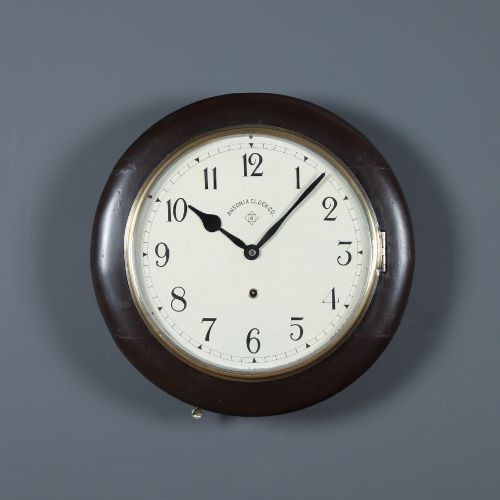
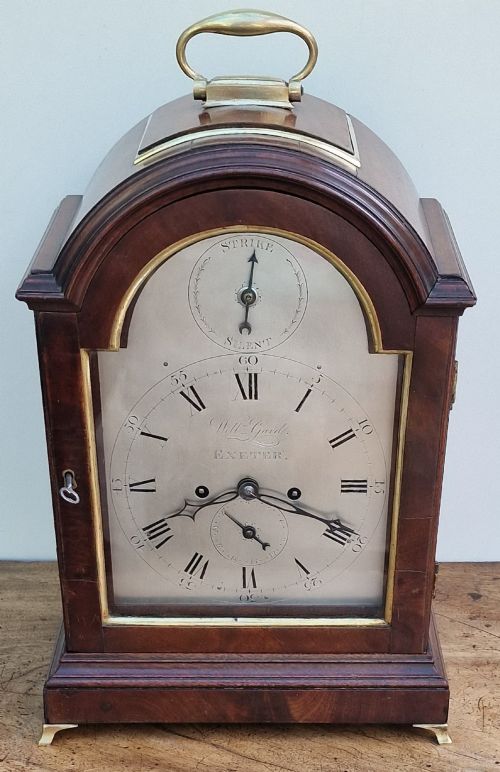
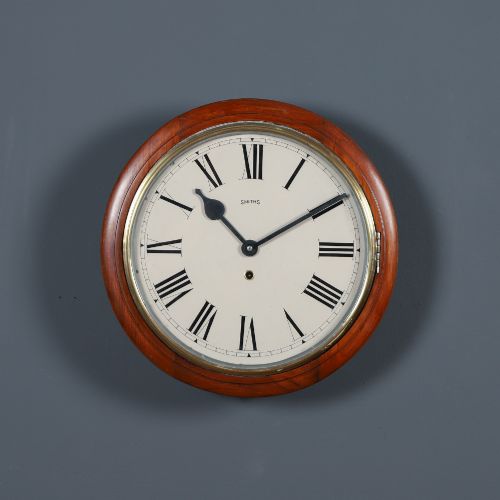
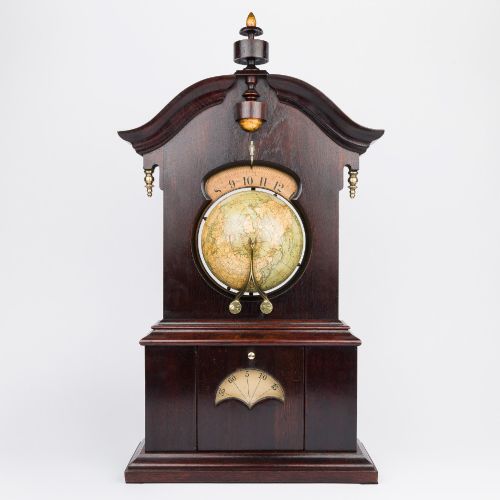
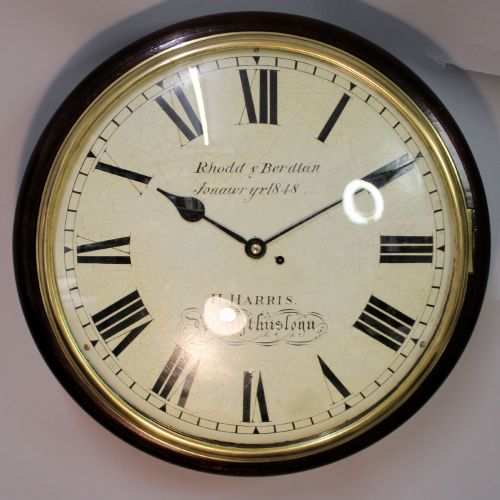
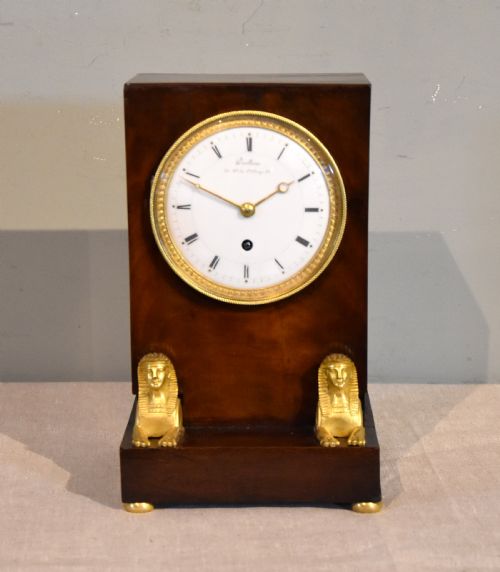
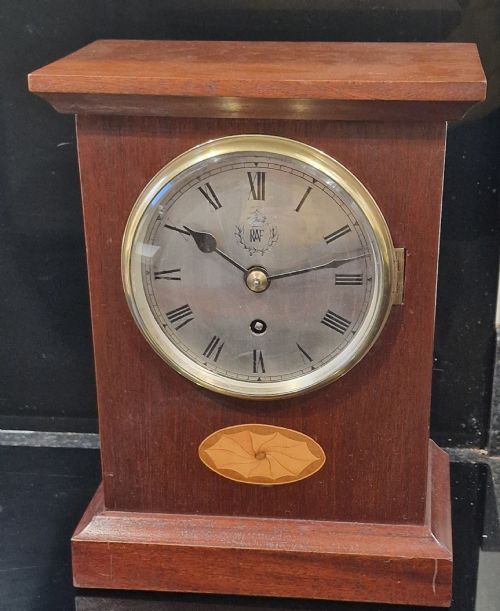
An antique mahogany timepiece comprises wall clocks, mantel clocks, bracket clocks, and library clocks housed in dense timber cases. These horological items record hours using mechanical movements driven by springs or weights.
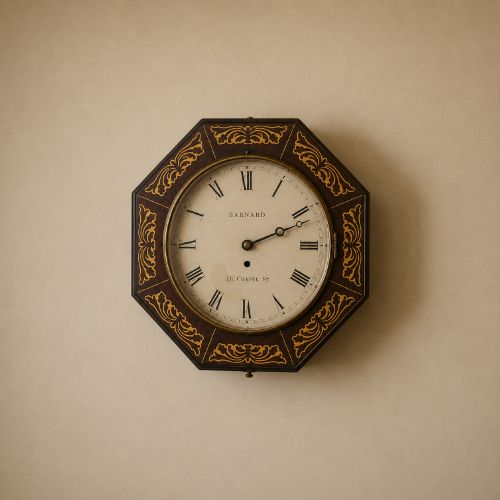
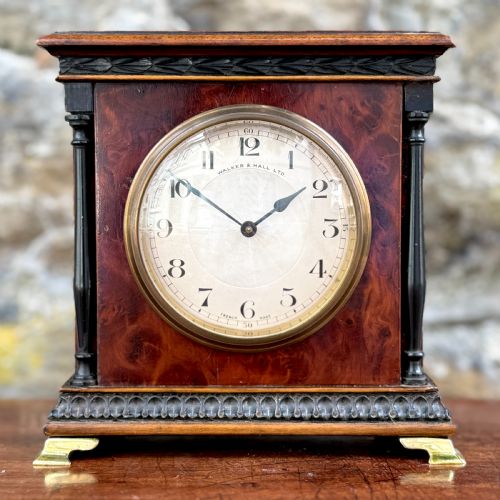
The pieces appearing on this page span Victorian, Edwardian, and nineteenth-century periods, alongside Regency styling. Forms range from round dial wall clocks to striking bracket clocks and lancet top mantel designs.
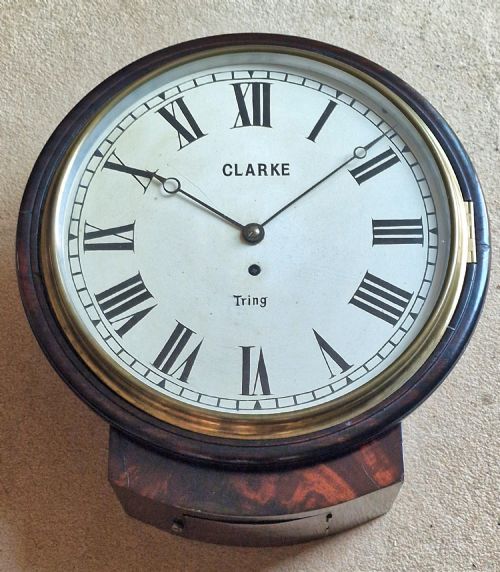
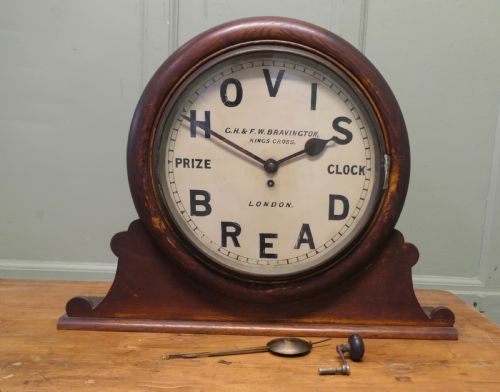
Makers and origins include George Clarke of Tring, Ansonia, and Anglo Swiss Challenge. Buyers frequently encounter wall-mounted railway station or school round dial formats alongside domestic shelf and desk variations.
Materials and construction
Casework relies on mahogany timber, sometimes accented with boxwood stringing or inlay. Glazing protects the dial face, while brass components form bezels, hinges, and internal movement plates.
Faces feature painted metal or enamel bearing numerals. Movements are built from brass and steel, driving hands across dials designed for wall hanging or surface placement.
Retail Price Guide 2026
Typical UK retail prices for mahogany timepiece, calculated from the Sellingantiques database of over a million retail prices indexed since 2003. This retail price guide relies exclusively on Sellingantiques data; no external sources or auction records are used, so the figures do not describe the wider market.
Listings feature Victorian, Edwardian, and nineteenth-century periods alongside Regency styles, utilising mahogany, brass, glass, painted metal, enamel, and boxwood.
Judging quality
Quality reveals itself in the crispness of the timber cabinet work and the fidelity of the dial markings. Cases built from figured mahogany with clean boxwood stringing show superior cabinetmaker involvement.
The sophistication of the internal movement dictates the standard of the piece. Striking mechanisms and signed dial plates by established makers elevate an item above standard time-only variants.
George Clarke Tring·Ansonia·Anglo Swiss Challenge
The Antique Mahogany Timepiece Glossary
- Timepiece
- A clock that tells the time without incorporating a striking mechanism to chime the hours. This term distinguishes basic time-only movements from striking clocks.
- Lancet top
- A clock case shape featuring a pointed, arched top reminiscent of a lancet window. This architectural silhouette gained popularity during the Edwardian period.
- Bracket clock
- A portable spring-driven clock originally designed to sit on a wall bracket to aid sound projection. Later examples function as substantial mantel clocks.
- Dial
- The face of the clock where numerals indicate the hours and minutes. Enamel and painted metal represent the standard surfaces encountered here.
- Boxwood stringing
- A narrow inlay of pale boxwood set flush into darker mahogany surfaces. This decorative technique creates fine contrasting borders around clock cases.
Frequently Asked Questions
How do I wind a mahogany timepiece?
Winding requires inserting a key into the winding arbor on the dial face and turning it gently until resistance increases. Care must be taken not to over-wind the mainspring.
Most mechanical movements require a weekly or thirty-hour winding cycle depending on the internal train design.
Where should I place a wall clock?
Wall clocks need secure mounting on a solid partition or stud to prevent vibrations from disrupting the pendulum or balance wheel. A stable wall ensures the beat remains even.
Height should allow easy access for weekly winding and routine viewing of the dial.
What is the difference between a timepiece and a striking clock?
A timepiece simply indicates the hours and minutes through the movement of its hands. It lacks any mechanism to sound the passage of time.
A striking clock includes an additional gear train and hammer to ring a bell or gong on the hour or half-hour.
How do I identify an Edwardian mahogany clock?
Edwardian examples frequently display lighter mahogany tones and delicate boxwood stringing reflecting early twentieth-century tastes. Formats often include lancet top mantel designs.
Labels, signatures on painted metal dials, and movement stamps help confirm the production era alongside stylistic cues.