

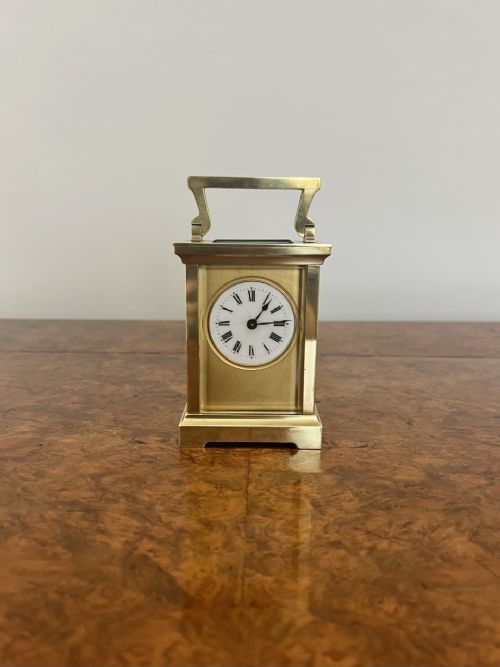


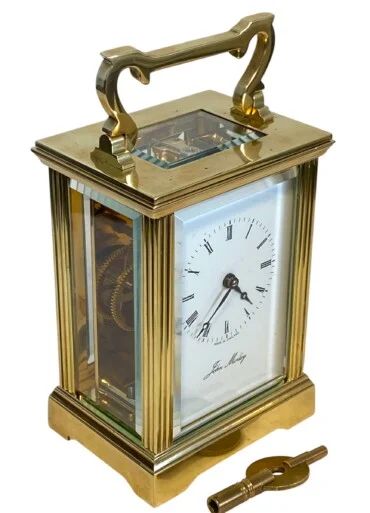


Traditional Mantle Clock
These traditional mantle clock pieces span centuries of cabinet-making and horology, offering functional timekeeping encased in period timber, brass and stone.
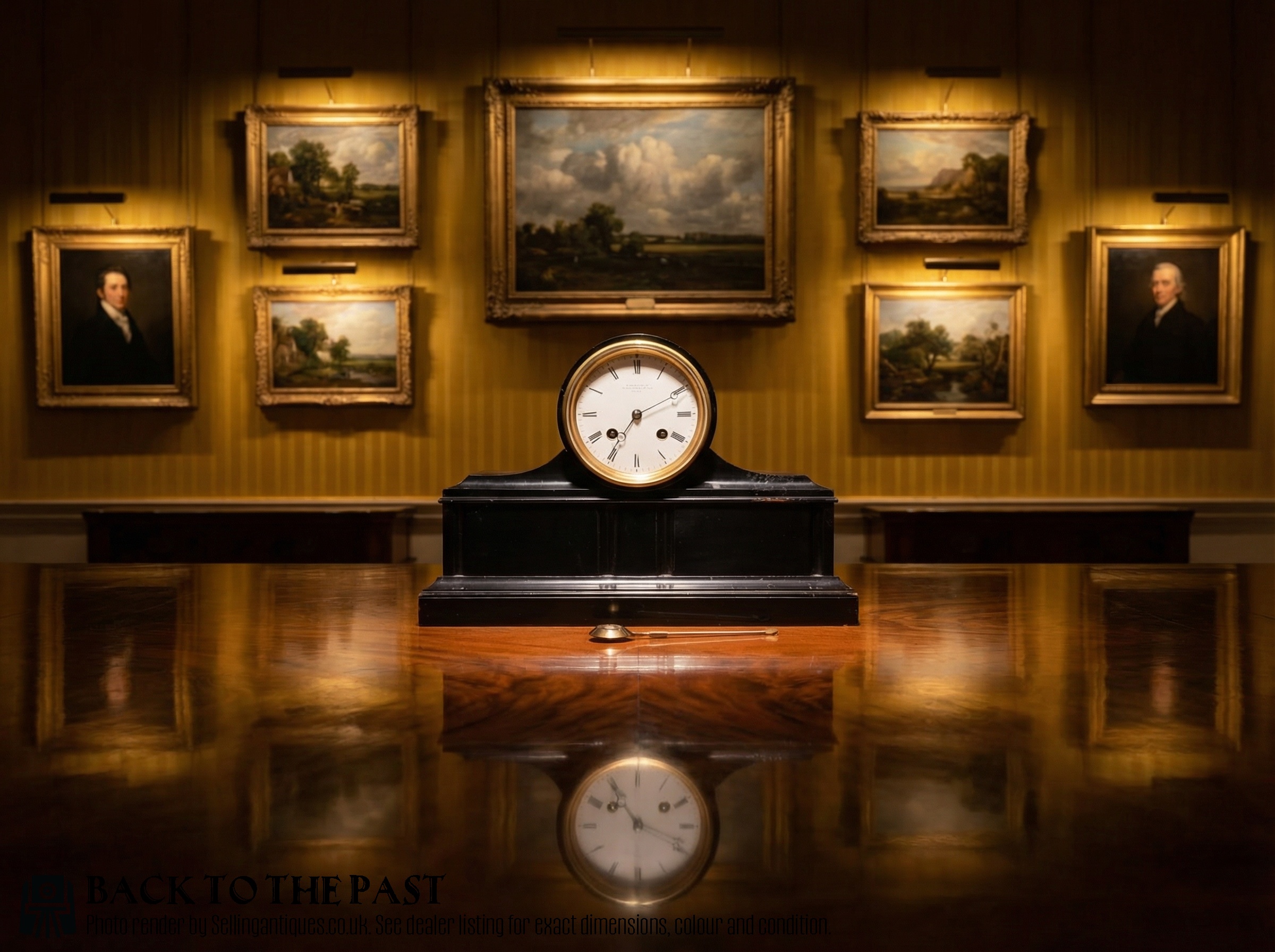
Traditional Mantle Clock
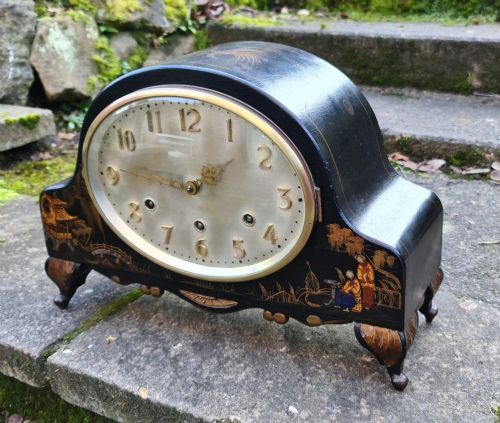
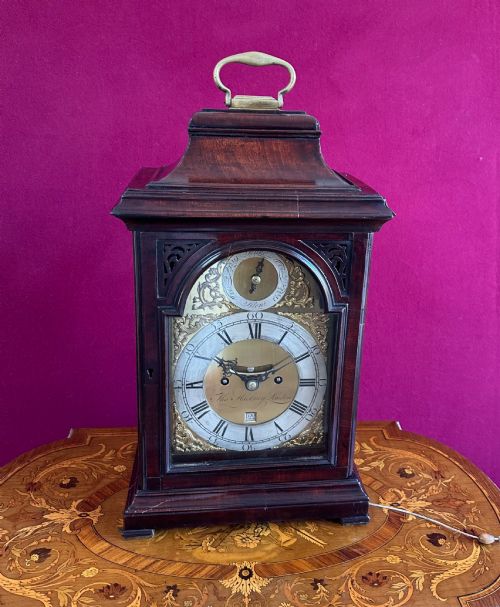
A traditional mantle clock sits on a shelf or tabletop, taking forms from small carriage clocks to large bracket clocks and architectural mantel pieces. When exploring traditional mantle clock items, mahogany cases dominate, alongside walnut, marble, slate and brass.
The selection ranges across Victorian, Edwardian and Georgian eras, with makers and retailers marking dials and movements from London, provincial towns and continental workshops. Buyers encounter architectural wooden cases, glass-panelled carriage designs and heavy stone bodies.
Movements vary from simple timepieces to striking eight-day systems and fusee mechanisms. These objects served households as both reliable timekeepers and decorative centrepieces for reception rooms and libraries.
How they were made
Cabinet-makers constructed timber cases using solid and veneered mahogany, walnut, rosewood and ebonised wood, frequently incorporating string inlay, brass mounts and bevelled glass panels. Stone models utilise black slate and marble for heavy, architectural housing.
Clockmakers fitted mechanical movements driven by springs and fusee chains, often incorporating pendulum regulation or platform escapements for portable carriage designs. Dials combine enamelled chapters with engraved brass faceplates and blued steel hands.
Traditional Mantle Clock Retail Price Guide 2026
Typical asking prices for traditional mantle clock among the pieces listed under this phrase on Sellingantiques today, from the lower quarter to the upper quarter. They describe what is for sale here now, not the wider market.
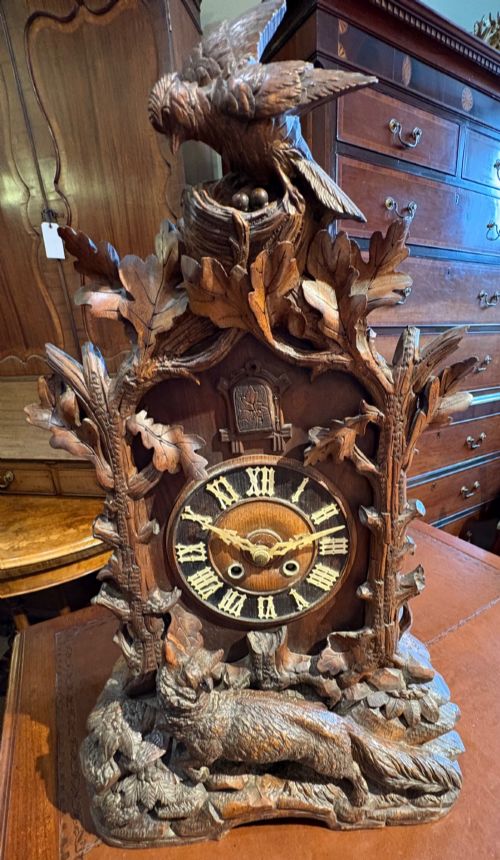
Black Forest cuckoo clocks bring mechanical birds into the parlour, chirping through the decades on pine gears.
What varies in quality
Quality depends upon the precision of the mechanical movement, the integrity of the cabinet timber and the crispness of any cast brass ornamentation or dial engraving. Signed dials from known makers and London workshops separate standard production from superior pieces.
The choice of materials dictates the standing of a piece, from figured walnut and flame mahogany veneers to solid marble and slate housings fitted with complex striking trains.
Mappin & Webb·L Vick of Stroud·Webster Cornhill London·John Morley·Henry Jacob·Tiffany·Jas Whitelaw of Edinburgh·Winterhalder & Hofmeier·Walker and Hall
The Traditional Mantle Clock Glossary
- Fusee
- A conical pulley used in clock movements to maintain an equal pull on the chain as the mainspring unwinds. This mechanism ensures steady timekeeping throughout the power reserve.
- Bracket clock
- A portable table clock originally designed to sit upon a matching wall bracket. These pieces typically feature wooden cases with carrying handles and glazed side panels.
- Carriage clock
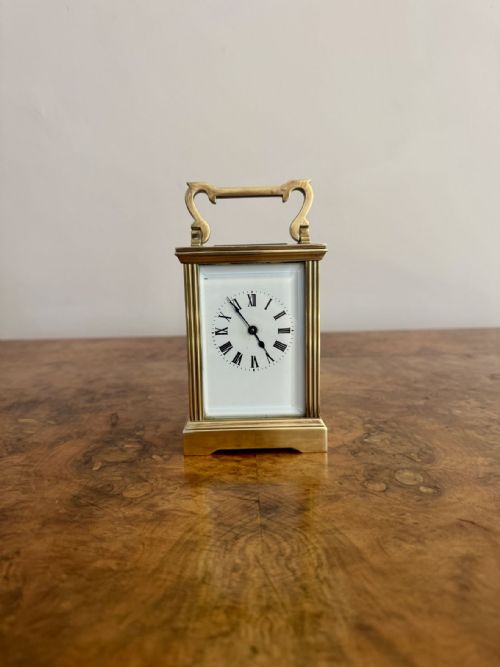
- A small, spring-driven clock with a glass-sided brass case and a folding handle on top. Originally designed for travel during the nineteenth century.
- Verge movement
- An early type of escapement used in antique clocks, regulating the speed through a crown wheel and balance. It represents traditional mechanical engineering before the widespread adoption of the anchor escapement.
- Enamel dial
- A metal dial face coated with fused glass powder to create a smooth white surface with painted numerals. These dials resist tarnishing over centuries.
Traditional Mantle Clock: Frequently Asked Questions
How do I wind an antique clock?
Use the appropriate key on the winding squares located on the dial face, turning gently until you feel resistance. Avoid over-winding to protect the mainspring.
Ensure you do not force the hands backward past the hour when setting the time on striking models.
What is a fusee movement?
A fusee is a conical drum inside the clock connected to a chain or cord that evens out the declining power of the mainspring. This keeps the force applied to the gear train constant.
It is a sign of traditional horological craftsmanship found in better bracket and table clocks.
Where should I place my clock?
Position the clock on a stable, level surface such as a mantelpiece, shelf or heavy sideboard away from direct sunlight and drafts. A level base ensures the pendulum swings evenly.
Wooden cases react to extreme changes in temperature and humidity, so stable room conditions are ideal.
How do I tell Victorian from Georgian clocks?
Georgian clocks from the eighteenth and early nineteenth centuries often feature distinct architectural mahogany bracket cases and verge movements. Victorian pieces from the mid to late nineteenth century frequently utilise marble, slate or heavily carved walnut.
Dial styles, cabinet proportions and maker signatures also help indicate the period of manufacture.