

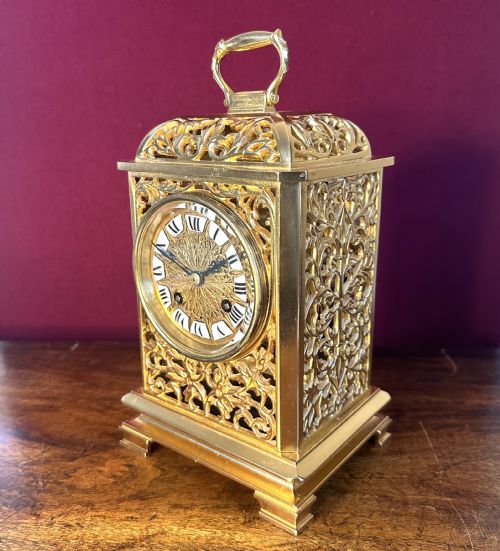


Gothic Revival Mantel Clock
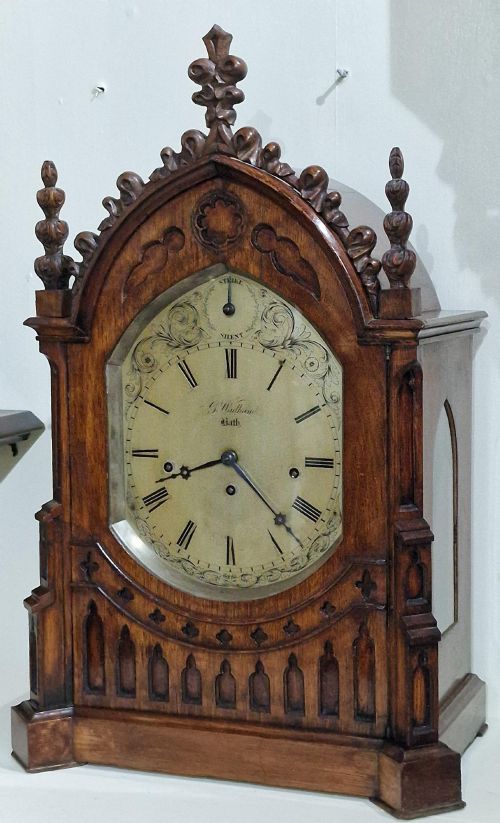
A gothic revival mantel clock combines pointed archways and architectural forms with precise mechanical timekeeping.
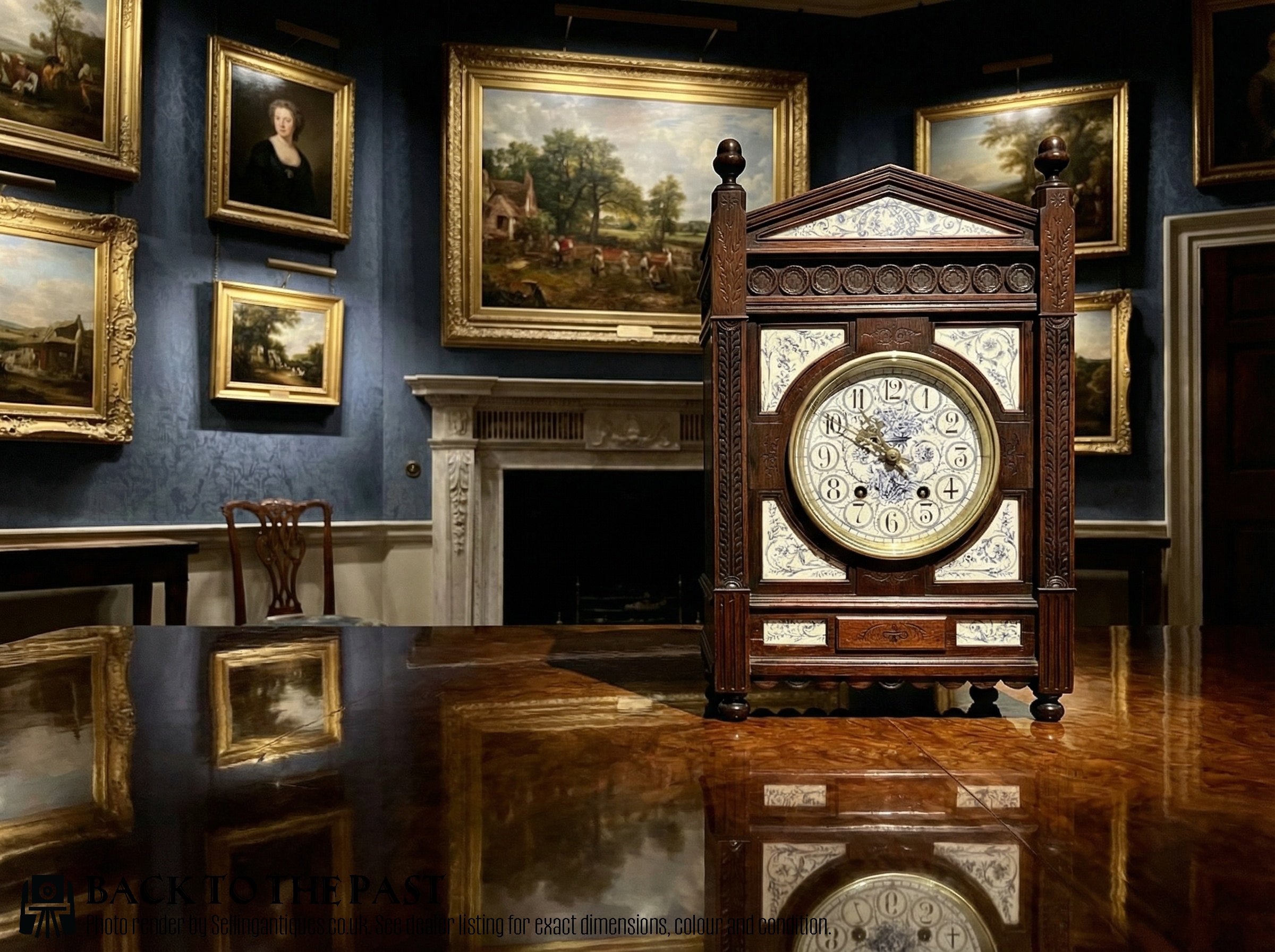
Gothic Revival Mantel Clock
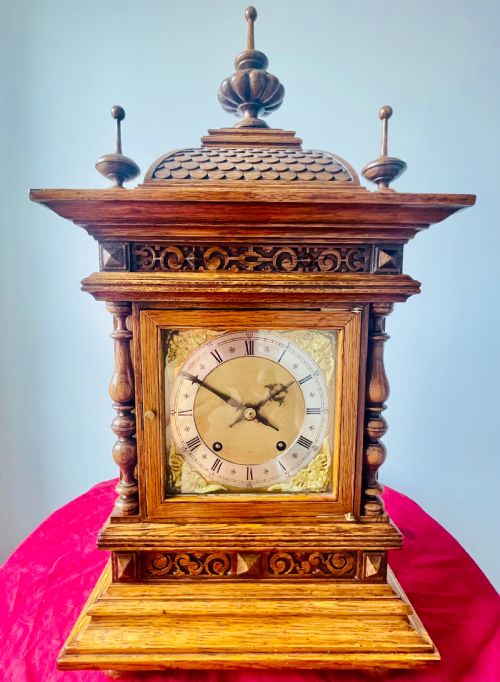
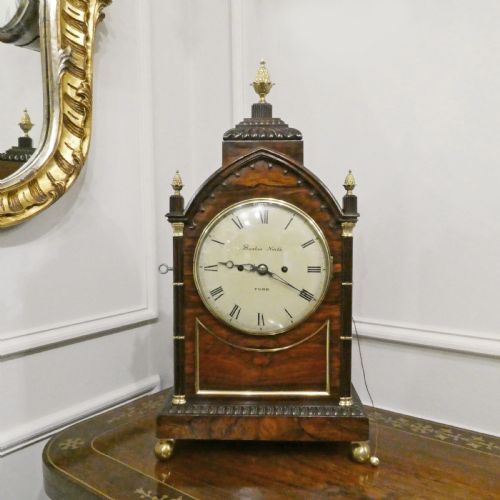
A gothic revival mantel clock brings medieval architectural motifs into nineteenth-century domestic interiors through pointed arches, tracery, and cathedral-like silhouettes. Pieces on this page span the nineteenth century, including Victorian interpretations and Regency examples.
Most entries take the form of mantel clocks, bracket clocks, or architectural clock cases housing movements driven by brass, bronze, and glass components.
Origins range across English, Scottish, and French workshops, utilising woods like mahogany, rosewood, and oak alongside metal alloys.
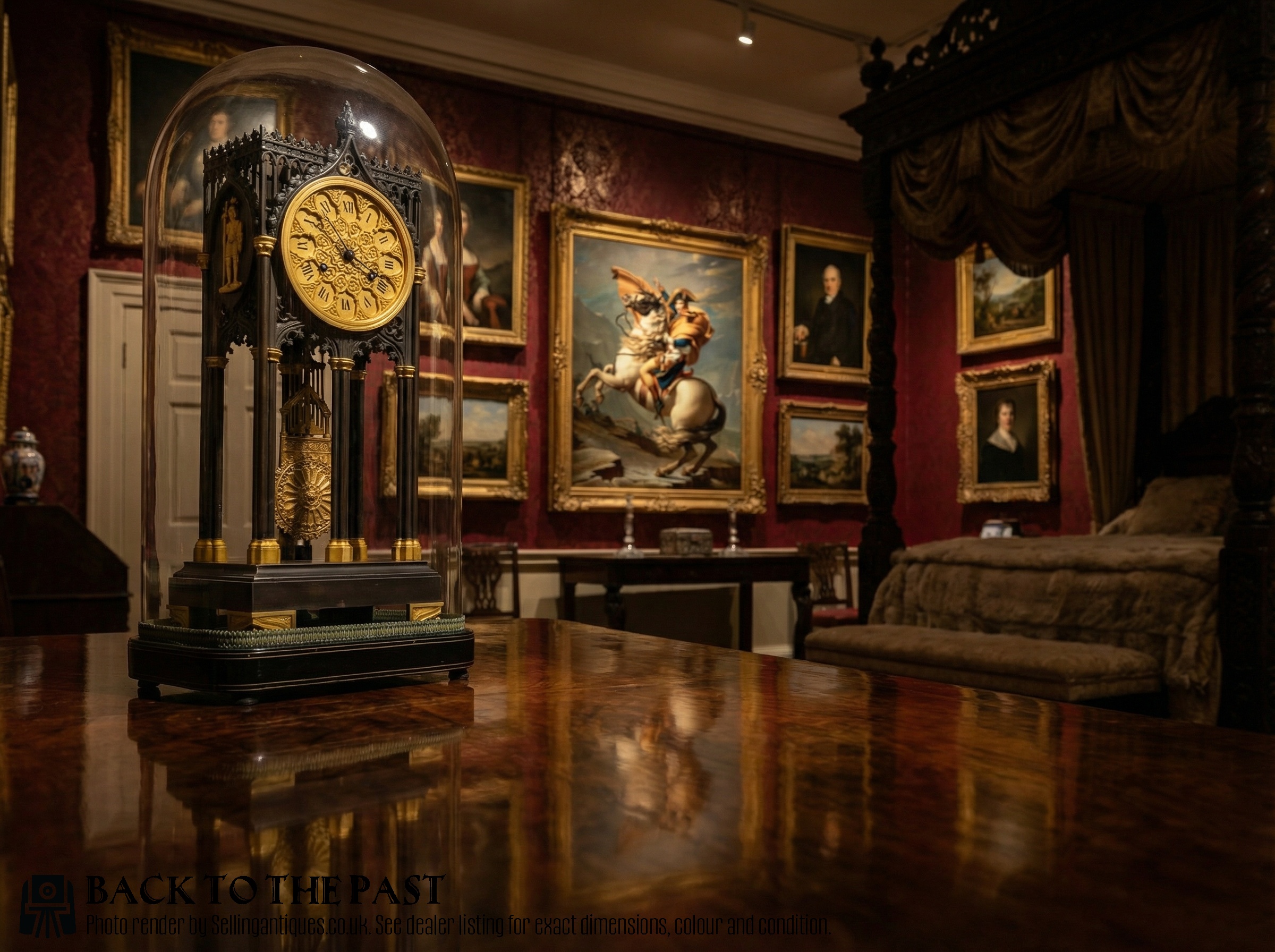
Materials and construction
Clock cases rely heavily on dense timbers such as rosewood, mahogany, and ebonised wood, shaped into architectural facades with fretwork and brass inlay. Bronze, ormolu, and brass provide structural and decorative metalwork.
Enamel dials track the hours beneath glass covers, while internal mechanical movements utilise fusee mechanisms and striking bells.
Gothic Revival Mantel Clock Retail Price Guide 2026
Typical asking prices for gothic revival mantel clock among the pieces listed under this phrase on Sellingantiques today, from the lower quarter to the upper quarter. They describe what is for sale here now, not the wider market.
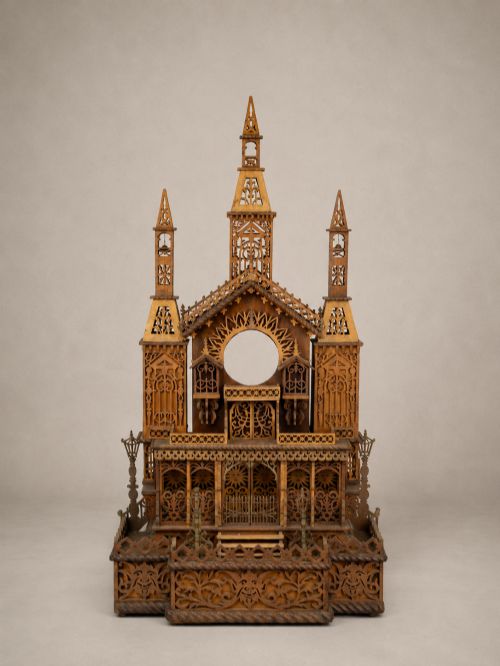
One unusual Victorian piece integrates a working clock directly into the centre of its architectural design.
Judging quality and craftsmanship
Quality rests upon the crispness of the architectural carving and the integrity of the brass or bronze mounts. Fretwork and cathedral arches demand precise hand-workmanship to separate standard production from superior pieces.
The sophistication of the internal movement, such as triple fusee systems or quarter-striking bells, dictates the standing of an individual clock.
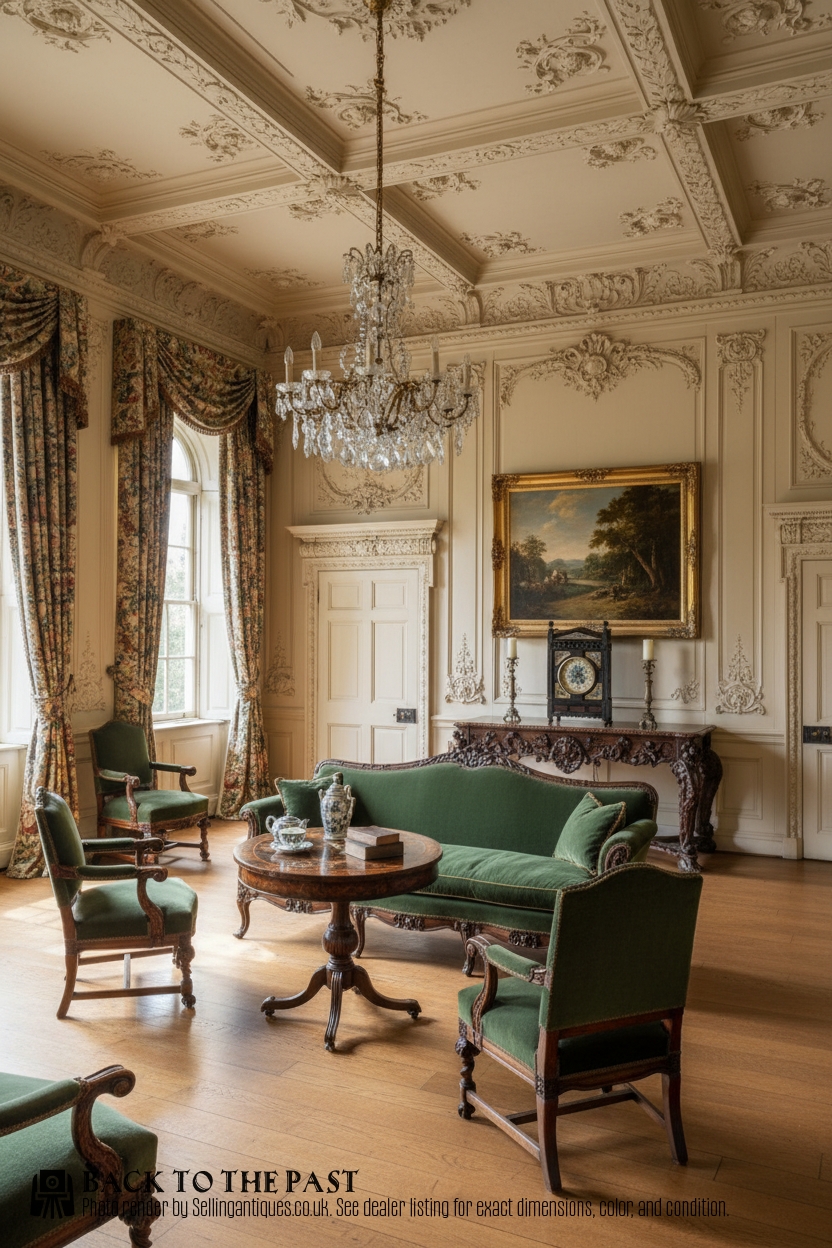
George Wadham·Barber & North·George Orpwood·Ravrio·Mitchell & Russell
The Gothic Revival Mantel Clock Glossary
- Fusee
- A conical pulley used in clock movements to maintain even tension on the mainspring as it unwinds. This mechanism improves timekeeping accuracy across the power reserve.
- Bracket clock
- A portable clock originally designed to sit upon a wall bracket or table. Many examples feature brass carrying handles on top.
- Ormolu
- Gilded bronze used extensively for decorative mounts on nineteenth-century clock cases. The technique involves applying a gold-mercury amalgam to bronze.
- Skeleton clock
- A timepiece with an exposed movement enclosed by glass under a dome. This design reveals the intricate gear trains and escapements usually hidden from view.
Gothic Revival Mantel Clock: Frequently Asked Questions
How do fusee movements work?
A fusee movement uses a conical drum to equalize the pulling power of the mainspring as it runs down. This ensures consistent force reaches the escapement for accurate timekeeping.
Many better-quality bracket and mantel clocks on this page employ fusee mechanisms.
Where were these clocks made?
These clocks originated across Britain and France, with makers working in London, Edinburgh, Glasgow, York, Perth, and continental workshops. Scottish and English makers favoured mahogany and rosewood cases, while French makers often utilised bronze and ormolu.
Regional differences appear in both the timber selection and the architectural detailing of the wooden or metal cases.
How do I care for a mechanical clock?
Mechanical clocks require careful handling, stable placement away from direct heat or moisture, and periodic professional servicing. Winding should follow the specific instructions for the movement type, whether single, twin, or triple fusee.
Keeping the glass dome or door closed protects the delicate dial enamel and exposed gear trains from dust.