
Gilt Brass Table Clock
These gilt brass table clocks bring nineteenth-century weight and shine to a mantelpiece, offering intricate mechanical work encased in polished metal.
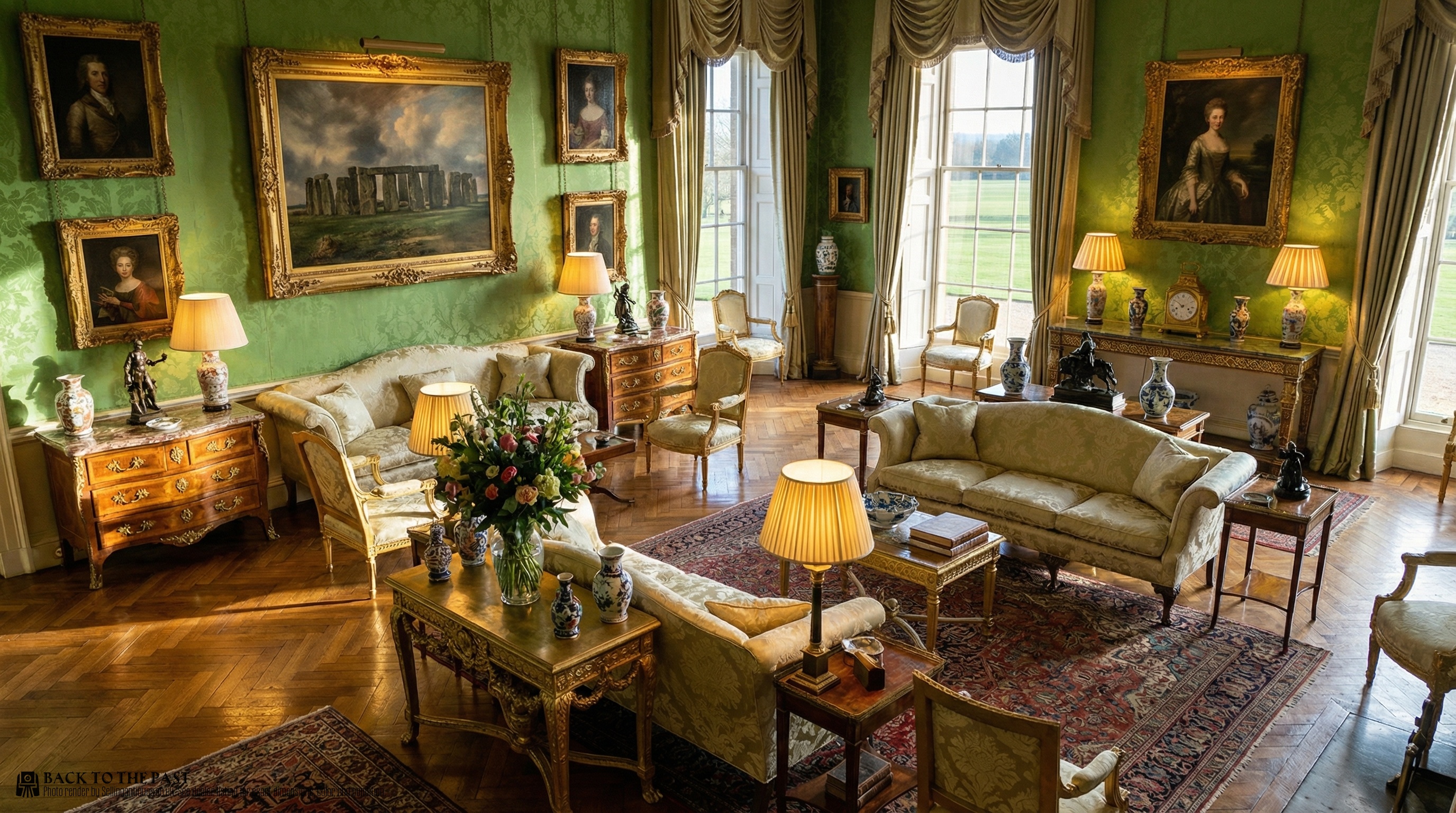
Gilt Brass Table Clock
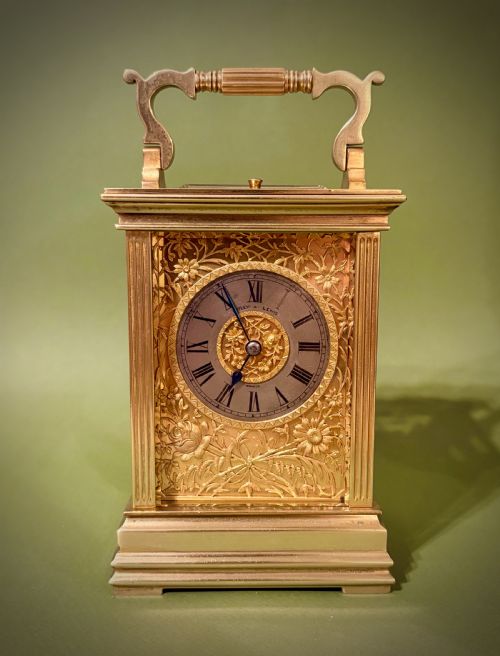
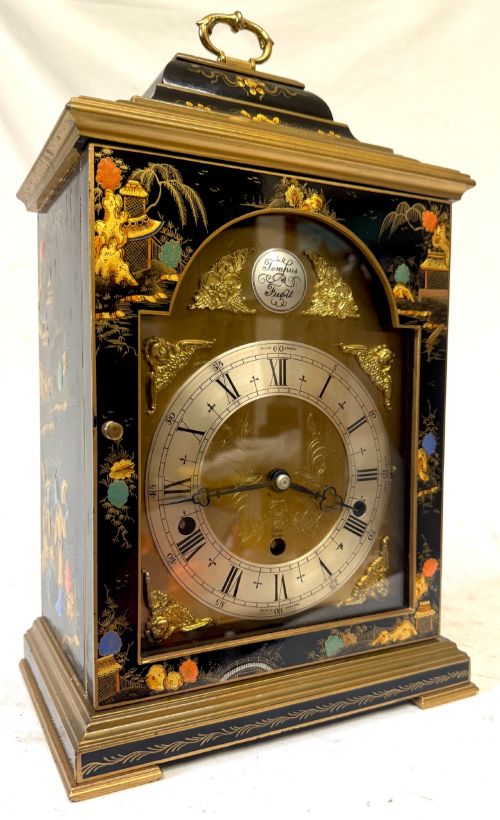
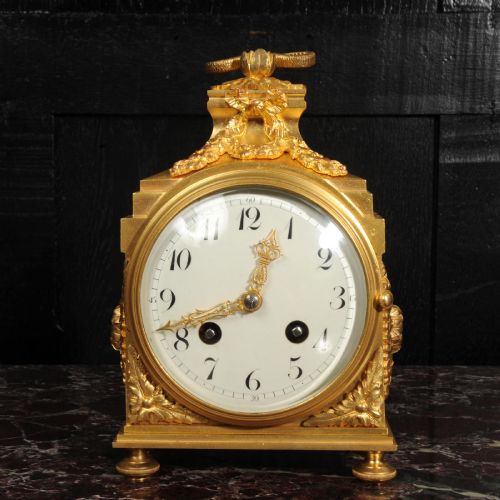
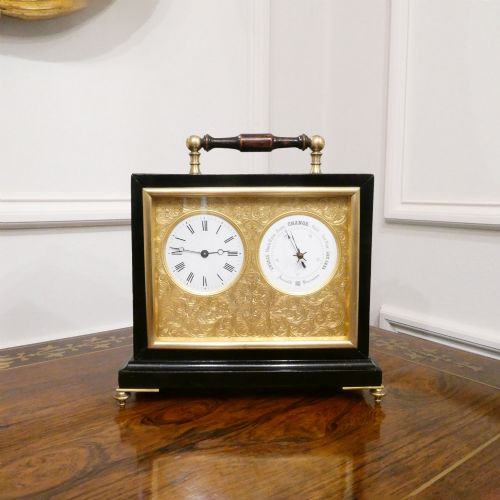
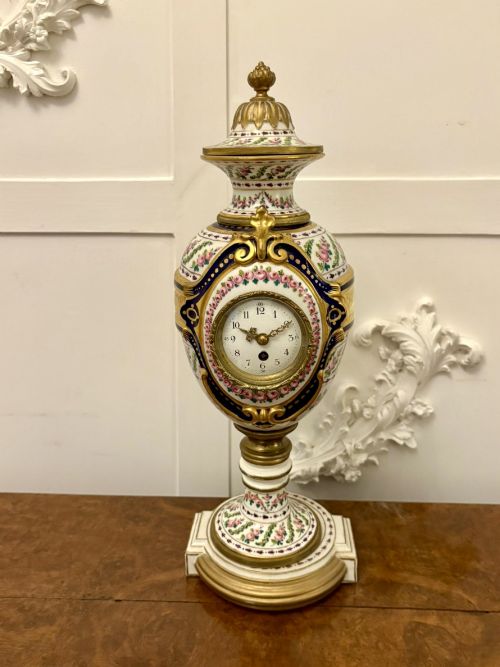
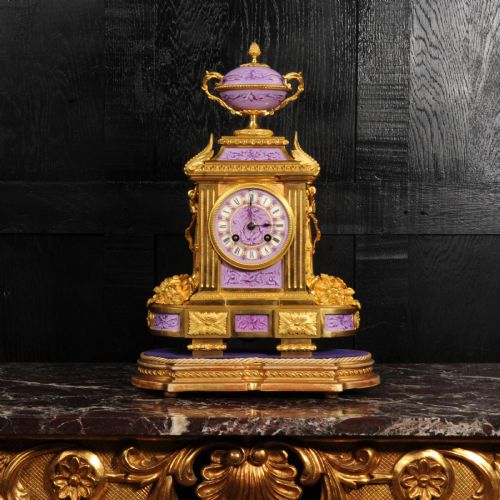
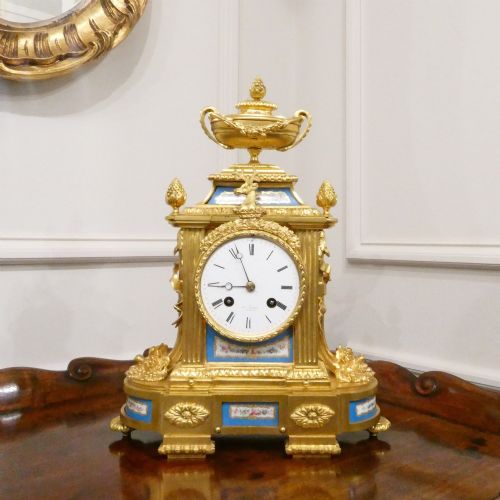
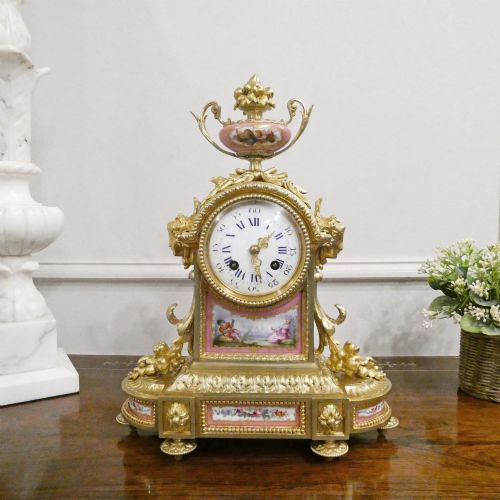
When you search for a gilt brass table clock, you encounter heavy architectural cases, glass panels revealing intricate gear trains, and decorative French styling from the nineteenth century. These objects combine timekeeping utility with ornate domestic display, originating largely from French workshops and Victorian parlours.
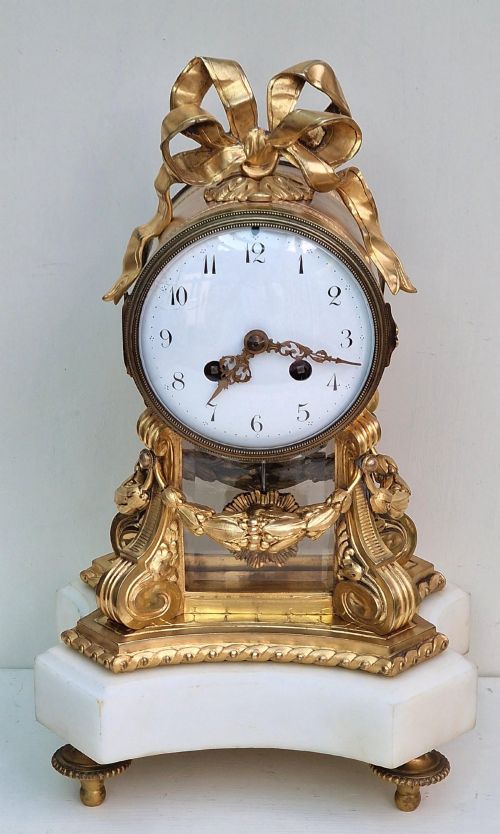
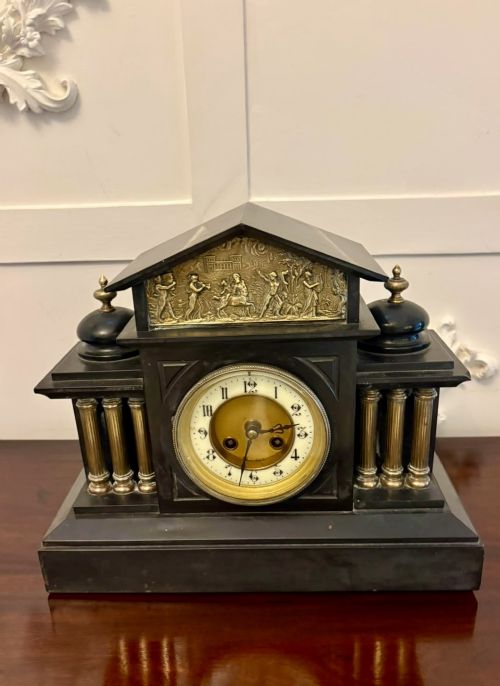
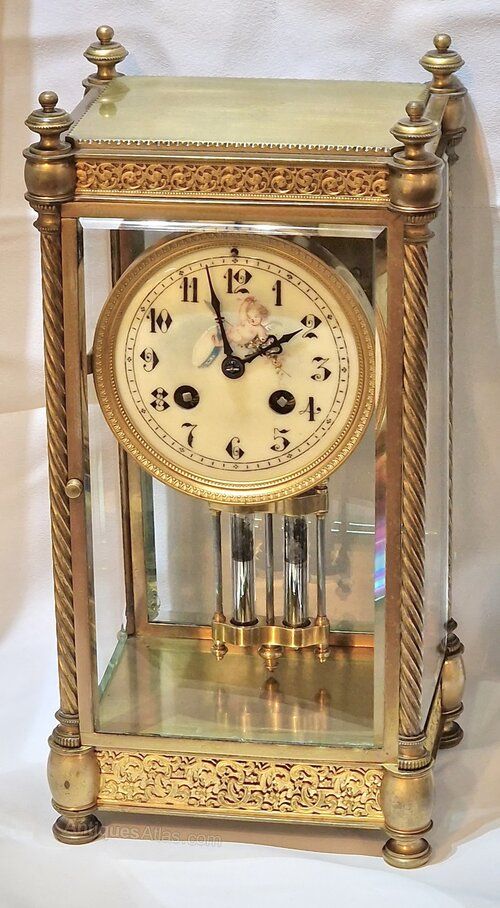
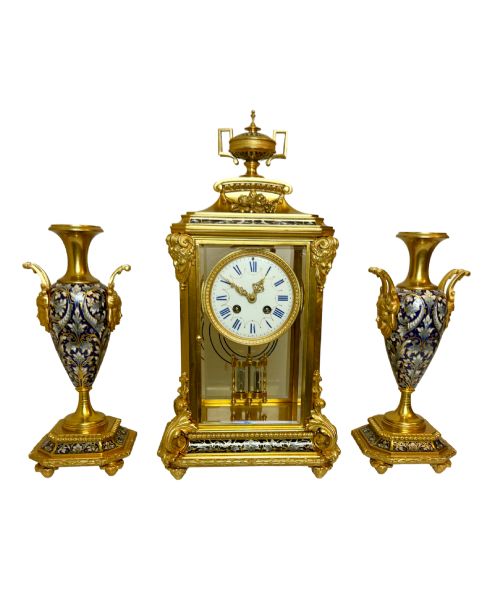
The most common forms on this page include carriage clocks with bevelled glass panels, architectural mantel clocks combining black marble or white marble with polished metal mounts, and elaborate clock garniture sets accompanied by matching urns or candelabra. Styles lean heavily towards French Rococo Revival, Louis XVI, and Empire designs.
Pieces span the nineteenth century, with notable representation from the 1860s through to 1900, alongside occasional Regency and Edwardian examples. They sit comfortably on tabletops, desks, and mantelpieces as functional decorative focal points.
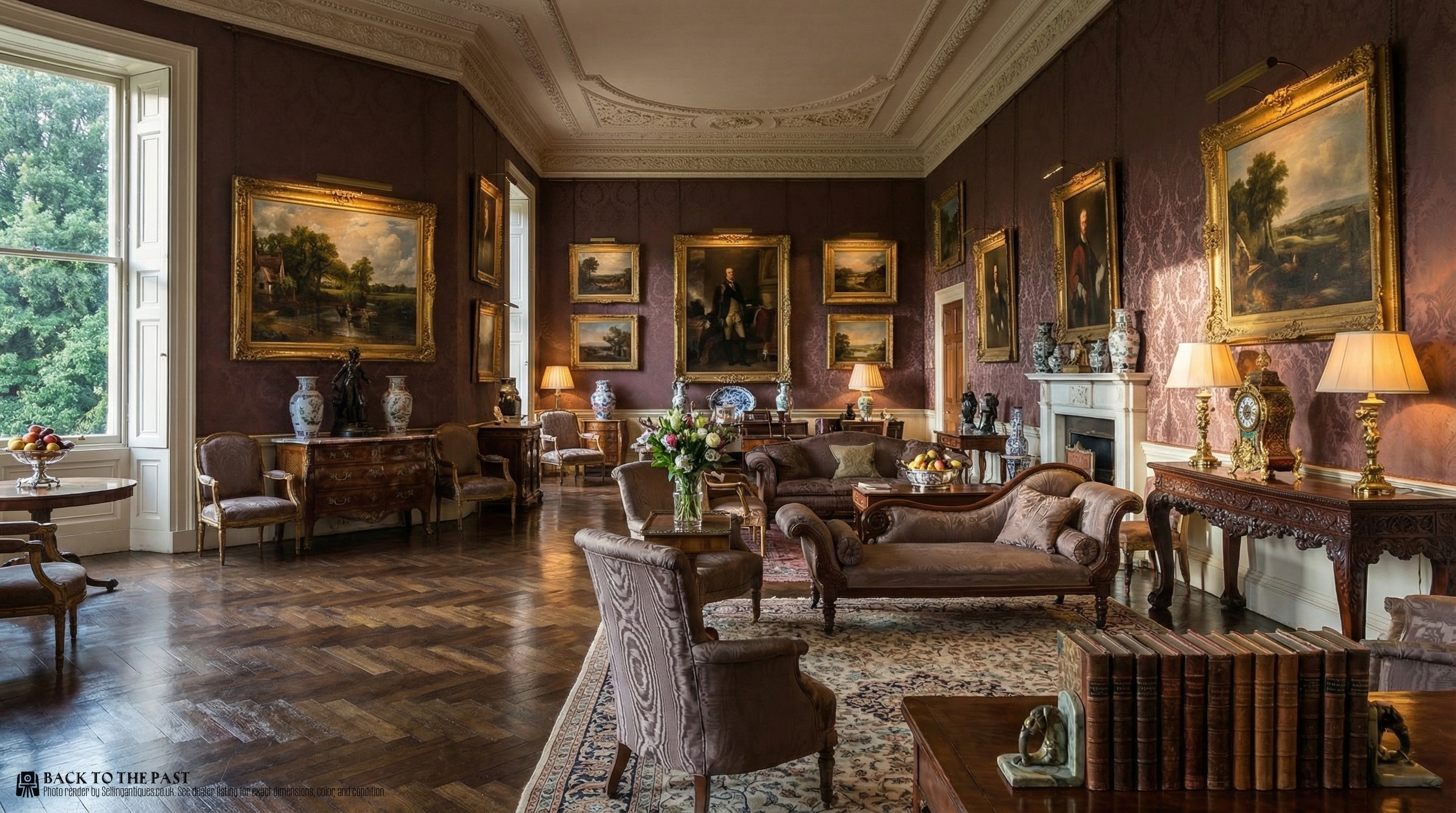
How they were made
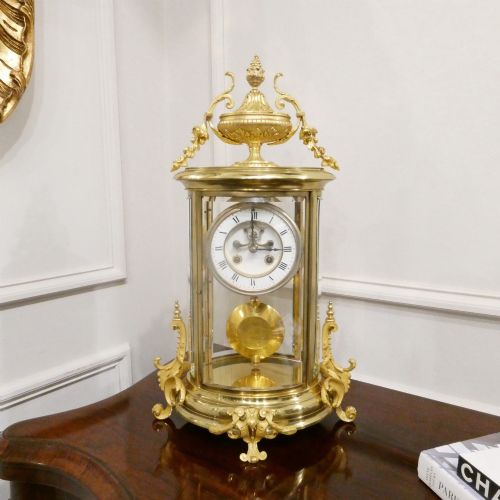
Maker's workshops built these timepieces using cast brass and bronze frames finished with fire gilding, ormolu, or lacquer to achieve a durable golden lustre. Glass panels inserted into four-glass models required precise bevelling to fit snugly within heavy metal housings without adhesive.
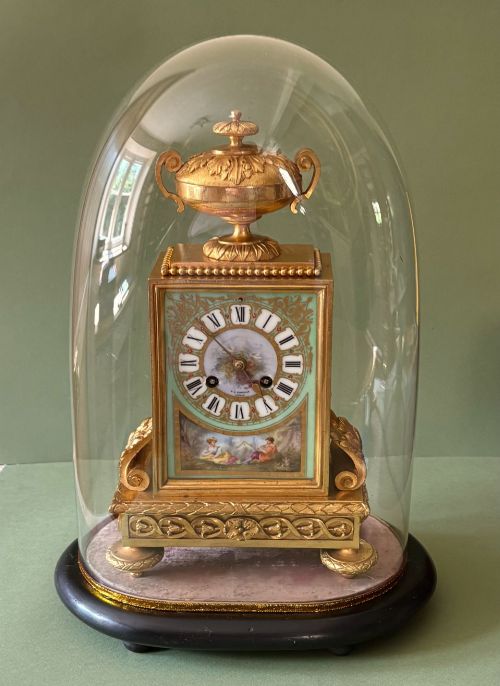
Decorative surfaces often incorporate hand-painted porcelain panels from Sèvres, champlevé enamel work with colourful vitreous pastes, and applied marble columns or bases. Dials feature delicate hand-painted enamel numerals or individual porcelain cartouches mounted on engraved brass chapter rings.
Gilt Brass Table Clock Retail Price Guide 2026
Typical asking prices for gilt brass table clock among the pieces listed under this phrase on Sellingantiques today, from the lower quarter to the upper quarter. They describe what is for sale here now, not the wider market.
Many carriage clocks travelled in custom leather outer cases with tiny glass viewing windows so owners could check the time en route.
What varies in quality
The distinction between standard production and the top of the range lies in the crispness of the metal casting and the depth of the engraving on the brass cases. Superior examples feature fully engraved plates, finely pierced hands, and heavy fire-gilded surfaces rather than thin modern electroplating.
Movement execution also divides the ordinary from the exceptional, visible in repeating mechanisms that strike the hours and quarters on demand, platform escapements with visible jewelling, and signed movements by notable makers that maintain reliable timekeeping across eight-day or train-driven cycles.
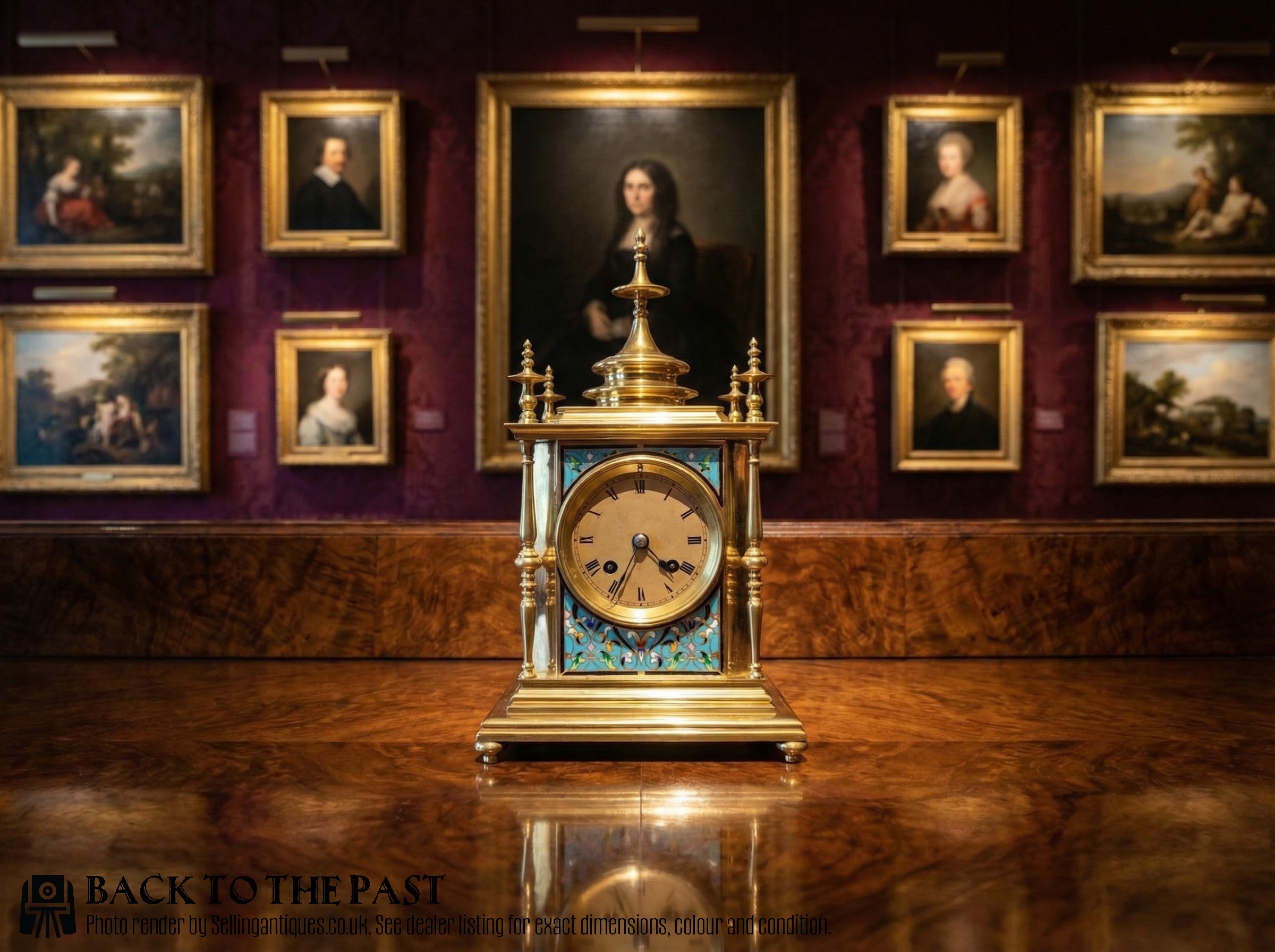
Achille Brocot·Henry Marc·Japy Freres·Samuel Marti·Etienne Lenoir·Fritz Marti
The Gilt Brass Table Clock Glossary
- Ormolu
- Gilded bronze produced by applying a mixture of mercury and gold leaf to a cast bronze base and heating it until the mercury vaporised, leaving a durable golden finish. This technique creates a distinctive matte and burnished texture found on nineteenth-century French clock cases.
- Champlevé
- An enamelling technique where troughs or cells are dug into the surface of the brass and filled with coloured vitreous enamel before being fired and polished flush. It produces rich geometric or floral patterns across bezels and pillars.
- Carriage clock
- A portable spring-driven timepiece designed for travelling during the nineteenth century, typically featuring a rectangular brass case with glass panels and a folding handle on top.
- Garniture
- A set of matching decorative objects consisting of a central clock flanked by two matching side pieces such as urns, vases, or candelabra. These sets were designed to sit symmetrically on a mantelpiece.
- Platform escapement
- A self-contained regulating mechanism holding the balance wheel and hairspring, commonly fitted to the top of carriage clock movements to ensure accurate timekeeping in any position.
Gilt Brass Table Clock: Frequently Asked Questions
How do I wind a carriage clock?
Use the matching key provided with the clock to turn the arbours located on the underside or back plate of the movement. Turn gently until resistance is felt, taking care not to over-wind the mainspring.
Most eight-day movements require winding once a week on the same day to maintain consistent tension and accurate timekeeping.
What is a four-glass clock?
A four-glass clock is a mantel timepiece featuring glass panels on the front, back, and both sides, allowing an unobstructed view of the mechanical movement and mercury pendulum inside. The brass or gilt frame supports the glass without obstructing light.
These models gained popularity during the late nineteenth century and were frequently produced by French makers for domestic drawing rooms.
How do I care for gilt brass surfaces?
Dust the metal gently with a soft, dry microfibre cloth to remove surface particles without scratching the delicate gilding or lacquer. Avoid chemical polishes, abrasive cloths, and water, which can strip historic finishes from brass and ormolu.
Professional servicing every few years keeps the internal gears clean and prevents old lubricants from gumming up the delicate escapement.
How can I tell a French clock from an English one?
French clocks from this period usually feature stamped maker marks on the back movement plate, such as medals from Japy Freres or Samuel Marti, alongside pendulum suspensions using silk threads or spring steel. Their styling leans towards ornate gilt bronze, porcelain panels, and architectural marble cases.
English bracket and table clocks often utilise fusee movements driven by chains or gut lines, housed in heavier timber cases with silvered brass dials rather than enamel cartouches.