







Ormolu Bracket Clock
An ormolu bracket clock combines gleaming gilt bronze mounts with precision horology, offering striking presence and historic charm for any mantel or wall.

Ormolu Bracket Clock
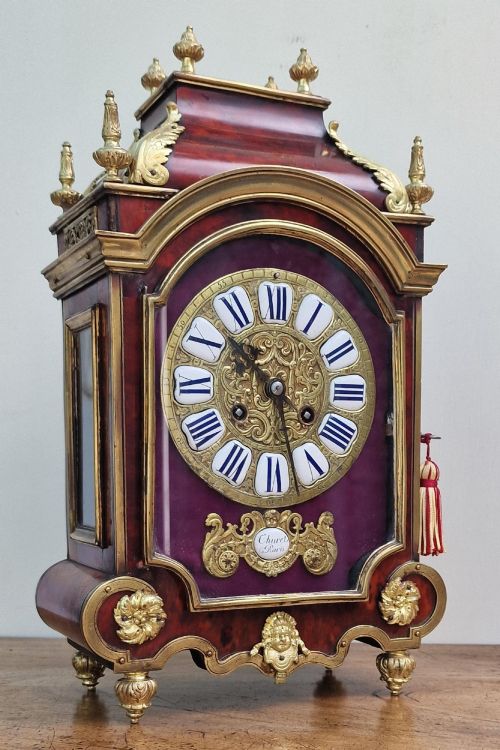
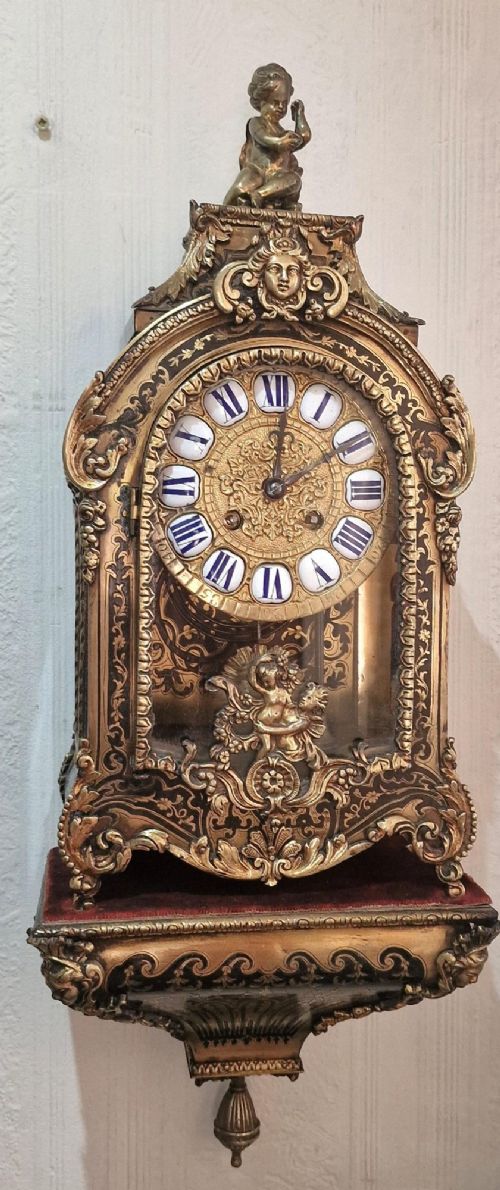
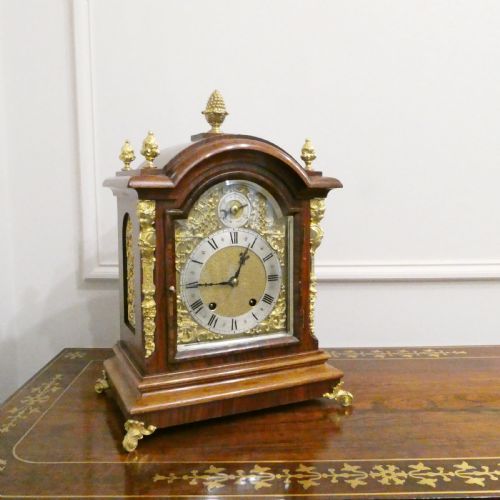
When searching for an ormolu bracket clock, buyers encounter elaborate timepieces defined by their gilt bronze mountings, often paired with matching wall brackets or designed as substantial mantel clocks. The pieces seen here span the 17th through the 19th centuries, capturing periods from the reign of Louis XIV through the Victorian era.
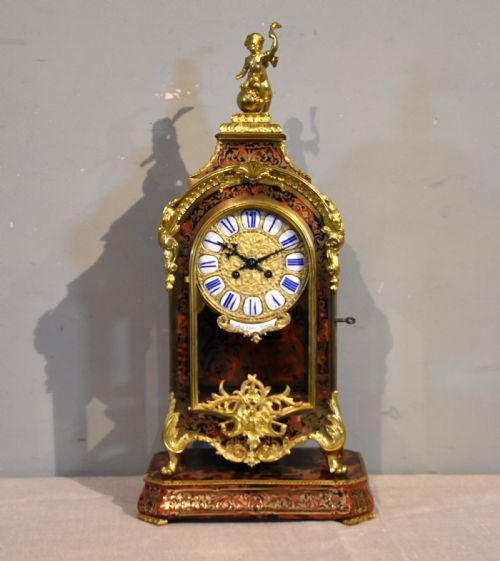
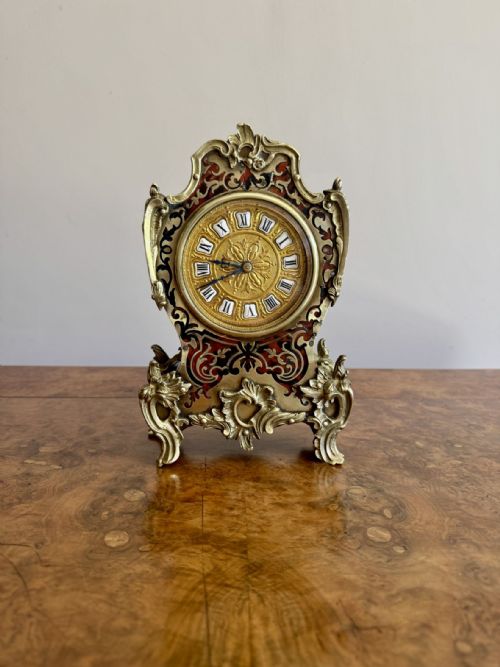
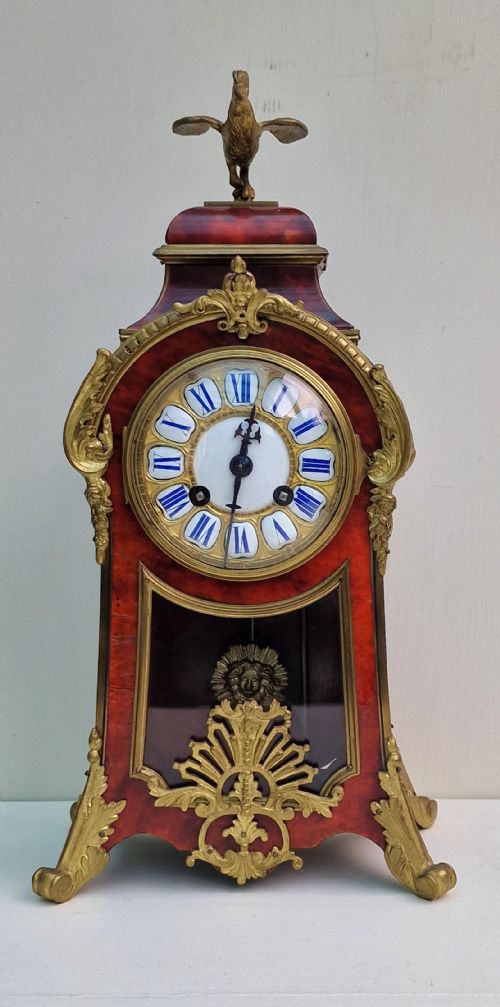
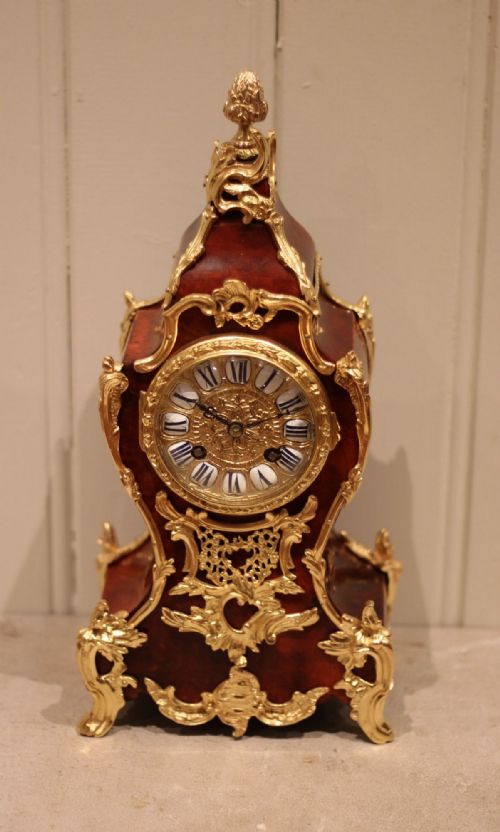
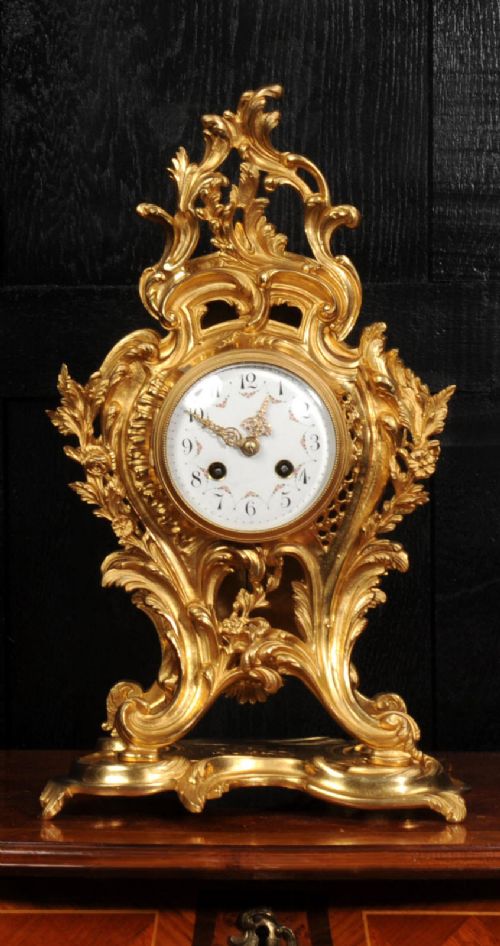
The most common examples on this page are French Rococo Revival and Louis XIV style pieces from the 19th century, frequently featuring tortoiseshell veneer or ebonised wood alongside ornate ormolu decoration. These clocks range from small table models to massive, architectural designs complete with original pedestals.
Makers and styles vary across the selection, encompassing French workshops alongside English makers working in mahogany, burr walnut, and ebony. Whether configured as four-glass mantel pieces, traditional bracket clocks, or striking wall models, they represent a high point of decorative horology.
How they were made
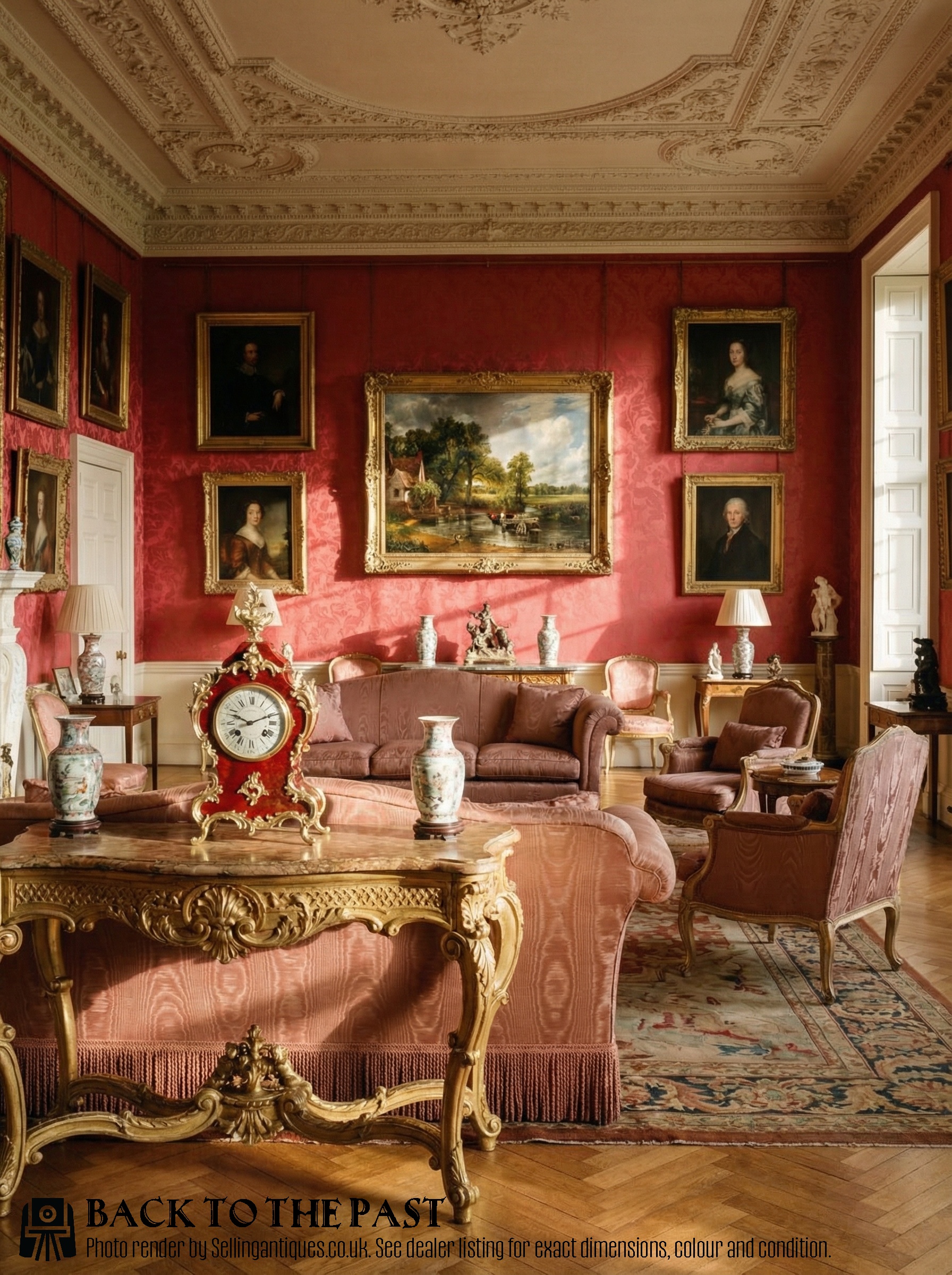
The construction relies heavily on fire-gilt bronze, known as ormolu, applied as cast and chased mounts to wooden carcases fashioned from mahogany, ebonised wood, or oak. Many of the finest examples utilise Boulle marquetry, embedding tortoiseshell and brass inlay into the wooden body.
Interior movements incorporate complex mechanisms such as fusee drives, chiming trains, and striking functions developed by skilled clockmakers in London, Paris, and Germany. Enamel dials, often marked with Roman numerals, complete the face behind protective glass bezels.
Ormolu Bracket Clock Retail Price Guide 2026
Typical asking prices for ormolu bracket clock among the pieces listed under this phrase on Sellingantiques today, from the lower quarter to the upper quarter. They describe what is for sale here now, not the wider market.
Listings feature 19th-century French Boullework alongside 17th-century ebony-veneered basket top table clocks and Regency fusee movements.
What varies in quality
Quality rests in the crispness of the ormolu chasing and the integrity of the underlying marquetry or wood veneer. Superior examples retain their original matching wall brackets and feature finely articulated bronze casts rather than softer, later reproductions.
The sophistication of the internal movement also dictates value, with repeating complications and signed plates from renowned makers elevating the piece. The harmony between the clock case and its decorative mounts defines the highest tier of surviving examples.
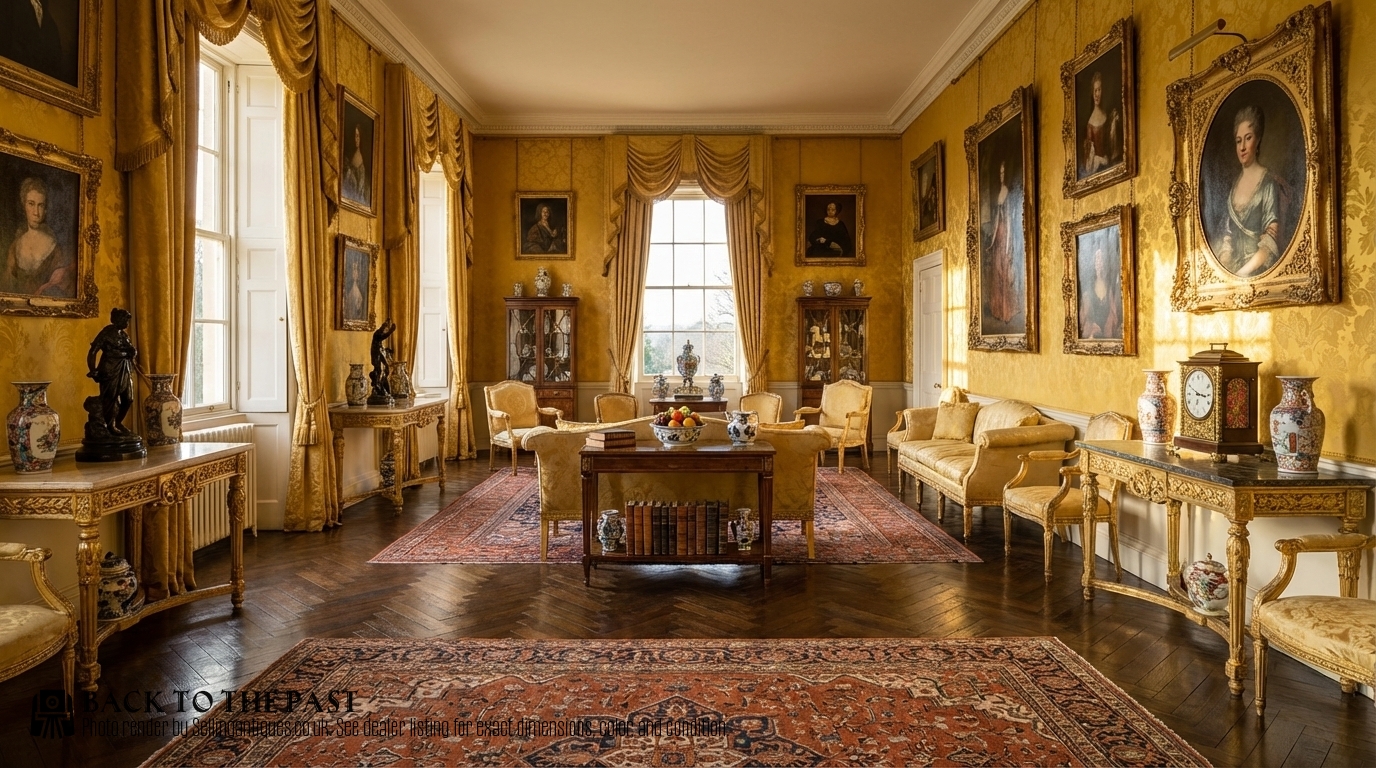
Thuret·Schneckenburger·Francis Perigal·Henri Marc·Joseph Windmills·Leon Message·Jollet et Cie·Samuel Marti·Lenzkirch·Payne and Co·Vincenti and Cie
The Ormolu Bracket Clock Glossary
- Ormolu
- Gilt bronze created by applying a mercury and gold amalgam to cast bronze before heating. This technique produces a durable, rich golden surface typical of French decorative arts.
- Boulle marquetry
- An elaborate form of inlay using brass and tortoiseshell developed by André-Charles Boulle. The contrasting materials create intricate patterns across the clock case.
- Fusee
- A conical pulley used in spring-driven clocks to equalise the torque of the mainspring as it unwinds. This mechanism ensures consistent timekeeping throughout the power reserve.
- Bracket clock
- A portable timekeeper originally designed to sit on a wall bracket or a dedicated shelf. Many surviving specimens retain these original supporting platforms.
- Ting tang
- A striking mechanism that sounds two different notes on the quarters or hours. It offers a distinct auditory signature compared to standard hour-striking clocks.
Ormolu Bracket Clock: Frequently Asked Questions
What is an ormolu bracket clock?
An ormolu bracket clock is a mechanical timepiece decorated with finely cast and gilded bronze mounts. They are frequently accompanied by matching wall brackets.
These clocks serve as major decorative focal points, blending advanced horological movements with elaborate cabinetmaking from the 17th to the 19th centuries.
How do I hang a bracket clock?
Bracket clocks designed for walls require a secure mounting bracket screwed directly into structural wall studs. The clock then rests safely on this dedicated shelf.
Many period pieces include their original matching wall brackets, which ensure correct weight distribution and stylistic continuity.
How do I wind an antique clock?
Winding requires using the correct key on the winding squares located on the dial face. Care must be taken not to over-wind the mainspring.
Most mechanical examples on this page utilise eight-day movements, meaning they require attention once a week to maintain accurate time.
How do I identify French Rococo clocks?
French Rococo clocks display asymmetrical forms, C-scrolls, floral motifs, and abundant ormolu mounts. They often feature curved wooden cases covered in tortoiseshell or rich veneer.
Examining the casting detail on the bronze mounts and checking the dial signature helps confirm the period and origin.