

French Gilt Bronze Clock
When seeking a french gilt bronze clock, you find heavy, polished metalwork and intricate dial faces spanning the eighteenth and nineteenth centuries.
French Gilt Bronze Clock
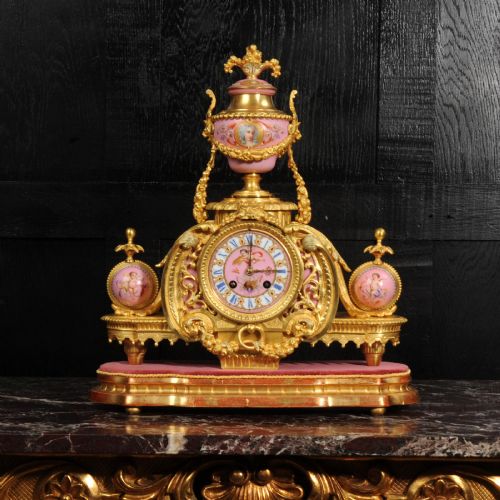
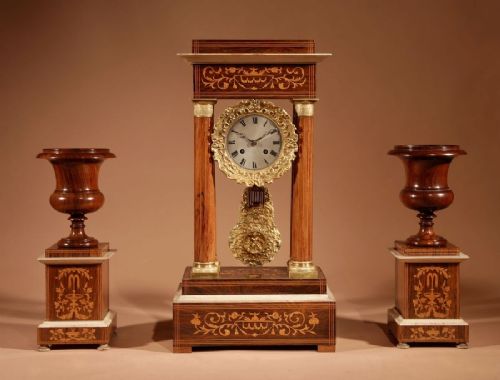
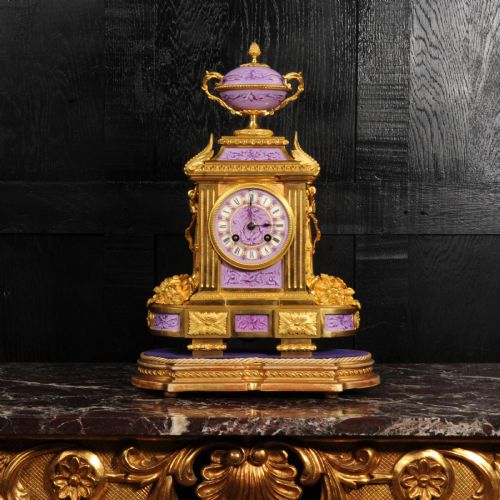
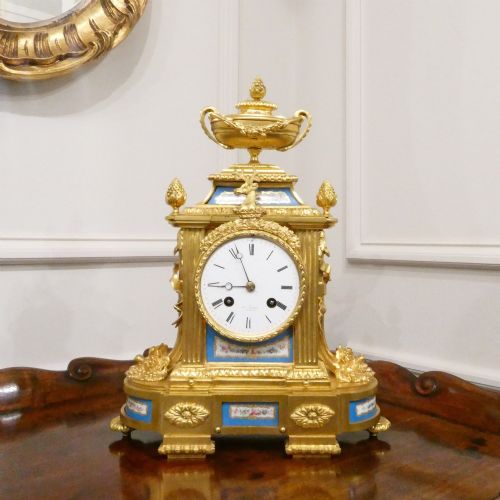
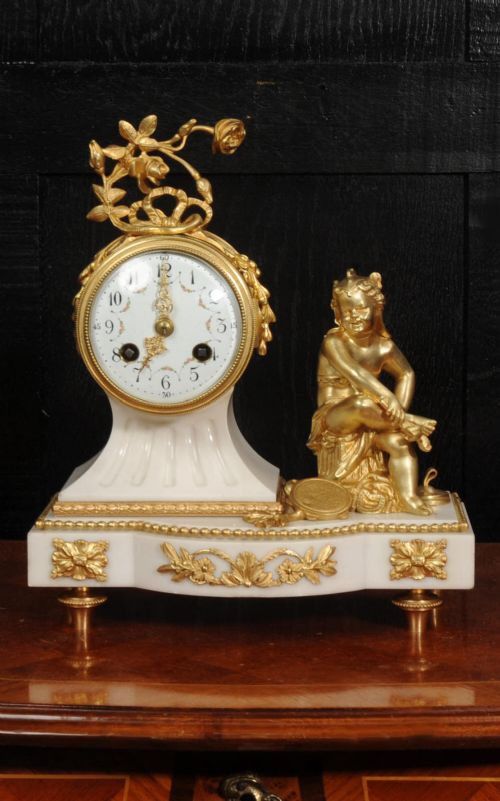
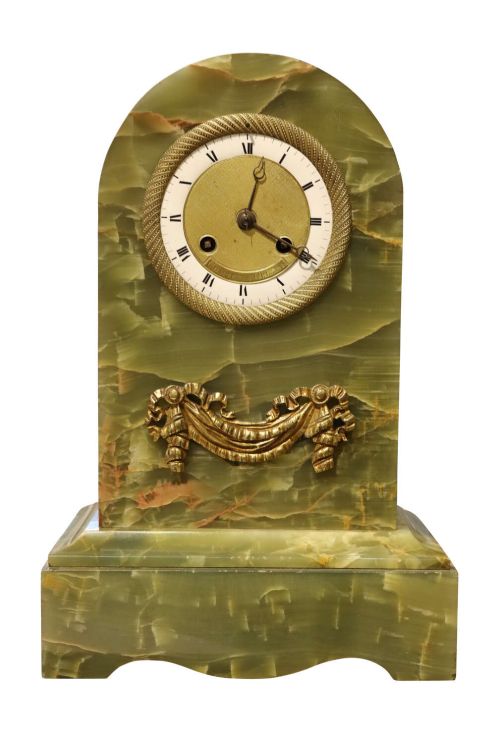
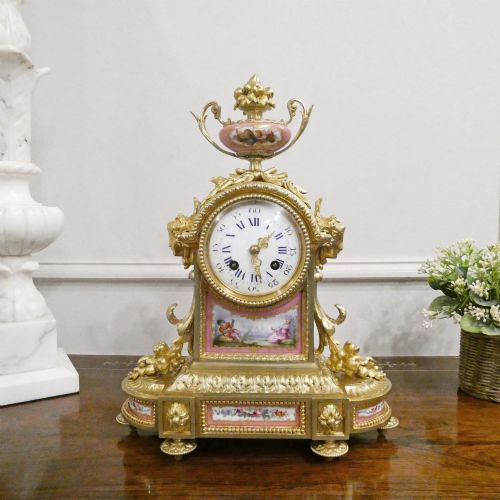
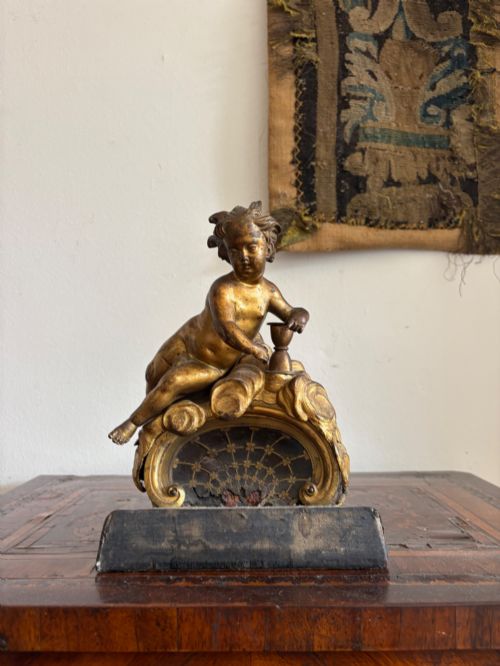
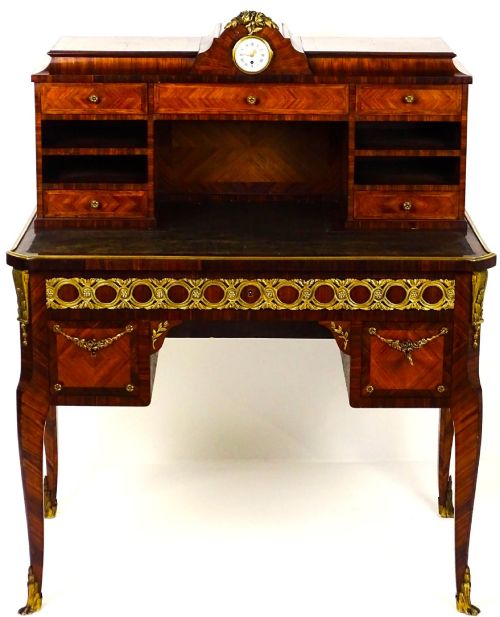
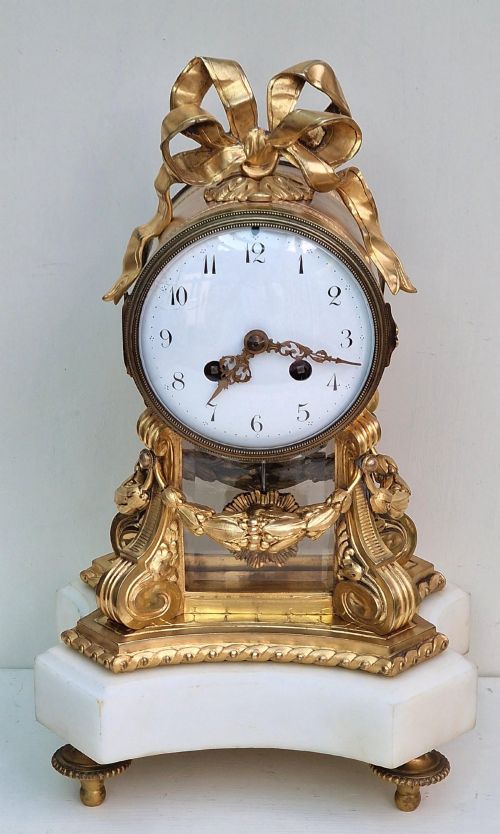
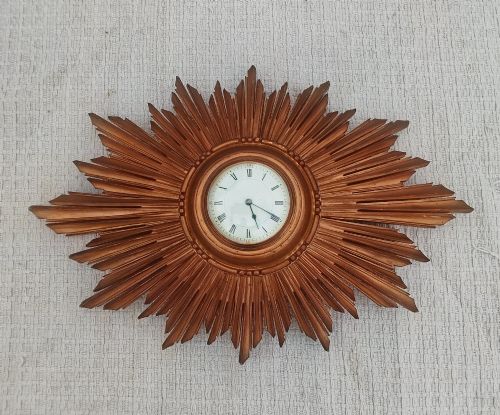
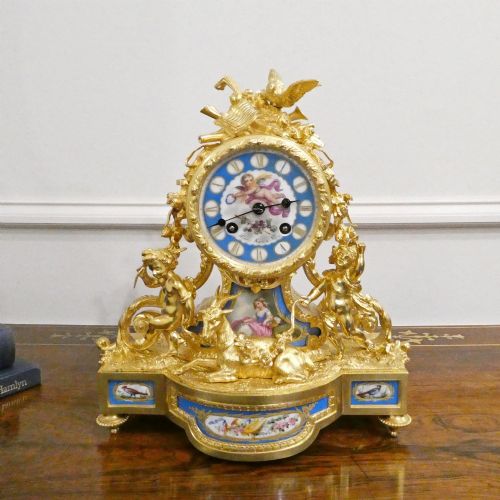
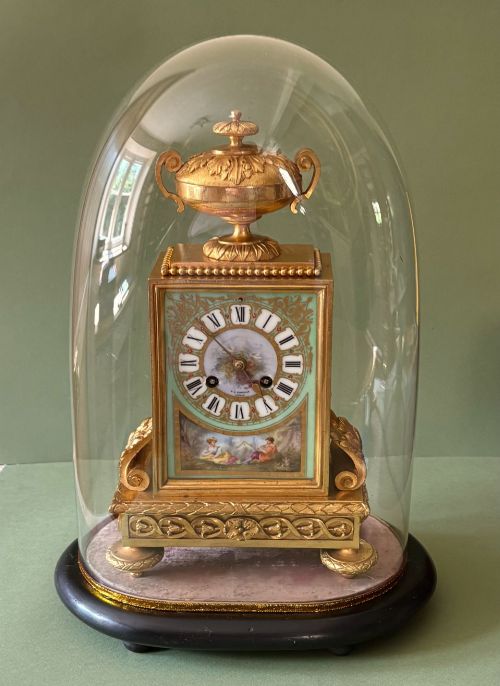
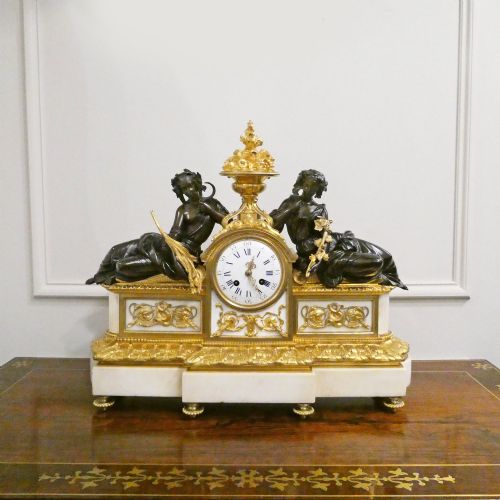
A french gilt bronze clock typically manifests as a mantelpiece timepiece, a portico design, or a wall-mounted cartel unit originating from periods like the Louis XVI revival, Empire, and Victorian eras. These decorative instruments frequently incorporate side garnitures, marble bases, or painted porcelain panels depicting pastoral scenes and classical figures.
The most common examples encountered on this page date from the nineteenth century, reflecting rococo, baroque, or neoclassical styles. Makers housed mechanical movements within symmetrical or figural bronze housings, merging functional timekeeping with sculptural art.
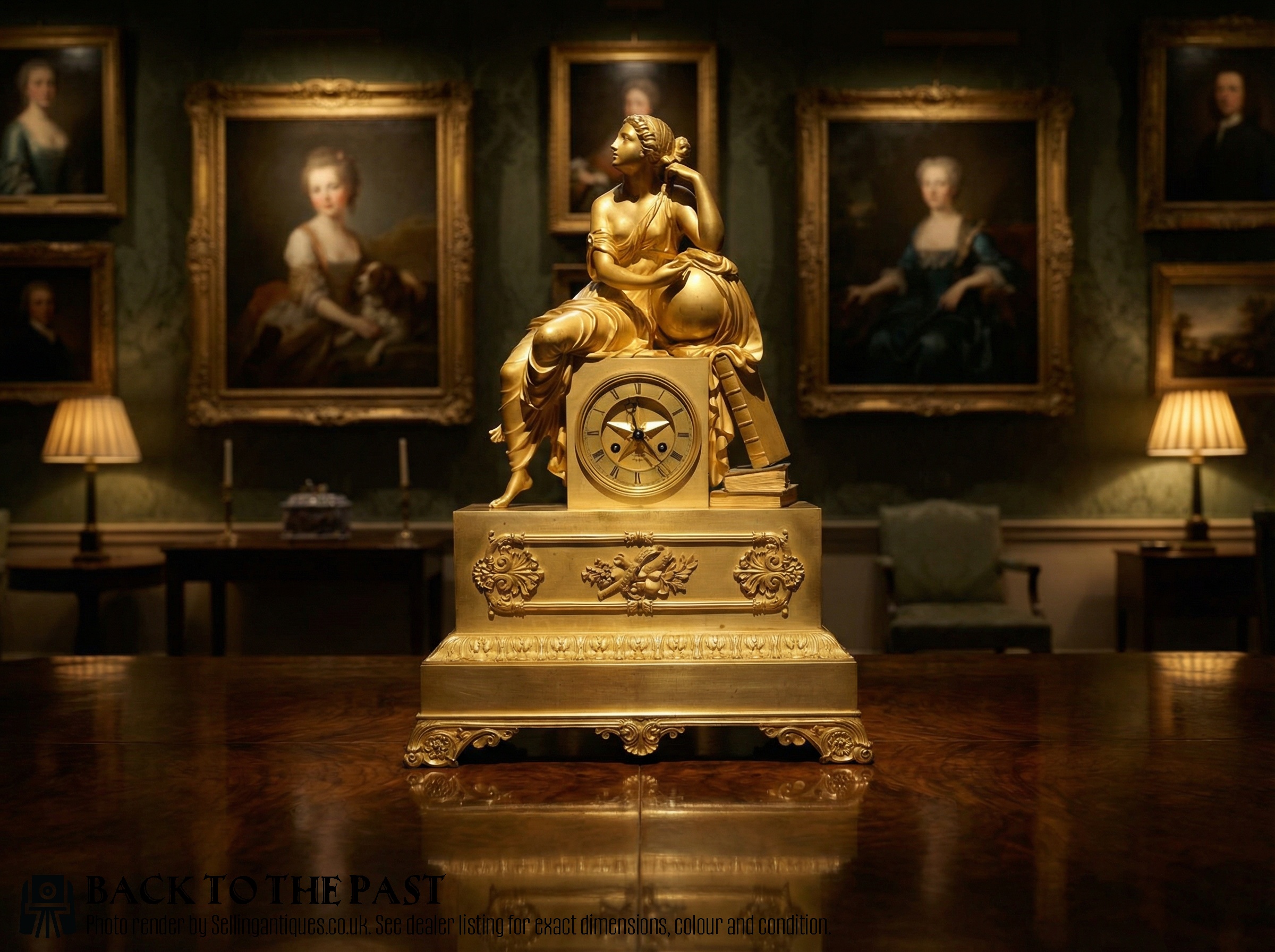
Distinguishing quality levels
The distinction between tiers rests upon the crispness of the bronze chasing and the depth of the mercury gilding rather than superficial weight. Superior examples display sharply defined facial expressions on figural mounts and seamless joints where cast sections meet.
Signatures inscribed on the brass backplates or porcelain dials from established makers indicate higher workshop standards. The precision of the gear trains and the inclusion of original matching garniture pieces elevate the standing of a clock.
French Gilt Bronze Clock Retail Price Guide 2026
Typical asking prices for french gilt bronze clock among the pieces listed under this phrase on Sellingantiques today, from the lower quarter to the upper quarter. They describe what is for sale here now, not the wider market.
One extraordinary nineteenth-century piece portrays Attila the Hun riding out as an archer on horseback.
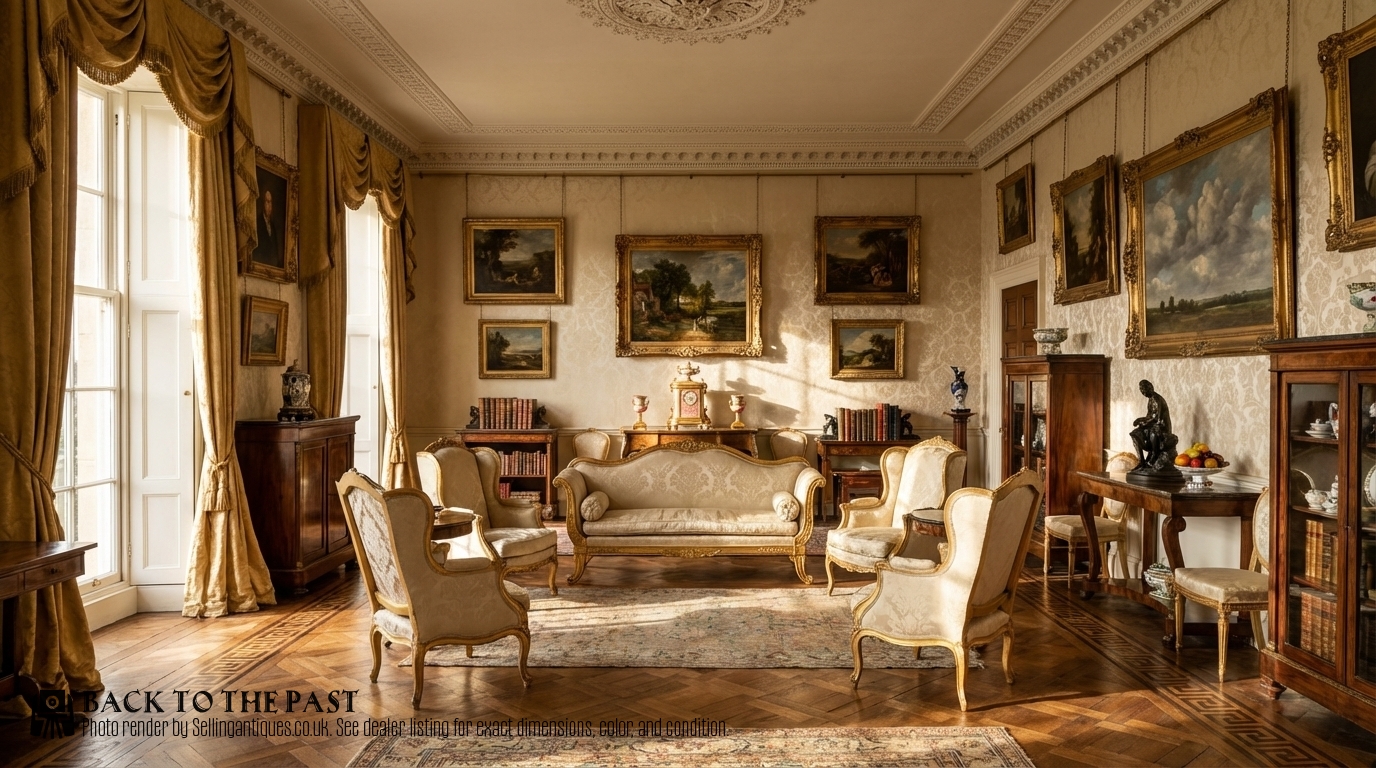
Achille Brocot·Henry Marc·Japy Freres·Samuel Marti·Vincenti·Henry Dasson·Charles Hour
The French Gilt Bronze Clock Glossary
- Ormolu
- Gilt bronze created by applying a finely ground gold and mercury mixture to a bronze base and heating it until the mercury vaporised. This technique yielded a rich, enduring golden finish characteristic of luxury French objects.
- Cartel clock
- A wall-mounted clock featuring an ornate, asymmetrical or symmetrical frame attached directly to a backplate. These designs gained popularity during the rococo period.
- Portico clock
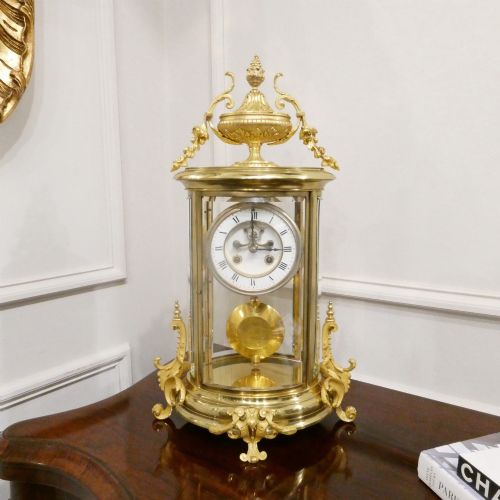
- A monumental mantel clock structured with four or more columns supporting an upper entablature that houses the dial. They often incorporate swinging pendulums within the open central space.
- Garniture set
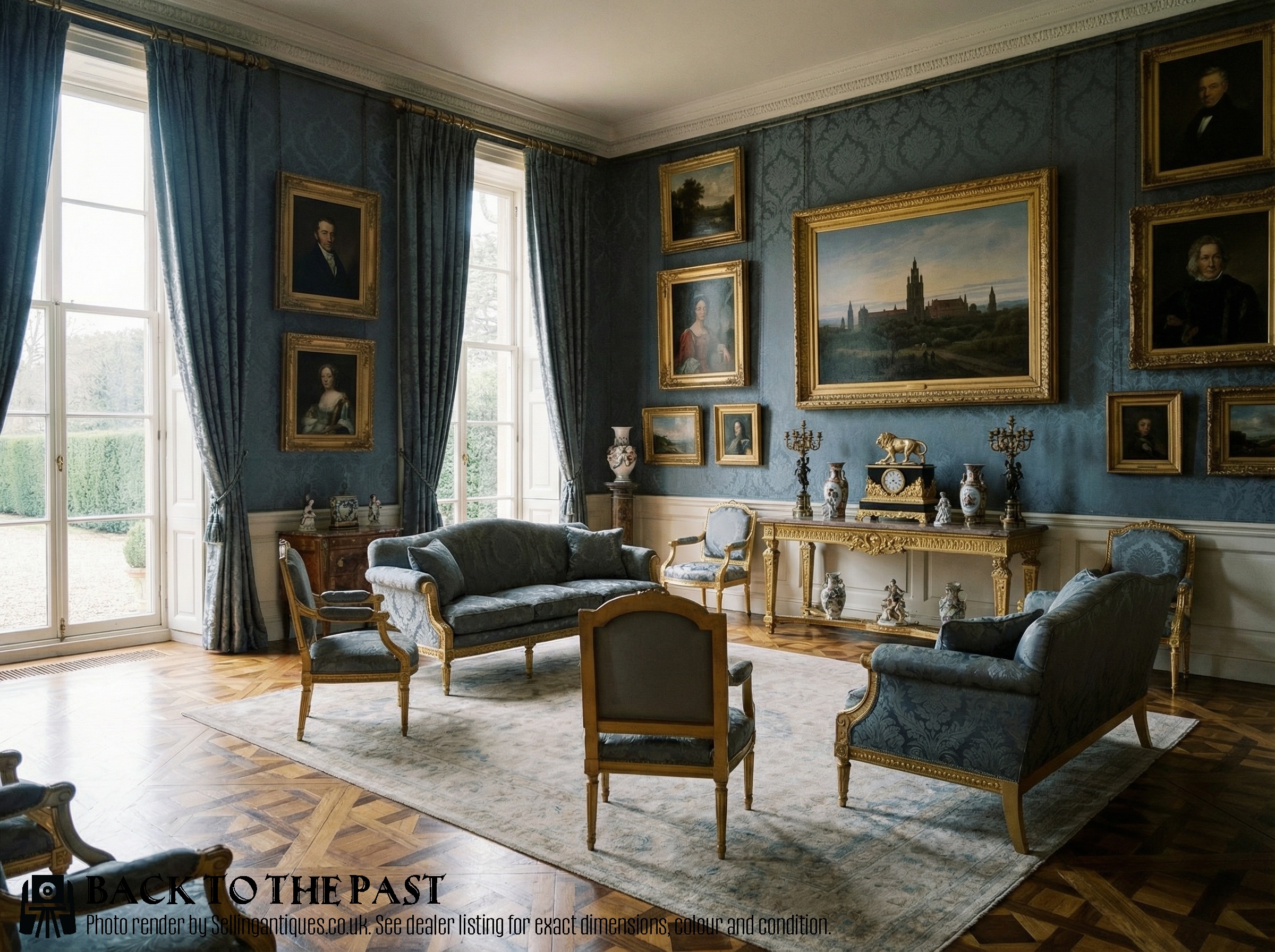
- A matching ensemble consisting of a central clock flanked by decorative sidepieces such as candelabra, vases, or urns. These sets were designed to balance mantelpiece displays.
- Champlevé enamel
- A technique where troughs are gouged into the bronze surface, filled with vitreous enamel powder, and fired. The resulting coloured patterns ornament the clock body.
French Gilt Bronze Clock: Frequently Asked Questions
How do I wind a french gilt bronze clock?
Wind the clock using the matching key inserted into the dial holes, turning slowly until resistance is felt. Care should be taken not to over-wind the mainspring.
Ensure you identify whether the clock strikes on the hour or half-hour, and let the striking sequence finish before advancing the minute hand.
How can I tell the period of a clock?
Examine the stylistic motifs, such as military trophies for Empire pieces or asymmetrical scrolls for Rococo items. The casting technique and dial signature offer further clues.
Backplate stampings from makers like Japy Freres or Vincenti help narrow down the manufacturing decade within the nineteenth century.
Where should I place my clock at home?
Position the clock on a sturdy, level surface away from direct sunlight, draughts, and damp walls. Mantelpieces and dedicated console tables provide stable environments.
Because mechanical movements rely on balance, the supporting surface must not wobble, or the pendulum will stop ticking.
What is a clock garniture set?
A clock garniture set includes a central timepiece accompanied by matching decorative side objects like urns or candelabra. These were arranged together on drawing room mantelpieces.
They share identical bronze casting patterns, gilding, and materials like marble or porcelain to create a unified decorative scheme.