






Antique French Wall Clock
An antique french wall clock brings architectural presence and precision timing into a room, combining brass cases with painted dials.
What these pieces are
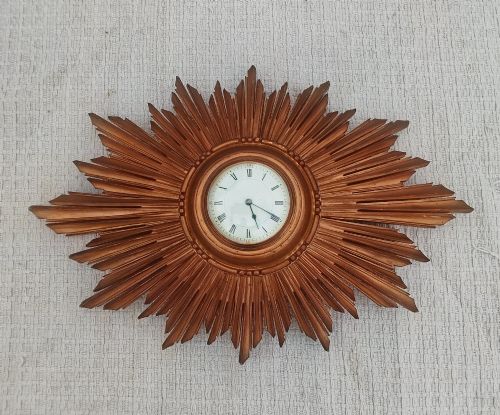
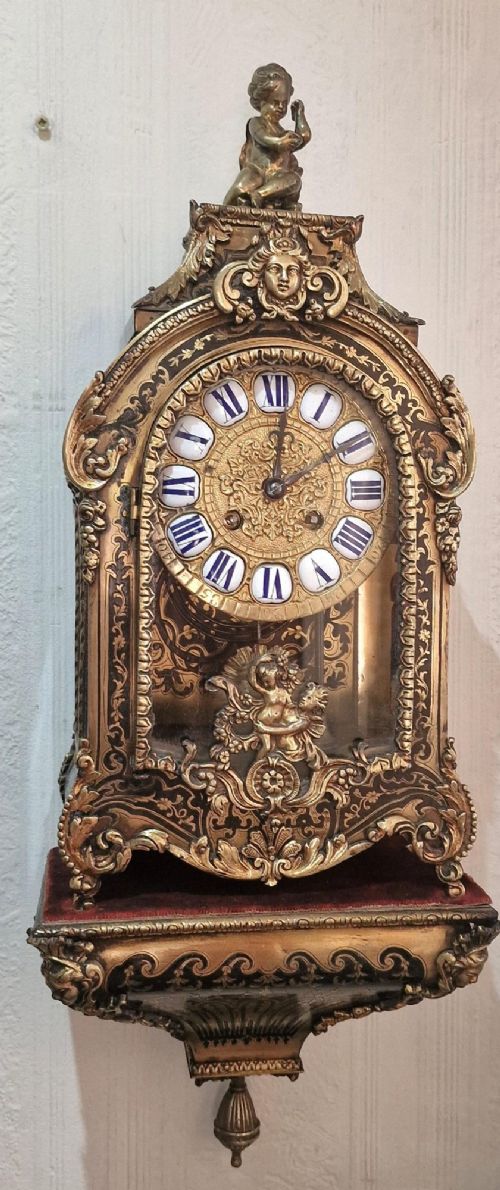
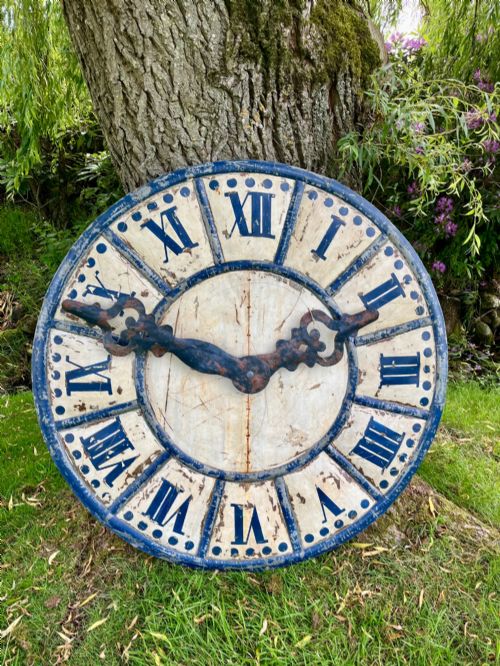
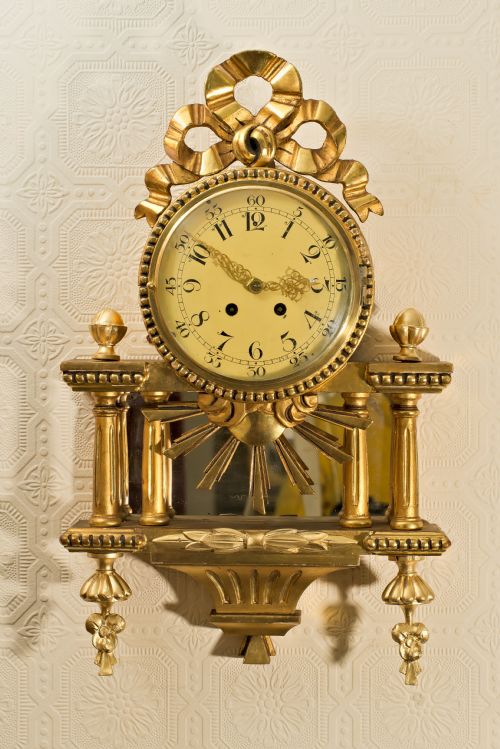
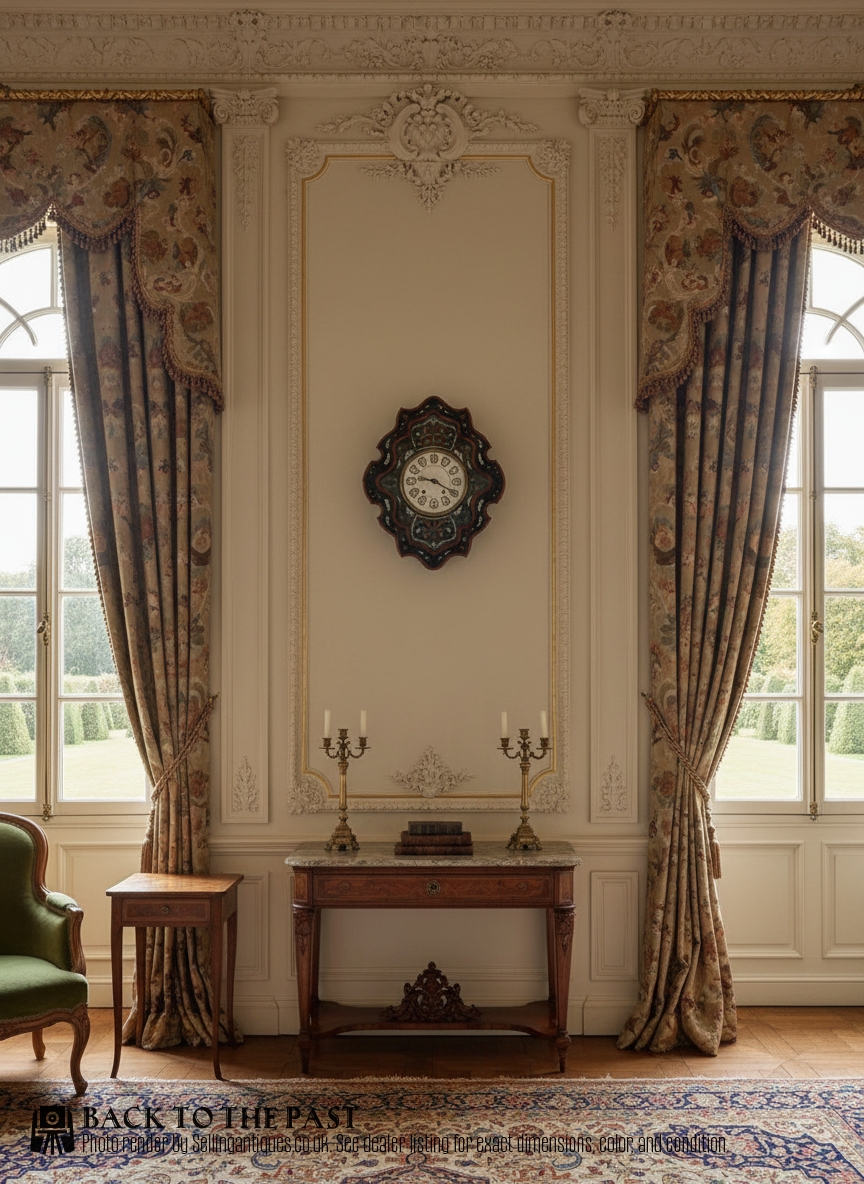
An antique french wall clock is most commonly encountered as an ornate cartel clock mounted directly on the wall, alongside station clocks and vineyard models. The selections span the nineteenth century and the early twentieth century, reflecting varied interior tastes across decades.
The dominant styles include French Louis XVI, Rococo, and industrial designs, which demonstrate the changing aesthetic preferences of makers. Buyers will find substantial gilt bronze cases alongside ebonised wood and mother-of-pearl decoration.
How they were made
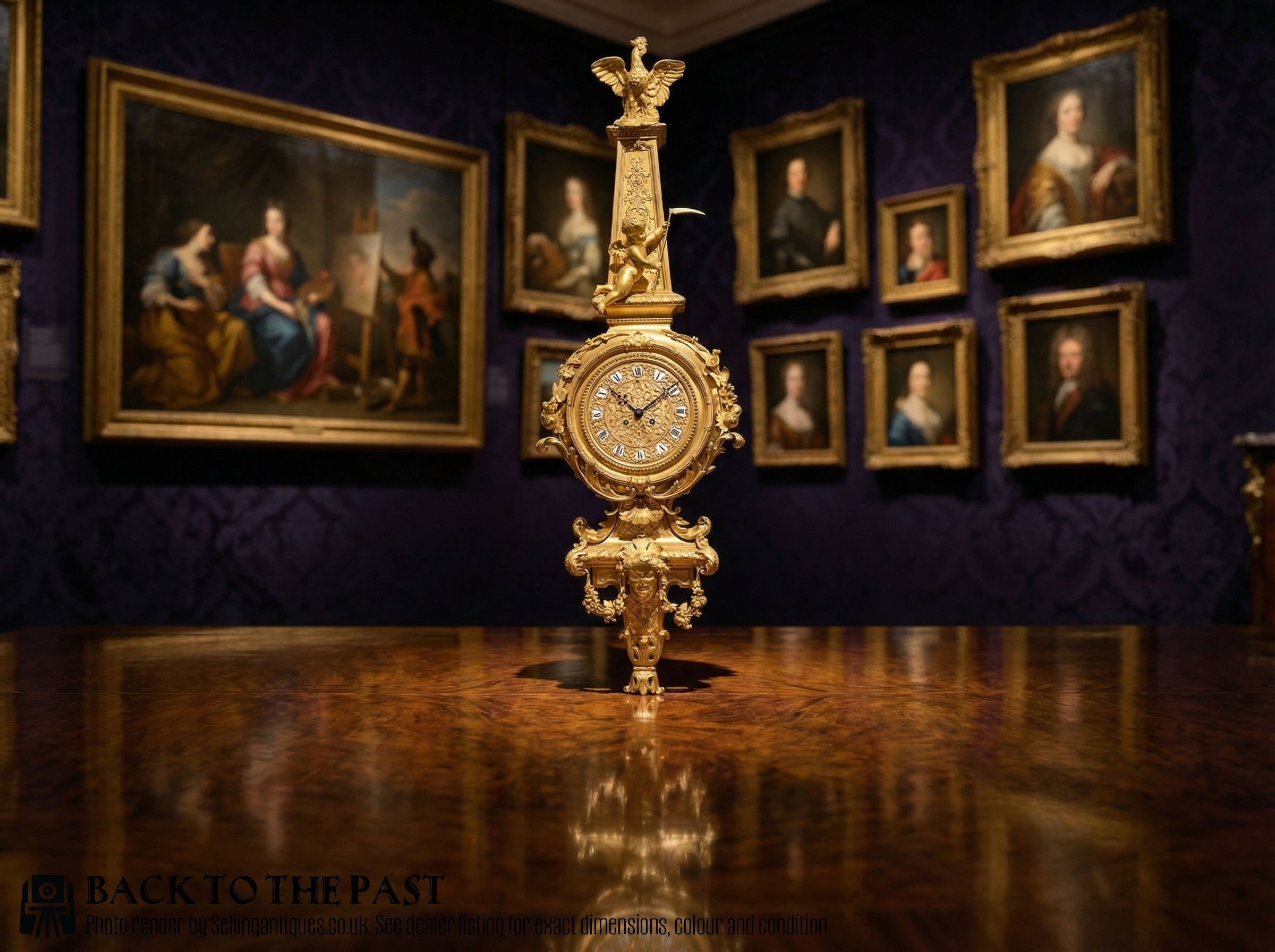
Cases utilise gilt bronze, ormolu, and ebonised wood, shaped through casting and fine cabinetmaking techniques. Dial faces incorporate enamel and glass to protect the painted numerals.
Movements require intricate metalworking to house the gears and escapements that drive eight-day mechanisms and strike trains.
Retail Price Guide 2026
Typical UK retail prices for french wall clock, calculated from the Sellingantiques database of over a million retail prices indexed since 2003. This retail price guide relies exclusively on Sellingantiques data; no external sources or auction records are used, so the figures do not describe the wider market.
Certain clocks feature mischievous dolphins and fierce dragons gripping the sides of the brass cases, keeping watch over the ticking hours.
What varies in quality
The distinction at the top of the range lies in the crispness of the bronze chasing and the complexity of the cast ornamentation. Maker signatures and documented foundries elevate the stature of a piece significantly.
Lower tiers display simpler metal finishes and less intricate case casting, while superior examples exhibit deeply detailed rococo scrolls, dolphins, or dragon motifs executed with exceptional hand-finishing.

Henri Riondet·Vincenti·J Peres·Japy Freres·Raingo Freres·Samuel Marti·Maison Bagues
The Antique French Wall Clock Glossary
- Cartel clock
- A wall-mounted clock featuring an ornate frame made of gilt bronze, brass, or wood. These pieces were designed to sit flush against domestic walls.
- Ormolu
- A technique of applying finely ground high-carat gold to an object of bronze. It provides a rich, durable golden finish characteristic of luxury French objects.
- Enamel
- A material created by fusing powdered glass to a substrate through firing. Dial faces use white enamel to provide a clean, legible background for black numerals.
- Ebonised wood
- Timber treated to resemble ebony, offering a dark and uniform surface. This finish creates a stark contrast against gilt metal mounts.
- Escapement
- The mechanical linkage that controls the release of gear train power to the pendulum. It ensures the steady, measured ticking of the movement.
Frequently Asked Questions
How do I wind my wall clock?
Most mechanical models utilise an eight-day movement requiring a key inserted into the dial face holes.
Care must be taken not to over-wind the springs to preserve the internal mechanism.
Where should I hang a cartel clock?
Mount the clock on a sturdy structural wall using appropriate fixings to support the heavy bronze and brass weight.
Ensure the wall is free from excessive vibration to maintain proper pendulum beat.
How do I tell Louis XVI from Rococo styles?
Louis XVI pieces display neoclassical symmetry, straight lines, urns, and architectural laurel wreaths.
Rococo designs favour asymmetrical scrolls, organic curves, and flamboyant natural motifs.
What is an eight day movement?
An eight day movement requires winding approximately once a week to keep continuous time.
This mechanism uses spring or weight power stored within the clock case.