


Louis XVI Wall Clock
These louis xvi wall clock pieces are decorative French cartel clocks offering gilt bronze and ormolu splendor for any drawing room.
Understanding Louis XVI wall clocks
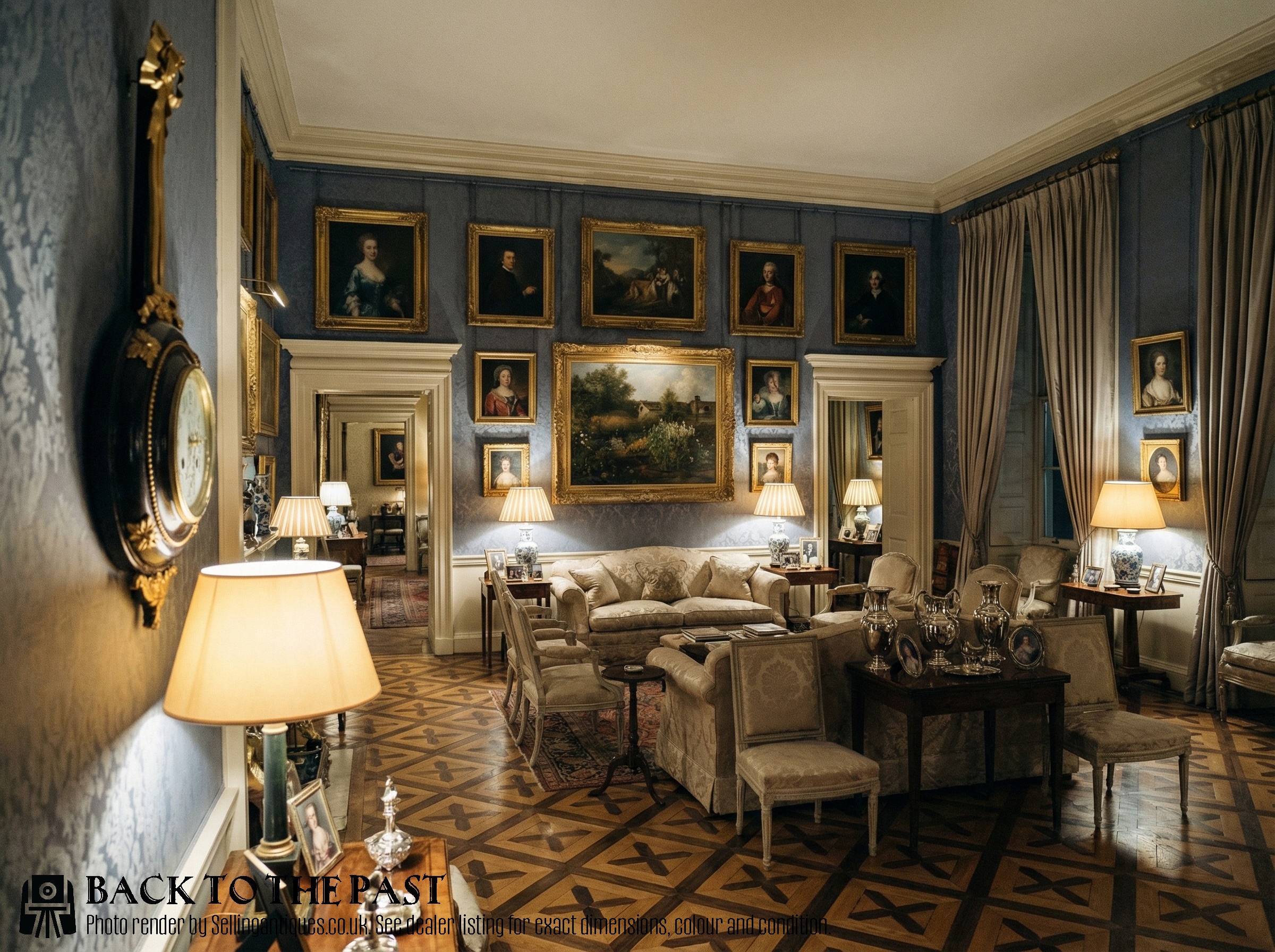
A louis xvi wall clock is typically encountered as a cartel clock originating from France during the nineteenth century or the Victorian era. These pieces reflect the French Neoclassical and Louis XVI revival styles, bringing classical symmetry and ornate detailing to interior walls.
Most examples found on this page adopt the cartel format, attaching directly to the wall rather than standing on a mantel or floor. The form emphasises scrolling foliage, urns, and classical motifs executed in gilt metal.
Buyers will encounter variations including traditional cartel designs and occasional lyre clock forms. The underlying structure relies on nineteenth-century French manufacturing traditions mimicking earlier eighteenth-century aesthetics.
Materials and construction
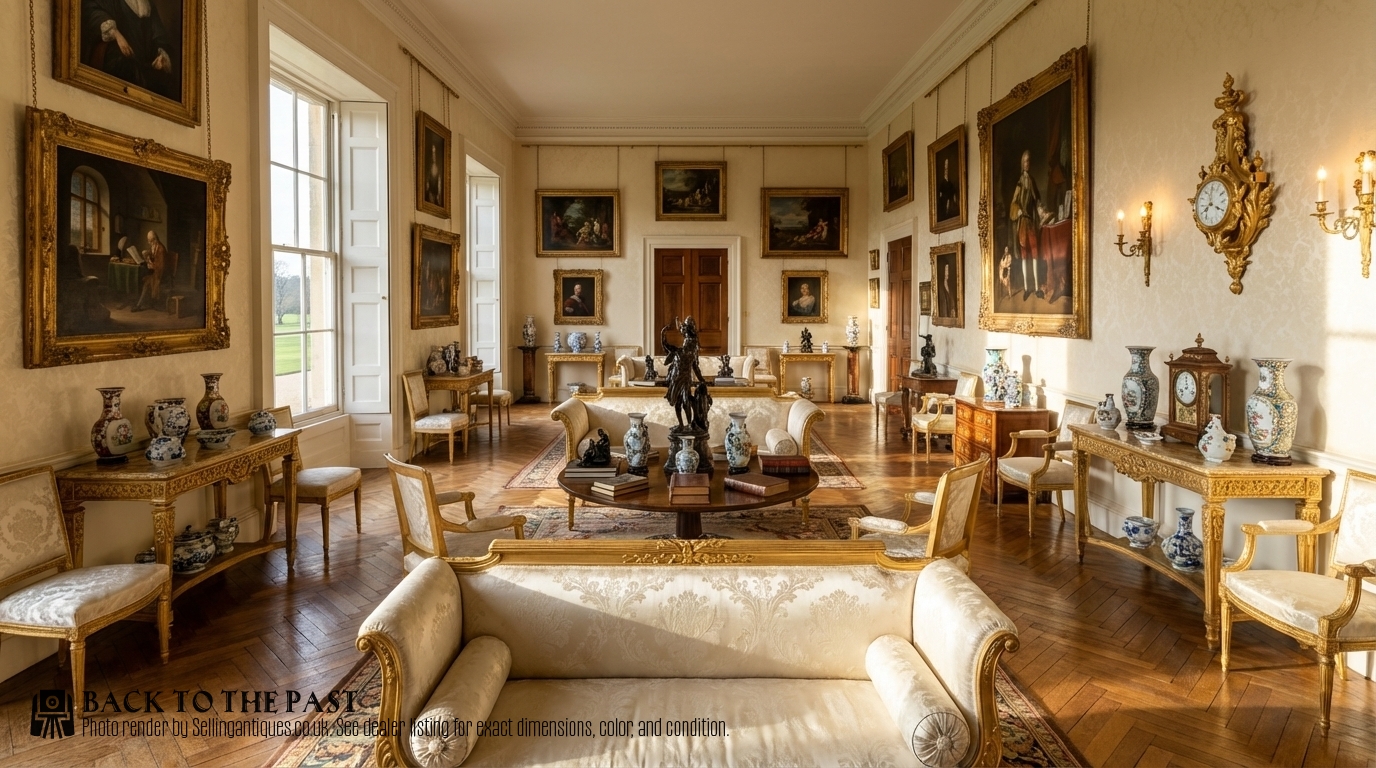
The construction relies heavily on bronze, brass, and giltwood shaped into elaborate frames. Ormolu and gilt bronze finishes provide the bright, reflective surfaces characteristic of these French wall clocks.
Enamel dials feature prominently for the clock faces, protected behind curved glass covers. The metal components involve intricate casting and chasing techniques to achieve the sculptural scrollwork and floral garlands.
Retail Price Guide 2026
Typical UK retail prices for louis xvi wall clock, calculated from the Sellingantiques database of over a million retail prices indexed since 2003. This retail price guide relies exclusively on Sellingantiques data; no external sources or auction records are used, so the figures do not describe the wider market.
The archive and active inventory showcase Victorian interpretations of Louis XVI Neoclassical and French revival designs.
Judging quality and execution
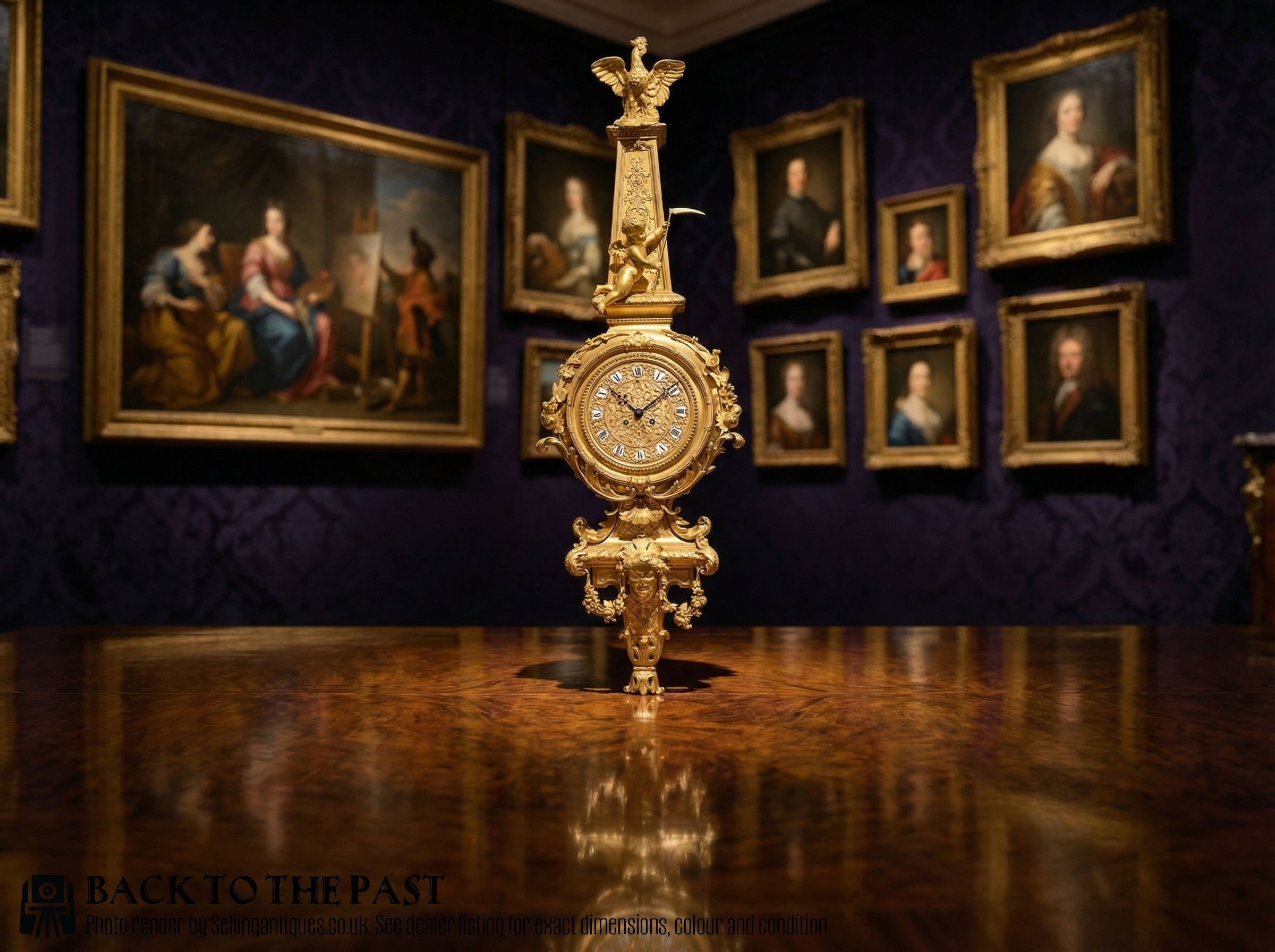
Quality separates in the crispness of the bronze chasing and the depth of the gilding. Finer examples display sharp definition in the cast foliage and architectural details, whereas lesser pieces show softer, shallower relief.
The weight and substantial scale of the bronze work also dictate the tier of the piece. Larger cartel clocks with heavier metal casting and integrated maker movements represent the higher end of the surviving selection.
Japy Freres·Vincenti·Charles Hour
The Louis XVI Wall Clock Glossary
- Cartel clock
- A wall-mounted clock with an ornate frame typically made of gilt bronze, brass, or carved wood. This form became popular in France during the eighteenth century and was revived extensively in the nineteenth century.
- Ormolu
- Finely ground high-carat gold mercury-gilded onto a bronze object. The technique creates a rich, durable golden finish characteristic of luxury French decorative arts.
- Gilt bronze
- Bronze metal that has been coated with a layer of gold leaf or gold paint. It provides the bright metallic lustre seen across these French revival timepieces.
- Lyre clock
- A specialised clock shape resembling the ancient musical instrument, featuring twin curved side members. These decorative pieces often incorporate gilt bronze and enamel dials.
Frequently Asked Questions
What is a cartel wall clock?
A cartel wall clock is an ornamental timekeeper designed to be hung directly on a wall rather than placed on a mantel or furniture piece. These clocks originated in France and feature elaborate frames made from gilt bronze, ormolu, or giltwood.
The style draws heavily from French Neoclassical design, incorporating symmetrical scrolls, floral motifs, and classical urns. They served as both functional timepieces and high-status wall decorations in grand interiors.
How do I hang a heavy bronze clock?
Hanging a heavy bronze or giltwood cartel clock requires secure attachment directly into wall studs or the use of appropriate heavy-duty masonry fixings. Because these nineteenth-century pieces possess substantial weight due to their cast metal construction, standard plasterboard hooks are unsuitable.
Ensure the mounting bracket engages firmly with the hanging loop or fixing point on the back of the clock case. Professional installation is often recommended to support the pendulum and movement safely.
How do I tell Louis XVI style from Louis XV style?
Louis XVI style is defined by strict symmetry, straight architectural lines, and classical motifs such as urns, columns, and rectangular proportions. In contrast, Louis XV style favours asymmetry, flowing natural curves, and exuberant rococo scrollwork without rigid geometric balance.
Clocks from the later revival periods often blend these elements, but examining the framing around the dial and the bottom pendant helps reveal whether the design leans toward orderly Neoclassicism or flowing rocaille.
Are these clocks suitable for daily use?
These antique French wall clocks function as working timepieces when properly maintained and serviced by a professional horologist. Many retain their original mechanical movements requiring periodic winding and adjustment.
Living with them involves appreciating their historical craftsmanship while accepting the gentle tick and occasional need for expert mechanical upkeep. They anchor a room visually while continuing to mark the hours.