


Ormolu Cartel Clock
An ormolu cartel clock brings weight and intricate French design to a wall, combining cast metalwork with precise timekeeping.
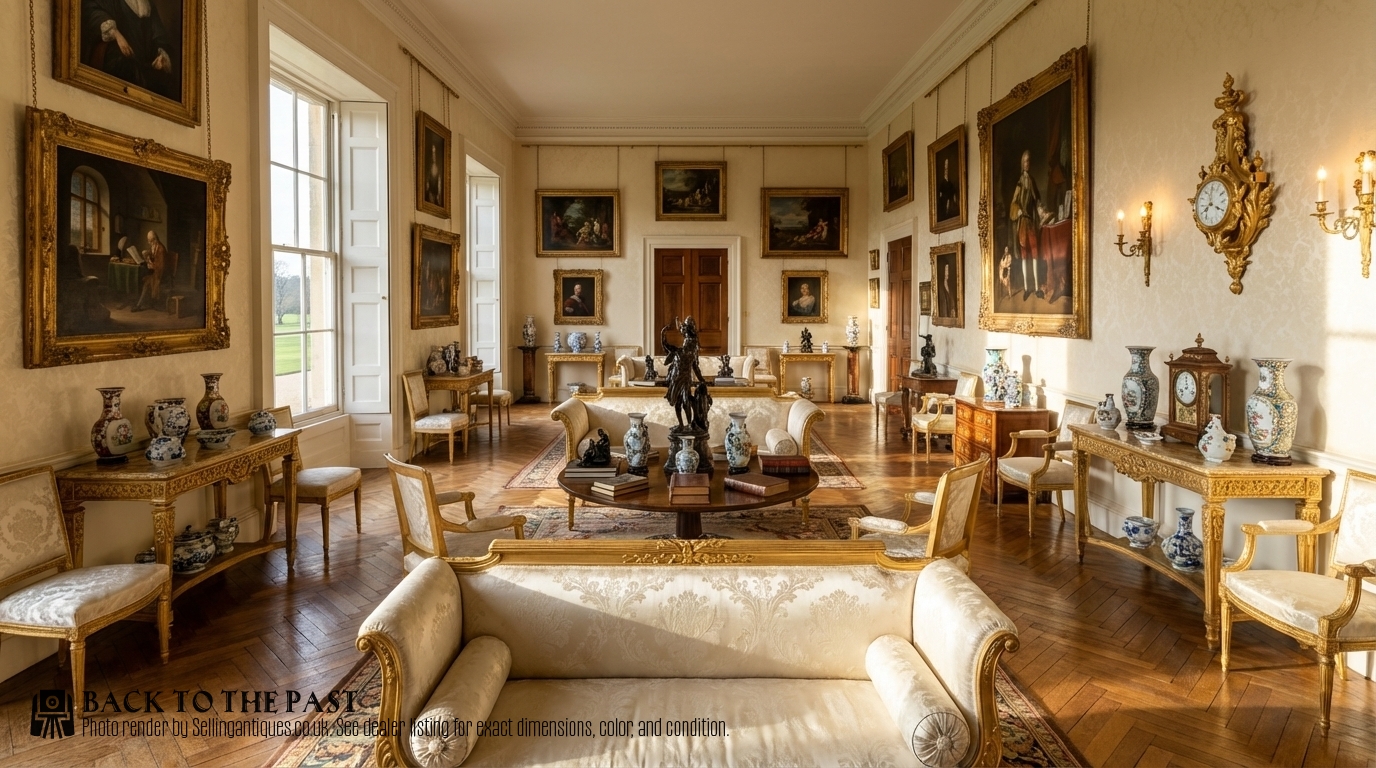
Ormolu Cartel Clock
An ormolu cartel clock is a wall-mounted timepiece housed in an ornate metal case, predominantly French in origin and appearing across the nineteenth century. These pieces display distinct stylistic revivals, most notably French Rococo and Louis XVI, characterised by scrolling asymmetrical forms or symmetrical neoclassical detailing.
The version most frequently met on this page is a nineteenth-century wall clock cast in gilt bronze or ormolu, often paired with bronze or brass elements. They take the form of large cartel wall clocks designed to hang prominently in a room, capturing the aesthetic of earlier court horology through later revival periods.
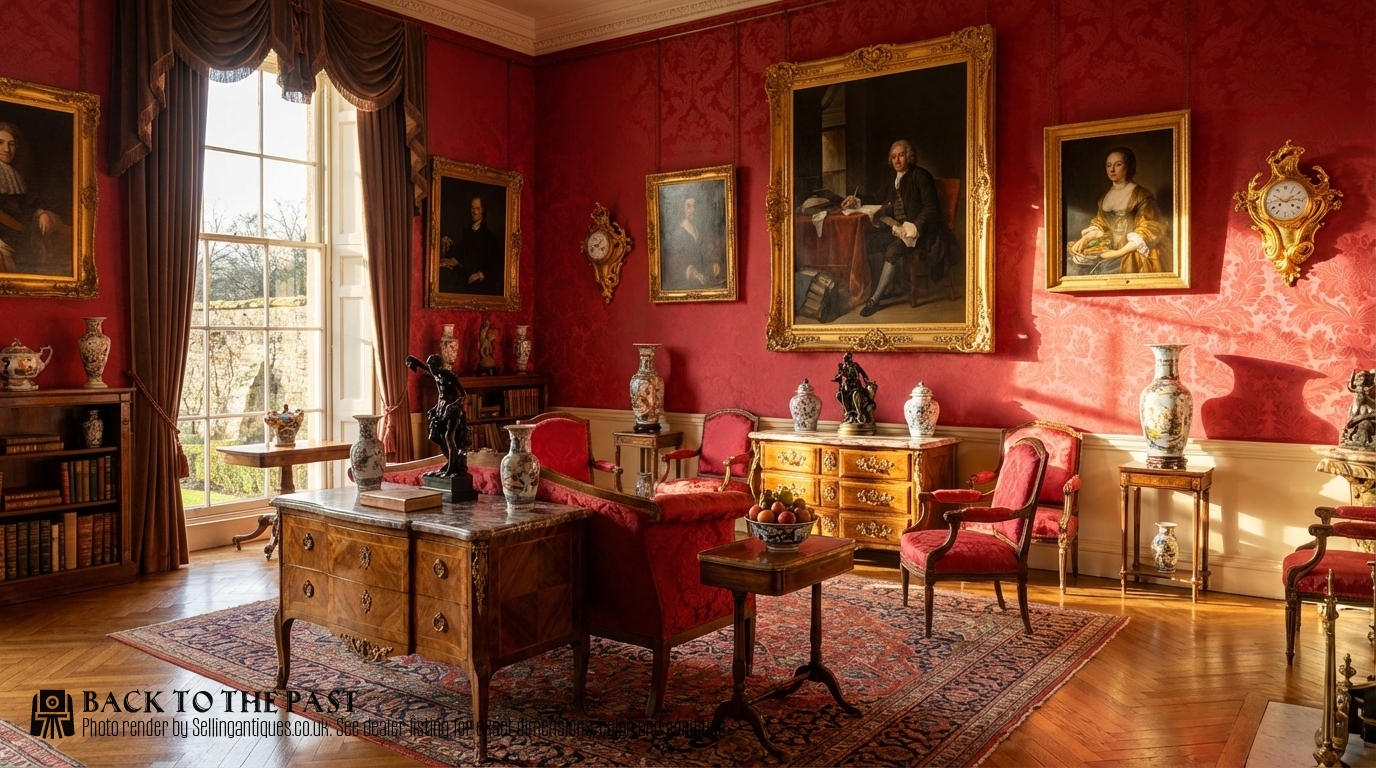
How they were made
The manufacture of an ormolu cartel clock relies on metal casting, where bronze or brass is shaped into elaborate Rococo or Louis XVI motifs before receiving a gold gilt surface known as ormolu. Artisans also incorporated materials such as enamel for dials, glass to protect the face, and occasionally tortoiseshell or painted wood within the case construction.
Movements were produced by skilled French clockmakers and housed inside these heavy metal cases, sometimes featuring visible pendulums or intricate dial arrangements. The combination of fire-gilt bronze casting and mechanical clockwork required close collaboration between metalworkers and horologists.
Several cartel clocks feature playful bronze dolphins writhing amid the gilt scrollwork, proving that even formal French timepieces loved a marine creature.
What varies in quality
Quality in these wall clocks rests primarily on the crispness and depth of the metal chasing on the ormolu case, distinguishing sharp, hand-finished cast detail from softer, later production. The weight of the bronze and the richness of the gilding separate substantial, high-grade examples from simpler metal versions.
The maker of the movement also dictates standing, with signed French clockmaker signatures adding historical weight to the piece. Furthermore, the preservation of original enamel dials and the integration of secondary materials like bronze and glass influence the overall standard of the object.
Henri Marc of Paris·Charles Vincent·Baillon·Maison Bagues Paris·Japy Freres·Vincenti·Charles Hour
The Ormolu Cartel Clock Glossary
- Ormolu
- A technique of applying finely ground high-carat gold mercury amalgam to a bronze object. This surface treatment yields a warm, durable golden finish characteristic of fine decorative metalwork.
- Cartel clock
- A wall-mounted clock housed in an ornamental frame made of metal or wood. The term specifically identifies wall clocks developed in France during the eighteenth century and revived later.
- Rococo
- An artistic style marked by elaborate ornamentation, asymmetrical scrolls, and naturalistic plant motifs. It heavily influences nineteenth-century French wall clock designs.
- Louis XVI
- A neoclassical style defined by symmetry, straight lines, urns, and classical architectural details. This aesthetic appears frequently in the architectural framing of these wall clocks.
- Enamel
- A glassy substance fused to a metal dial surface through firing, providing a smooth white background for painted clock numerals. It offers a clean surface that resists fading over time.
Ormolu Cartel Clock: Frequently Asked Questions
How do I hang an ormolu cartel clock safely?
Due to the substantial weight of cast bronze and ormolu cases, these clocks require secure fixing directly into a wall stud or use of appropriate heavy-duty masonry fixings.
The hanging bracket on the back of the case must bear the full load of the movement and metal frame without relying on decorative plaster or drywall alone.
How do I tell Louis XVI style from Rococo?
Louis XVI style pieces present symmetrical arrangements, straight architectural lines, and classical motifs such as urns and ribbons. They project a balanced and restrained formality compared to earlier designs.
In contrast, Rococo pieces embrace asymmetry, swirling foliage, and shell-like scrolls, avoiding straight lines in favour of flowing, organic movement across the metal case.
Are these clocks suitable for daily timekeeping?
These nineteenth-century mechanical clocks can keep accurate time when properly serviced and adjusted by a professional horologist. Regular maintenance ensures the gear trains and pendulum operate smoothly within their heavy bronze housings.
Daily operation requires careful winding using the correct key, taking care not to over-wind the spring mechanisms that drive the strike and time trains.
What is the difference between ormolu and gilt metal?
Ormolu specifically denotes bronze that has been gilded using a mercury-gilding process or high-standard gold application, resulting in a deep, luminous golden lustre. It possesses a distinct warmth and weight unique to period French bronzework.
Gilt metal typically refers to a base metal substrate with a simpler applied gold-coloured finish, lacking the specific depth and traditional composition found in nineteenth-century ormolu cases.