

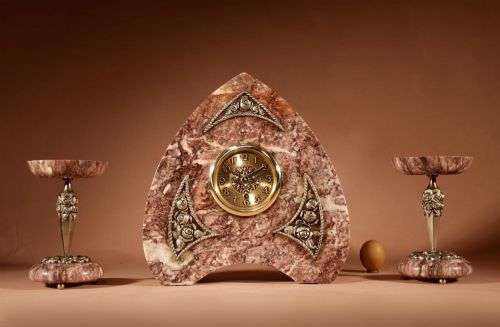
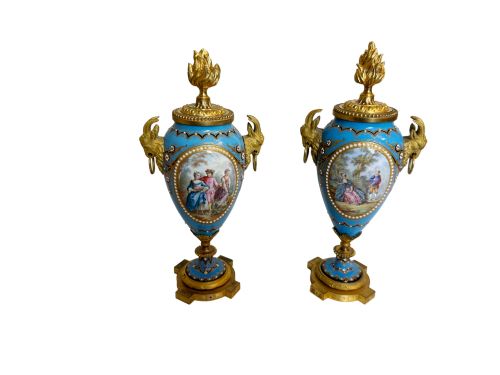
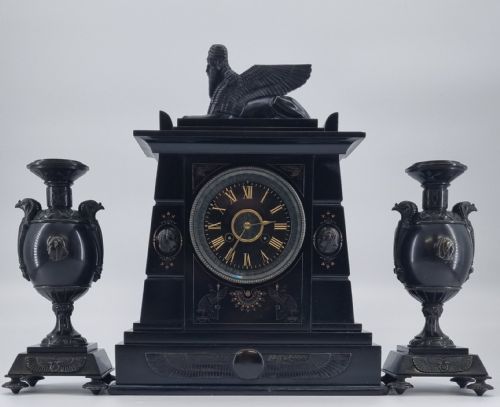
Antique French Garniture
An antique french garniture brings symmetry and striking presence to a mantelpiece through a central clock paired with matching vases, urns, or candelabra.
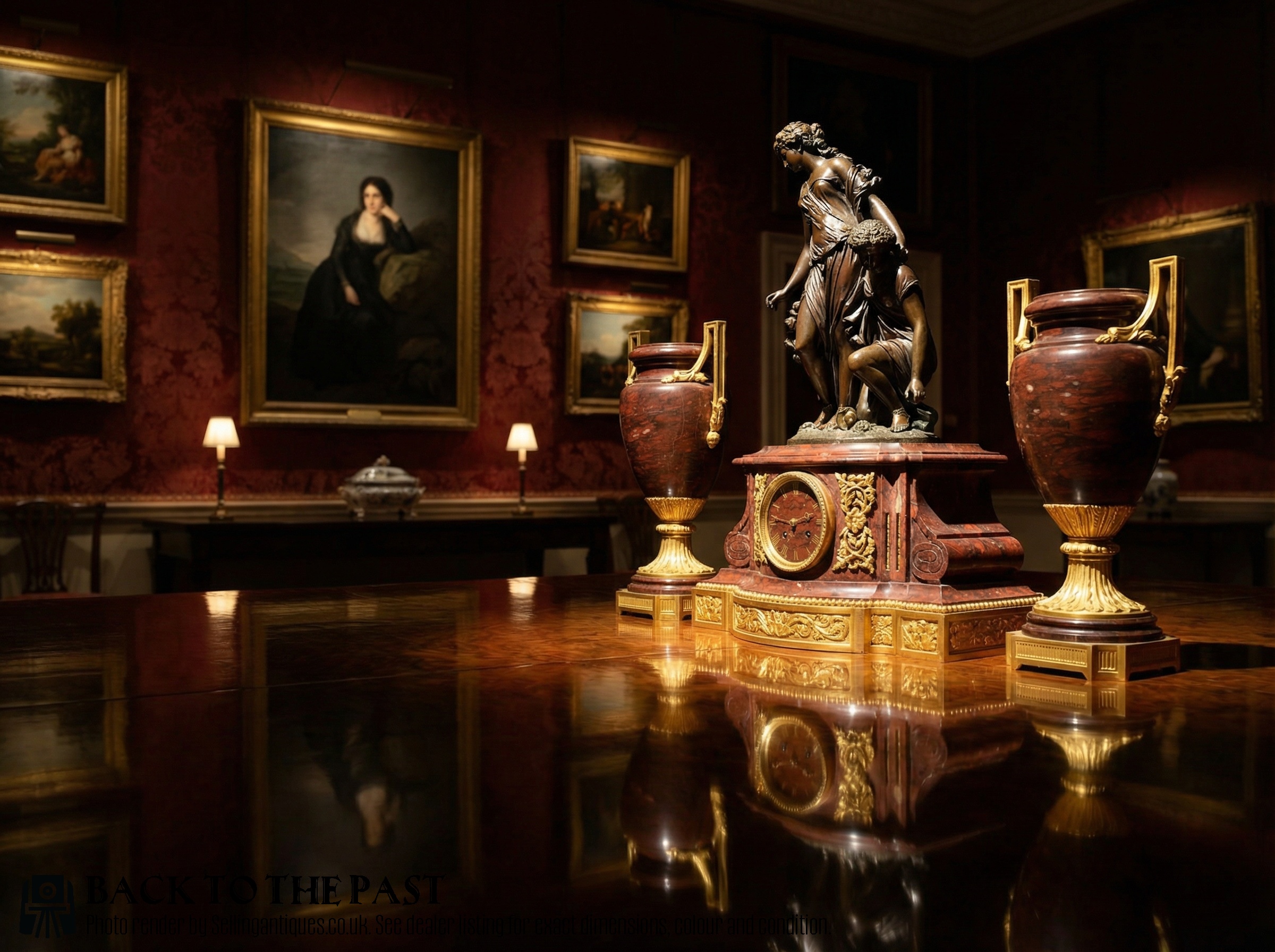
Antique French Garniture
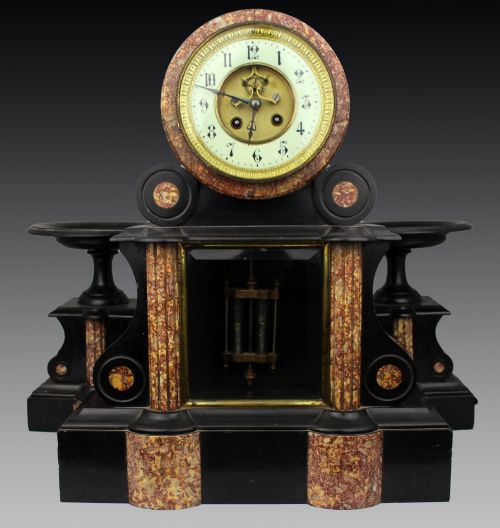
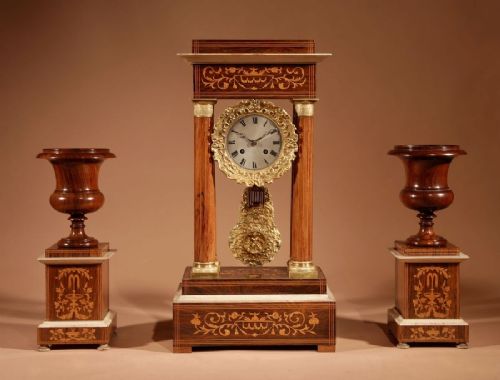
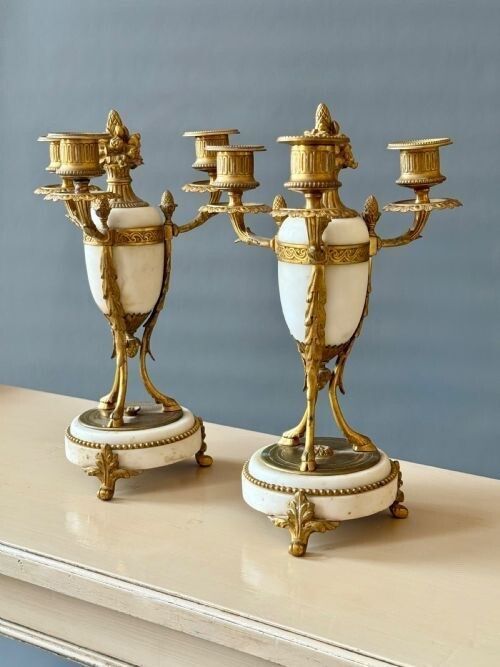
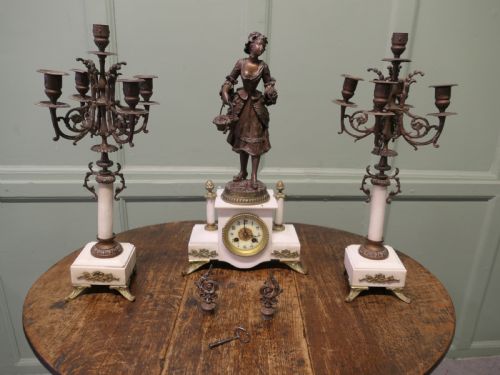
An antique french garniture comprises a central timepiece accompanied by matching side pieces such as candelabra, vases, or urns designed to create a balanced display. These sets date predominantly from the nineteenth century, ranging from early empire expressions through to later art deco iterations.
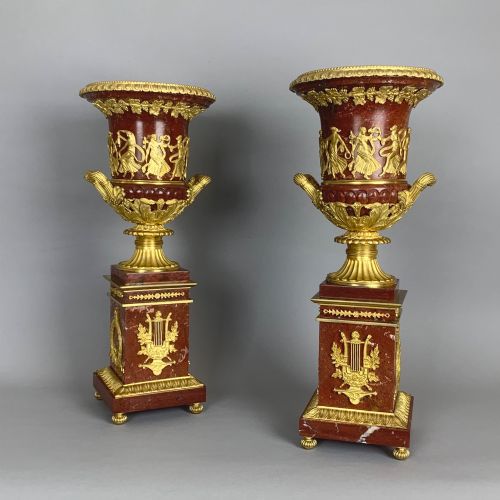
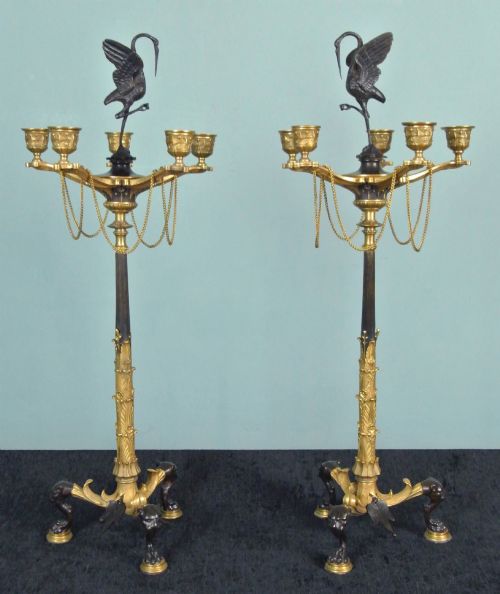
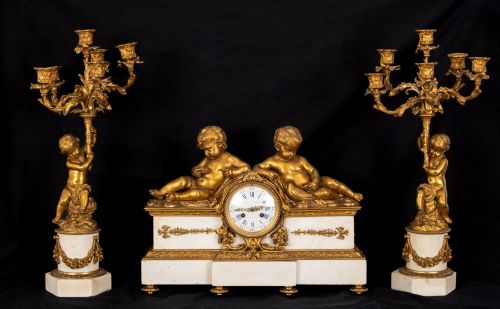
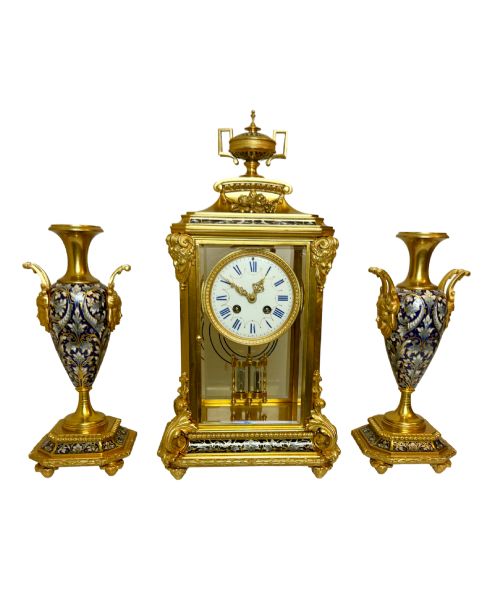
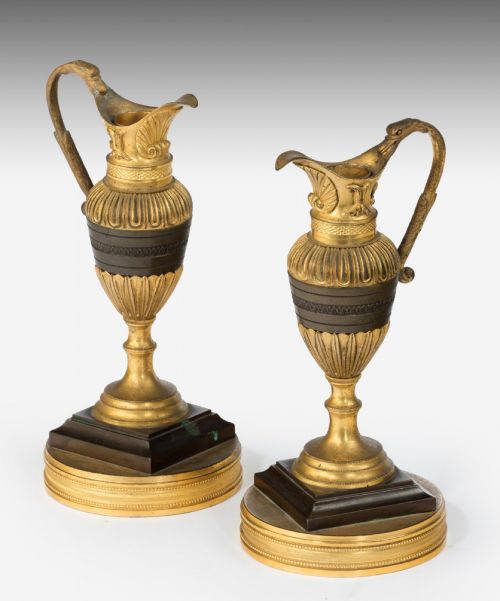
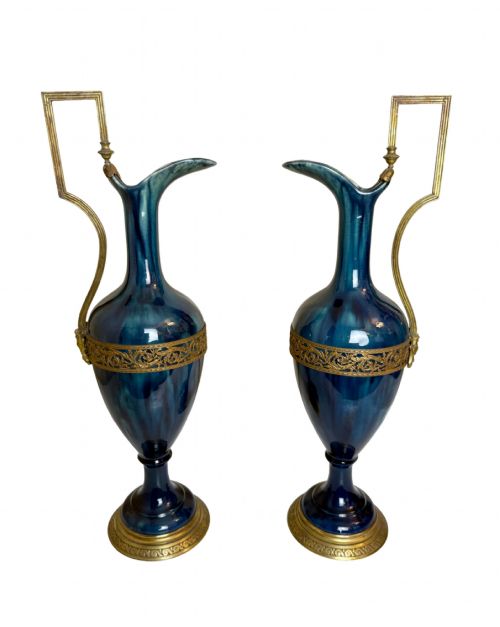
The most common configurations on this page pair a marble or bronze mantel clock with a matching pair of candleholders or decorative ewers. Makers and workshops utilised diverse media to satisfy opulent interior tastes across successive stylistic revivals.
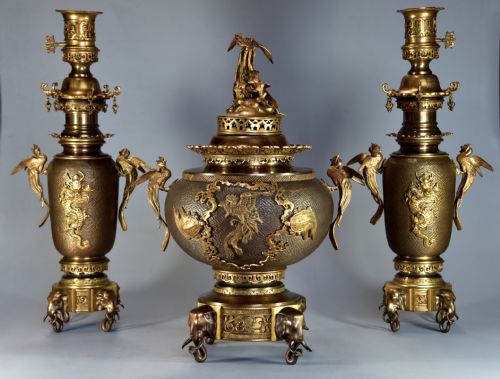
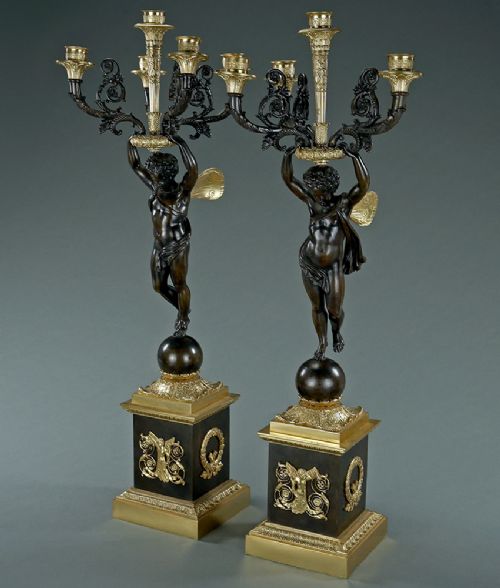
Forms span grand portico designs, classical urn shapes, and figural compositions executed in varied dimensions. Collectors encounter everything from restrained neoclassical symmetry to ornate rococo and egyptian revival motifs.
Assessing quality and execution
Superior sets distinguish themselves through the crispness of the bronze chasing and the depth of the gilding rather than mere surface shine. Finer examples exhibit meticulous hand-finishing on secondary details, whereas simpler production pieces rely on softer cast definitions.
The integration of materials also dictates standing, with harmonious proportions between the central clock and its side garnitures marking superior design discipline. Signed movements from known makers and intact original components further elevate the stature of a set.
Antique French Garniture Retail Price Guide 2026
Typical asking prices for french garniture among the pieces listed under this phrase on Sellingantiques today, from the lower quarter to the upper quarter. They describe what is for sale here now, not the wider market.
Listings feature items spanning the nineteenth century alongside early twentieth-century art deco pieces, utilising marble, porcelain, bronze, and onyx.
Japy Freres·Barbedienne·Samuel Marti·Henry Dasson·A D Mougin
The Antique French Garniture Glossary
- Garniture
- A set of ornamental objects designed to match and be displayed together, typically consisting of a clock flanked by two vases or candelabra.
- Ormolu
- Gilt bronze created by applying a finely ground high-carat gold-mercury amalgam to a bronze object, which is then fired to drive off the mercury.
- Cassolette
- A decorative vase or urn featuring a reversible lid that functions either as a solid vessel or as a candleholder.
- Champleve
- An enamelling technique where troughs or cells are sunk into the surface of a metal object and filled with vitreous enamel before firing.
- Portico clock
- A mantel clock featuring architectural columns or supports framing the pendulum and dial, popular during neoclassical periods.
Antique French Garniture: Frequently Asked Questions
How were garniture sets arranged originally?
These sets were designed to sit upon a mantelpiece or console table, with the central clock flanked symmetrically by the matching vases or candelabra. This arrangement created a balanced focal point for formal nineteenth-century reception rooms.
The side pieces could be positioned tightly beside the clock or spaced outward depending on the width of the fireplace surround or furnishing surface.
What materials are common in these sets?
Garnitures frequently combine natural stones such as white or black marble, onyx, and slate with cast metals like gilt bronze, ormolu, and brass. Porcelain panels and champleve enamel work are also regularly incorporated into the decorative schemes.
The juxtaposition of cool polished stone with warm gilded metal defines the aesthetic of the period.
How do I distinguish between different design revivals?
Empire and neoclassical sets favour strict symmetry, military motifs, and architectural lines, while rococo revival pieces introduce asymmetrical scrolls and organic plant forms. Later nineteenth-century examples often blend historical motifs or incorporate exotic influences such as japonisme.
Examining the dial typography, casting style, and secondary ornamentation usually clarifies the specific period aesthetic.