




Sculptural Mantel Clock
A sculptural mantel clock combines timekeeping with figural bronze, marble, or spelter artistry, giving a room both function and classical presence.
Understanding sculptural mantel clocks
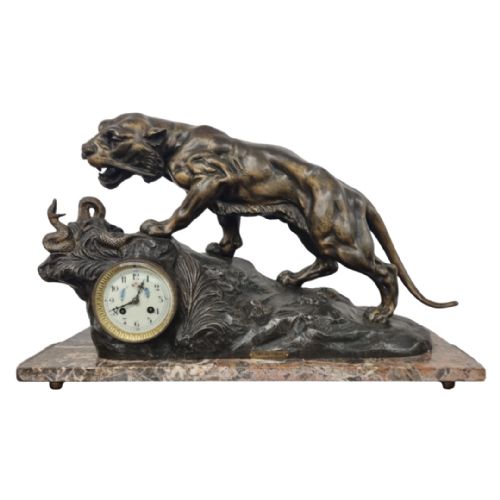
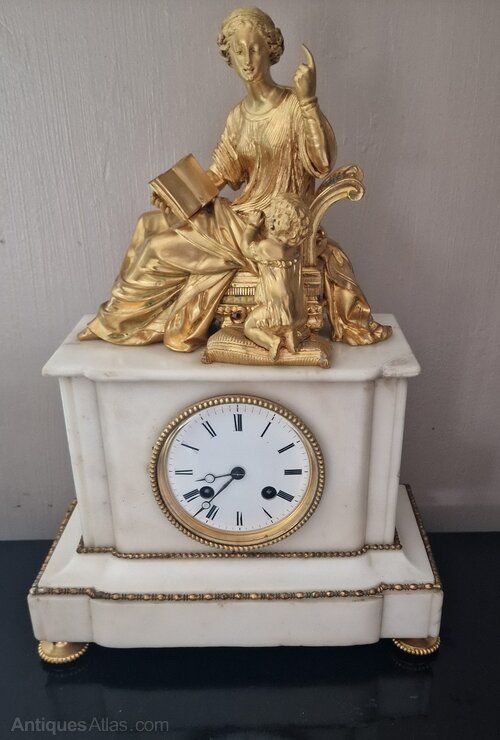
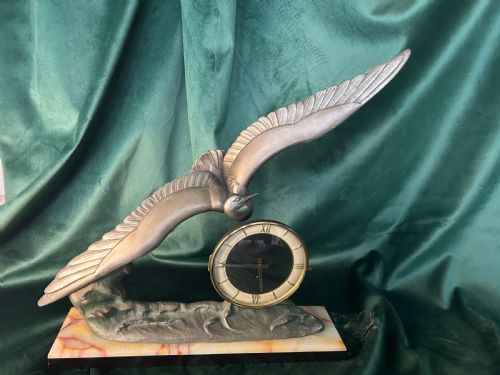
When you search for a sculptural mantel clock, you are looking at horological pieces where the case takes the form of figures, animals, or elaborate architectural groups rather than a simple wooden box. The offerings span the nineteenth century, including specific dates such as 1850, 1870, and 1910, alongside broader nineteenth century and circa 1900 examples. Formats range from French animalier subjects involving tigers and serpents to classical motifs featuring cherubs, cupids after Etienne Maurice Falconet, and dragonflies.
The design vocabulary draws heavily on diverse historical revivals and decorative movements. Pieces on show traverse French Neoclassical, French Animalier, Renaissance Revival, Art Deco, Art Nouveau, and French Rococo Revival styles. Makers and retailers such as R Varnier and Berger, Paris appear alongside classical inspirations, demonstrating the wide scope of French horology from this era.
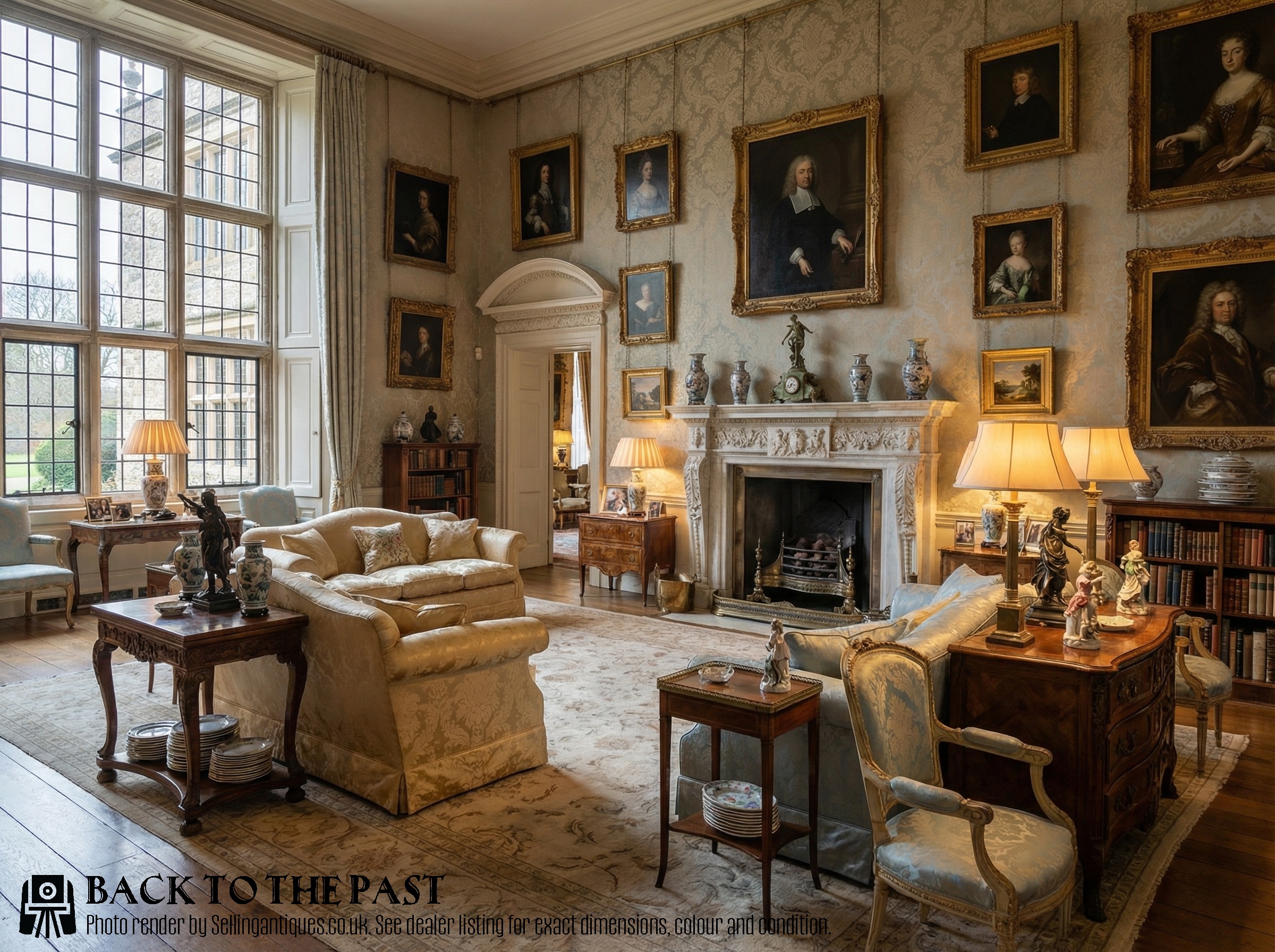
Materials and construction
The sculptural components often employ lost-wax or sand-casting techniques for the bronze and spelter figures, finished with patination or fire gilding in the ormolu tradition. Stonework is cut, turned, and polished to display natural veining, then combined mechanically with metal bezels, movements, and dials.
Retail Price Guide 2026
Typical UK retail prices for sculptural mantel clock, calculated from the Sellingantiques database of over a million retail prices indexed since 2003. This retail price guide relies exclusively on Sellingantiques data; no external sources or auction records are used, so the figures do not describe the wider market.
One listed clock pairs a tiger and a serpent, proving that domestic timekeeping once involved serious wildlife drama.
Judging quality and execution
Quality in these clocks rests on the crispness of the metal chasing and the selection of the mineral base. Finer examples display deep undercut details in the bronze or spelter figures and heavy, unblemished marble or alabaster stands with rich variegated colouration. Weaker pieces show softer cast details and simpler patination.
The integration between the sculptural subject and the clock movement defines the overall design success. Superior pieces balance the weight of the marble or bronze group harmoniously with the dial enclosure, whereas lesser items feel like standard movements simply dropped into generic cast housings.
R Varnier·Berger Paris
The Sculptural Mantel Clock Glossary
- Spelter
- A zinc alloy commonly used in the nineteenth century as a cost-effective alternative to bronze for figural sculptures. It is typically given a bronze-like or painted finish.
- Ormolu
- Gilded bronze created through an amalgamation of mercury and gold applied to a bronze base, fired to leave a rich golden layer. It provides the bright metallic highlights seen on French decorative clocks.
- Animalier
- A nineteenth-century artistic style focusing on the realistic portrayal of animals, frequently seen in sculptural clock groups depicting predators and prey. Artists captured creatures in dynamic, naturalistic motion.
- Alabaster
- A fine-grained mineral, softer than marble, used for carving figures and clock cases. Its pale, translucent quality lends a soft luminosity to nineteenth-century decorative objects.
- French Rococo Revival
- A nineteenth-century design movement resurrecting the asymmetric scrolls, shell motifs, and exuberant curves of the eighteenth-century French court. It manifests in flowing, organic clock cases.
Frequently Asked Questions
What is a sculptural mantel clock?
A sculptural mantel clock is a timekeeper housed within or surmounted by a distinct artistic figure, animal group, or architectural arrangement. These objects function simultaneously as mechanical clocks and decorative centrepieces.
They draw on nineteenth-century European traditions, particularly French ateliers, utilising materials like marble, bronze, and gilt metal to create substantial decorative statements for domestic interiors.
How do I date a mantel clock?
Dating relies on stylistic clues, materials, and any inscribed signatures or foundry marks on the case or movement. Victorians favoured distinct revivals, moving from classical Neoclassical and Rococo forms towards Art Nouveau and Art Deco by the early twentieth century.
The presence of specific materials, such as spelter alongside traditional bronze or onyx alongside marble, helps narrow down the period of manufacture.
Where should I place these clocks?
Because of their substantial weight and mixed media construction, these clocks require a sturdy surface such as a mantelpiece, sideboard, or large console table. They need a stable, level platform to ensure the mechanical movement operates correctly.
Keep them away from direct sunlight and moisture to protect enamel dials, mercury gilding, and polished stone surfaces from degradation.
What styles are common in these clocks?
The prevalent styles reflect nineteenth-century historicism and turn-of-the-century design shifts. You will encounter French Neoclassical symmetry, animalier predator scenes, ornate Rococo Revival scrolls, and flowing Art Nouveau organic lines.
Each style dictates the choice of metal finish and the treatment of the marble or alabaster base.