



Turn of Century Clock
A turn of century clock brings heavy brass, bevelled glass and ticking mechanics directly from late Victorian and Edwardian drawing rooms into your home.

Turn of Century Clock
A turn of century clock represents the heavy timepieces produced around 1900, alongside Victorian and Regency pieces that collectors group under this search phrase. You will frequently meet French carriage clocks, mantel clocks in walnut or marble, and occasional strut clocks on this page.
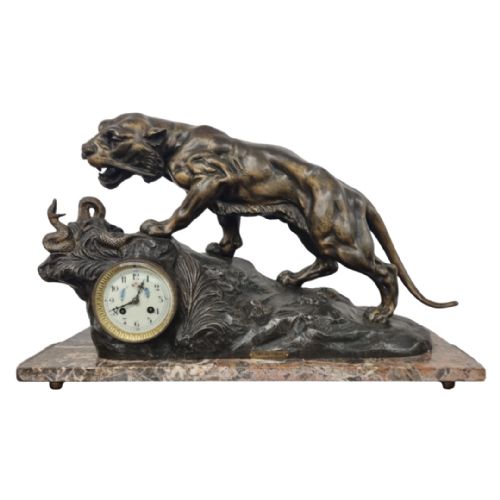
The forms range from large striking mantel clocks with animalier figures to miniature brass carriage clocks and goliath pocket watches. These pieces originated across England, France and Germany, reflecting diverse domestic interiors of the nineteenth and early twentieth centuries.
Materials and construction
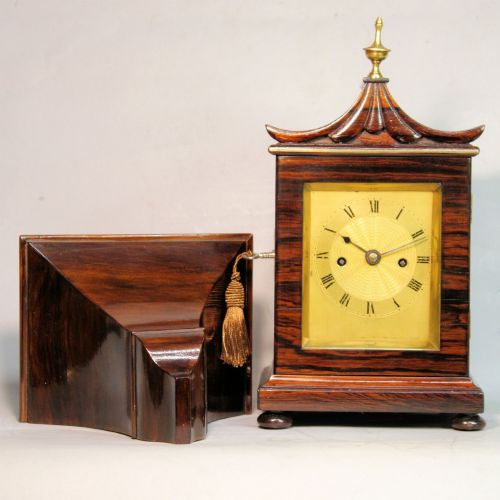
Maker workshops utilised brass, gilt ormolu, patinated bronze and heavy glass to build robust cases for intricate mechanical movements. Walnut and rosewood featured prominently in wooden mantel and bracket clock housings.
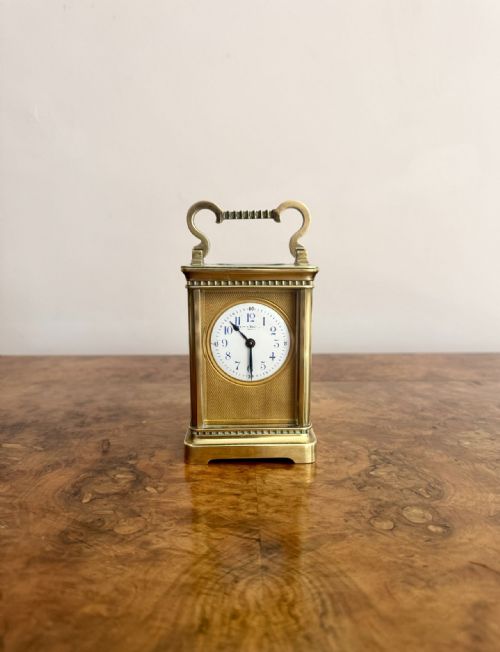
Enamel dials with delicate painted numerals sat behind protective glass bezels, driven by fusee, spring or pendulum mechanisms designed to keep precise time.
Turn of Century Clock Retail Price Guide 2026
Typical asking prices for turn of century clock among the pieces listed under this phrase on Sellingantiques today, from the lower quarter to the upper quarter. They describe what is for sale here now, not the wider market.
Some mantel clocks proudly display fierce bronze serpents and tigers coiled around the dial, proving that Victorian timekeeping had a wonderfully dramatic wild side.
What separates quality
The distinction between standard domestic timepieces and finer work lies in the execution of the case metals, the complexity of the movement, and the presence of signed dial plates. Heavy cast brass, crisp patination and detailed bronze sculpture mark out superior examples.
Makers who supplied high-end London retailers or operated renowned French and German workshops invested greater care in dial finishing and internal mechanical gear trains.
German H.A.C.·R Varnier·Howell and James·Samuel Marti et Cie·Henry Berkeley Square London
The Turn of Century Clock Glossary
- Carriage clock
- A portable spring-driven timepiece originally designed for travel, enclosed in a brass frame with glass panels. These typically feature folding handles and white enamel dials.
- Fusee movement
- A conical pulley mechanism that equalises the driving force of the mainspring as it unwinds, ensuring steady timekeeping. This denotes a higher standard of clockmaking.
- Strut clock
- A desk or table timepiece supported by a hinged prop or leg at the rear. These often display elaborate decorative frames in the manner of Thomas Cole.
- Crystal regulator
- A clock housed within a glass-panelled brass framework that reveals the pendulum and escapement from all sides. These French pieces gained popularity around 1900.
- Animalier
- A nineteenth-century artistic style depicting realistic animals, often cast in bronze as sculptural mounts on mantel clock cases.
Turn of Century Clock: Frequently Asked Questions
How do I wind a carriage clock?
Most turn of century carriage clocks use a double-ended key to wind both the time and strike trains through the back plate.
Take care not to over-wind the mainspring, stopping as soon as resistance increases.
What is a fusee movement?
A fusee is a conical pulley connected to the mainspring by a fine chain, designed to maintain even tension as the spring runs down.
This mechanical refinement ensures the clock keeps more accurate time throughout its running cycle.
Where were carriage clocks placed?
Carriage clocks sat upon mantelpieces, desks or bedside tables within nineteenth-century homes.
Their portable nature and protective glass cases allowed owners to move them between rooms with ease.
How do I identify French crystal regulators?
French crystal regulators feature heavy brass frames glazed on all four sides with bevelled glass to expose the mercury or pendulum mechanism.
These clocks date predominantly from around 1900 and house high-grade spring movements.