

Edwardian Wooden Clock
An Edwardian wooden clock brings domestic timekeeping into focus through warm timber cases and clear dials.
Edwardian Wooden Clock
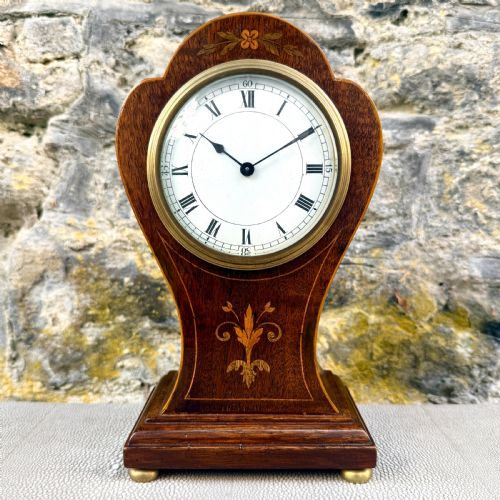
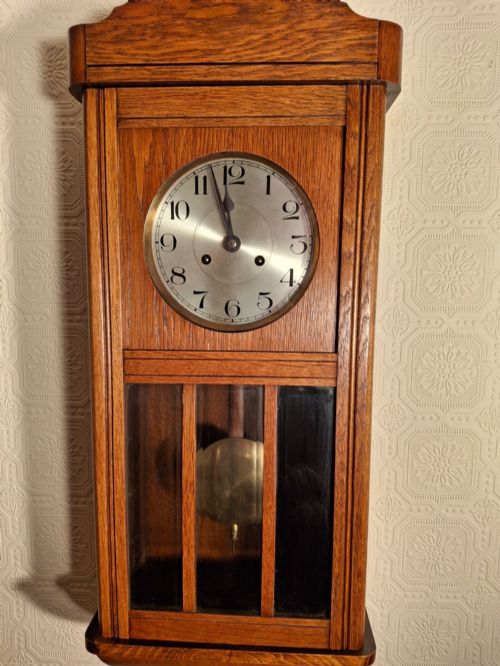
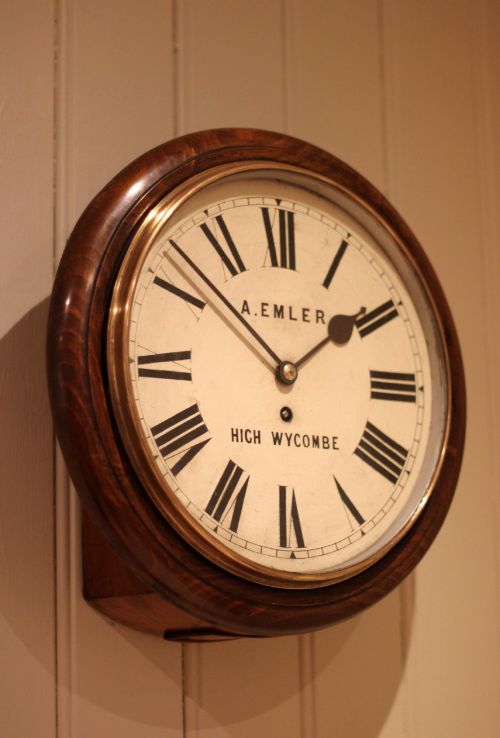
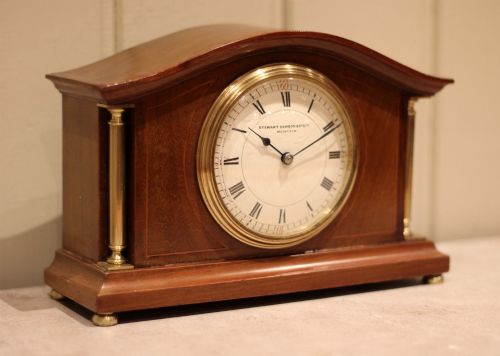
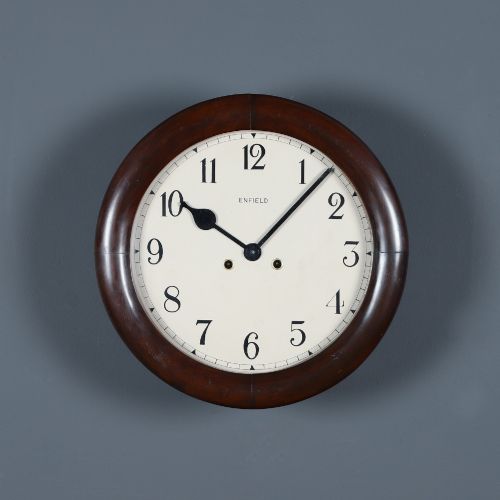
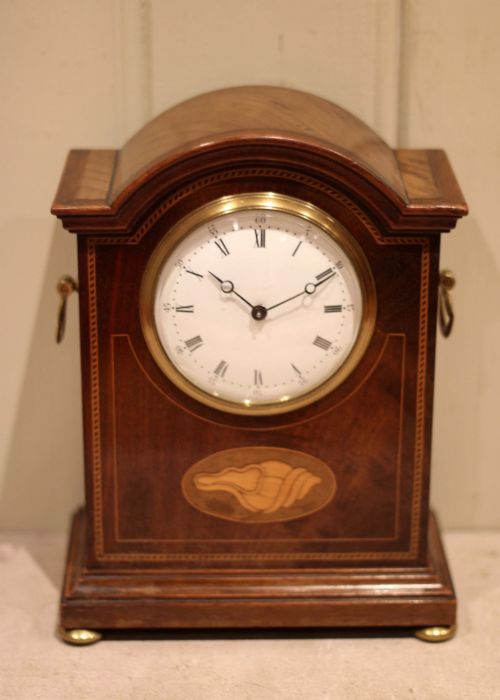
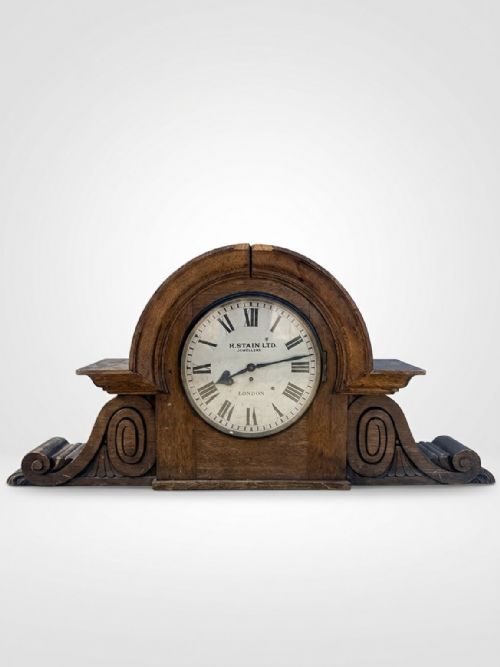
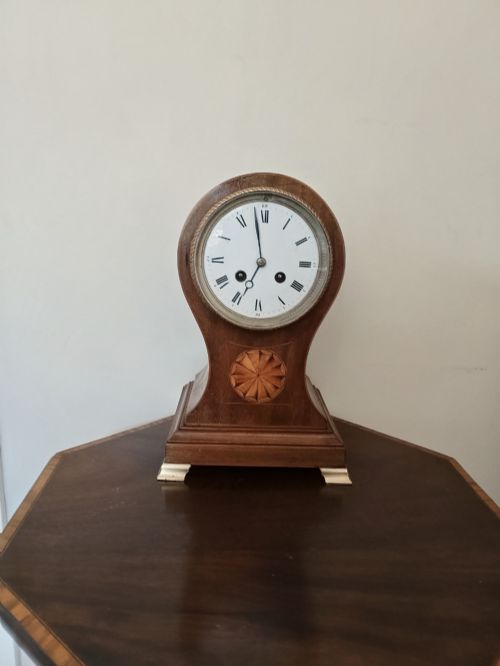
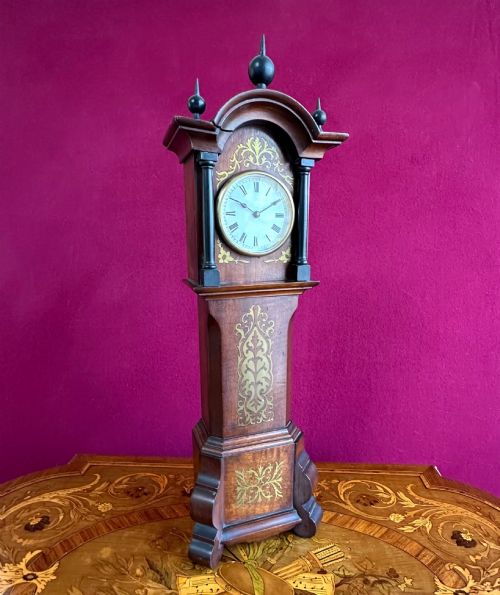
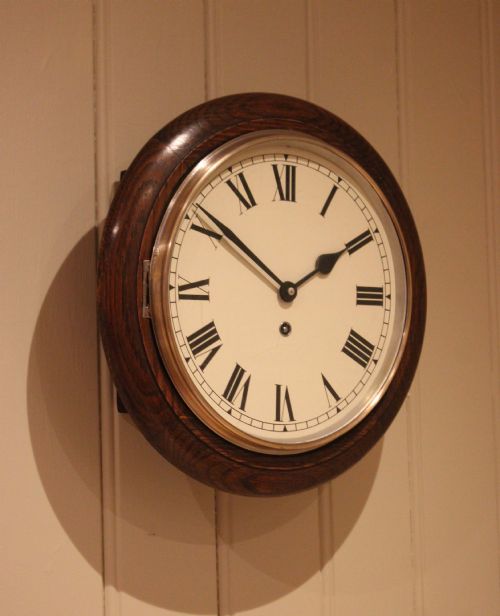
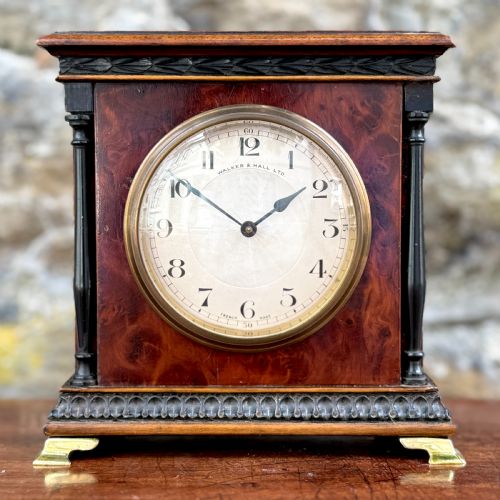
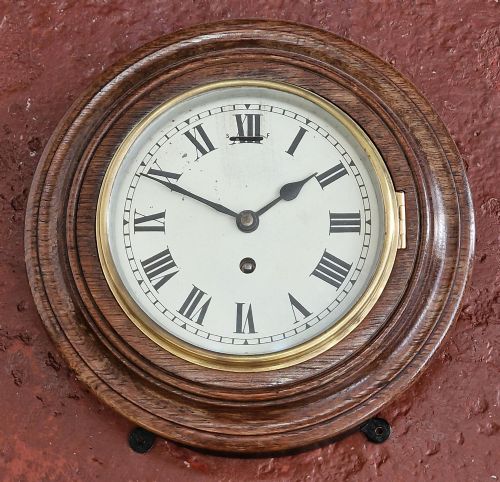
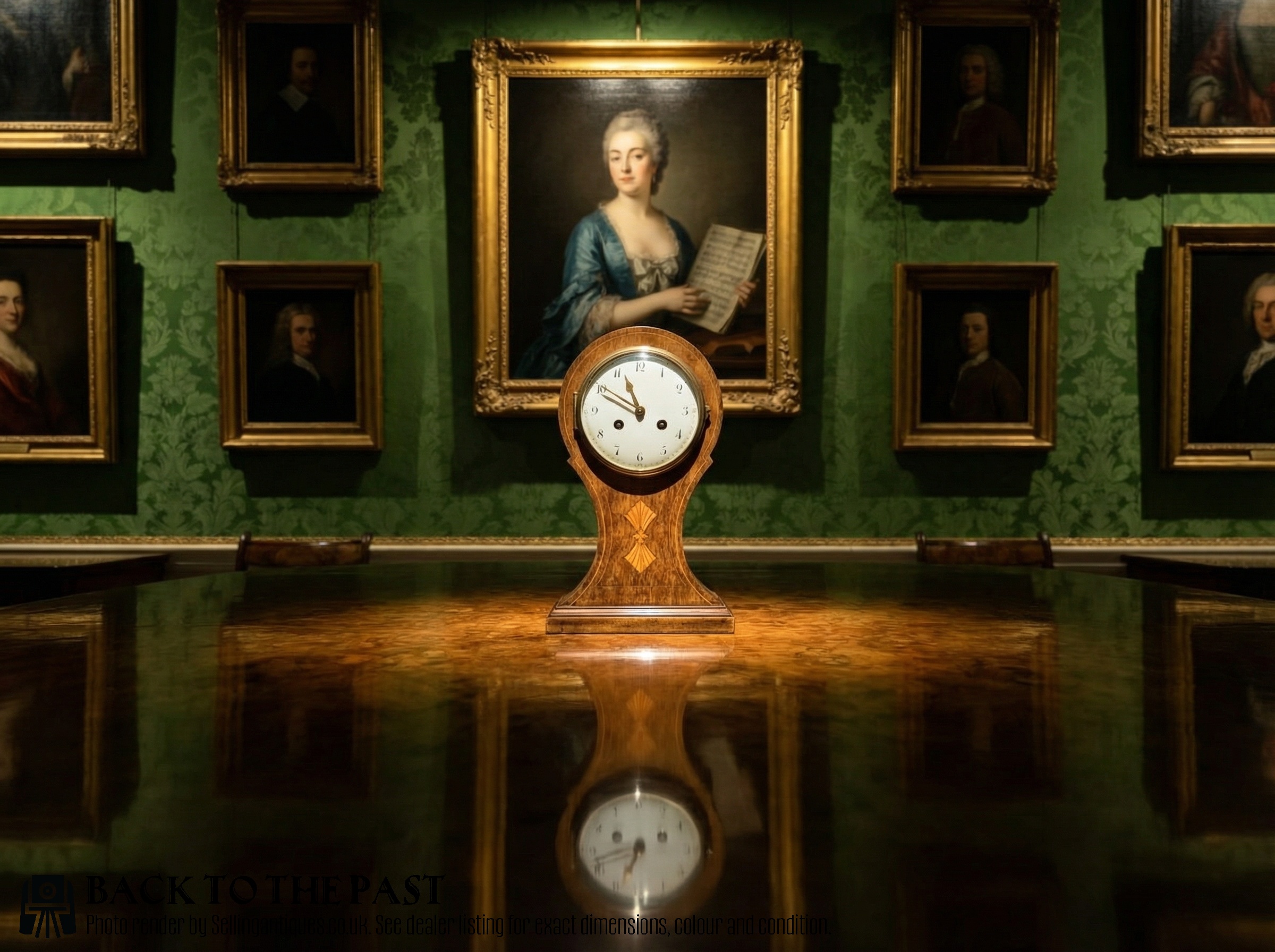
An edwardian wooden clock encompasses mantel, wall, and table timepieces housed in timber cases that span the turn of the twentieth century. These pieces appear primarily as mahogany or oak mantel clocks, alongside round dial wall clocks intended for domestic or institutional spaces.
What varies in quality
Quality rests in the crispness of cabinet work, the precision of timber figure in veneers, and the restraint of inlay details. Superior examples display balanced proportions and robust timber construction rather than excessive ornamentation.
The mechanical integrity of the movement and the legibility of the dial separate standard timepieces from finer productions. Original brasswork, undamaged enamel dials, and well-preserved maker signatures elevate a piece.
Listings feature oak, mahogany, and walnut timbers alongside brass and enamel components across Edwardian and Victorian periods.
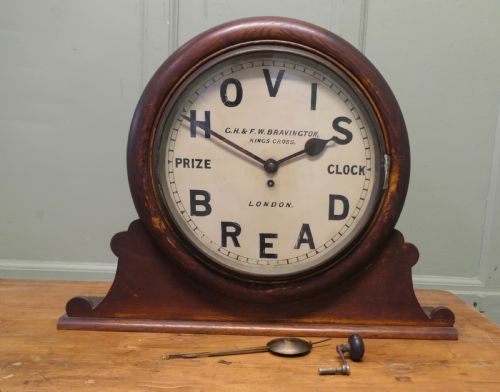
G.H.& F.W. Bravington London·Walker and Hall·D&J Wellby, London·Henry Lamb
The Edwardian Wooden Clock Glossary
- Fusee
- A conical pulley used in mechanical clocks to maintain even force on the gear train as the mainspring unwinds. This mechanism improves timekeeping accuracy across the duration of the wind.
- Mantel clock
- A portable timepiece designed to sit on a fireplace mantel or shelf. These domestic clocks rely on flat bases for stability.
- Dial clock
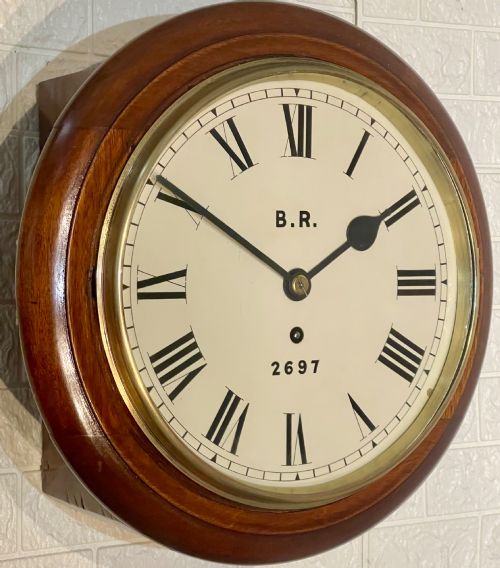
- A wall-mounted timepiece featuring a prominent circular face framed by a wooden surround. Railway companies and schools utilised these clear dials for public timekeeping.
- Bracket clock
- A portable table or shelf clock historically placed upon a dedicated wall bracket. Edwardian examples often feature arched wooden cases with carrying handles.
- Timepiece
- A mechanical clock that indicates the time without striking hours or quarters. These movements focus purely on visual time display.
Edwardian Wooden Clock: Frequently Asked Questions
How do I wind an edwardian wooden clock?
Insert the appropriate winding key into the dial arbours and turn gently until resistance increases. Avoid over-winding to protect the internal mainspring.
Ensure you support the wooden case if the movement requires opening from the back or base during maintenance.
Where should I place a wooden mantel clock?
Position the clock on a stable, level surface away from direct heat sources and damp environments. Mantel shelves and wooden sideboards provide ideal support.
Keep the timepiece out of direct sunlight to prevent timber fading and veneer drying over time.
What is the difference between a timepiece and a striking clock?
A timepiece simply measures and displays the hours and minutes without producing sound. These mechanisms focus purely on motion.
Striking clocks incorporate additional gear trains and hammers that sound the hours or quarters on gongs or bells.
How do I identify an edwardian dial clock?
Examine the timber frame, dial construction, and numeral style for indicators consistent with the turn of the twentieth century. Oak and mahogany surrounds predominate.
Look for original paper labels or maker stamps on the backboard or movement plates for confirmation.