


Edwardian Shelf Clock
These edwardian shelf clock pieces bring domestic timekeeping to mantelpieces and desks, pairing period cabinetwork with dependable mechanical movements.

Edwardian Shelf Clock
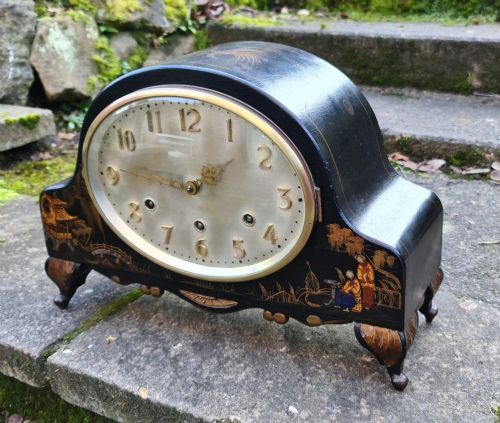
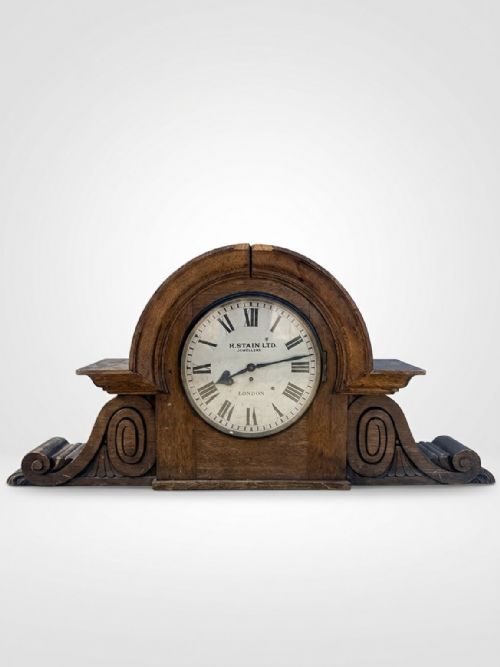
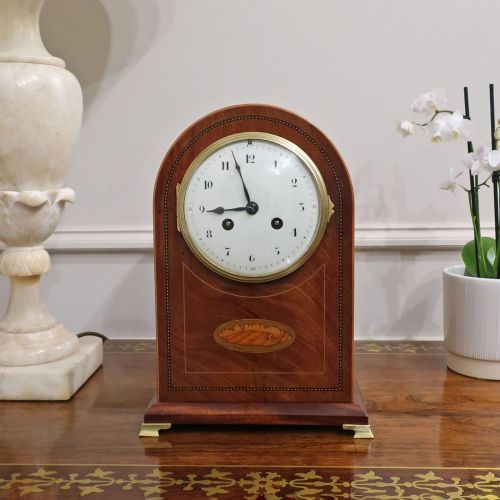
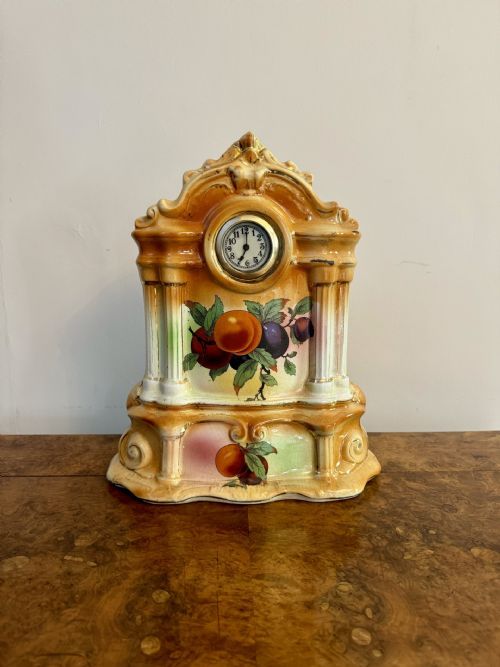
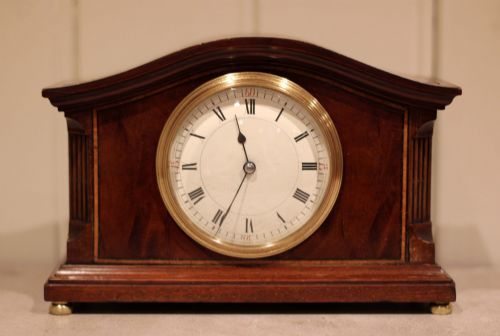
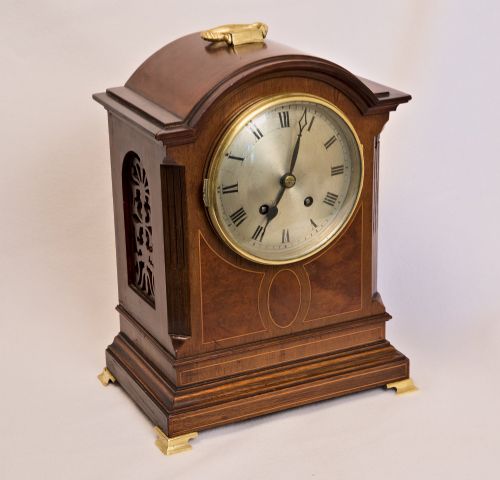
An edwardian shelf clock sits upon wooden furniture, taking the form of mantel clocks and smaller table clocks designed to measure hours in domestic rooms. Buyers meet examples styled in Edwardian, Art Nouveau, and Arts and Crafts aesthetics alongside earlier Victorian and French designs.
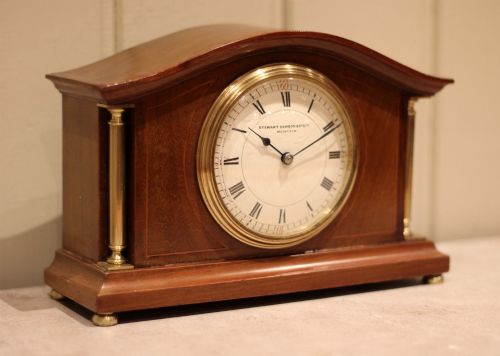
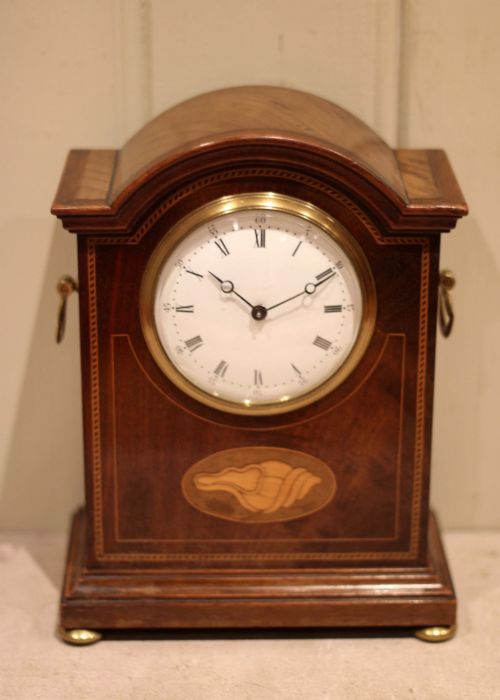
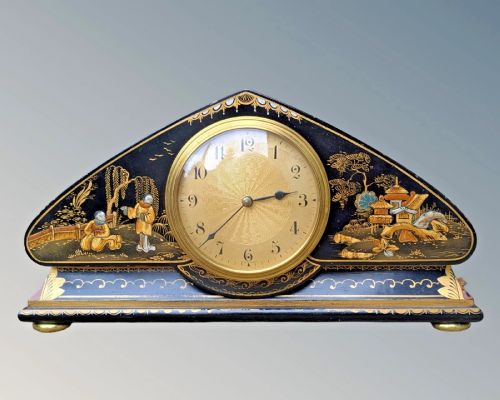
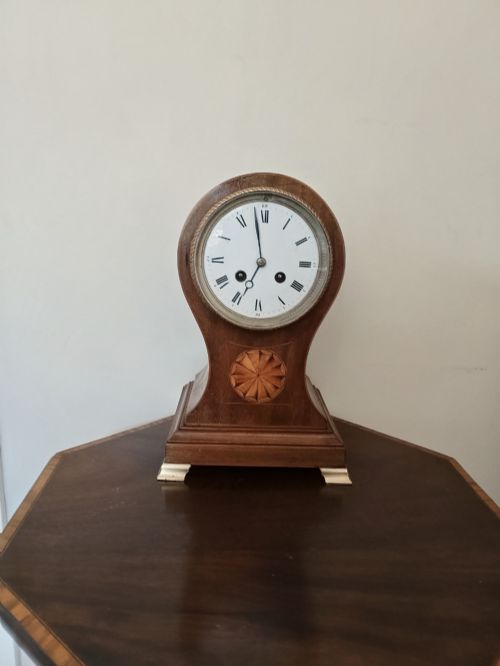
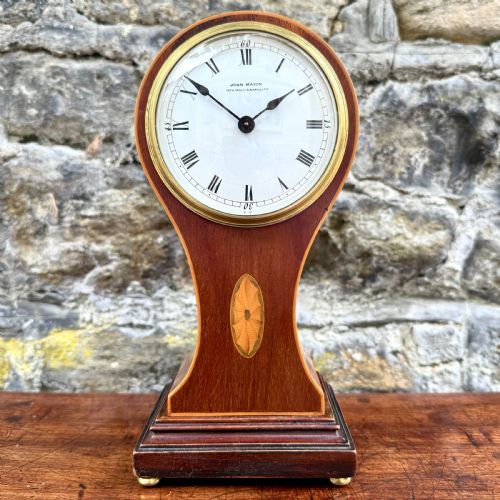
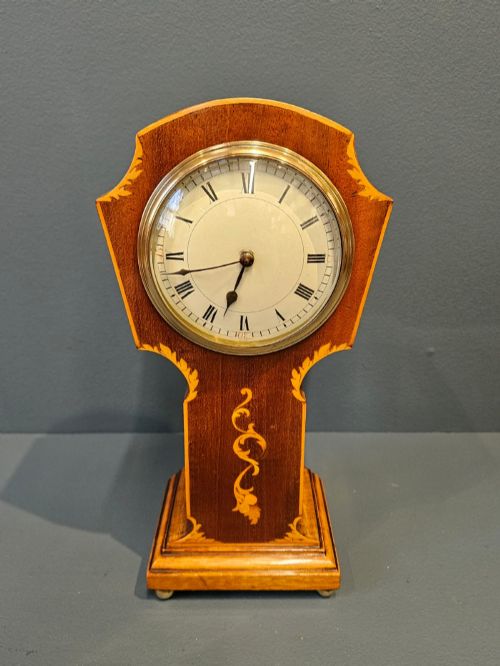
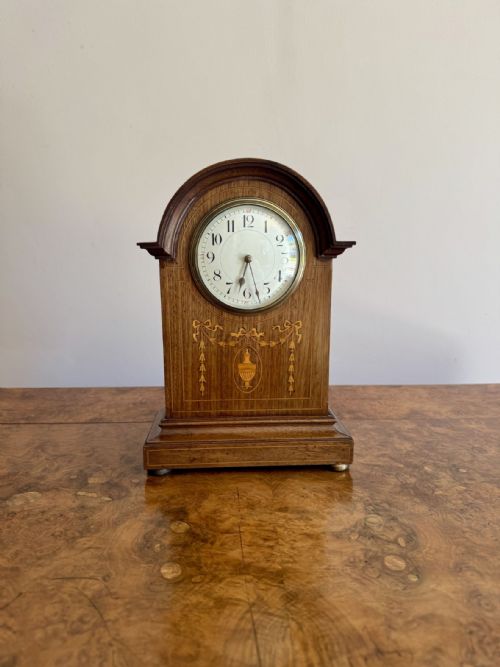
Mahogany forms the primary timber for these pieces, frequently enhanced with inlaid decoration, satinwood, or brass mounts. Architectural shapes range from simple rectangular boxes to delicate balloon silhouettes and lacquered bodies.
Origin points span English workshops, German movement makers, and French makers producing rouge marble and gilt bronze pieces. The selection blends domestic utility with period decorative arts.
How they were made
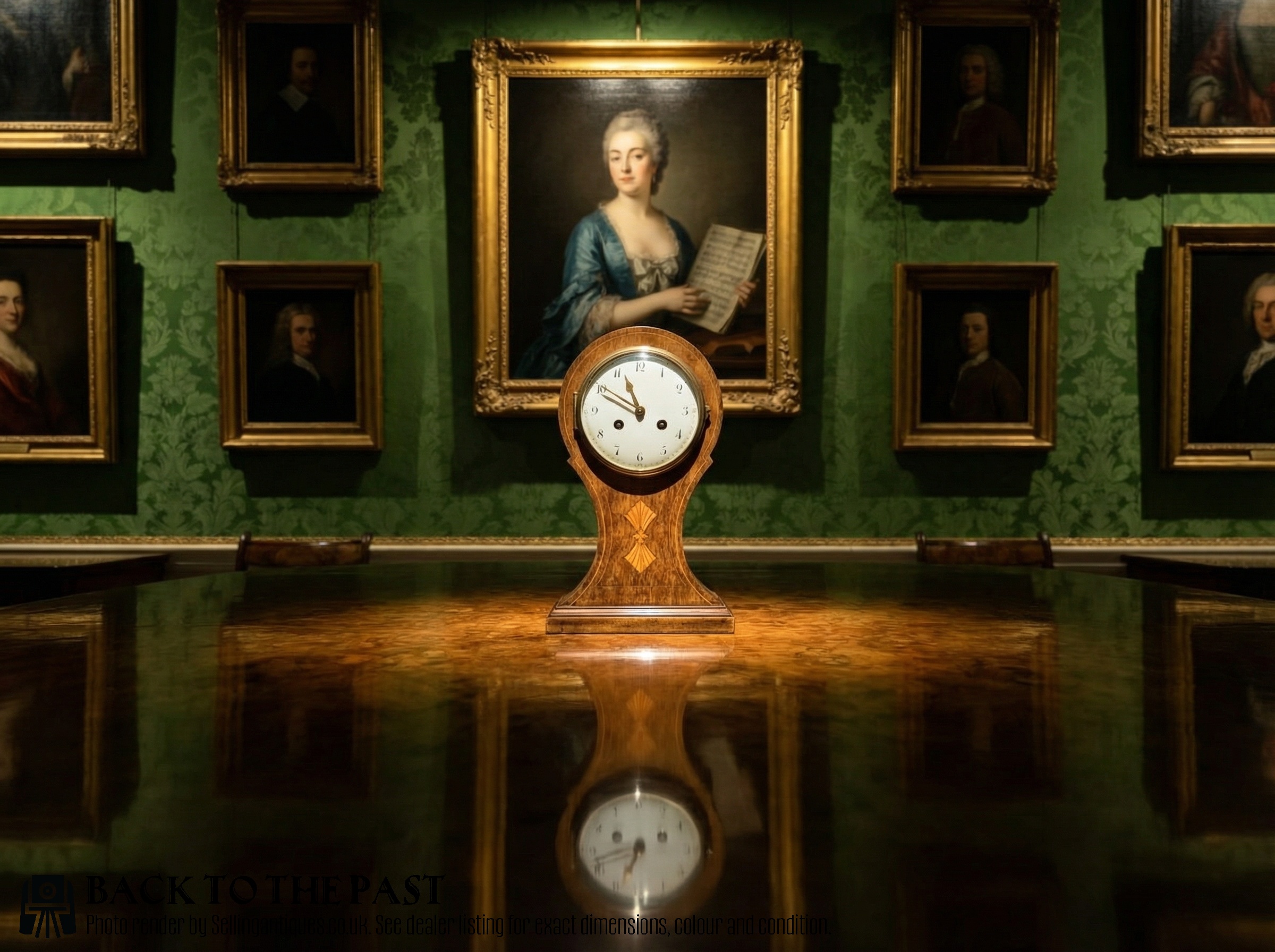
Cabinetmakers constructed the wooden cases using solid mahogany, walnut, and oak, frequently adding contrasting satinwood stringing and floral inlay. Enamel dials and brass bezels protect the clock face, while glass doors or panels reveal the interior pendulum.
Movements came from specialised factories, utilising brass gears and escapements driven by springs or weights. Some pieces incorporated pewter work and enamel plaques produced by designers working in metal.
Edwardian Shelf Clock Retail Price Guide 2026
Typical asking prices for edwardian shelf clock among the pieces listed under this phrase on Sellingantiques today, from the lower quarter to the upper quarter. They describe what is for sale here now, not the wider market.
Some Edwardian clock faces feature hand-painted poppies blooming across the timber, ensuring your timepiece tells the hours with floral cheer.
What varies in quality
The refinement of the cabinetwork separates standard production from superior pieces, evident in the precision of the wood inlays and the choice of timbers like figured mahogany. Cases decorated with hand-painted floral motifs or specialised metalwork by known designers command greater attention.
Movement origin and complexity also define the tier of a piece. German and French movements paired with robust striking mechanisms represent a higher standard of horological production than simpler domestic timepieces.
H.A.C.·Howell & James London·David Veasey for Liberty & Co·Junghans
The Edwardian Shelf Clock Glossary
- Balloon clock
- A mantel clock featuring a curved, bulbous top resembling a hot-air balloon. This silhouette proved particularly popular during the Edwardian period.
- Timepiece
- A clock that indicates the time without striking the hours or quarters. These movements rely solely on a go train without a strike train.
- Striking clock
- A mechanical clock that sounds bells or gongs to mark the passing hours. Many period examples utilise 14-day or 8-day movements.
- Inlay
- A technique where pieces of contrasting wood, such as satinwood, are inserted into depressions within the primary timber. This creates decorative borders and motifs on the clock case.
- Carriage clock
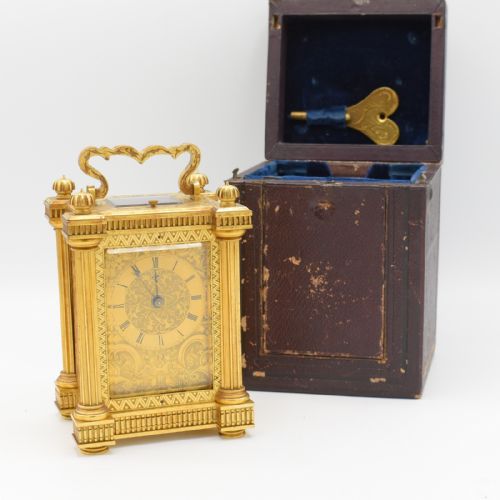
- A small, portable spring-driven clock featuring a handle and glass panels. They were originally designed for travel during the nineteenth century.
Edwardian Shelf Clock: Frequently Asked Questions
How do I wind my clock?
Most mechanical shelf clocks require a key to tension the internal springs via the winding holes on the dial. Turn the key gently until resistance is felt, avoiding over-winding.
Ensure you use the correct key size to prevent damage to the winding square. Regular, steady winding keeps the movement running reliably.
Where should I place my shelf clock?
Position the clock on a stable, level surface such as a mantelpiece, sideboard, or sturdy shelf. Vibrations from heavy footsteps or slamming doors can interfere with the pendulum beat.
Keep the piece away from direct sunlight and damp environments to protect the wood polish and internal metal components.
How do I set the correct time?
Advance the minute hand slowly in a clockwise direction until the correct time is reached. Avoid moving the hands backward on striking clocks, as this can jam the gear train.
Allow the clock to strike fully between hours if you pass a striking point while adjusting the hands.
How do I identify an Edwardian piece?
Edwardian clocks typically display light mahogany cases with delicate satinwood inlay, reflecting the decorative tastes of the early twentieth century. Art Nouveau and Arts and Crafts influences also appear frequently in this era.
Examine the style of the enamel dial and the construction methods inside the case to confirm the period.