

Antique Silver Clock
An antique silver clock brings portable precision and desk-bound elegance to a room, combining precious metal cases with delicate mechanisms.
What an antique silver clock is
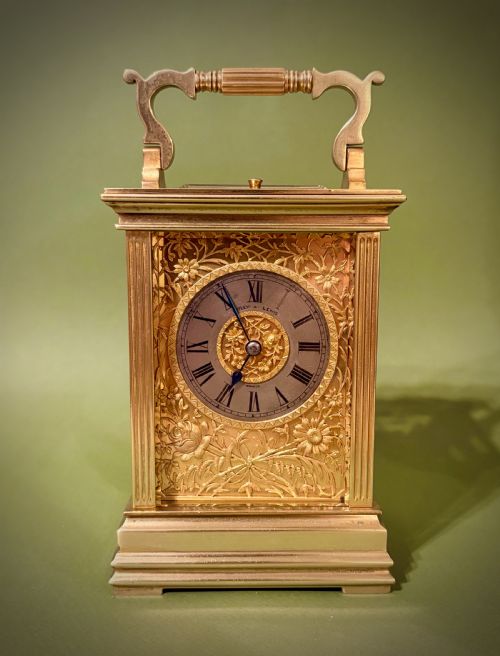
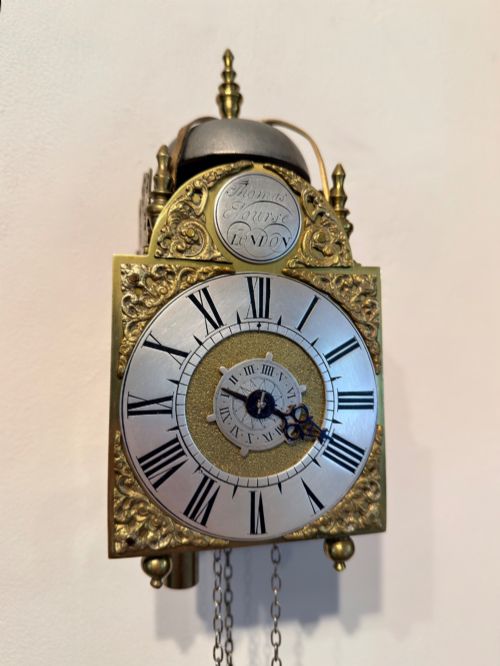
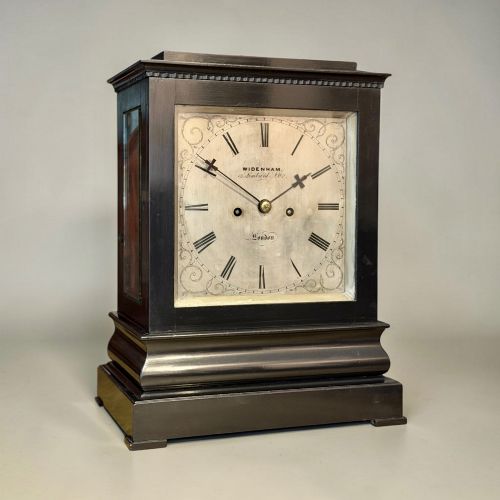
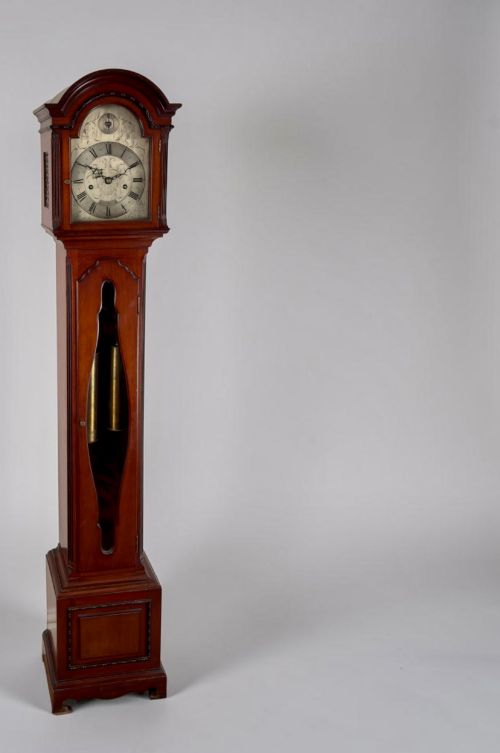
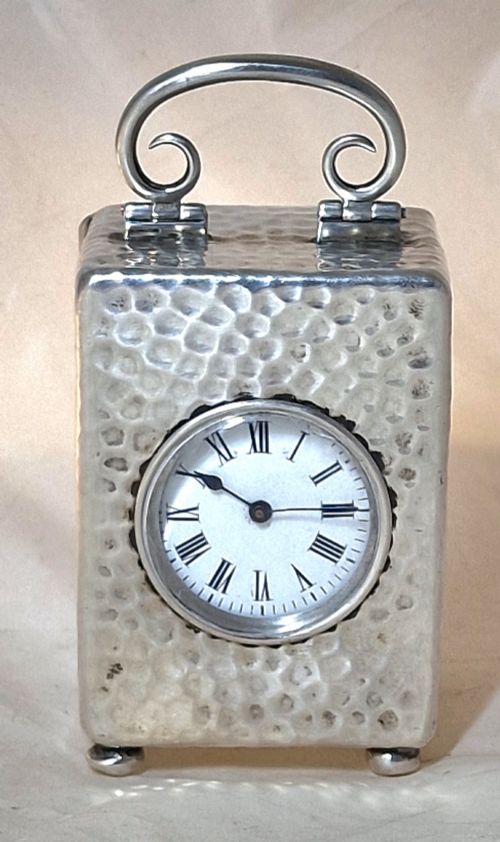
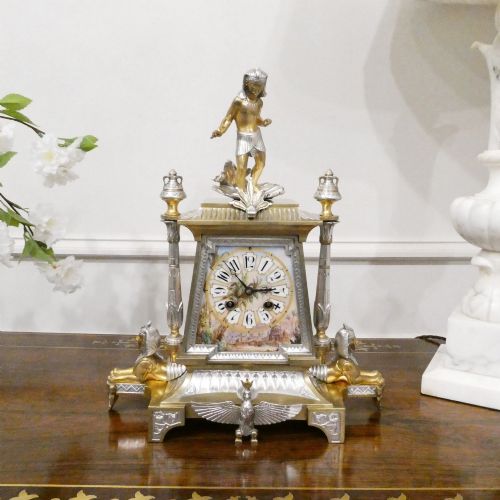
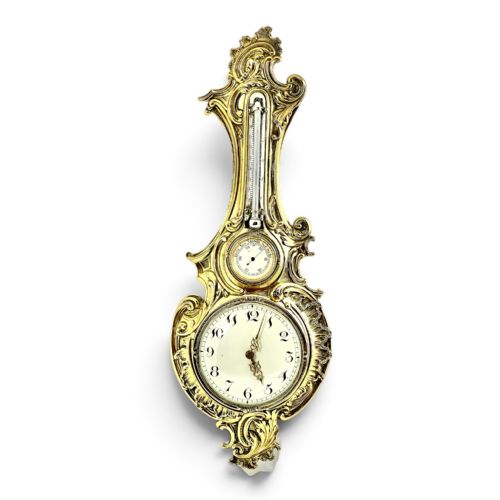
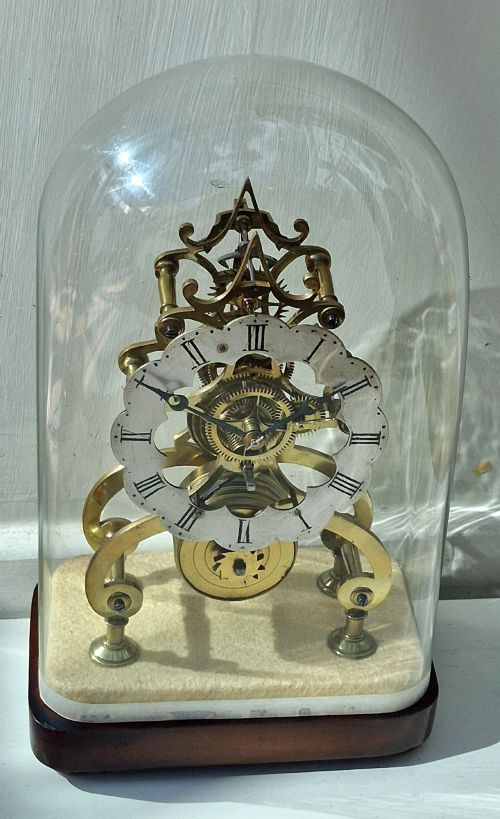
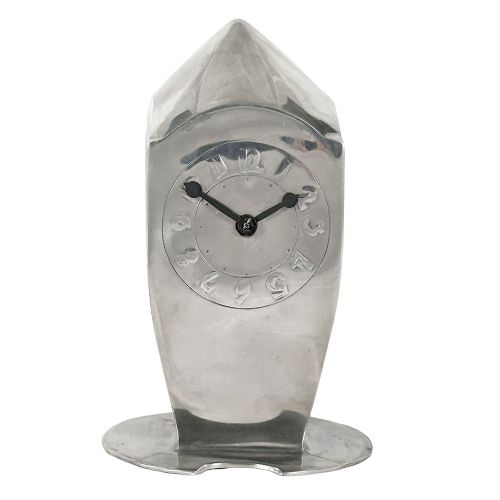
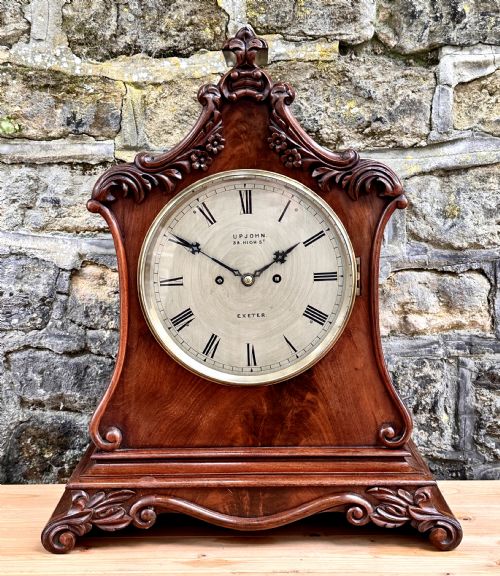
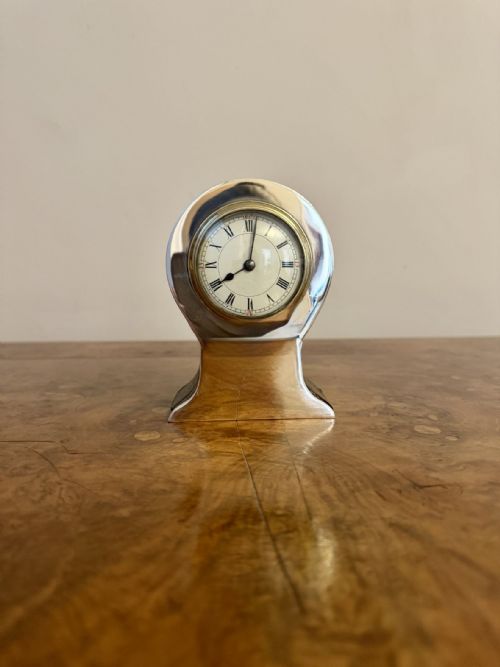
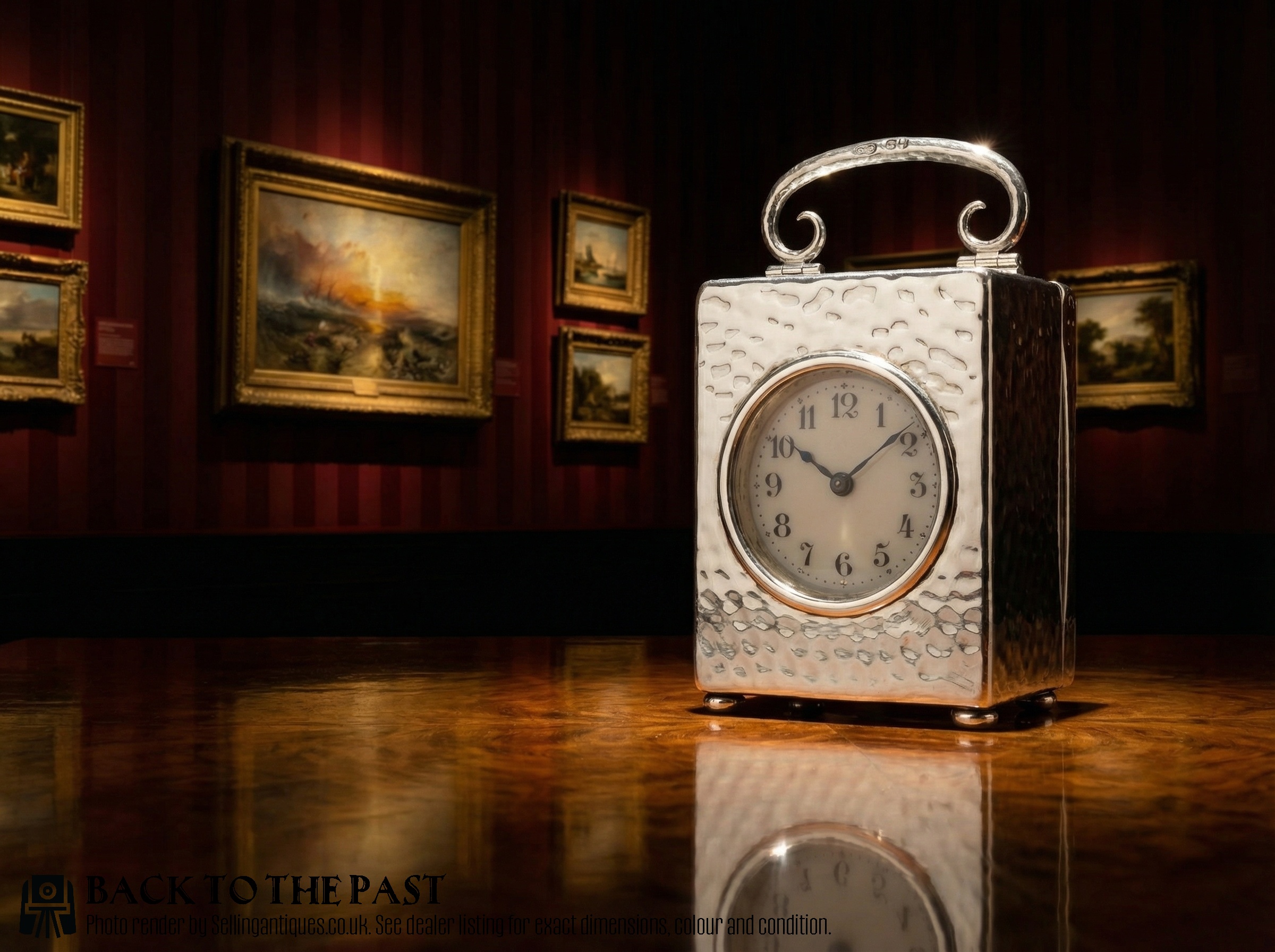
An antique silver clock is a timepiece housed within a silver or sterling silver casing, spanning forms such as carriage clocks, mantel clocks, and travel clocks. When searching for an antique silver clock, buyers encounter compact desk pieces and smaller boudoir designs alongside larger mantel pieces.
The surviving examples display the stylistic shifts of the late nineteenth and early twentieth centuries, moving from ornate Victorian and Edwardian aesthetics into clean Art Nouveau lines and Arts and Crafts simplicity. Most pieces on offer date from the Edwardian era and the surrounding decades.
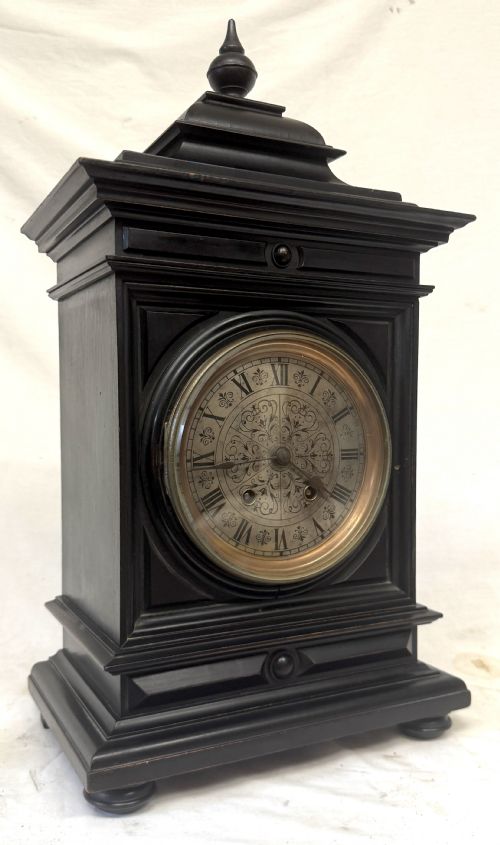
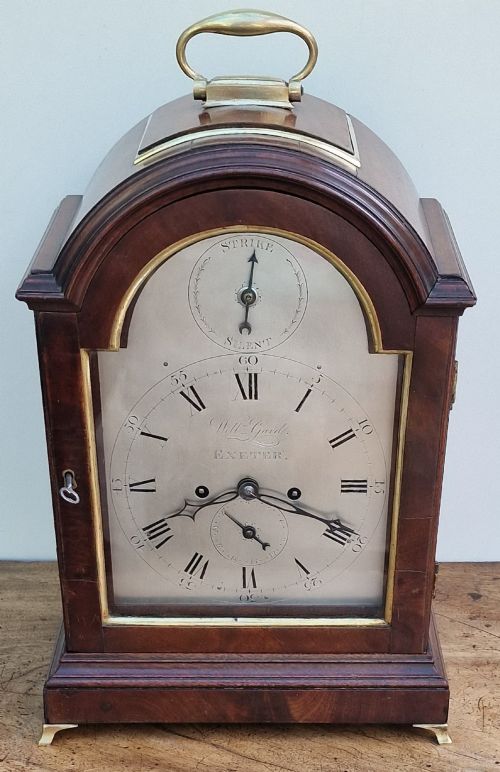
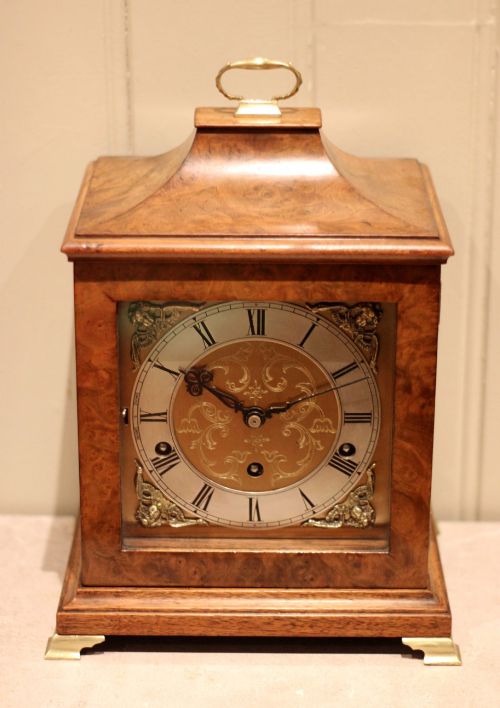
These timepieces serve practical desk and travel functions while functioning as decorative objects. The forms range from miniature carriage shapes intended for packing to larger architectural or mantel timepieces designed to anchor a room.
How they were made
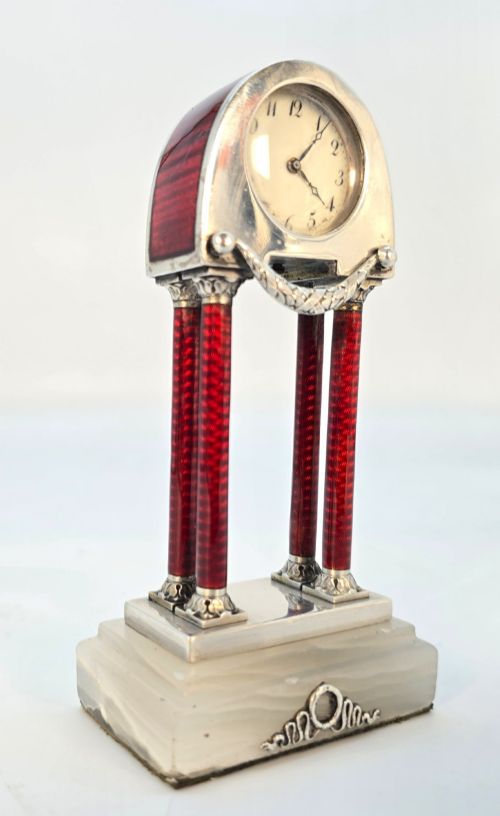
Maker workshops constructed the exterior cases from silver and sterling silver, frequently pairing the precious metal with internal brass frameworks, glass viewing panels, and wooden or leather protective backing. Some examples integrate enamel work, gilt metal, and semi-precious stones such as turquoise and garnets into the dial or case decoration.
Silversmiths utilised chasing, engraving, and cladding techniques to pattern the metal surfaces with floral motifs or geometric borders. Movement construction required specialised horological assembly, incorporating components like French movements, platform escapements, and travel-ready folding handles.
Retail Price Guide 2026
Typical UK retail prices for silver clock, calculated from the Sellingantiques database of over a million retail prices indexed since 2003. This retail price guide relies exclusively on Sellingantiques data; no external sources or auction records are used, so the figures do not describe the wider market.
Listings feature silver, sterling silver, glass, enamel, brass, and wood across Edwardian, Victorian, and Art Nouveau styles.
What varies in quality
The sophistication of the internal movement dictates the upper tier of the range, distinguishing standard timepieces from complex carriage clocks with platform escapements or specialised travel mechanisms. Enamel integrity and the preservation of original leather travel cases further elevate an individual piece.
Henry Matthews·Japy Freres·Royal Imperial Jewellers Clock Makers
The Antique Silver Clock Glossary
- Carriage clock
- A small, portable spring-driven clock originally designed for travel, typically featuring a rectangular brass and glass case with a carrying handle on top. These were popular among 19th-century travellers.
- Hallmark
- An official stamp applied to precious metals, indicating the purity of the silver, the assay office, and the year of manufacture. British pieces often display specific town marks and date letters.
- Enamel
- A glassy substance fused to metal surfaces through firing, used to add decorative colour to clock dials and outer cases. Blue enamel variants are particularly collectible.
- Timepiece
- A clock that indicates the time without striking hours or playing chimes. Many smaller desk and travel clocks are timepieces rather than full striking clocks.
- Sterling silver
- An alloy consisting of 92.5 percent silver by mass and 7.5 percent other metals, usually copper, ensuring structural durability for daily use items like clock cases.
Frequently Asked Questions
How do I wind a silver carriage clock?
Most antique carriage clocks utilise a small key inserted into the winding square on the backplate to tension the mainspring.
Care must be taken not to overwind the mechanism, stopping as soon as resistance is felt.
Where should I place a boudoir clock?
Boudoir clocks suit small tables, dressing tables, and writing desks where their detailed silver fronts remain visible.
Avoid positioning them in direct sunlight or areas with high humidity to protect internal components and enamel dials.
How do travel clocks differ from mantel clocks?
Travel clocks are built for portability, often featuring protective leather cases, folding handles, and smaller dimensions.
Mantel clocks are larger, heavier decorative items intended to remain stationary upon a shelf or fireplace mantel.
What maintenance do silver cases require?
Silver cases benefit from occasional gentle cleaning with a soft microfibre cloth to remove dust and retard tarnishing.
Harsh chemical dips must be avoided to prevent damage to integrated enamel panels, glass inserts, and delicate engraving.