
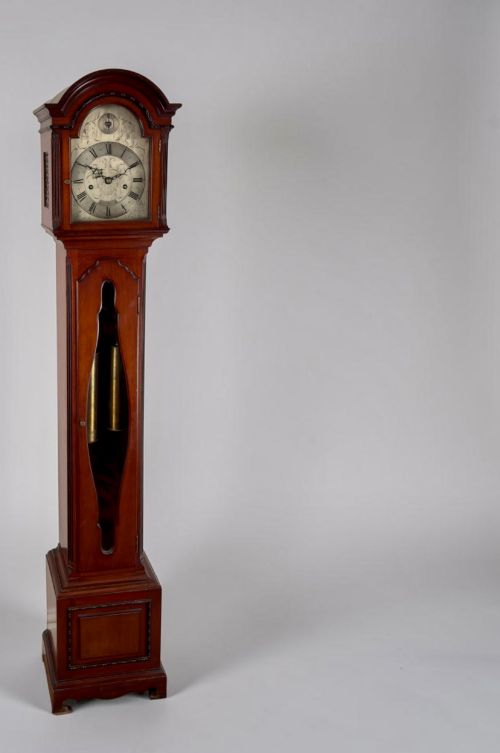
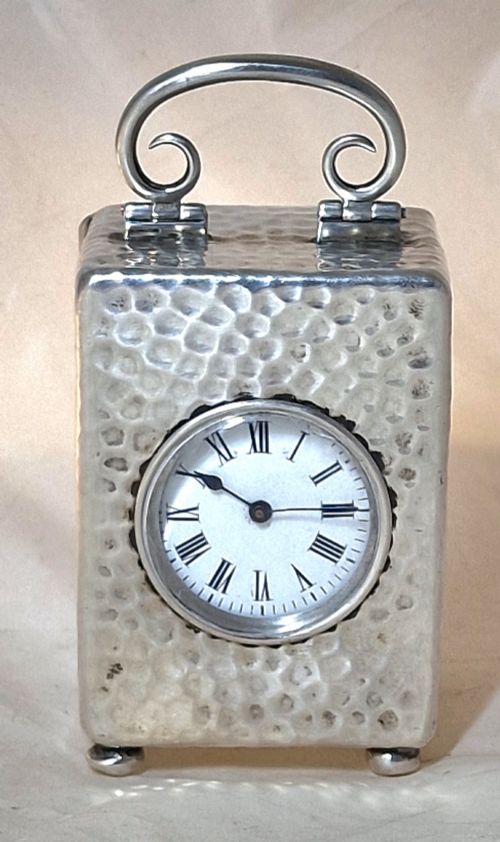
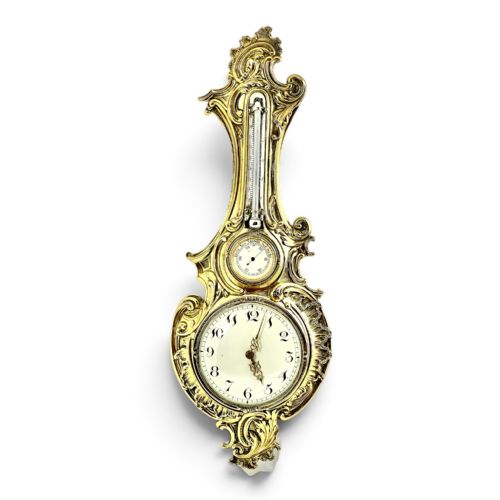
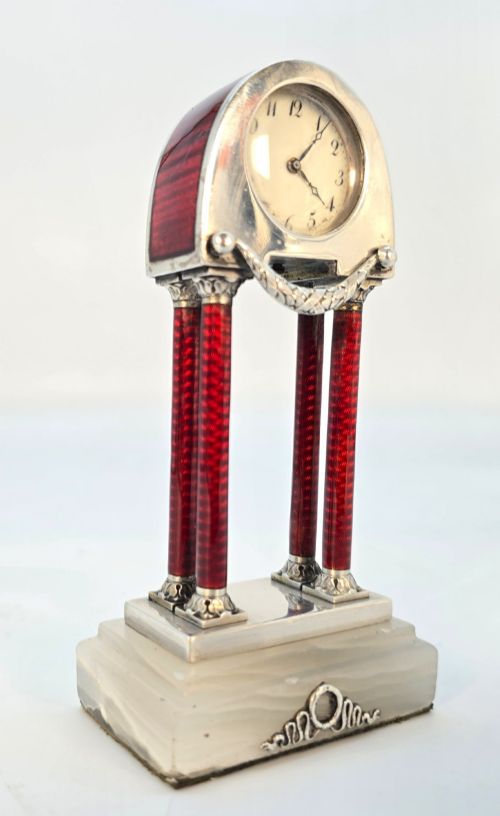




Edwardian Silver Clock
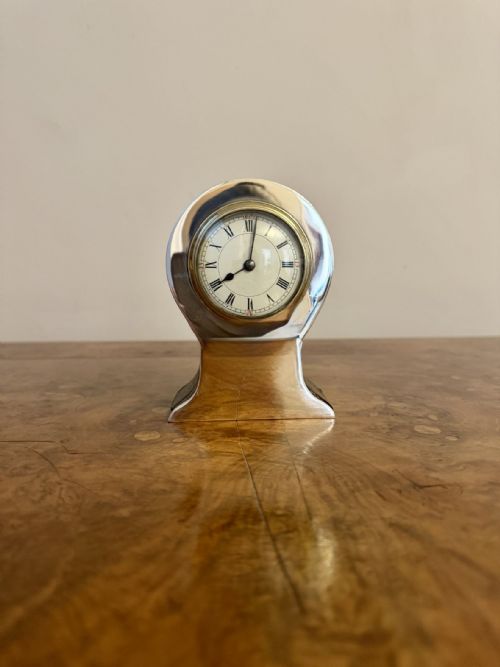
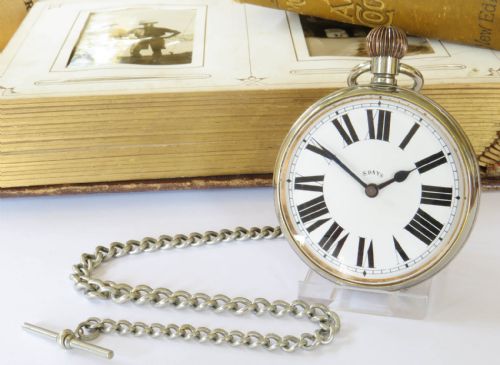
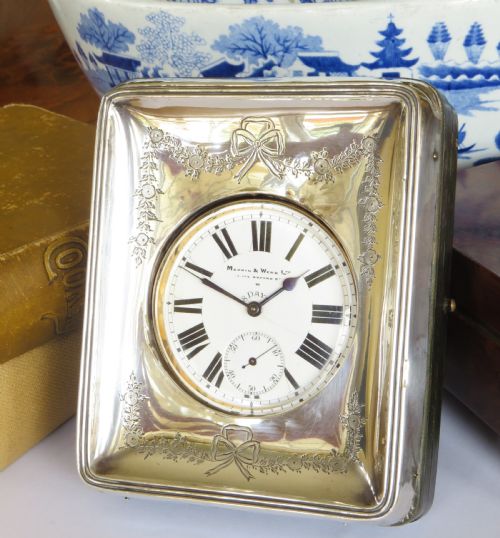
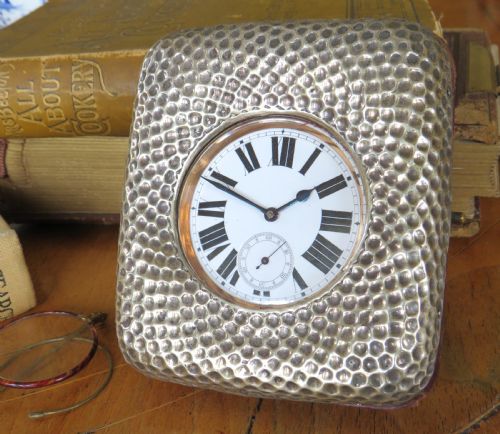
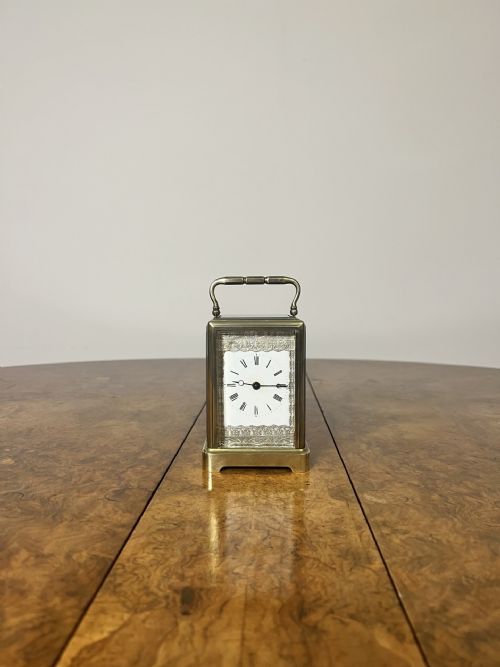
An edwardian silver clock brings the crisp mechanical precision of the early twentieth century into a room through polished metal and bevelled glass.

Edwardian Silver Clock
When searching for an edwardian silver clock, buyers encounter an array of portable timepieces, boudoir pieces, and mantel designs that reflect the domestic tastes of the early 1900s.
Carriage clocks dominate the selection, often housed in solid silver or silver-plated cases with visible escapements, alongside smaller desk timepieces and silver-fronted mantel designs.
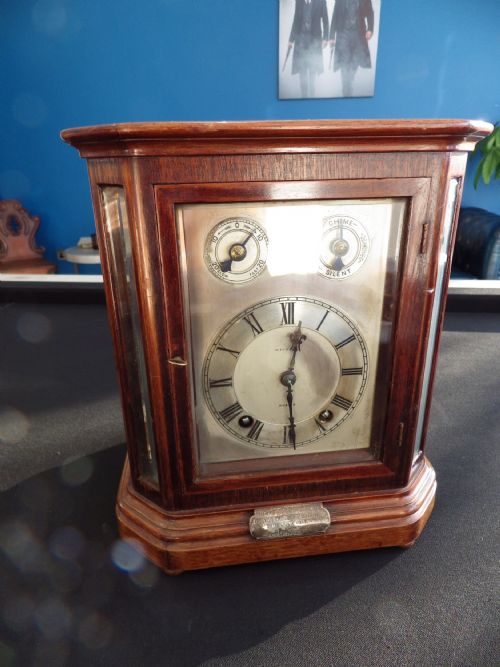
Many of these pieces combine sterling silver work with traditional materials like mahogany, oak, tortoise shell, or leather, spanning styles from straightforward Edwardian utility to decorative Art Nouveau and Belle Epoque curves.
Materials and construction
Makers constructed outer cases using solid sterling silver, silver gilt, or silver plating over brass, frequently pairing the metalwork with hardwood chassis such as mahogany and oak.
Dials incorporate silvered brass, white enamel with fine Arabic or Roman numerals, and occasionally colourful guilloche enamel work protected by heavy bevelled glass windows.
Internal movements rely on brass wheel trains and steel components, with platform escapements enabling accurate timekeeping in portable carriage and travel formats.
Edwardian Silver Clock Retail Price Guide 2026
Typical asking prices for edwardian silver clock among the pieces listed under this phrase on Sellingantiques today, from the lower quarter to the upper quarter. They describe what is for sale here now, not the wider market.
Listings feature silver, brass, mahogany, oak, glass, and enamel across Edwardian, Victorian, and Art Deco styles.
Assessing quality
The standard of a timepiece rests heavily on the crispness of the silversmith's chasing and the integrity of any applied enamel work, where sharp detail and smooth coloured surfaces distinguish finer workshops.
Mechanical execution separates standard production items from superior examples, visible in the precision of the escapement and the weight of the metal casing.
Originality of components, from the winding keys to the fitted leather travel cases, preserves the historical integrity of the piece.
Gillett And Johnston·Georg Adam Scheid·Mappin And Webb·David Veasey·William Comyns·J Batson And Son·Winterhalder And Hofmeier
The Edwardian Silver Clock Glossary
- Carriage clock
- A portable spring-driven timepiece originally designed for travelling by horse-drawn carriage. These feature glass panels on all sides to reveal the inner movement.
- Guilloche enamel
- A decorative technique where an intricate geometric pattern is mechanically engraved into metal and covered with translucent enamel. This creates depth and vibrant colour beneath the glassy surface.
- Fusee
- A conical pulley used in mechanical clocks to maintain even power delivery as the mainspring unwinds. This mechanism improves timekeeping accuracy across the power reserve.
- Sterling silver
- An alloy of silver containing ninety-two point five percent pure silver and seven point five percent other metals, usually copper. It provides structural durability while maintaining a bright metallic lustre.
- Portico desk clock
- A small architectural timepiece framed by columns or pillars. These decorative desk accessories often draw inspiration from classical building designs.
Edwardian Silver Clock: Frequently Asked Questions
How do I wind an antique carriage clock?
Most carriage clocks require a dedicated winding key inserted into the arbours on the backplate. Turn the key gently until resistance is felt, taking care not to overwind the mainspring.
Keep the clock upright during the winding process to avoid displacing the delicate balance wheel or platform escapement.
Were these clocks meant for travel?
Many smaller silver timepieces were specifically engineered as travel clocks, often supplied with custom leather outer cases for protection. Their robust lever platforms allowed them to keep accurate time while in motion.
Larger mantel variations remained stationary in domestic rooms, serving as functional centrepieces for desks and drawing-room mantels.
How do I tell an Edwardian clock from a Victorian one?
Edwardian silver timepieces generally favour lighter, airier aesthetics inspired by early twentieth-century tastes and Art Nouveau curves. Victorian examples often display heavier, more ornate Rococo revival ornamentation and darker wood housings.
Checking the hallmarked date letter on the silver case provides the definitive year of manufacture.
What is a platform escapement?
A self-contained assembly holding the balance wheel, hairspring, and lever escapement on a small metal plate. This innovation allowed clocks to operate reliably in any orientation without requiring a swinging pendulum.
It forms the mechanical heart of portable carriage clocks and miniature desk timepieces.