


Silver Table Clock
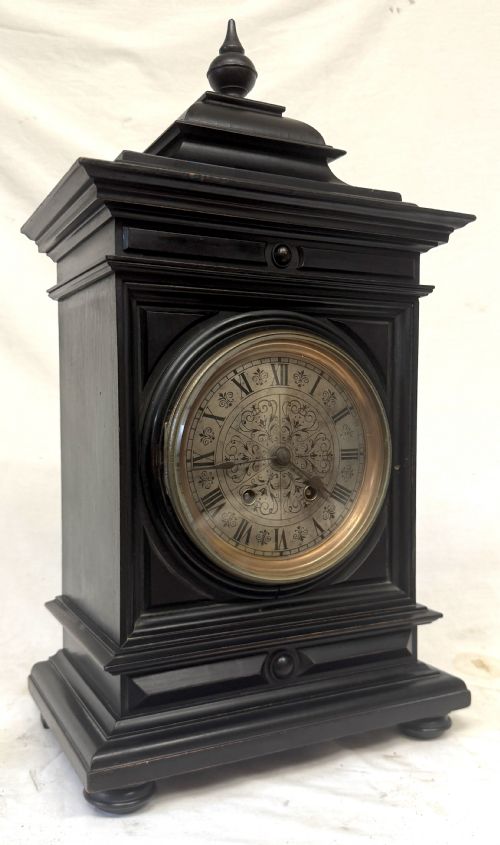
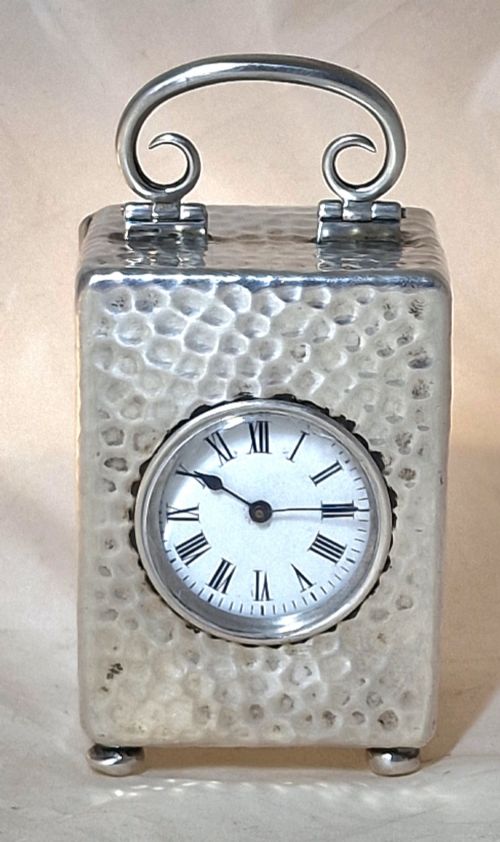
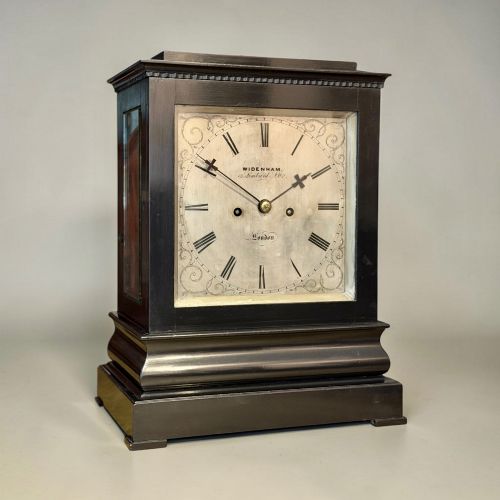
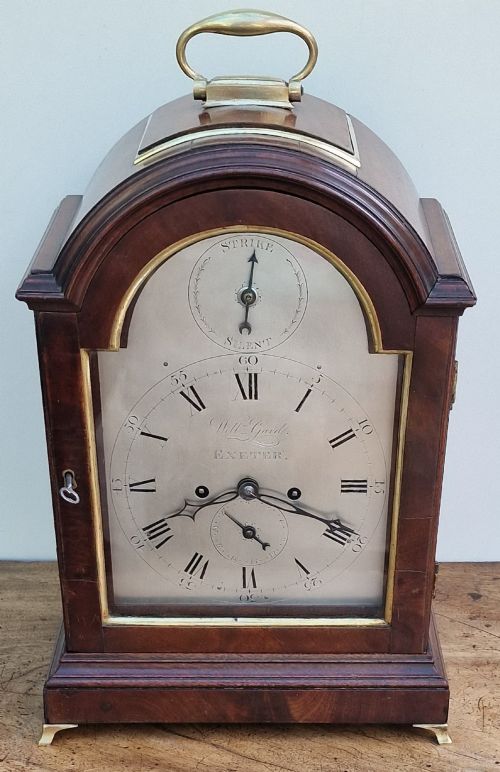
When you search for a silver table clock, you are looking at timepieces cased in silver or fitted with silvered dials from periods spanning the Georgian era to the Art Deco years.

Silver Table Clock
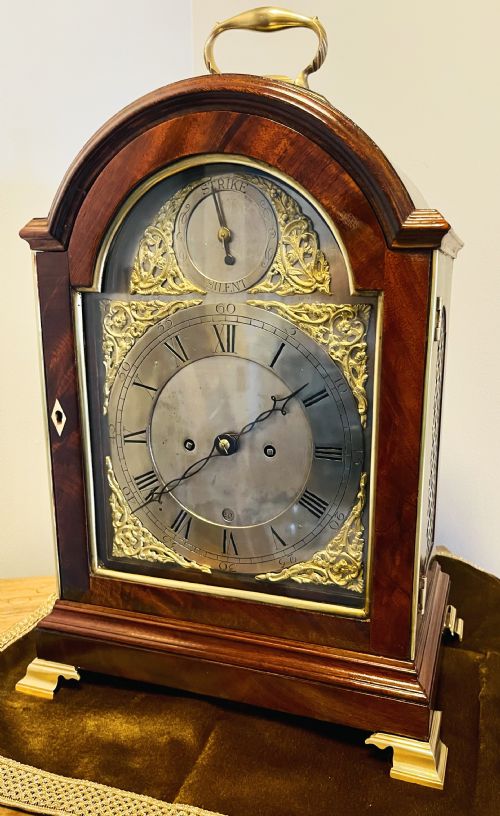
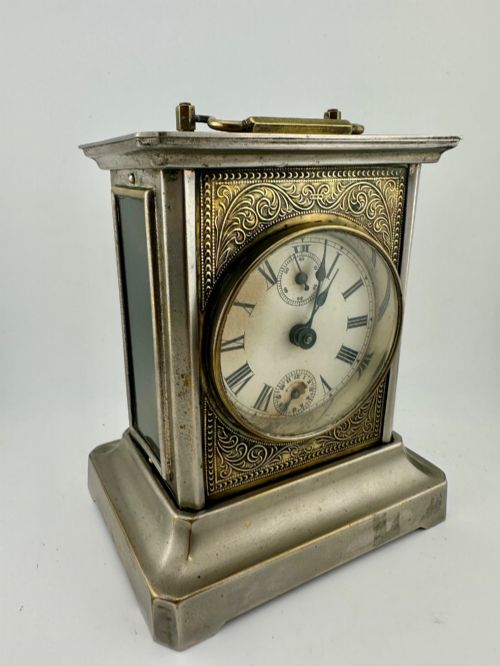
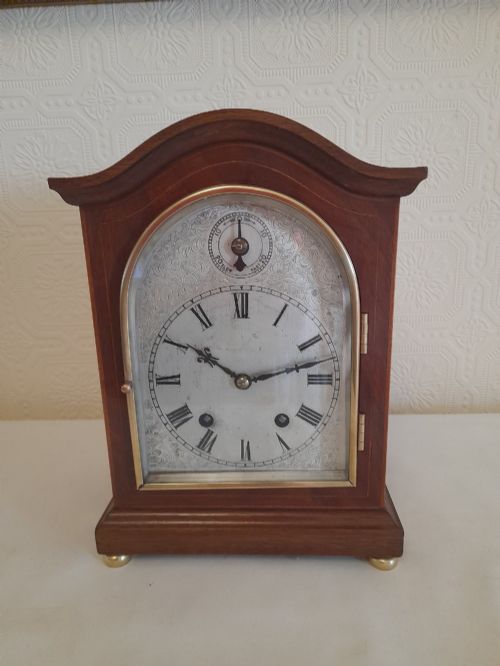
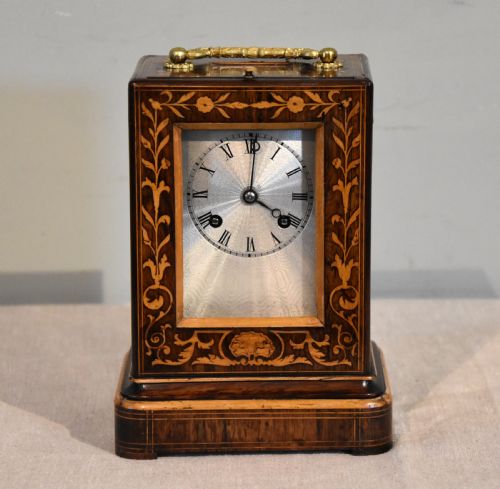
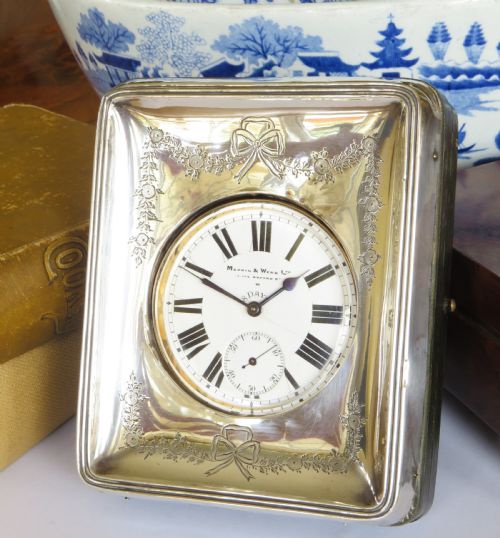
A silver table clock encompasses a varied selection of timepieces designed for desks, mantels, and dressing tables. When exploring this phrase, buyers encounter forms ranging from miniature carriage clocks and pocket travel clocks to larger bracket and mantel pieces.
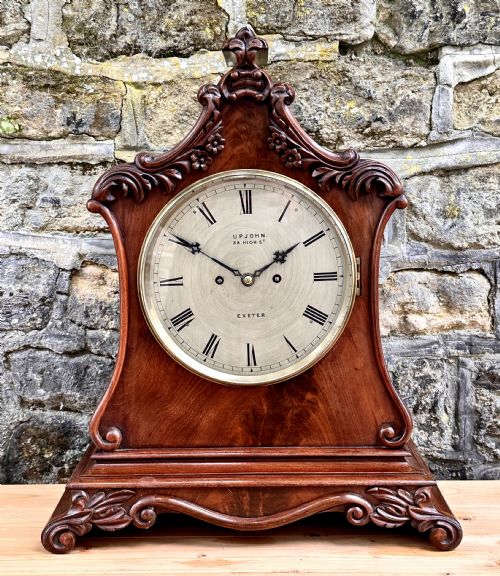
The objects originate from diverse eras, including Georgian, Victorian, Edwardian, and Art Deco periods. Many examples combine silver cases or silvered metal dials with mahogany, brass, glass, and enamel structures.
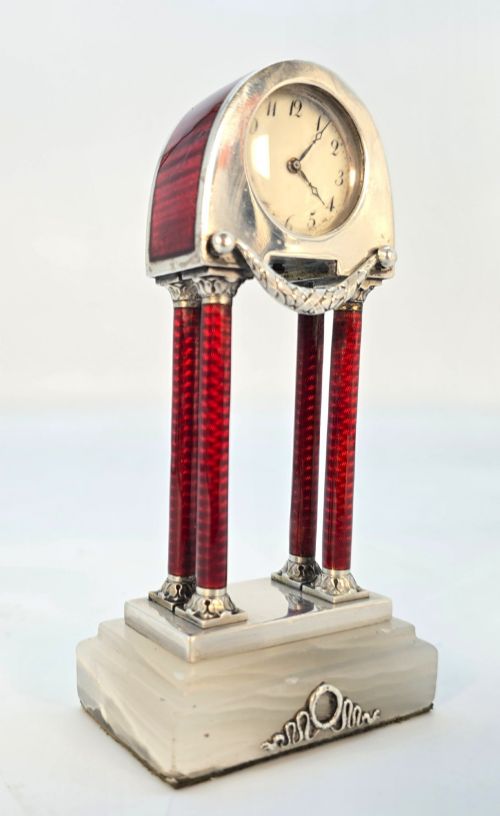
Makers and retailers such as Mappin & Webb, Liberty & Co, and various London watchmakers populate the offerings. Buyers will find both English and continental works, including Viennese portico desk clocks and French carriage clocks.
Materials and Construction
Makers constructed the bodies of these clocks from solid silver, silver plate, brass, chrome, and various timbers such as mahogany, rosewood, and ebony. Dial construction frequently utilised silvered metal, enamel, and glass panels to expose internal movements like skeleton mechanisms.
Enamelling, gilding, and abalone inlay appear alongside hand-carved wood cases and cast metal mounts. Movements rely on traditional mechanisms, including fusee drives, eight-day springs, and specialised escapements.
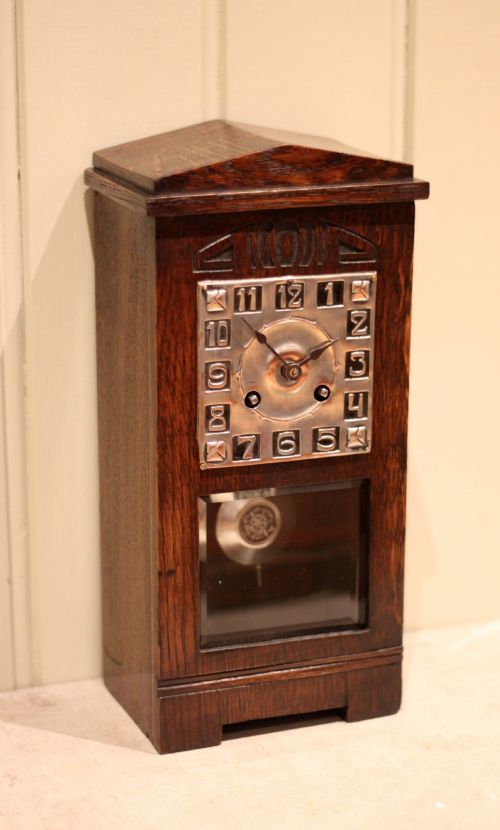
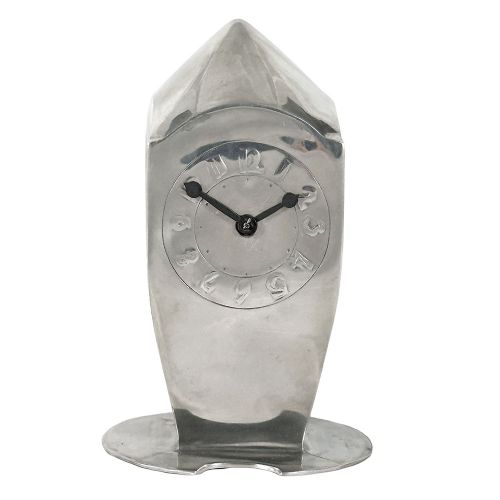
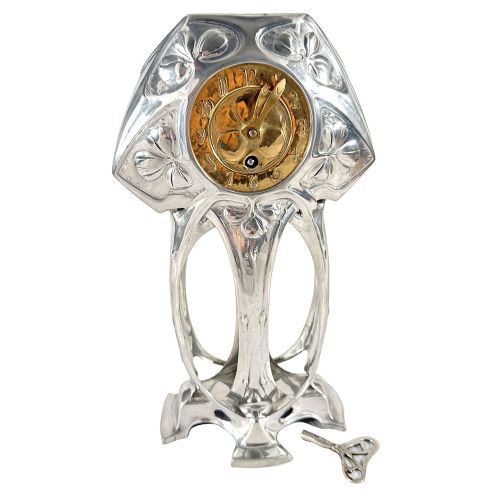
Pewter and specialised alloys found use during the Arts and Crafts and Art Nouveau periods, shaped by designers such as Archibald Knox and Friedrich Adler. Cases often incorporate bevelled glass panels and hinged travel cases.
Silver Table Clock Retail Price Guide 2026
Typical asking prices for silver table clock among the pieces listed under this phrase on Sellingantiques today, from the lower quarter to the upper quarter. They describe what is for sale here now, not the wider market.
Listings feature silver table clocks spanning the seventeenth century through to the Art Deco period, utilising mahogany, ebony, brass, and glass.
Distinctions in Quality
The caliber of a silver table clock rests upon the intricacy of its movement, the weight and assay marks of its silver casing, and the precision of its dial work. Finer examples exhibit hand-engraved backplates, fully signed movements by recognised makers, and robust framing.
Material selection and decorative execution further divide standard production pieces from masterworks. The integration of high-grade enamel, matched timber veneers, and specialised components like fusee movements elevate the status of an individual clock.
Widenham of London·Lenzkirch·Mappin & Webb·Archibald Knox·Liberty & Co·Georg Adam Scheid·Smiths Clockmakers·Mauthe·Richard Winter·Friedrich Adler·Osiris·David Veasey·Thwaites of London·William Comyns·Walker·Dent·John Pepys·William Speakman·Bryson·Howell & James·J Batson & Son·Perigal of London
The Silver Table Clock Glossary
- Silvered metal
- A brass or copper dial treated with a silver compound to produce a bright, reflective metallic surface. This technique was widely used on clock faces to ensure high legibility.
- Skeleton clock
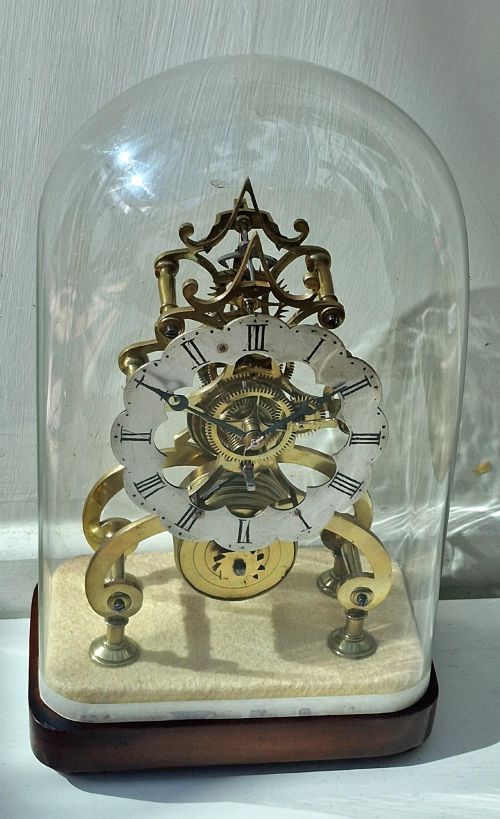
- A timepiece designed with an open frame that exposes the gear train and movement to full view. These pieces are typically protected by a glass dome.
- Carriage clock
- A small, spring-driven timekeeper equipped with a carrying handle, originally built for travel by coach. Many feature glass panels on all sides to display the escapement.
- Fusee
- A conical pulley used in mechanical clocks to equalize the diminishing power of the mainspring as it unwinds. This mechanism improves timekeeping accuracy.
- Bracket clock
- A portable table clock historically placed on a wall bracket or table surface. They often feature striking or chiming mechanisms housed in wood or metal cases.
Silver Table Clock: Frequently Asked Questions
How do I wind an antique table clock?
Most mechanical pieces require a specific winding key matched to the arbour square of the spring barrel. Turn the key gently until resistance indicates the mainspring is fully tensioned.
Avoid over-winding, as this can damage the internal gear train or snap older steel springs. Consult the specific movement type before applying force.
Where should I place a silver table clock?
Position the timepiece on a stable, level surface away from direct sunlight and extreme temperature fluctuations. Wooden mantelpieces or heavy desks provide ideal support for dampening vibrations.
Keep clocks away from exterior doors and damp areas to protect both the silver casing and the delicate internal steel components.
What indicates the period of a silver table clock?
Hallmarks on the silver components provide reliable date letters and assay office symbols for English pieces. Stylistic cues such as Art Deco geometric forms or Victorian Gothic framing also help determine the era.
Movement architecture, signature styles, and case woods offer additional clues when hallmarks are absent or worn.