
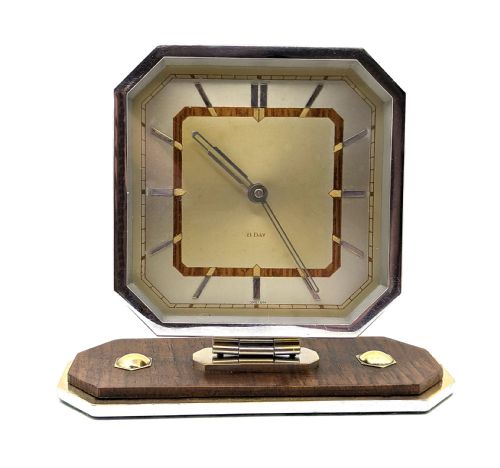


Chrome Desk Clock
A chrome desk clock brings the bold, industrial lines and polished optimism of the interwar years straight onto a working surface.
Chrome Desk Clock
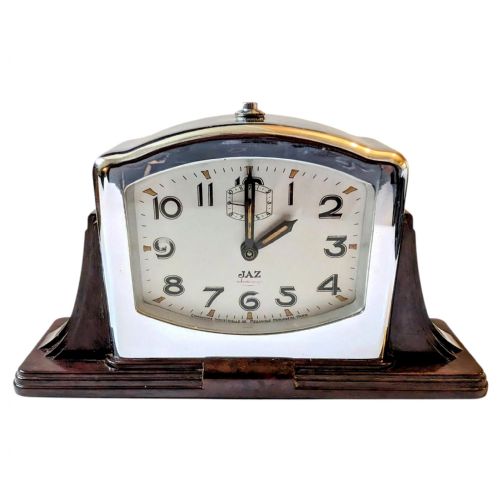
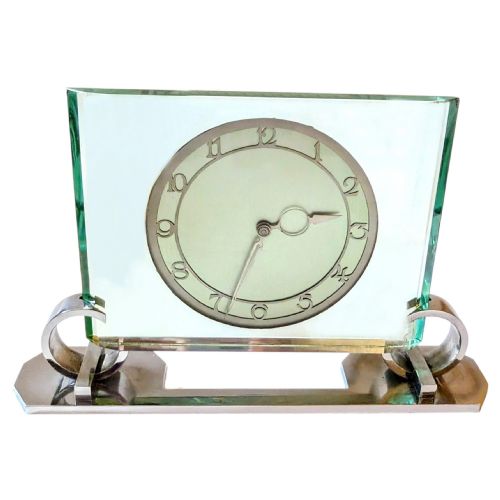
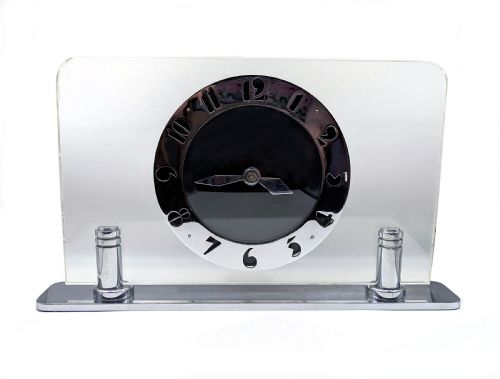
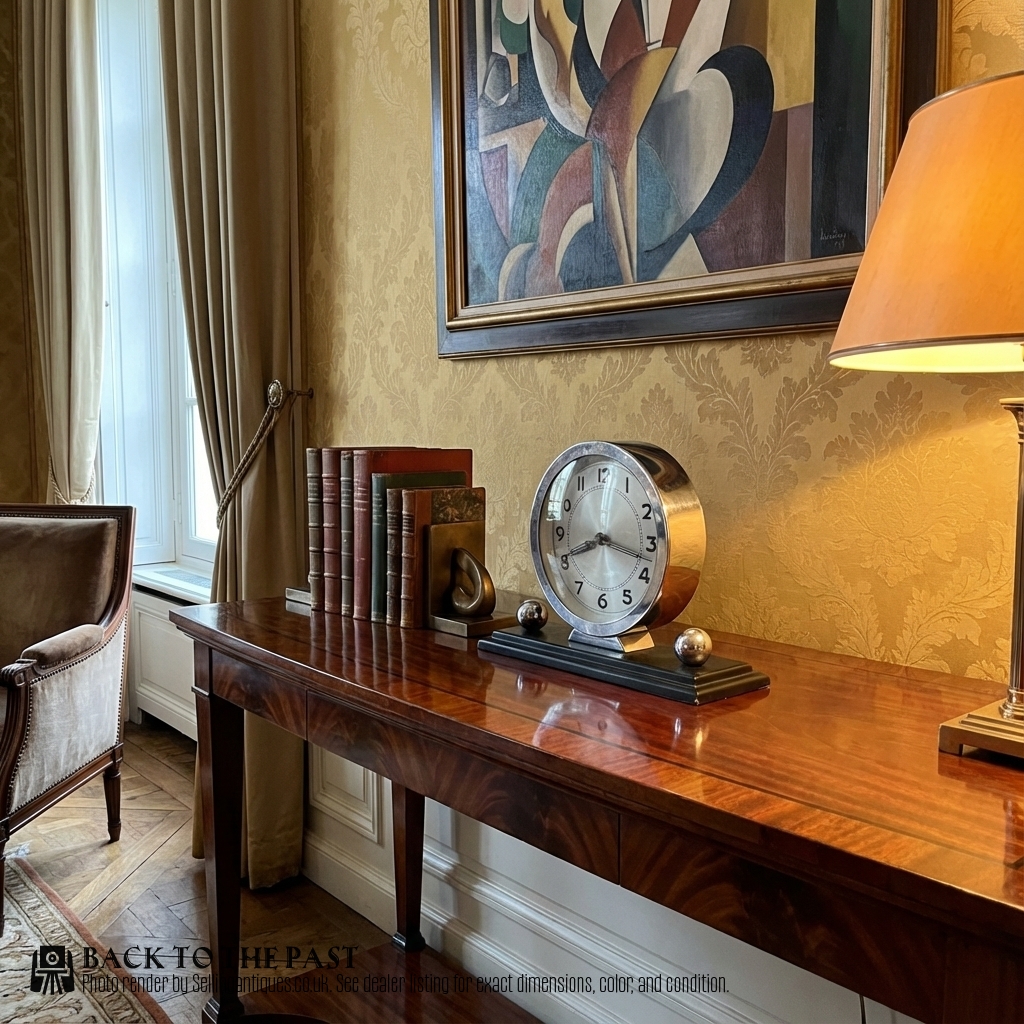
A chrome desk clock is a functional timepiece designed for a table or mantel, combining a metal housing with mechanical or electrical movements. When buyers search for a chrome desk clock, they generally encounter pieces rooted in the Art Deco period, alongside occasional mid-century interpretations.
The most common examples on this page hail from the 1930s, reflecting the era's fascination with geometric forms, speed, and modern materials. English and French makers dominate, producing everything from simple easel timepieces to complex eight-day movements with alarm functions.
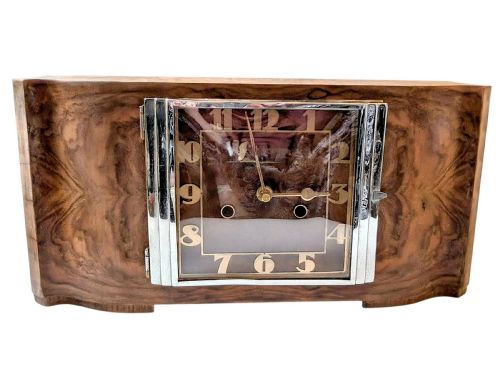
Beyond straightforward timekeeping, these objects often double as desk sculptures or promotional items. Many integrate materials such as walnut, marble, bakelite, and tinted glass to create striking contrasts against the polished metal bezels and housings.
Materials and Construction
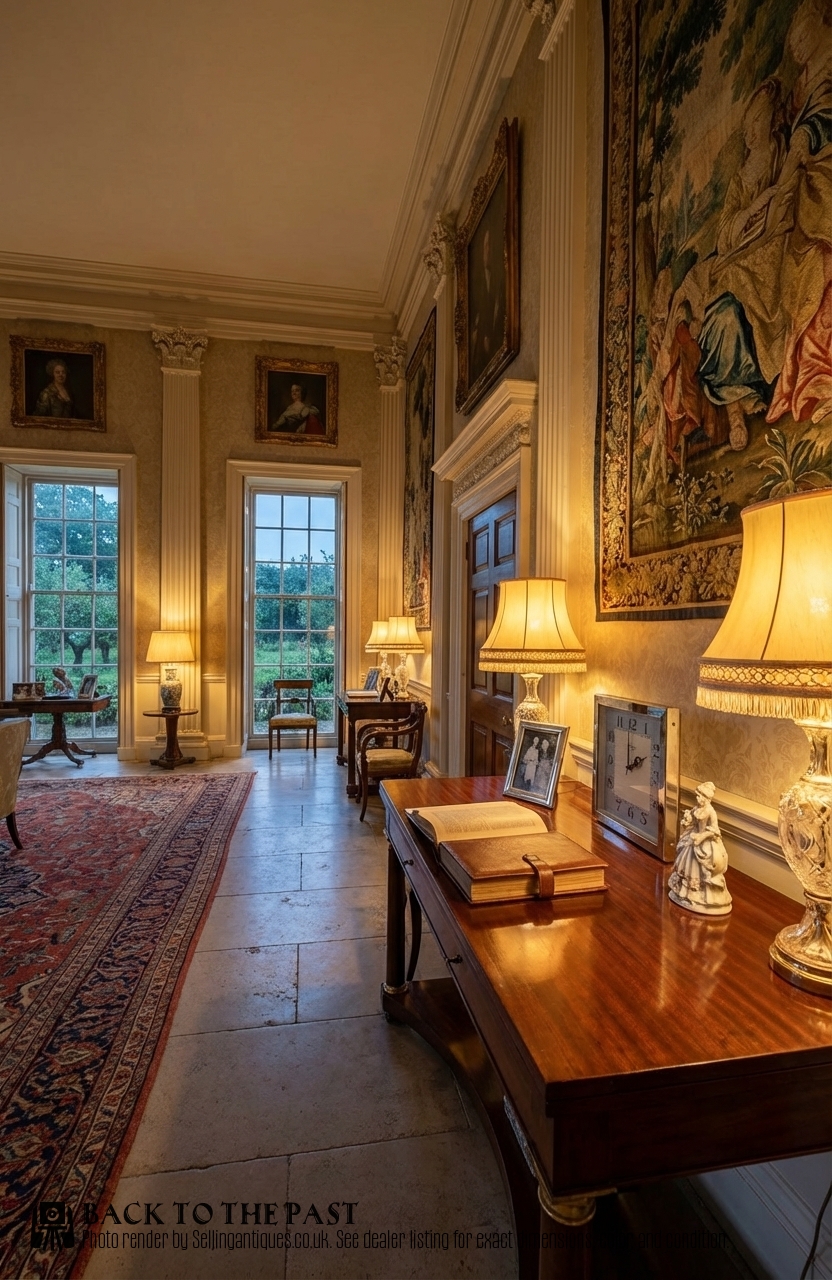
Makers applied chrome plating over base metals to achieve a bright, durable finish that resisted tarnishing while catching the light. This metalwork was frequently paired with contrasting natural elements like walnut, onyx, and marble, or manufactured compounds like bakelite and vitrolite.
Dial designs relied on glass covers, sometimes utilising peach mirror glass, opaline uranium glass, or geometric coloured panels. Movements inside ranged from standard wind-up mechanisms and eight-day calibres to electric motors produced by specialist clockmakers.
Chrome Desk Clock Retail Price Guide 2026
Typical asking prices for chrome desk clock among the pieces listed under this phrase on Sellingantiques today, from the lower quarter to the upper quarter. They describe what is for sale here now, not the wider market.
Materials paired with chrome across the inventory include walnut, marble, onyx, bakelite, and various tinted glasses.
Assessing Quality and Execution
Quality in these pieces rests upon the integrity of the metal plating and the precision of the dial design. Superior examples display crisp geometric numbering, heavy gauge metalwork, and harmonious material pairings without awkward proportions.
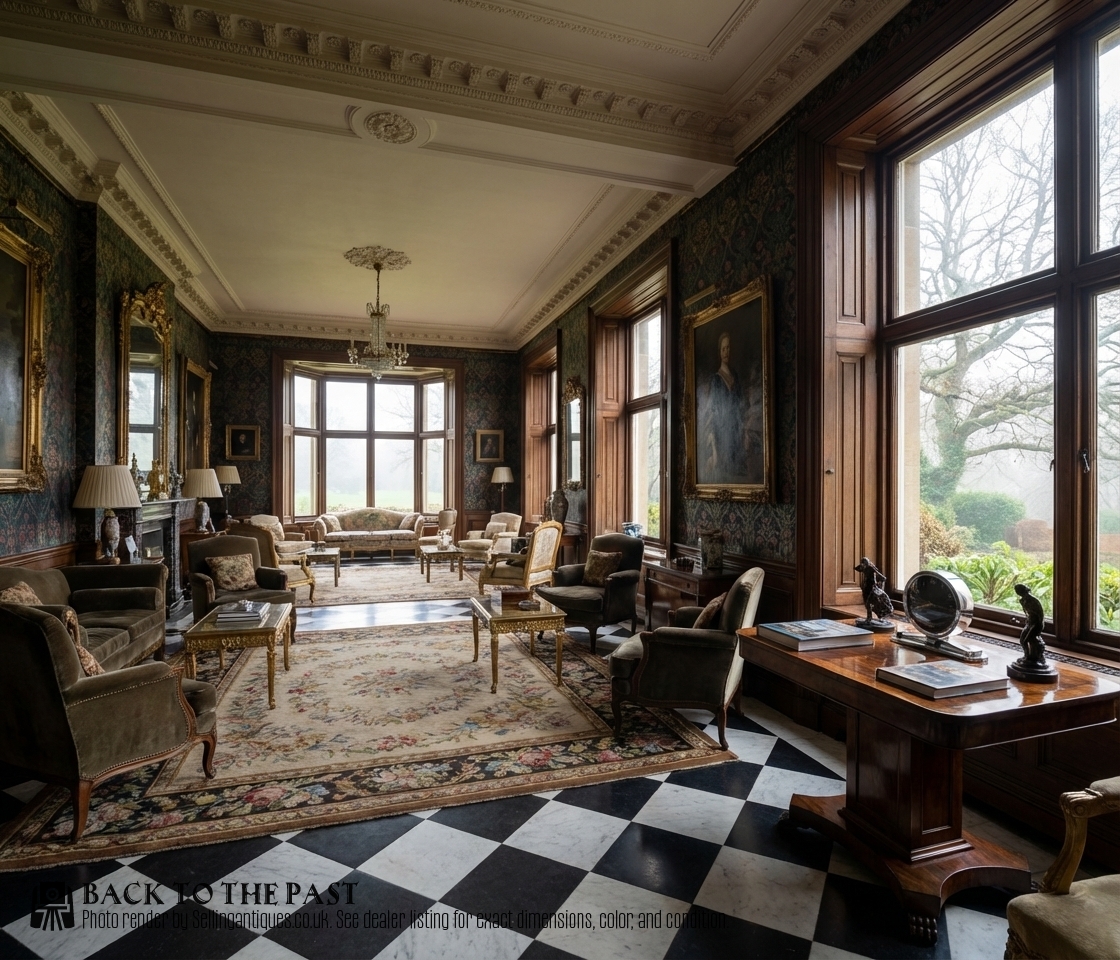
The movement itself dictates much of the standing, with signed mechanisms from established makers holding greater horological interest. Better pieces also maintain original glass components, intact bezels, and well-preserved secondary materials like bakelite or marble bases.
Smiths Clockmakers·Mappin & Webb·Harrods of London·Jaeger-LeCoultre·Asprey
The Chrome Desk Clock Glossary
- Chrome plating
- An electrolytic coating of chromium over a metal substrate providing a hard, reflective surface. This finish defined the modern look of interwar design.
- Bakelite
- An early thermosetting plastic prized for its durability and rich, solid colours. It frequently frames the metallic dials of period timepieces.
- Mystery clock
- A timepiece where the hands appear to move without any visible mechanical connection to the movement. These utilised clever crystal or glass dial designs to conceal the drive mechanism.
- Garniture
- A set consisting of a central clock flanked by matching decorative objects such as vases or sculptural figures. They were designed to sit symmetrically on a mantelpiece.
- Eight-day movement
- A mechanical clock movement that requires winding only once every eight days rather than daily. This convenience was popular in high-end office and travel timepieces.
Chrome Desk Clock: Frequently Asked Questions
How do I wind an eight-day desk clock?
Insert the key into the appropriate winding arbor on the dial or backplate and turn it clockwise until you feel firm resistance. Do not force the spring past its limit, as overwinding can damage the internal mechanism.
For pieces with dual arbours, wind both sides to ensure proper function for both the timekeeping train and any striking or alarm complications.
Are these clocks suitable for daily use?
Many of these timepieces remain fully operational and can keep accurate time on a desk or mantelpiece. Regular servicing by a professional horologist helps maintain the mechanical health of vintage gear trains.
Electric versions require careful checks of their vintage wiring before plugging them into a modern mains socket to ensure safety.
How should I clean chrome and glass?
Wipe metal surfaces gently with a soft, dry microfibre cloth to remove dust and fingerprints without scratching the plating. Avoid harsh chemical cleaners that might strip the finish or seep into vintage joints.
Clean glass dials with a small amount of non-ammonia cleaner applied to a cloth rather than sprayed directly onto the clock face.
How do I date a 1930s timepiece?
Examine the overall aesthetic for typical Art Deco motifs, such as stepped architectural lines, streamlined curves, and contrasting materials like bakelite or vitrolite glass. Maker signatures, registration numbers, and hallmarks can also provide clues to the exact decade of manufacture.
Stylistic cues such as Bauhaus minimalism or heavy skyscraper silhouettes usually point towards the interwar period between the wars.