
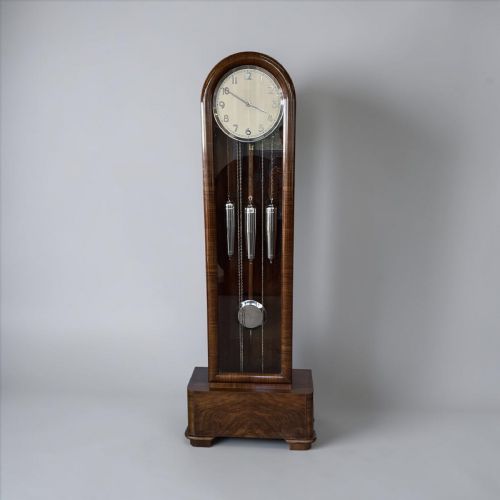
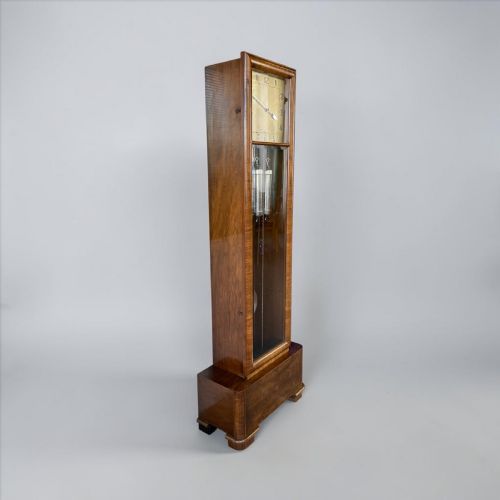
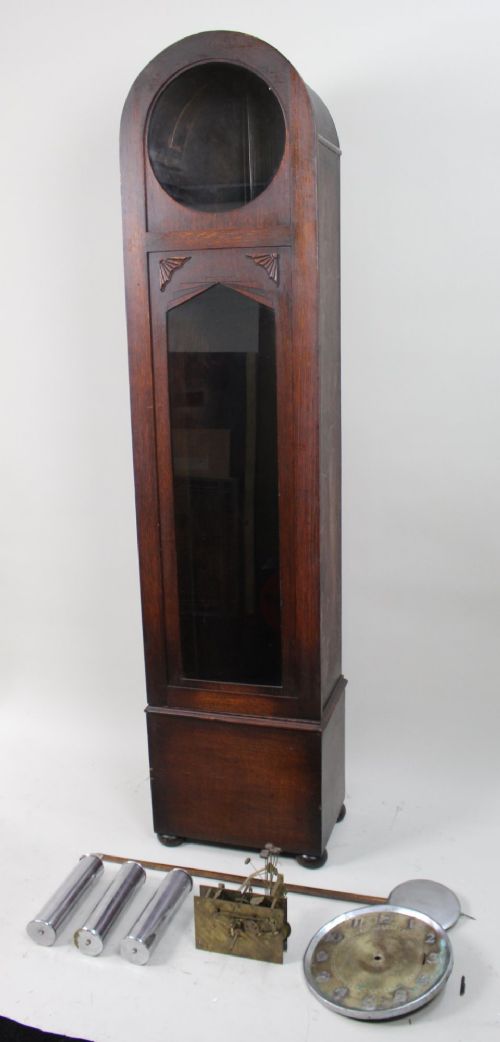
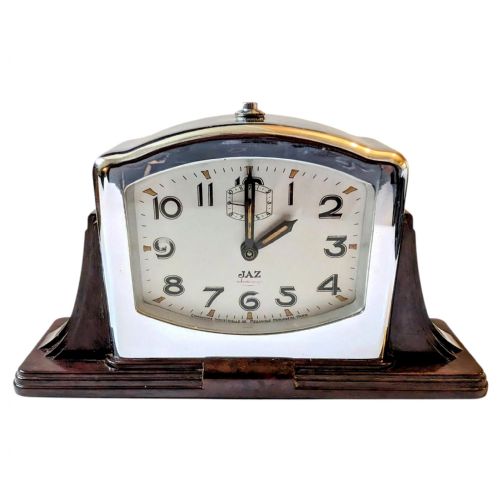


1930s Chrome Clock
These 1930s chrome clock pieces bring striking Art Deco geometry and industrial shine to any interior.
Understanding 1930s chrome clocks
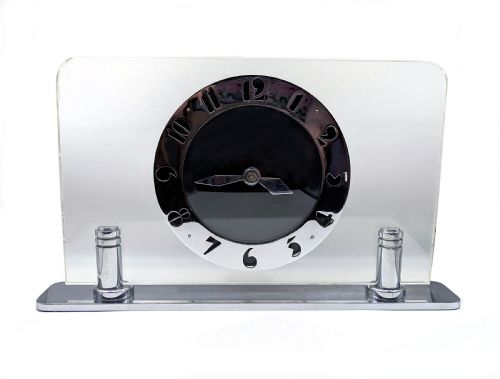
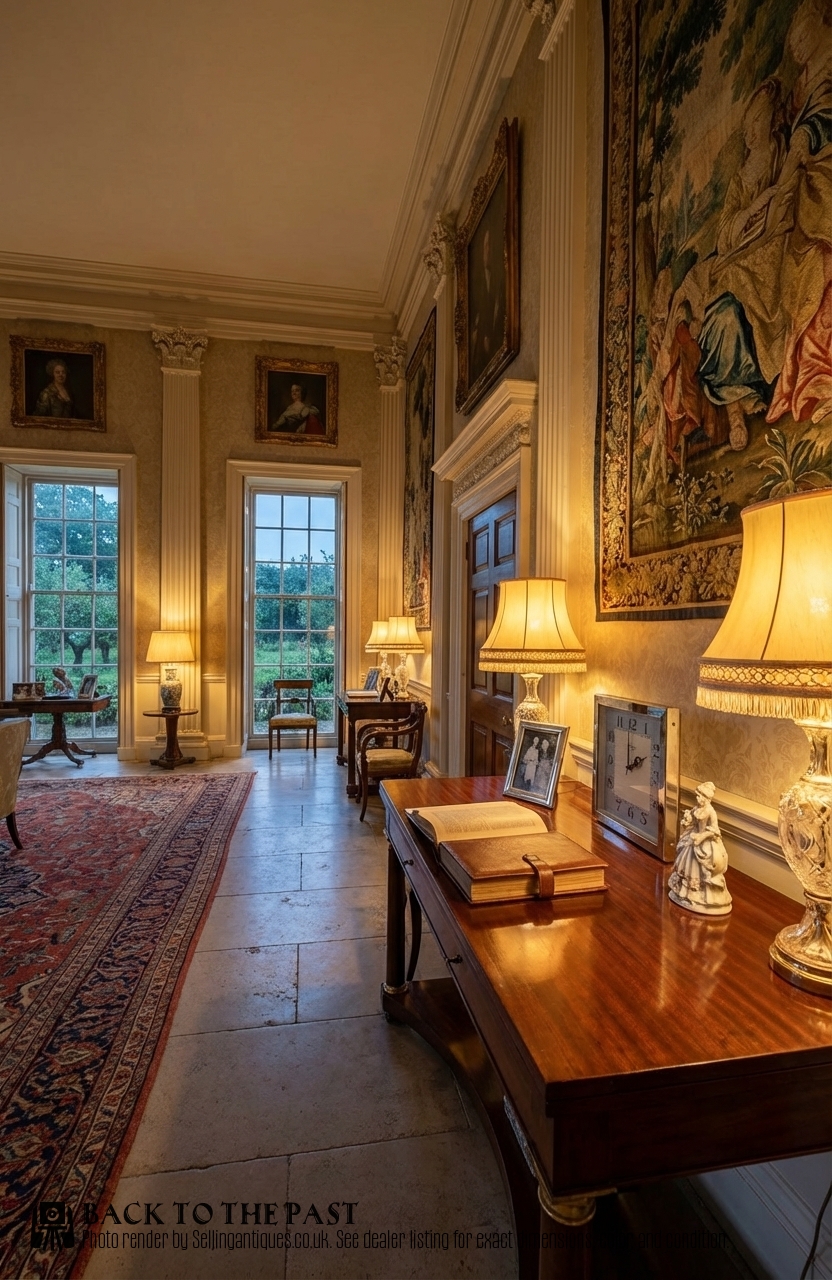
A 1930s chrome clock brings the sharp lines and industrial spirit of the Art Deco period straight to a desk or mantelpiece. You encounter these timepieces in various forms, from straightforward desk clocks to pivoting designs and striking mantel clocks.
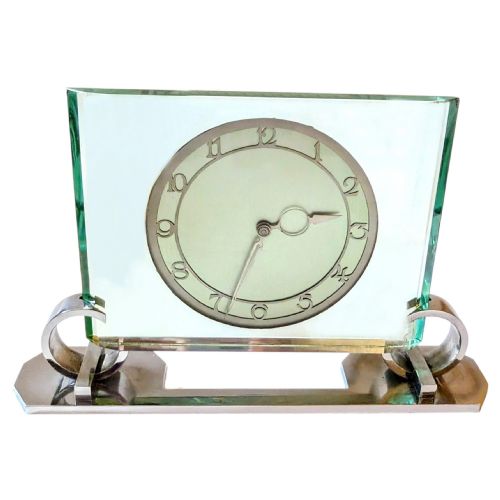
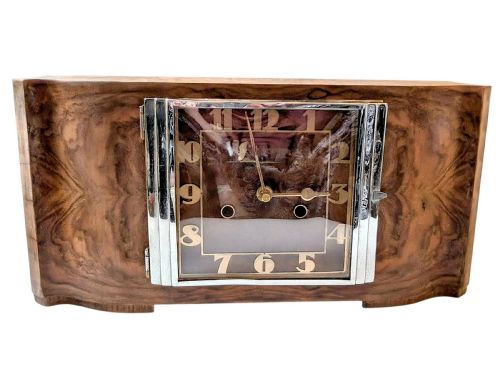
The objects listed here span compact desk companions and larger modernist mantel pieces. Many examples incorporate contrasting materials like blue glass, pink glass, ebonised wood, mirror, and nickel plating alongside the signature metal housing.
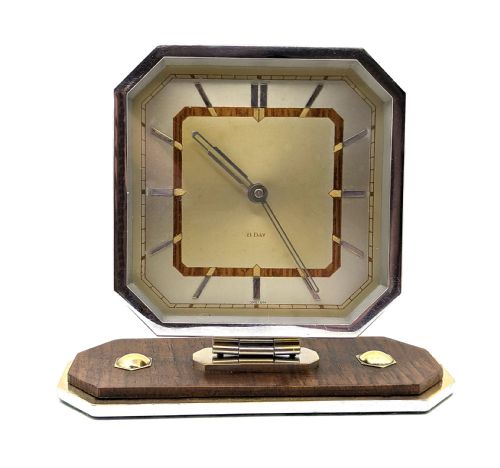
Originating largely from English and French workshops, these pieces showcase the era's fascination with functional modernity. Whether you find a simple alarm clock or a sophisticated eight-day movement, each item reflects the distinct aesthetic of nineteen-thirty.
Materials and construction methods
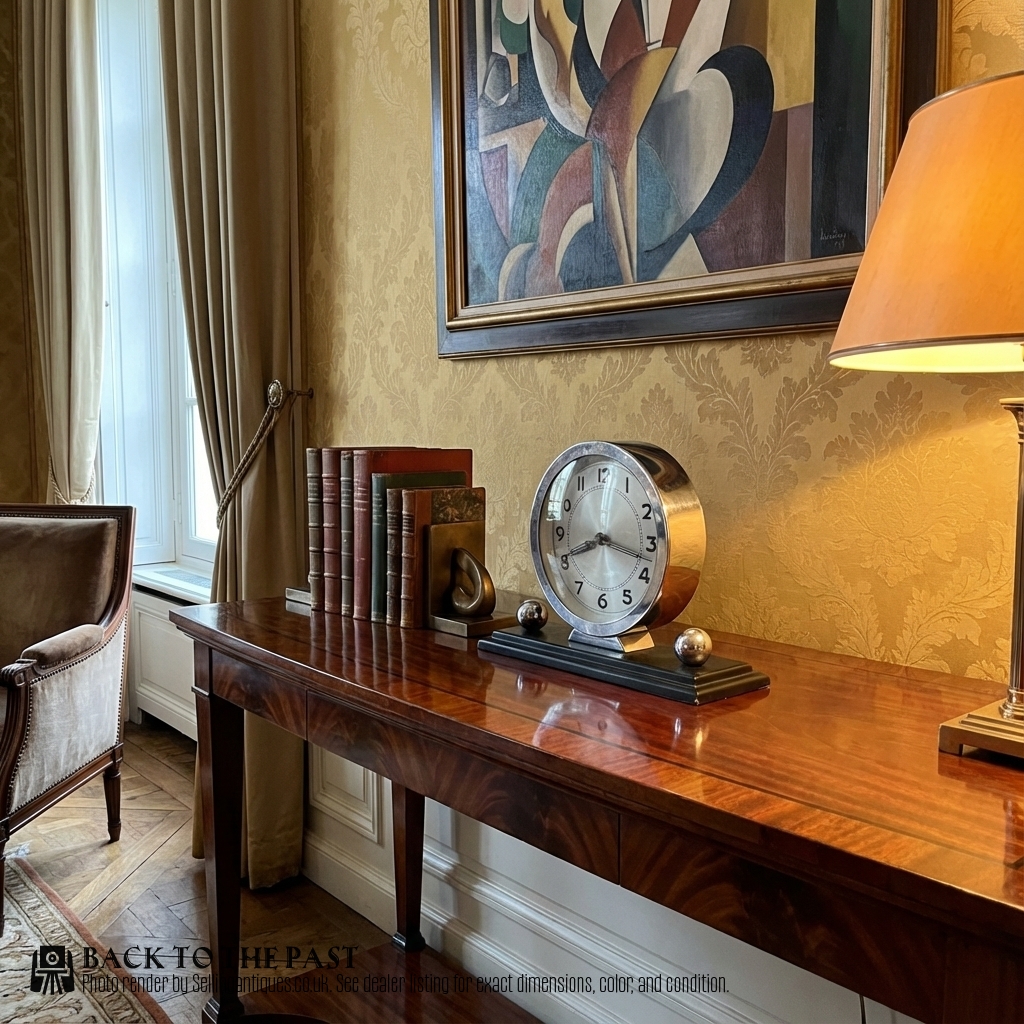
Makers built these clocks using a robust metal foundation finished with bright chrome plating or nickel plating. Glass elements, including mirrors and tinted panels in blue or pink, were integrated to catch the light and enhance the metallic sheen.
Wood components such as ebonised wood provided dark, grounding contrasts to the reflective metal surfaces. Movements ranged from standard electrical systems like Sectric mechanisms to dependable eight-day mechanical calibres housed securely within the geometric frames.
Retail Price Guide 2026
Typical UK retail prices for 1930s chrome clock, calculated from the Sellingantiques database of over a million retail prices indexed since 2003. This retail price guide relies exclusively on Sellingantiques data; no external sources or auction records are used, so the figures do not describe the wider market.
Some dials ticked quietly away in French bedrooms before finding new life on modern desks.
Assessing quality and design
The distinction between standard examples and finer pieces lies in the ambition of the modernist design and the complexity of the materials used. Integrating coloured glass or mirrored surfaces alongside precision movements elevates a piece beyond a simple utilitarian timekeeper.
Superior examples often feature sophisticated mechanical movements, such as eight-day calibres, or bear the mark of established makers. The crispness of the Art Deco geometry and the preservation of the original chrome plating define the upper tier of these items.
Smiths Clocks·Newport·CYMA·DEP·Jaz·Temco·Enfield
The 1930s Chrome Clock Glossary
- Art Deco
- A design style characterised by sleek geometric shapes, streamlined forms, and modern industrial materials that dominated the interwar period.
- Chrome plating
- An electrolytic coating of chromium applied over a base metal to provide a durable, reflective, and corrosion-resistant finish.
- Eight day movement
- A mechanical clock movement that requires winding only once every eight days, offering greater convenience for daily use.
- Ebonised wood
- Timber treated with a dark stain or finish to imitate ebony, providing a stark visual contrast against bright metal elements.
- Sectric clock
- An electric clock movement introduced during the period, representing contemporary domestic innovation and convenience.
Frequently Asked Questions
Where should I place a desk clock?
These compact timepieces suit workspaces, side tables, or bookshelves where their reflective metal surfaces can catch natural light. Their geometric presence adds an architectural touch to smaller areas.
Ensure the location protects the mechanical or electric movement from excessive moisture while keeping the decorative glass and chrome fully visible.
How do I wind an eight day movement?
An eight-day movement requires a dedicated key to tension the mainspring gently until resistance is felt. Care should be taken not to overwind the mechanism.
Regular winding maintains accurate timekeeping and keeps the internal gears functioning smoothly over extended periods of use.
Are these clocks electric or mechanical?
The selection includes both traditional mechanical movements and early electric systems like Sectric mechanisms. Mechanical versions often feature eight-day movements requiring periodic manual winding.
Checking the dial or listing details clarifies whether a specific timepiece relies on a spring-driven mechanism or electrical power.
How do I clean chrome and glass?
Wipe the chrome housing gently with a soft, lint-free cloth to remove dust and fingerprints without scratching the polished surface. Avoid harsh chemical cleaners that might damage the plating or adjacent glass panels.
Glass and mirrored components benefit from standard glass cleaner applied sparingly to a cloth rather than sprayed directly onto the frame.