
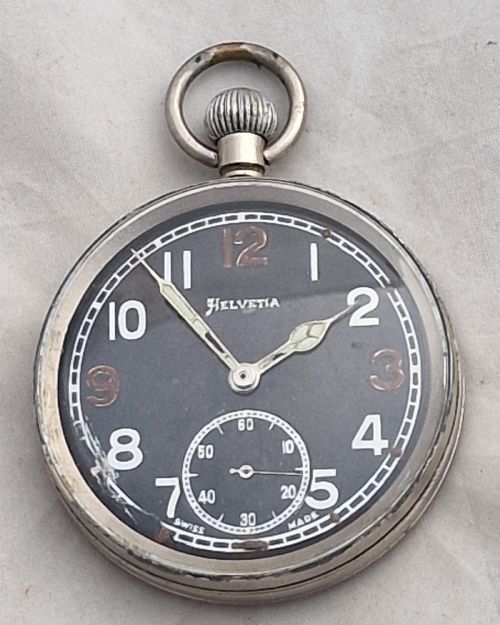
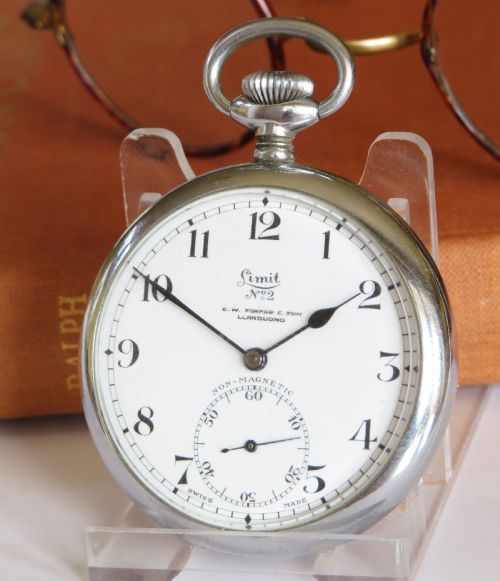
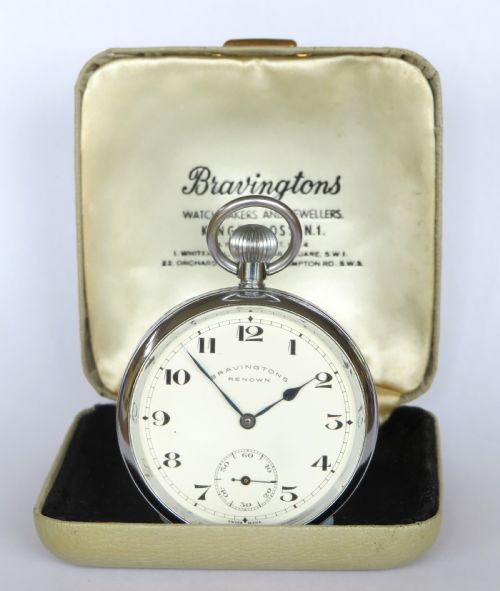
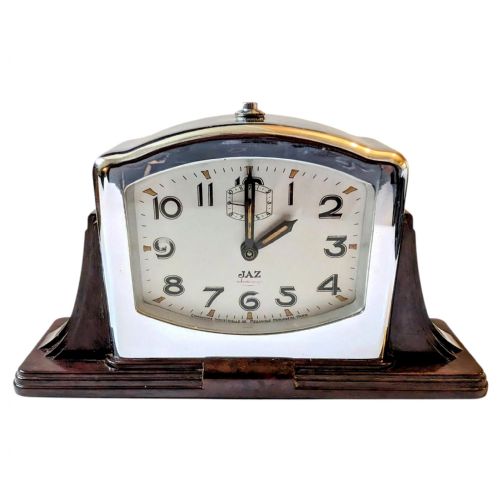
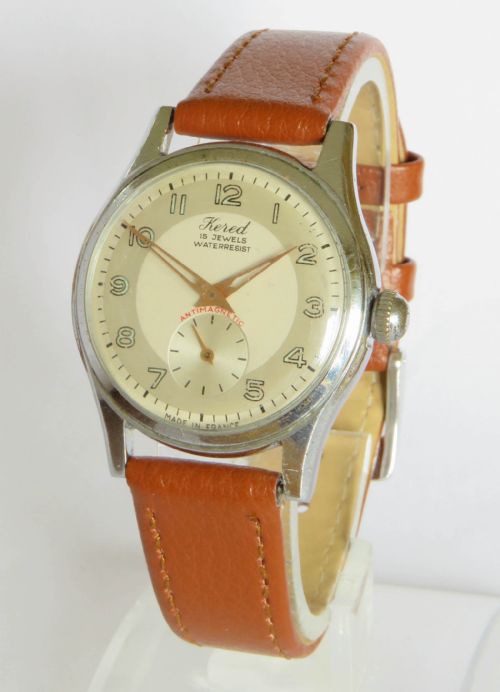


Antique Chrome Timepiece
An antique chrome timepiece brings the geometric precision of the 1930s into daily rooms through polished metal housings and reliable mechanical movements.
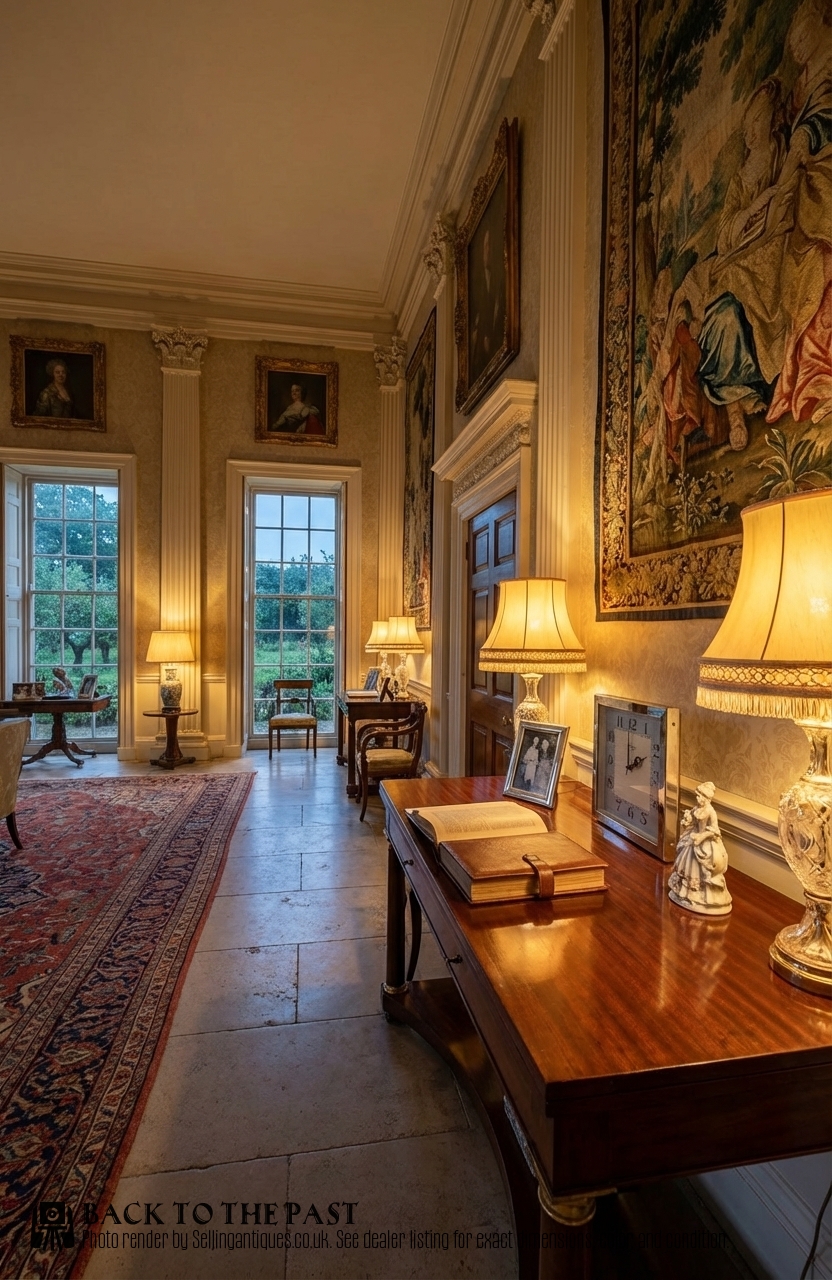
Antique Chrome Timepiece
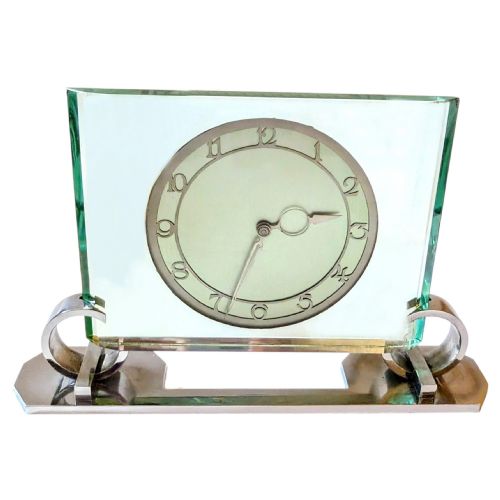
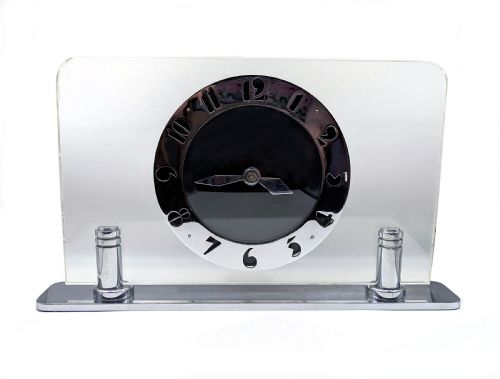
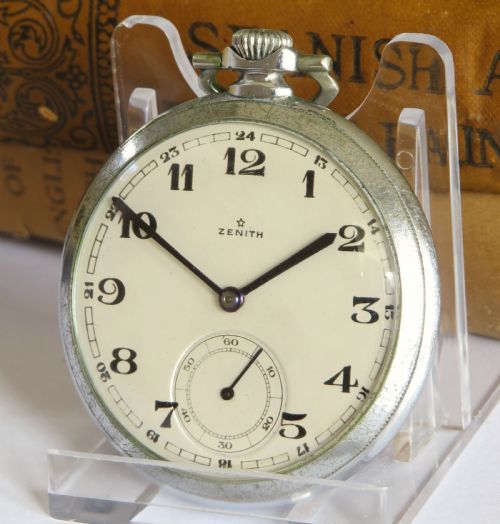
When you search for an antique chrome timepiece, you are looking primarily at desk clocks, travel alarms, and mantel pieces created during the 1930s Art Deco period alongside wristwatches and pocket watches from the 1920s to the 1950s. The version you are most likely to meet on this page is a chrome-plated desk or travel clock styled in the geometric, modernist aesthetic typical of the interwar years.
These items span various formats including wall clocks, garnitures, and military-issue pocket or wristwatches from the 1940s. Many incorporate glass, enamel, and bakelite elements alongside their metal housings, reflecting the diverse industrial materials utilised during the early to mid-twentieth century.
Origins range from English makers and retailers to French workshops, with distinct regional styling appearing in modernist skyscraper designs and maritime instruments. The overarching form remains rooted in mechanical utility, driven by eight-day movements or manual wind calibres.
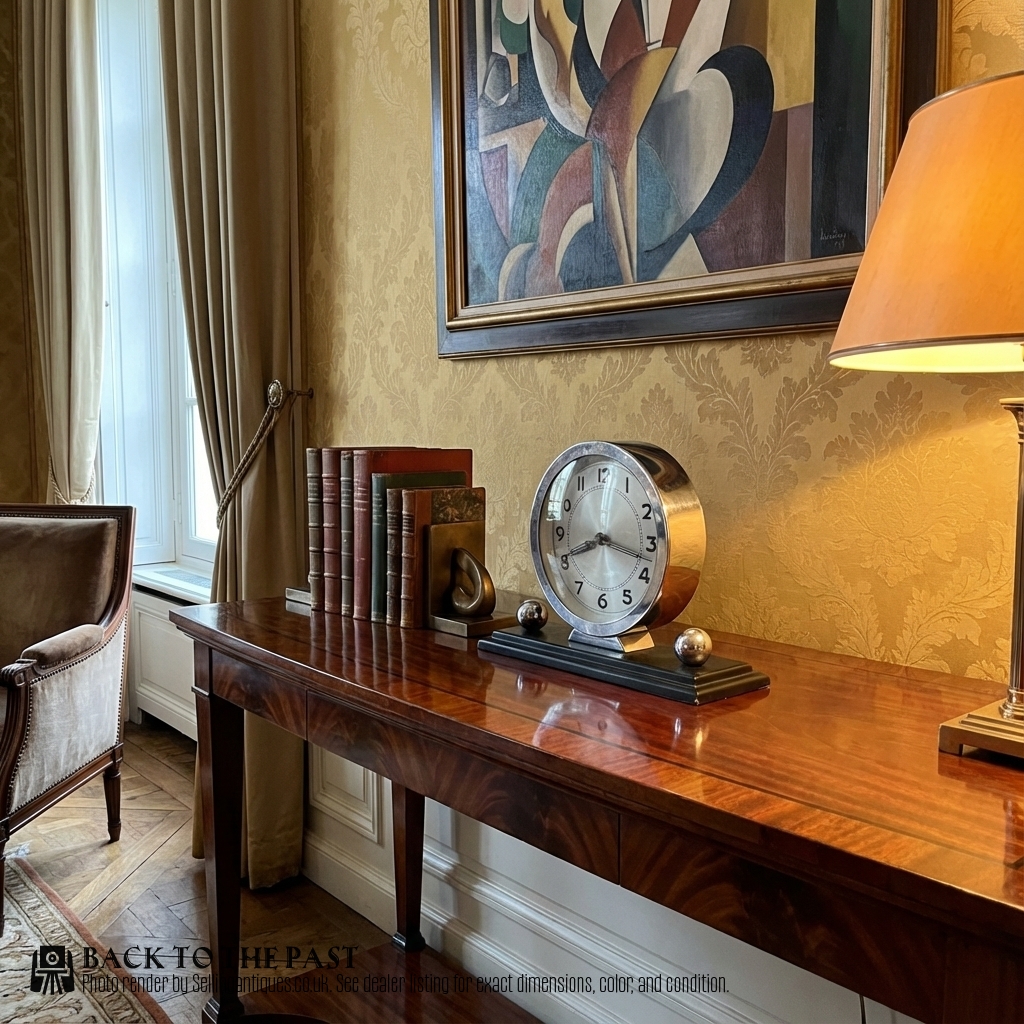
How they were made
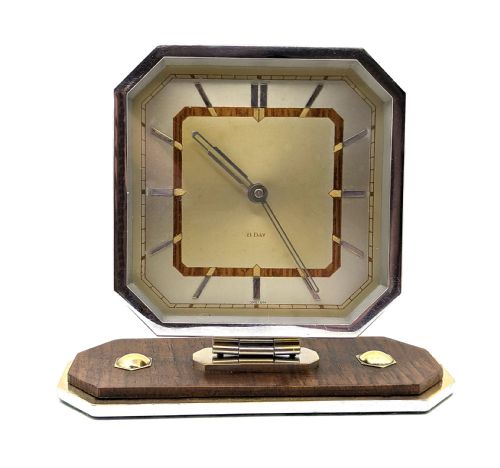
The construction of an antique chrome timepiece relies on the electroplating of metal substrates, primarily brass or base alloys, with a thin layer of protective chromium to yield a bright, durable finish. This metallic shell is frequently paired with contrasting materials such as polished walnut, black bakelite, or moulded opaline and uranium glass.
Clockmakers housed mechanical movements - often featuring eight-day capabilities or specialised escapements - within these geometric metal chassis. Dials were fitted with Arabic or Roman numerals, sometimes protected by bevelled glass panels and accented with enamel details.
Antique Chrome Timepiece Retail Price Guide 2026
Typical asking prices for chrome timepiece among the pieces listed under this phrase on Sellingantiques today, from the lower quarter to the upper quarter. They describe what is for sale here now, not the wider market.
Listings feature items from the 19th Century, 1920, 1930, 1940, and 1950, utilising chrome, glass, metal, leather, enamel, bakelite, walnut, and stainless steel.
What varies in quality
The distinction between tiers rests upon the caliber of the internal movement and the integrity of the chrome plating over the underlying metal. Pieces by established clockmakers or retailers exhibit superior finishing in the dial typography and the weight of the cast housing.
Execution of modernist or Art Deco design elements also dictates standing, with complex architectural shapes and integrated sculptural components showing greater design ambition than standard utility models. Preservation of the original dial and smooth operation of the mechanical wind mechanisms further separate examples.
Smiths Clockmakers·Mappin and Webb·Harrods of London·Asprey·Blangy Clockmakers
The Antique Chrome Timepiece Glossary
- Chrome-plated
- Base metal coated with an electrolytic layer of chromium. This process provides a reflective, corrosion-resistant surface popular in twentieth-century design.
- Art Deco
- A design style prevalent in the 1920s and 1930s characterised by geometric shapes, streamlined forms, and modern industrial materials.
- Bakelite
- An early synthetic thermosetting plastic. It appears frequently in bezels, bases, and dial surrounds on interwar clocks.
- Garniture
- A set consisting of a clock flanked by matching decorative ornaments or sidepieces. These arrangements often sat upon mantelpieces.
- Eight-day movement
- A mechanical clock movement designed to run for eight days on a single winding. This reduced the frequency required for manual maintenance.
Antique Chrome Timepiece: Frequently Asked Questions
How often should an antique mechanical desk clock be wound?
Most mechanical desk and travel clocks featuring standard movements require winding once a day to maintain accurate timekeeping. Models equipped with eight-day movements only need attention weekly.
Overwinding can damage the mainspring, so care must be taken to stop turning the key or crown the moment resistance is felt.
Were these chrome clocks made for travel or desk use?
Makers produced both dedicated desk clocks and folding travel clocks housed in leather or metal cases. Travel versions often featured protective sliding covers or struts for upright positioning.
Desk models relied on fixed geometric stands or heavy metal bases to remain stable on flat surfaces.
What materials accompany the chrome in these pieces?
Designers combined chrome housings with bakelite, walnut, marble, and coloured glass such as opaline or uranium variants. Dials often incorporated enamel work and brass bezels.
Leather cases appear primarily on portable travel variants issued during the 1930s and 1940s.
How do I identify a 1930s Art Deco timepiece?
Art Deco pieces display stepped skyscraper silhouettes, geometric symmetry, and streamlined styling. The typography on the dial typically employs clean sans-serif numbers.
Materials like chrome and bakelite dominate these interwar designs, separating them from nineteenth-century wooden or brass predecessors.