


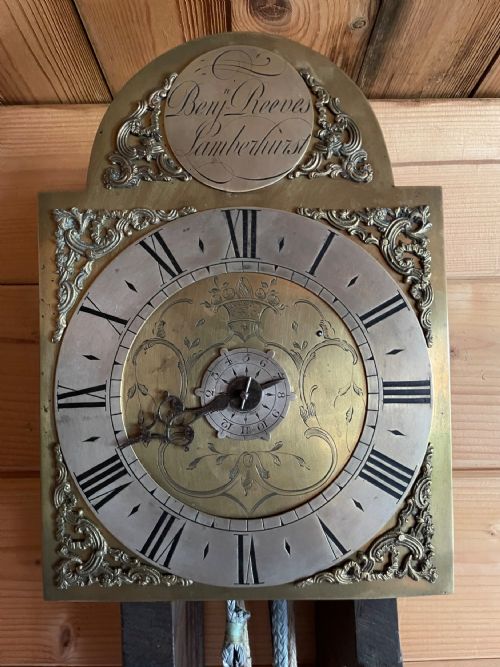


Vintage Alarm Clock
A vintage alarm clock combines mechanical ingenuity with striking period design, offering practical timekeeping alongside a distinct decorative presence.
Vintage Alarm Clock
A vintage alarm clock encompasses diverse horological forms ranging from domestic carriage clocks and desk timepieces to larger bracket and wall mechanisms. When exploring this selection, buyers encounter functional objects spanning multiple centuries, each integrating an audible alarm complication.
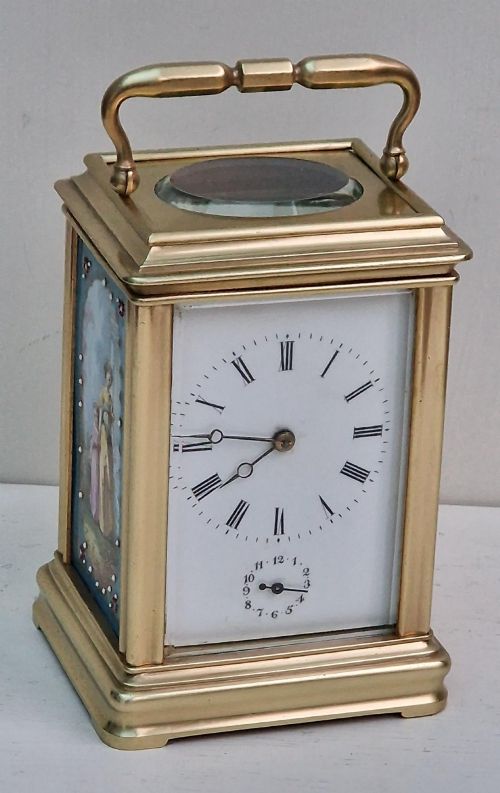
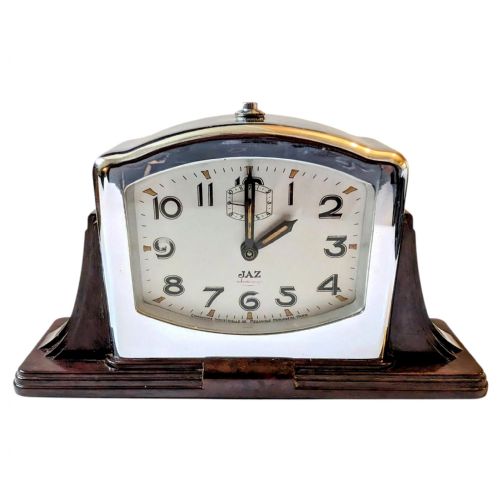
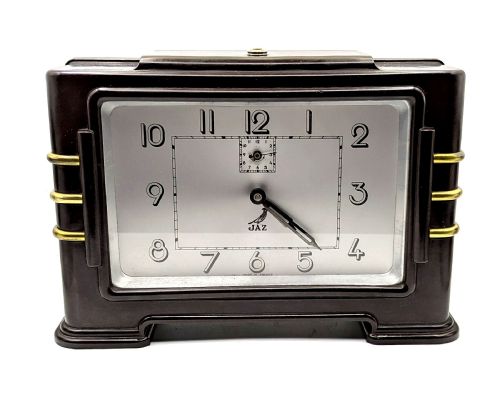
The material record demonstrates a transition from early wooden and iron wall mechanisms to polished brass carriage cases and modern synthetic resins. French carriage clocks featuring gilt bronze and enamel dials sit alongside Art Deco pieces shaped in bakelite and chrome.
Originating from English workshops and continental makers alike, these timepieces reflect the changing domestic requirements of their respective eras. The surviving examples document the evolution of portable and stationary alarm mechanisms across Victorian and twentieth-century periods.
How they were made
Construction relies on durable metals such as brass, bronze, and steel configured into intricate gear trains and escapement systems. Cases employ glass panels to expose the movement alongside solid frames of mahogany, marble, or polished chrome.
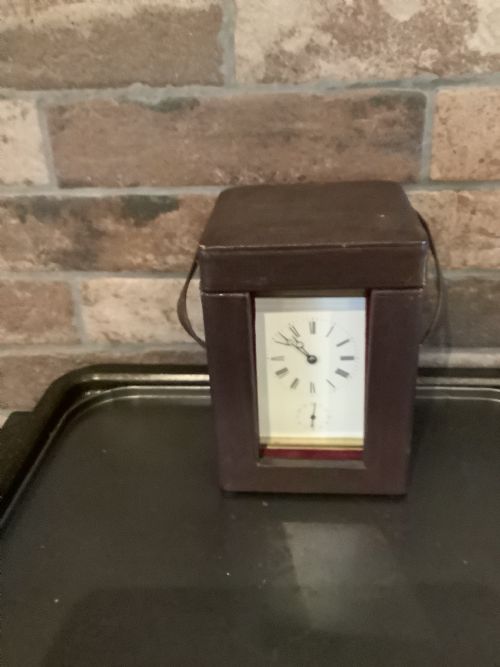
Decorative techniques involve elaborate engraving across gilt bronze surfaces, porcelain dial panels, and the moulding of synthetic bakelite into streamline Art Deco silhouettes. Travel variants frequently incorporate fitted leather cases to protect the metal housings during transit.
What varies in quality
Quality diverges between standard commercial timepieces and complex masterworks featuring grand sonnerie striking, quarter-repeating functions, or tidal dials. The precision of the movement, the intricacy of case engraving, and the presence of original outer leather cases elevate certain pieces above standard production.
The reputation of the maker heavily influences distinction, with signed works from established horologists demonstrating superior mechanical execution and finishing. The integration of high-grade materials like porcelain, heavy gilt bronze, and undamaged enamel dials further separates exceptional examples from ordinary domestic clocks.
Antoine Redier of Paris·William Barrow·Drocourt·J. F. Bautte Et Cie·Hunt and Roskell·Jaeger LeCoultre
The Vintage Alarm Clock Glossary
- Carriage clock
- A portable spring-driven timepiece designed for travel during the nineteenth century. These brass and glass cases frequently incorporate alarm and repeating mechanisms.
- Bakelite
- An early form of synthetic thermosetting resin utilised extensively during the Art Deco period. It permitted moulded geometric shapes in various solid colours for desk and travel clocks.
- Verge escapement
- An early type of mechanical escapement utilised in antique clocks to regulate the descent of the weight or spring. It works alongside a balance or pendulum to control the gear train.
- Grand sonnerie
- A complex striking mechanism that sounds both the hours and the quarters automatically on bells or gongs. Such complications represent high-status craftsmanship in period horology.
Vintage Alarm Clock: Frequently Asked Questions
How do vintage alarm clocks work?
These mechanical timepieces operate using spring-driven gear trains that transfer energy through an escapement mechanism to turn the hands. An auxiliary train powers the alarm strike, releasing a hammer against a bell or internal gong when the designated time is reached.
Periodic winding of the mainsprings via a key or integrated butterfly winder maintains the tension required for continuous operation. Complicated examples also tension separate trains for striking and repeating functions.
Where were carriage clocks placed?
Carriage clocks originated as portable timepieces for travellers, housed in protective leather travel cases during transit. Upon arrival at a destination, they served as reliable mantel or desk timepieces.
Their heavy brass and glass frames allowed them to sit securely on flat surfaces while offering visibility of the moving escapement through glass panels.
What is an Art Deco desk clock?
An Art Deco desk clock is a timepiece styled during the interwar period, typically featuring streamlined geometries and modern industrial materials. Designers utilised chromium plating alongside moulded bakelite and marble to create compact, visually striking accessories.
These clocks reflect an era of modernist interior design that favoured clean lines over ornate Victorian ornamentation.
How do I identify a Victorian carriage clock?
Victorian carriage clocks typically feature heavy cast brass frames, often termed corniche or gorge cases, fitted with bevelled glass panels. Dial faces frequently utilise white enamel with Roman numerals, sometimes accompanied by subsidiary alarm dials.
Examining the backplate often reveals the maker's stamp, serial numbers, and evidence of precision brass framing characteristic of nineteenth-century French and English workshops.