



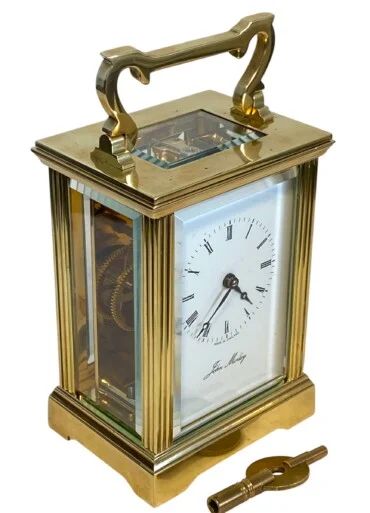


Vintage 8 Day Clock
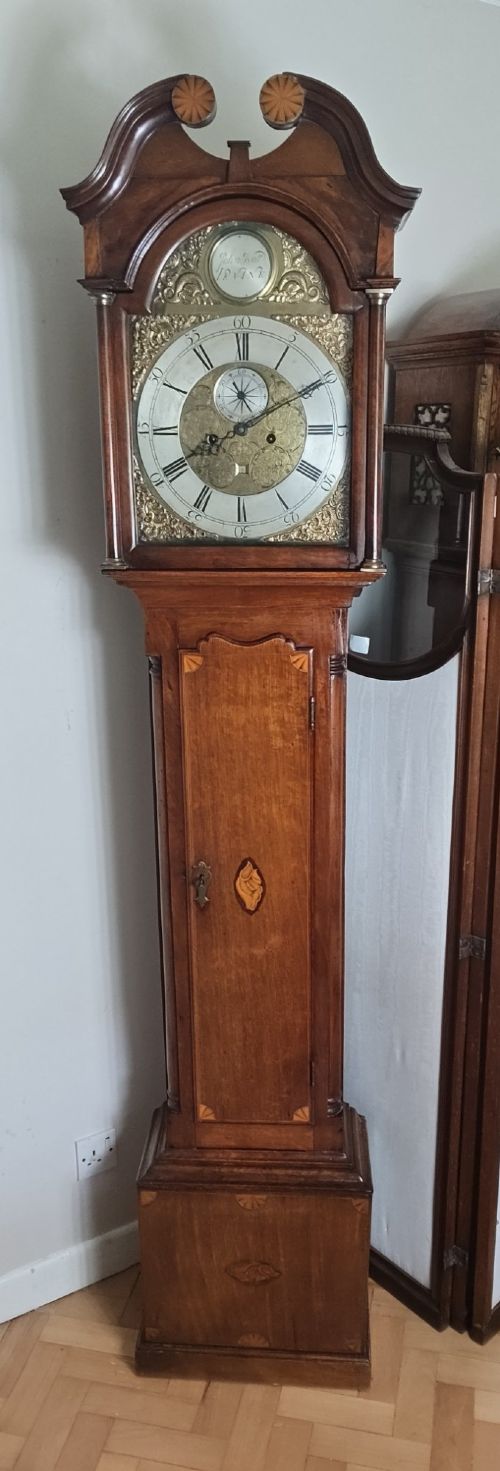
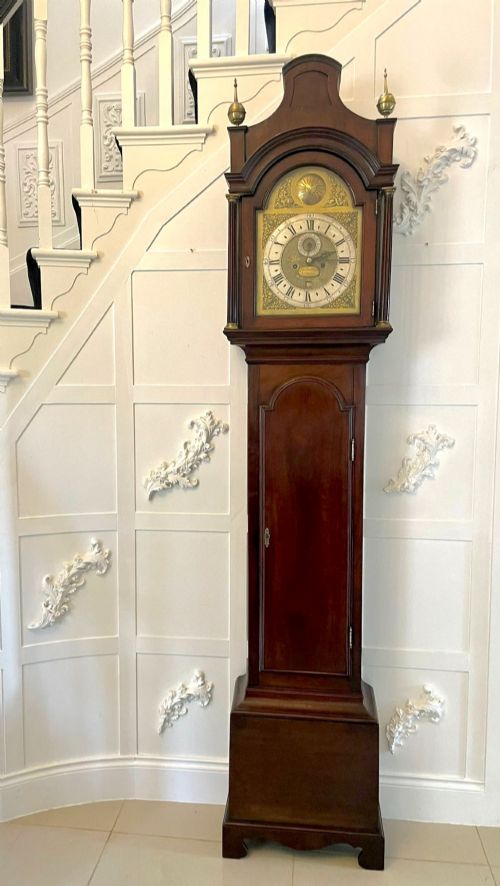
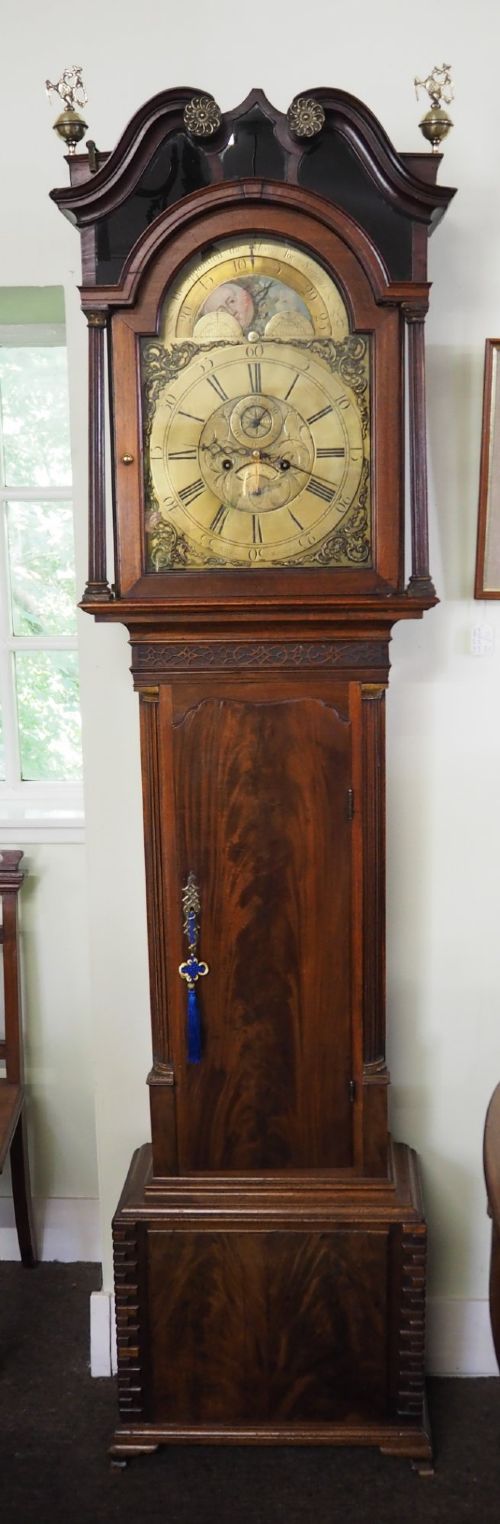
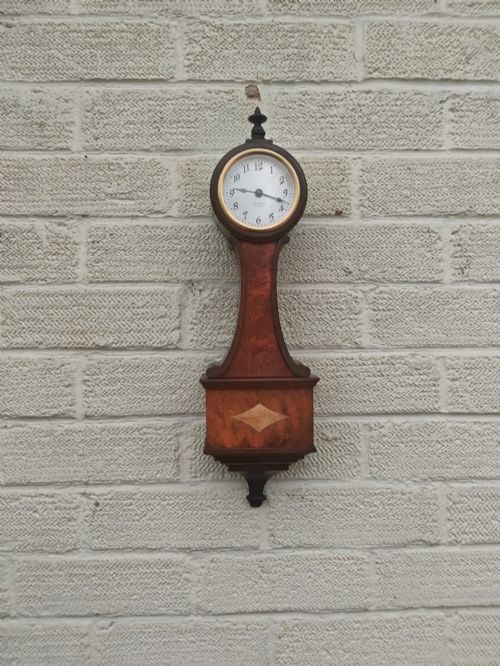
A vintage 8 day clock is a dependable mechanical timekeeper designed to run for over a week on a single wind.

What They Are
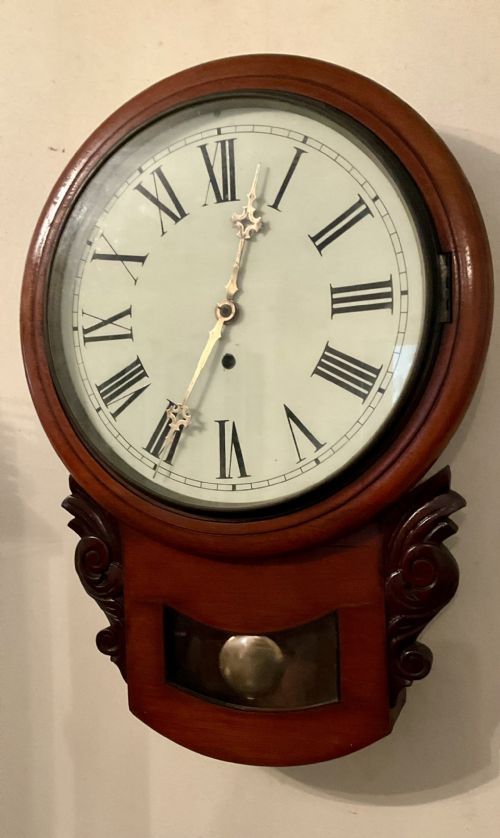
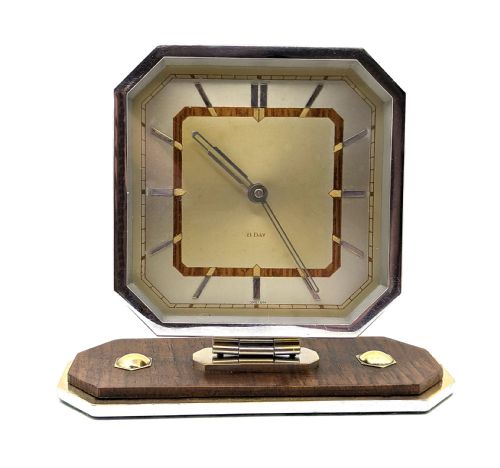
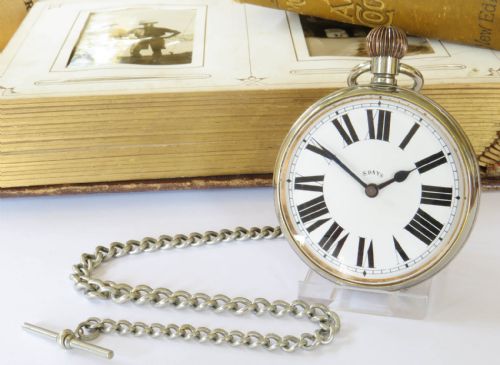
When buyers search for a vintage 8 day clock, they encounter mechanical timepieces spanning the nineteen-twenties and nineteen-thirties. These pieces primarily take the form of mantel clocks, desk clocks, and wall clocks reflecting the dominant Art Deco style of the period.
The most common versions met on this page combine traditional timber housings with the geometric flair characteristic of interwar design. English makers feature strongly among these domestic timepieces, offering both freestanding and wall-mounted formats.
How They Were Made
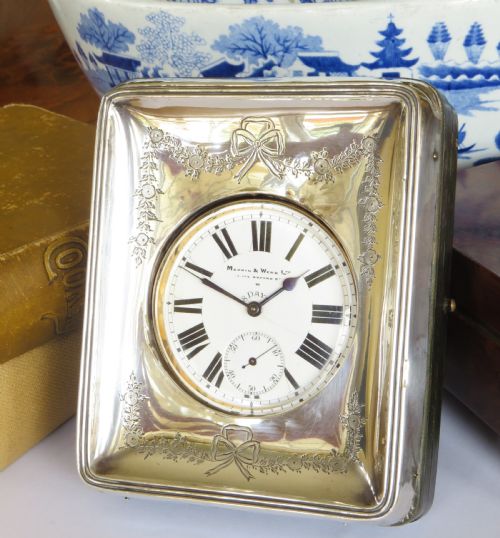
Construction relies upon mechanical movements housed within diverse materials such as chrome, glass, metal, walnut, brass, and peach mirror glass. Silver mounting also appears on specific desk pieces.
Casings are shaped to the distinct architectural lines of the Art Deco era, pairing polished metals with rich hardwoods and reflective glass surfaces.
Listings span the nineteen-twenties and nineteen-thirties, featuring walnut, chrome, brass, and peach mirror glass.
What Varies in Quality
The distinction between standard and superior pieces rests upon the refinement of the housing materials and the sophistication of the dial design. Finely mounted silver and bevelled peach mirror glass elevate a piece above simpler metal or wooden alternatives.
Maker attribution further differentiates the range, with signed dials and named retailers commanding greater interest from collectors than unsigned equivalents.
Elliott·Bravingtons Ltd of London·Smiths·A.L. Davenport
The Vintage 8 Day Clock Glossary
- Art Deco
- A design style characterised by sleek geometric shapes, streamlined forms, and modern industrial materials popular during the interwar decades.
- Strut clock
- A portable timepiece featuring a hinged prop or stand on the reverse to support it upright on a surface.
- Movement
- The internal mechanical assembly of gears, springs, and escapements that drives the clock hands and measures time.
- Mantel clock
- A domestic timekeeper designed to stand securely upon a fireplace mantelpiece or shelf.
Frequently Asked Questions
How often should I wind an 8 day clock?
These mechanical timepieces require winding approximately once a week to maintain continuous operation without interruption.
Consistent weekly winding also helps keep the mainspring tension steady for better timekeeping accuracy.
Where were these clocks made?
The pieces recorded here originate from English workshops and retailers active during the interwar decades.
Local craftsmanship during this era produced distinctive desk, wall, and mantel formats.
What materials are typical for Art Deco clocks?
Interwar clockmakers utilised a combination of traditional woods like walnut alongside modern industrial elements such as chrome, brass, and specialised glass.
Peach mirror glass and silver mounts frequently appeared on high-end desk and dressing table models.
Are these clocks mechanical or quartz?
Every piece listed relies entirely on a mechanical movement powered by a mainspring rather than any electrical or quartz component.
This traditional setup requires manual winding using a key or built-in mechanism.